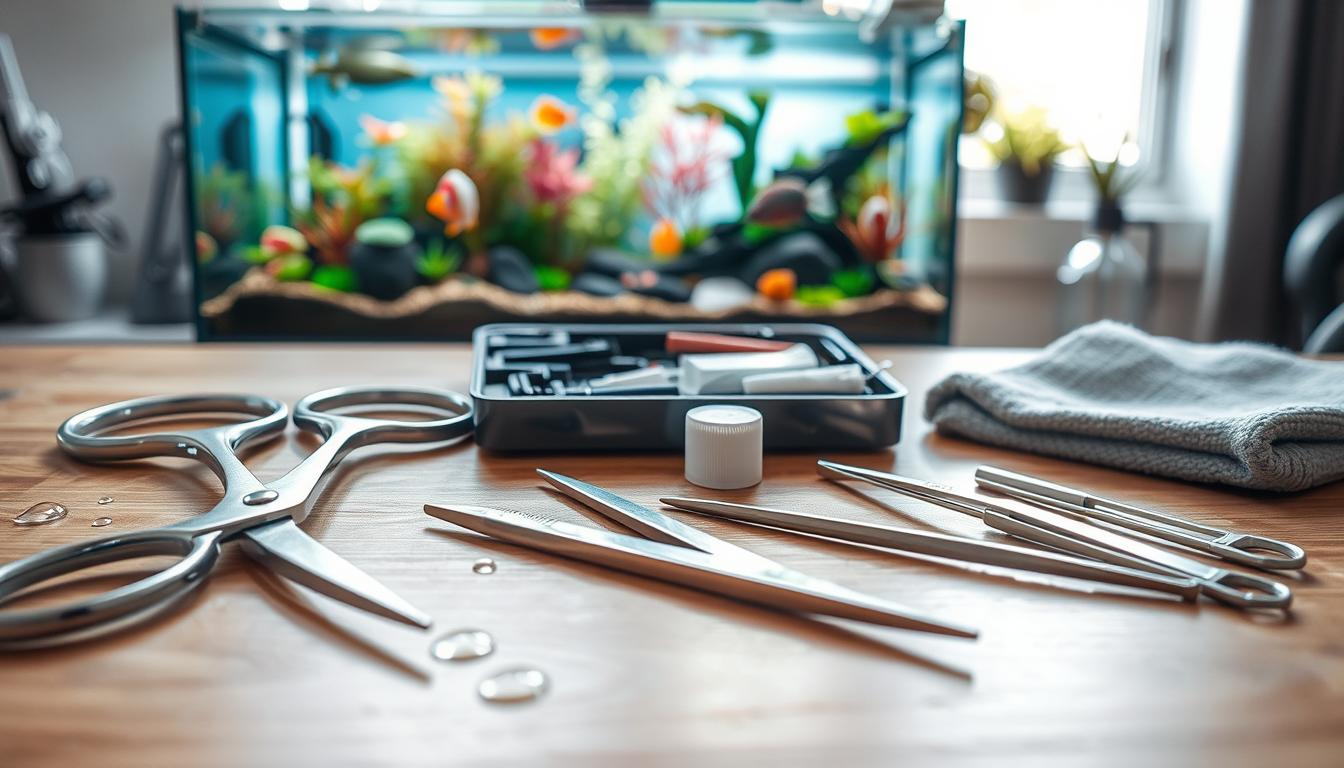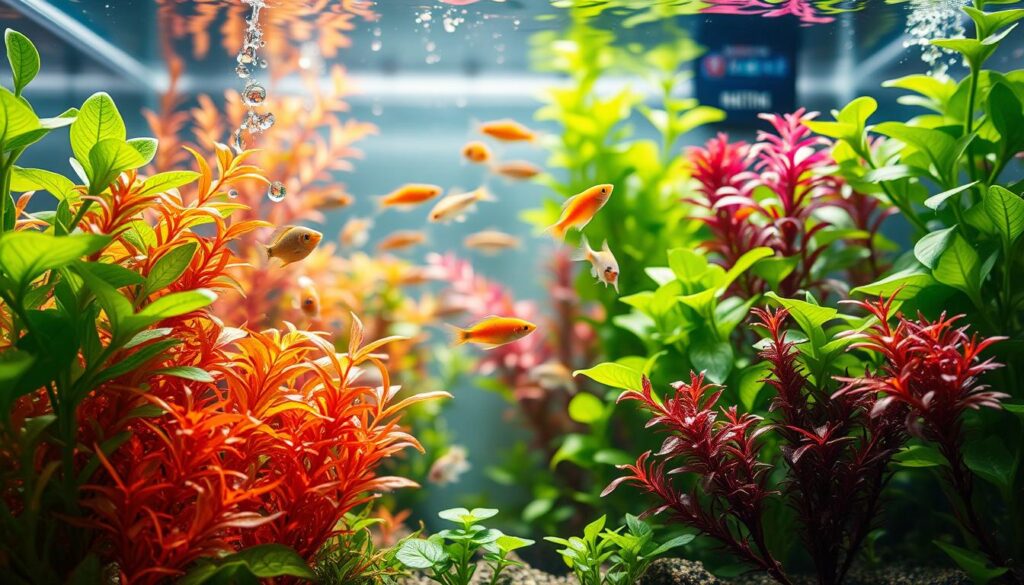
Keeping a clear aquarium journal is key to success with a nano system. It helps you track changes and solve problems quickly. This is because small volumes show big changes in temperature, salinity, and chemistry.
Before you start, choose a permanent spot for your journal. Decide if you’ll use an AIO or sump system. This choice affects your tank’s temperature and the health of your fish.
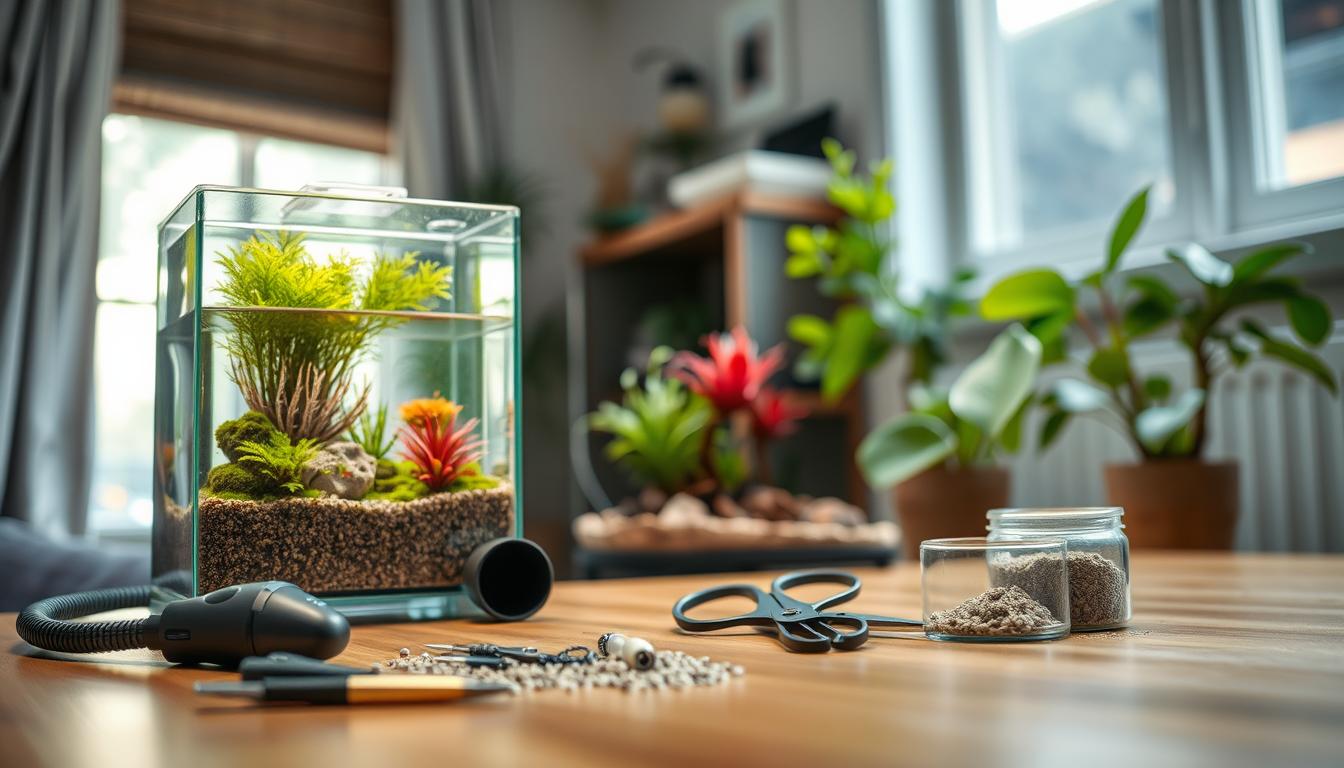
Begin your journal with setup details. Note the tank size, substrate depth, and live rock mass. Also, record the details of your equipment, like lights and pumps.
Record your initial decisions that shape your tank’s care. Mention if you’re keeping brackish or saltwater, and your water source. Include model numbers for important gear for easy replacements and troubleshooting.
Starting your tank journal from day one helps solve problems faster. See this guide as the start of your aquarium journal and record-keeping routine.
Understanding the Importance of a Nano Tank Journal
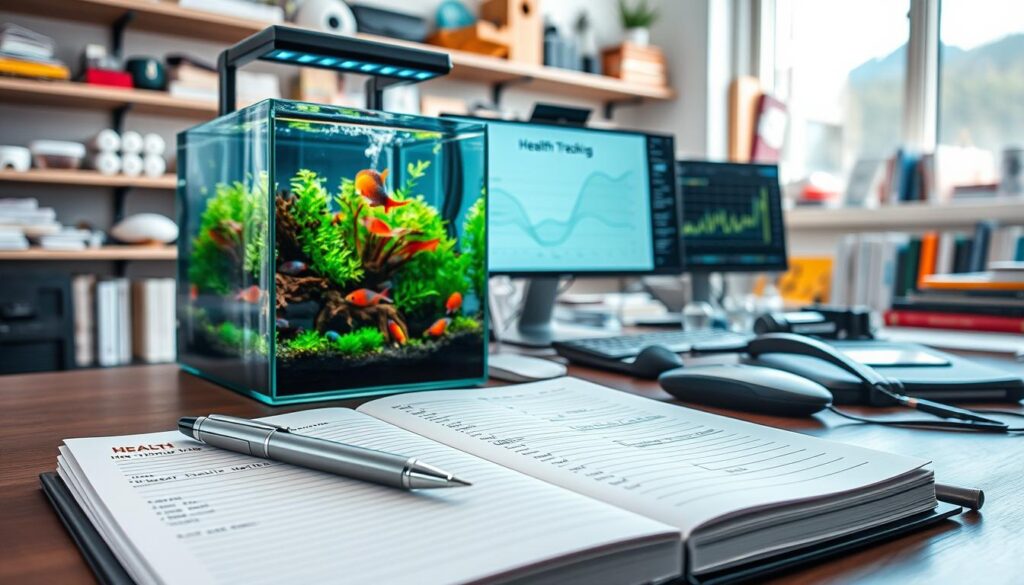
Keeping a tank maintenance log is key in nanos because small water volumes change quickly. You need to check salinity and temperature every day. Testing ammonia, nitrite, nitrate, and pH weekly helps you see trends.
Writing down aquarium maintenance makes it easier to see changes. Note water changes, dosing, lighting changes, and new fish. This helps you spot issues like hair algae after temperature changes or dosing mistakes.
Your journal also helps with tracking fish behavior. Log feeding times, notes on fish compatibility, and the order you added fish. This reduces the risk of fish not getting along or overstocking in a small tank.
For reef nanos under 15 gallons, add calcium and phosphate tests to your routine. Record each test result. This helps you see how corals react to changes in water parameters and dosing schedules.
Use your tank maintenance log to plan upgrades and budget. Write down plans for adding a chiller, auto top-off, or dosing pumps. Tracking costs and vendor advice helps you choose better gear from brands like Eheim, Tunze, or Aqueon to avoid failures.
Save tips from manufacturers, forums, and books like the Nano Reef Handbook in your journal. This background helps you understand advice better when comparing it to your tank’s behavior. It’s all about tracking tank health and documenting aquarium maintenance.
What to Include in Your Journal
Make your aquarium journal a reliable tool by keeping entries tight and consistent. Start each log with the date, time, water temperature, and specific gravity or salinity. Also, include pH, ammonia, nitrite, nitrate, phosphate, calcium, alkalinity (dKH), and magnesium if relevant.
Record any dosing done that day and the units used. This helps track changes in your tank.
Record equipment details clearly. List model numbers and settings for lights, protein skimmers, powerheads, pumps, heaters, chillers, auto top-off, and controllers. Note any quirks like a drilled overflow or AIO filter chamber layout.
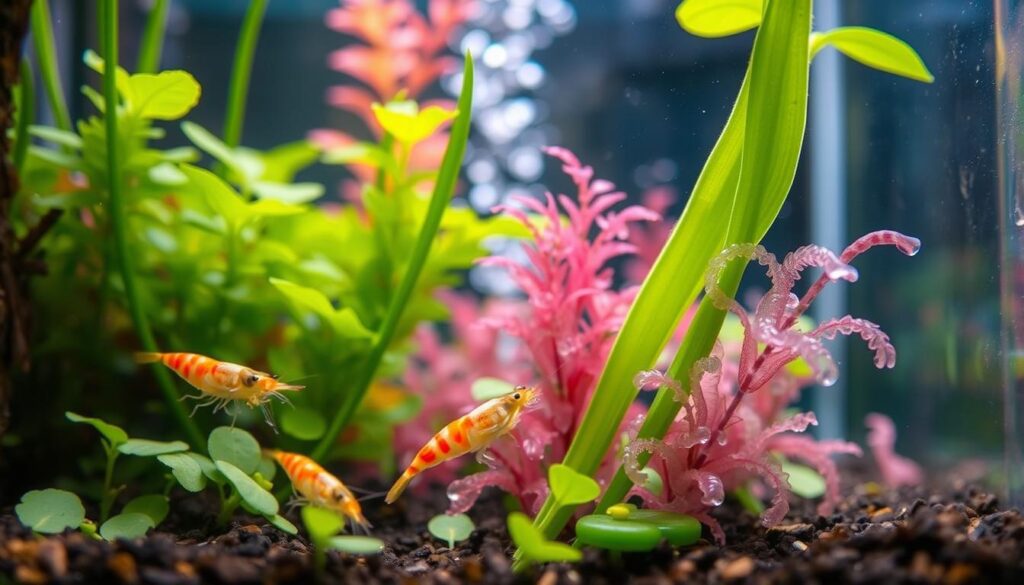
Keep a list of your tank’s inhabitants. Include scientific and common names, size at introduction, date added, and source. Also, note feeding preferences and frag locations for corals.
Track maintenance actions carefully. Record water changes, gravel or sand cleaning, filter media swaps, skimmer cleaning, and light schedule changes. Note refugium photoperiod to manage pH swings and dosing regimens by brand and quantity.
Keep notes on any issues you encounter. Describe symptoms and list immediate corrective actions. Record outcomes and ambient room temperature and location notes.
Build a visual record by noting photo filenames, shot angles, and dates. Mark significant aesthetic changes like coral growth or color shifts. Keep before-and-after images to measure the impact of interventions.
Consider adding optional extras to your tank documentation guide. Track budget and parts replaced, list forum threads or expert contacts referenced, and compile long-term metrics like monthly averages for key parameters. These extras help spot trends over time.
Use consistent units and methods across entries. Prefer a refractometer for salinity and standardize pH and calcium test kits. A simple spreadsheet template or printable form makes record keeping straightforward and repeatable.

Documenting Water Parameters Effectively
Test key parameters regularly. Check temperature and specific gravity daily. Do ammonia, nitrite, nitrate, and pH tests weekly. For reef systems, measure calcium, alkalinity, and phosphate weekly. Test more often when you change dosing or add coral.
Use reliable gear for accurate records. A quality refractometer gives precise salinity. Calibrated thermometers or a temperature controller limit drift. For nitrogen compounds, trust liquid test kits from API or Salifert, and use a Hanna meter for spot checks when needed.
Record exact results with units and test kit brand. Note kit lot numbers or expiry dates if available. This habit makes it easier to verify odd readings later when you review your tank maintenance log.
- Document ambient room temperature and nearby heat sources.
- Note photoperiod, light intensity adjustments, and any cooling attempts.
- If you use AIO lighting, watch for excess heat and log chiller or fan use.
Plan redundancy for heating and control. Use an electronic controller or run two heaters so a heater that fails ON won’t overheat your aquarium. Log controller settings and heater models in your tank maintenance log.
- Record water changes: percent changed, source (RO/DI or LFS premix), replacement temperature and salinity.
- Note if you added supplements via top-off or dosing and list brands and amounts.
- Timestamp each entry to link changes with test results.
Create trend charts in your journal or spreadsheet. Plot alkalinity, calcium, salinity, and nitrate over weeks. Trends reveal slow drifts that single tests miss and help when tracking tank health against dosing schedules, livestock additions, or equipment swaps.
Log anomalies with context. When you see a sudden spike or drop, note the timestamp and concurrent events like a power outage, maintenance, or heavy feeding. These entries make troubleshooting faster and improve your documenting aquarium maintenance over time.
Keeping Track of Livestock
Keep a living inventory that lists common and scientific names for every organism you add. Note entries like Amphiprion ocellaris, Gramma loreto, or Cirrhilabrus rubripinnis with the date introduced, length or size, and source such as a local fish store, frag swap, or GARF purchase.
Record compatibility notes and behavior observations. Track territorial disputes, aggression, pairing, or signs of stress. Some damselfish are aggressive, while many invertebrates are sensitive and should be added only after system stability is confirmed.
- For corals and inverts, log frag placements, lighting needs, flow preferences, and feeding routines.
- Measure or photograph frags at intervals to track growth rates and changes in color or polyp extension.
- Note special requirements, for example mandarinfish need abundant live copepods from an established refugium.
Keep a feeding log that lists food type, frequency, quantity, and livestock response. Include notes on appetite, target feeding, and any supplementation such as nori, mysis, or enriched pellets.
Document mortality and disease events in detail. Record symptoms, treatments used with brand names and doses, quarantine steps, and outcomes. Note any cross-contamination events and corrective actions taken to limit spread.
- Use the journal to plan stocking order and rationale.
- List why inverts may be introduced first in a reef tank and why many fish are added later.
- Record adjustments made after observing tank stability and livestock interactions.
Make documenting your tank part of routine maintenance. Consistent fish tank record keeping and keeping aquarium records gives you a clear history to reference when making decisions about additions, treatments, or layout changes.
Guidelines for Maintenance Logs
Set a regular maintenance schedule and write it down. Do daily checks and top-offs. Weekly tests and small water changes are next. Then, bi-weekly larger water changes when needed.
Monthly, inspect equipment and change media as needed.
Use a simple checklist for each session. This makes documenting aquarium maintenance quick and consistent.
- Check heater(s) and note setpoints; list backup heater presence.
- Verify skimmer function and empty skimmer cup if needed.
- Assess pump flow and ATO level.
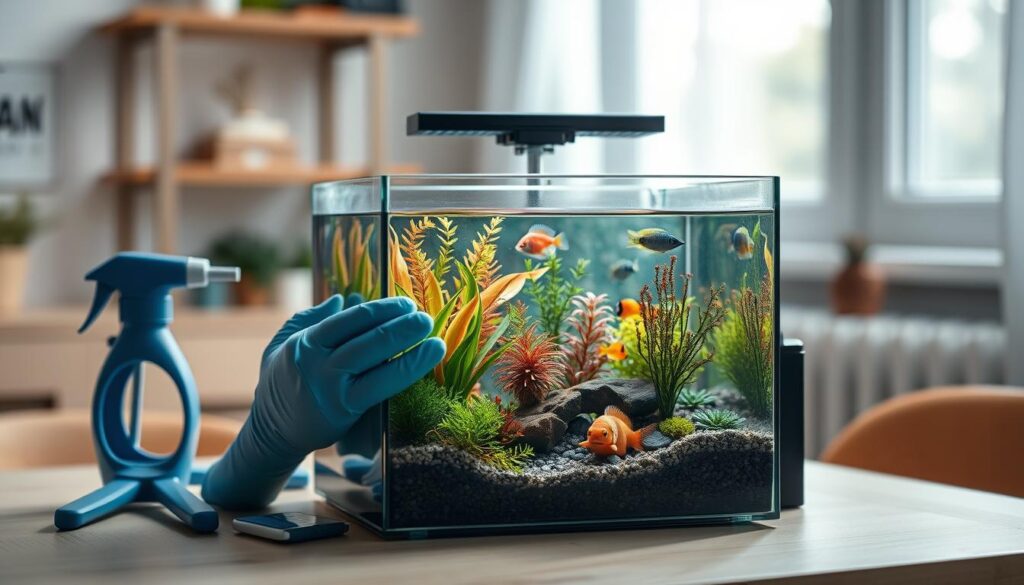
- Perform glass cleaning and siphon substrate as planned.
- Clean mechanical media and inspect power strips/GFCI.
Record every action taken on the tank. Note water change percentages and volumes. Also, record the source and salinity of replacement water.
Mark if the skimmer cup was cleaned and if filter media was rinsed or replaced.
If you have a larger setup with a sump, log sump water volume and media swaps. These details help spot trends and ensure consistent care.
Take preventative steps and list them in your log. Use two heaters and temperature controllers to avoid swings. Regularly inspect for leaks and test new tanks immediately.
Document cleaning products and methods used. Note tools like scrapers, siphons, and phosphate removers. Record chemical interventions, including brand names and contact time.
Track time and cost for each maintenance session. Add these figures to decide if hiring professionals or investing in automation is worth it for your setup.
Keep your tank maintenance log concise and consistent. Clear entries make documenting aquarium maintenance efficient. This makes keeping aquarium records a practical habit for years of care.
Charting Algae Growth and Issues
Begin by documenting your tank with dated entries for every algae sighting. Note the type—hair, cyanobacteria, diatoms, film algae—the coverage area, and any events that occurred nearby in time, such as heat spikes, feedings, or lighting changes.
Use an aquarium journal layout that lists observations and actions. Record the cleaning crew composition, including snails, hermit crabs, and peppermint shrimp. Note how effective each species was and whether adding more improved control or led to overgrazing.
When you spot hair algae after a heat spike or nutrient imbalance, log the full corrective plan. Include water change volumes, phosphate removers used, and if you shortened the photoperiod. TFH experience shows rapid response often requires multiple tactics together.
Track nutrient control steps in your aquarium journal. List dosing reductions, phosphate- and nitrate-removal methods, refugium macroalgae use, and the refugium photoperiod. Running a refugium at night can minimize daytime pH swings; document the timing you used.
If you try carbon dosing, record the product, dosage, and schedule. Add entries for collateral effects on corals and invertebrates. Note how long it took for algae cover to recede and whether the algae returned after treatment stopped.
- Log dates and filenames for photos; use date-stamped filenames to measure progress visually.
- Compare before-and-after images in your aquarium journal to spot slow trends.
- Share clear photos with online forums when you need diagnostic help; include your documented actions and water data.
Keep a concise timeline for each outbreak. Enter when it began, the measures you tried, and the outcome. This practice helps with tracking tank health over seasons and prevents repeating ineffective fixes.
Maintain short, consistent notes. Use the same terms for algae types and the same units for parameters. That consistency makes documenting your tank entries searchable and useful when you revisit old logs for pattern recognition.
Capturing Tank Aesthetics
Set a regular photo schedule for your tank. Take pictures from the front, side, and close-up at the same time each day. Use the same lighting and camera angles. Remember to note your camera model, lens, exposure, and file names in your journal.
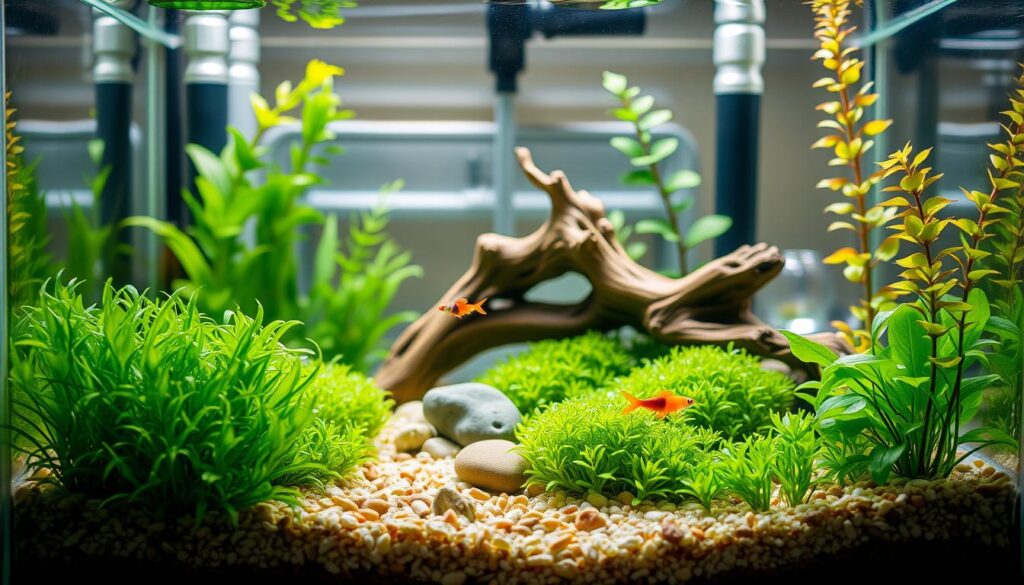
Keep a record of your aquascape details in short notes. List where you placed the rocks, where you put the frags, the type of substrate, and its depth. Also, note if you used live sand. Log each change, including why you made it, to keep your timeline clear.
Track your light schedules and intensity settings next to your photos. For AIO setups, note the watts per gallon. For LEDs, record the PAR or percent output. Describe how lighting changes affect your corals’ colors and growth in brief, dated entries.
Document where your display sits in the room. Note any nearby windows, heat sources, or heavy foot traffic. These can affect your tank’s appearance or promote algae growth. Short, dated notes help you spot patterns in your journal.
- Photographic checklist: front, side, close-up, macro of corals or plants.
- Camera log: model, settings, file names, and editing steps.
- Aquascape log: rock map, frag map, substrate type, and depth.
- Lighting log: schedule, intensity, watts-per-gallon note, PAR reading when available.
- Room placement note: window proximity, heat sources, and traffic effects.
Keep a wishlist for future upgrades and budget estimates. Include plans to replace fixtures, buy better rock, add a background, or change the stand. Add tentative timelines to make your tank documentation guide a practical plan.
Use short, dated entries and images together to build a visual history. This system helps you compare layouts, assess growth, and refine aesthetics over time in your aquarium journal.
Analyzing and Troubleshooting Issues
Begin by pinpointing a specific time frame. Look through your tank maintenance log for any changes in equipment, new fish, or shifts in water quality. Match these dates with photos and charts to find the first sign of trouble. This method turns keeping a maintenance log into a valuable tool, not just a chore.
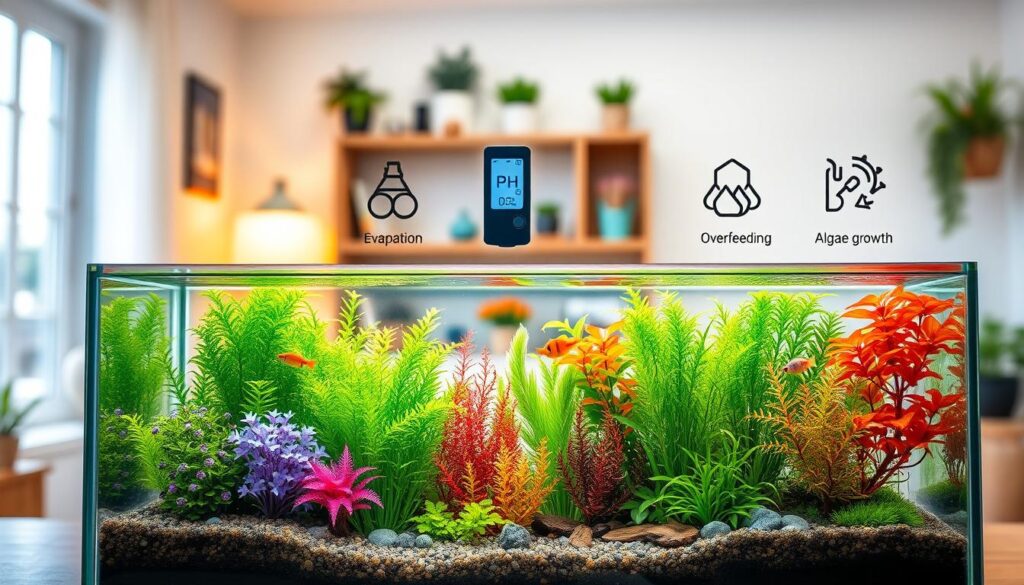
Link symptoms to possible causes. For example, brief heat spikes from lights can cause algae and stress in small tanks. If alkalinity drops, it might be due to inconsistent dosing. Without an automatic top-off system, salinity can fluctuate. Overfeeding or poor filtration often leads to high nitrates and phosphates. Your records help you quickly test these theories.
- Try to restore stable conditions from your log. Go back to the last known good state and note the date and time in your log.
- Do targeted water changes based on your past experiences. Record the water volume, salinity, and temperature before and after the change.
- Test phosphate, calcium, and alkalinity one by one. Record each result to see which parameter changes first.
- Remove suspect fish or substrate only after documenting symptoms and test results. Note the before-and-after effects in your log.
Next, check your equipment. Make sure the return pump, skimmer, and heater are working right. Use a thermometer or chart recorder to check the heater. Consider adding a temperature controller or a second heater for extra safety. Write down any repairs or swaps in your log.
If problems persist, seek help with your records. Include contact info for a trusted local fish store, reef forums, and authoritative resources in your journal. When you get advice, log who you talked to, the suggestion, the action you took, and the result. This helps speed up diagnosis and prevents unnecessary fixes.
Keep every change well-documented and brief. A detailed tank maintenance log shortens troubleshooting time, reduces unnecessary replacements, and guides you back to stability. It also helps document aquarium maintenance and track tank health effectively.
Sharing Insights with the Community
When you share tank details online, make it easy for others to help. Start with the date, recent water tests, and before/after photos. List your equipment, like Fluval or API test kits, so people know what you’re using.
Be clear about when the problem started and what you’ve tried so far. Reefers like Reef2Reef and TFH prefer quick, to-the-point posts. Mentioning test kit brands and recent results helps avoid repeated advice.
Use simple templates to share your tank’s progress. Include a weekly water test table, a list of fish and invertebrates, and a maintenance log. Add photos with a ruler or a standard-size frag plug for size reference.
Keep a journal for each big change in your tank. Note the exact amounts and products used, along with treatment timelines. This way, you can create case studies for future reference.
Always follow community rules when sharing tank updates. Read the forum rules, give credit where it’s due, and don’t share personal contact info. Keep track of vendor or product recommendations in your journal for future reference.
Share your successes by summarizing what worked for you. A short case study helps others and builds a useful archive for your future reference. Good posts combine clear data, real brands, and a timeline of actions.
Encouraging Future Improvements
Your journal should help you improve over time. Look over your notes each month and every quarter. This helps you see patterns in your tank’s water and how your fish are doing.
Use these insights to plan for better things like an ATO, dosing pumps, or even a sump. These upgrades can make your tank better.
Keep a detailed log of your tank’s upkeep. Note down the time and cost of each task. This helps you decide if buying automation is worth it.
For example, you might compare the cost of a RO/DI setup to using pre-mixed salt. Or, you could track how dosing systems like AutoFeeder/Remote help with water chemistry. These records help you make better choices.
It’s also important to record both your successes and failures. Note which fish or corals do well and which don’t. This helps you make better choices for your tank.
When you try new things, like changing the light schedule to fight algae, document everything. This way, you can repeat successful experiments and avoid mistakes.
Lastly, keep learning by adding new resources to your journal. This could be books, online forums, or even local fish store contacts. Update your journal as you learn more. This helps you make better decisions for your tank.
FAQ
What is the purpose of documenting your tank from day one?
Documenting your tank from day one helps you troubleshoot faster. It creates a baseline record. This way, you can quickly find the cause of problems like algae outbreaks or temperature spikes.
Why is a tank maintenance log specially important for nanos (under 15 gallons)?
Nanos have small water volumes, so changes happen quickly. A maintenance log helps track these changes. It records daily and weekly checks, enabling early detection and action.
Where should I place my journal and what system details should I decide before starting?
Choose a permanent spot for your tank and decide on the system type. This affects the tank’s temperature and the health of your fish. Record the tank size, hardware, and location for stable conditions.
What practical setup details should I record at the start?
Start by recording the tank size, hardware, substrate, and live rock. Note if you use RO/DI water or pre-mixed salt. Include manufacturer and model numbers for quick troubleshooting.
What mandatory fields should each entry include in a tank maintenance log?
Each entry should have the date, water temperature, and specific gravity. Also, include pH, ammonia, nitrite, nitrate, and any dosing. Note the test kit brands and units for verification.
How often should I test key parameters for a nano reef?
Test temperature and specific gravity daily for nanos. Test ammonia, nitrite, nitrate, and pH weekly. For reef tanks, test calcium, alkalinity, and phosphate weekly or more often during dosing changes.
What equipment details belong in an equipment log?
Record model numbers and settings for lights, skimmer, powerheads, pumps, heaters, and chillers. Note any quirks or calibration information for quick troubleshooting.
How should I document livestock and frag inventory?
Keep a detailed inventory with common and scientific names. Include size, date added, source, and feeding preferences. Update with any changes or observations.
What maintenance actions should be logged and how detailed should entries be?
Log water changes, cleaning, filter swaps, skimmer cleaning, and dosing. Include exact volumes and salinity of replacement water. Note any supplements added.
How do I chart algae growth and link it to causes?
Note algae sightings, type, coverage, and related events. Attach photos and use trend charts to relate algae to dosing or temperature changes.
What visual documentation should I include?
Include photos taken under consistent lighting, with date-stamped filenames. Keep before/after images of interventions and note scale references.
How should I structure troubleshooting notes for effective problem-solving?
Describe symptoms, corrective actions, and outcomes. Cross-reference with parameter logs and photos. Isolate timelines to identify triggers.
What redundancy and preventive measures should I document?
Record redundant equipment and regular inspections. Document reasons for upgrades and cost/time entries to evaluate automation.
How do I log medications, treatments, and disease outbreaks?
Record symptoms, medications used, and outcomes. Include dates and treatment durations. Note whether treatments were prophylactic or reactive.
What additional optional fields improve long-term value of a journal?
Include budget tracking, parts replaced, and forum threads referenced. Add monthly averages and time spent per session. Note any upgrades or advice.
How should I record test results and ensure they remain trustworthy?
Record exact test results with units and test kit brand. Use quality refractometers and calibrated thermometers. Note calibration dates for electronic equipment.
How can I prepare journal entries for sharing on forums or with LFS for help?
Provide dates, a concise timeline, parameter logs, photos, and equipment list. State steps already tried to avoid repetitive suggestions. Use anonymized templates.
What are common nano-specific problems and typical logged responses?
Common issues include heat spikes, salinity swings, low alkalinity, and nitrate/phosphate rises. Log corrective steps and recovery times.
How often should I review and update the journal format?
Review monthly and create quarterly summaries. Update templates as needed. Use documented outcomes to refine practices over time.
How do I track feeding and cleaning crew effectiveness?
Log food type, frequency, quantity, and livestock response. For cleaning crews, record species, counts, and effectiveness. Note any unintended consequences.
What checklist should each maintenance session include?
Include a checklist of checks: heater, skimmer, pump flow, ATO level, glass cleaning, and media cleaning. Record water change percentage and media actions.
How can I use the journal to plan stocking order and compatibility?
Use documented behavior and compatibility notes to decide stocking order. Record reasons for each decision and any adjustments made.
When should I escalate an issue to a trusted LFS or online expert?
Escalate when repeated interventions fail, see rapid deterioration, or face equipment failures. Include logs, photos, and steps taken when seeking help.
How can I use the journal to justify upgrades or professional help?
Track time and cost per session and parts replacement. Use monthly averages and trend charts to show the need for upgrades. Documented ROI helps decide between DIY or professional services.