Category: Maintenance

  • How to Handle a Green Water Outbreak in a Small Aquarium

    How to Handle a Green Water Outbreak in a Small Aquarium

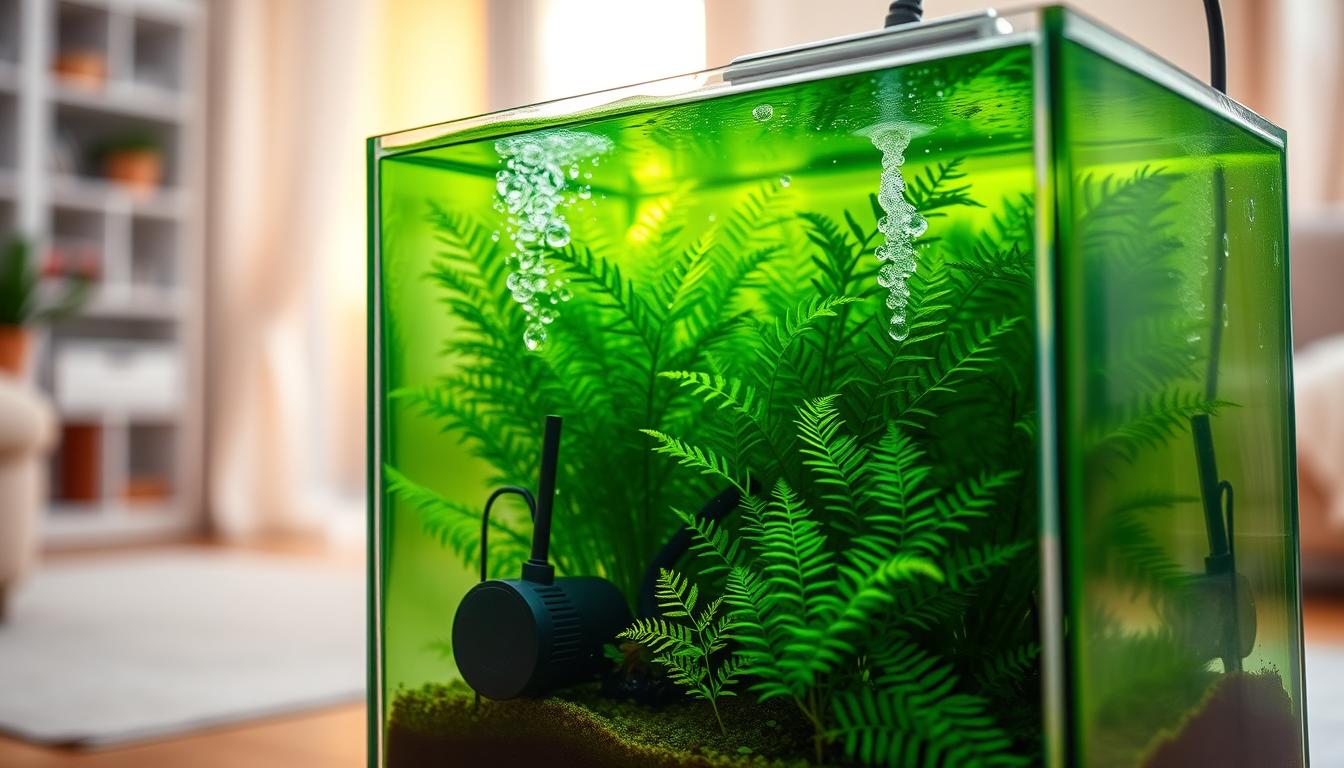
    When you approach your tank, you see water that looks like pea soup. Green water is a fast growth of tiny plants that makes it hard to see and stresses fish. This article will guide you on what to do and why it’s urgent for small tanks in the U.S.

    It offers clear steps to find the problem, treat the green water, and fix it for good. Quick fixes include a blackout, UV sterilizer, polishing pad, and water changes. But, these might not stop it from happening again.

    To really solve the problem, you need to address the main causes. These are too much light, too many nutrients, overfeeding, and not keeping up with tank care. The guide also shows how to control algae by testing regularly and stocking wisely. This keeps your tank clear and healthy.

    In this article, you’ll learn how to treat algae blooms safely. Follow these steps to get clear water and prevent future green water problems.

    Understanding Algae Blooms in Your Aquarium
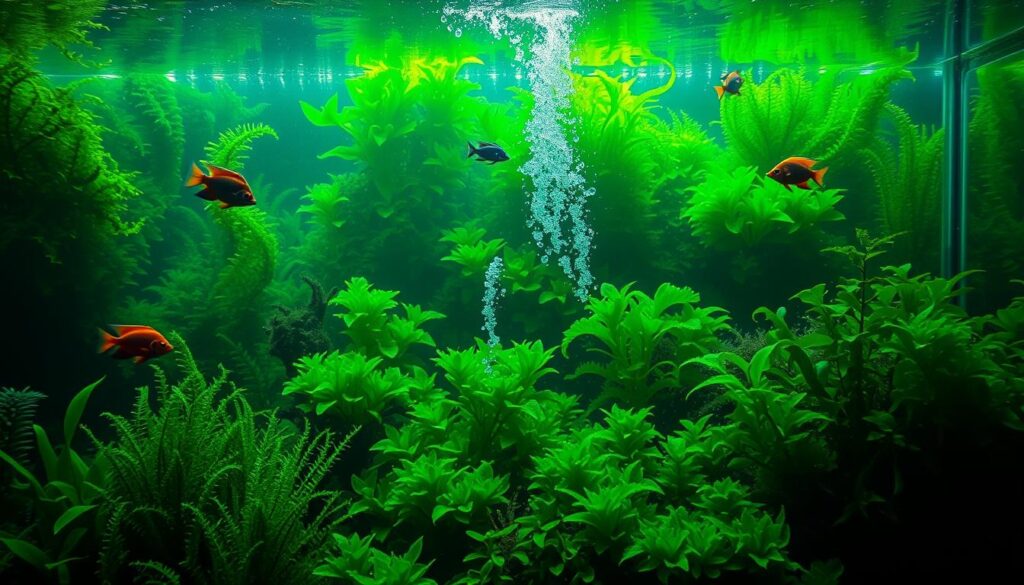
    A vibrant underwater scene showcasing an aquarium experiencing an algae bloom, with a rich variety of green hues. In the foreground, healthy aquatic plants and colorful fish swim playfully among the velvety green algae, illustrating the imbalance. The middle ground features swirling, thick patches of algae, with clusters of small air bubbles rising through the murky water, adding texture. In the background, subtle light filtering through the water creates a soft glow, revealing the aquarium’s glass sides and the reflections of light dancing on the surface. The overall atmosphere is a blend of beauty and chaos, inviting curiosity and concern, while emphasizing the need for understanding and management of algae blooms. The angle should reflect a slightly elevated view, capturing the entire aquarium layout without any distractions.

    Green water in a small aquarium is usually a rapid bloom of single-celled phytoplankton that float in suspension. This is different from surface films or algae attached to glass and rock. Knowing what causes algae blooms helps you target the right fix.

    Not all algae look the same. Brown diatoms are common in new tanks and tie to silicates and phosphates. Black beard algae grows bushy and tough. Hair or staghorn algae appears stringy when nutrients or light are out of balance. Green spot algae forms hard spots on glass linked to low phosphate or uneven light. Blue-green algae, actually cyanobacteria, makes a slimy mat and a distinct odor.

    Algae persist because they use broader light wavelengths and different nutrient compounds than your plants. They cope with poor conditions that plants find stressful. Total eradication is unrealistic. Your goal should be balance so algae stay minimal and unnoticeable.

    Some microalgae are helpful. Infusoria and phytoplankton cultures feed fry and support reef corals. During daylight they release oxygen and can act as biological filtration by consuming nitrates. Recognizing these benefits makes your approach less about elimination and more about control.

    The core drivers are light and nutrients acting together. Excess light or surplus nitrate, phosphate, or ammonia creates ideal conditions. If plants cannot use the available nutrients, algae will. Those pressures explain both sudden green water outbreaks and slow, stubborn patches.

    When you focus on overcoming algae blooms, you look at light scheduling, nutrient inputs, and plant health. Practical ways to manage algal blooms include reducing direct light, trimming excess feed, and improving plant uptake. Long-term algae bloom prevention comes from steady maintenance and balancing your tank’s ecology.

    Signs of Algae Overgrowth
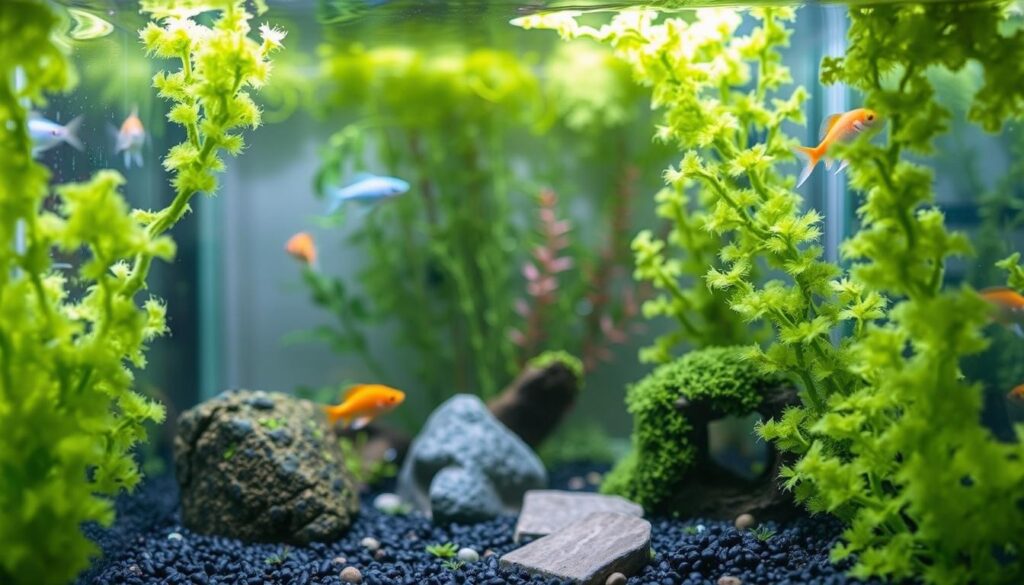
    A close-up view of a small aquarium exhibiting clear signs of algae overgrowth. In the foreground, vibrant green patches of algae cling to the glass walls, creating a textured, wavy effect. Mossy growth can also be observed on decorative rocks and substrate, adding to the lush scene. In the middle ground, a few aquatic plants are partially obscured by the thick green film, indicating an imbalance in the ecosystem. The background features colorful fish swimming through murky water, enhancing the sense of an overgrown environment. The lighting should be soft and natural, resembling sunlight filtering through the water surface, creating a tranquil yet concerning atmosphere. The focus is sharp, capturing the intricate details of the algae and the impacts on the aquarium's aesthetics.

    Look for a uniform pea-soup green tint that makes your tank look cloudy. This green water cuts light to bottom plants. It’s an early sign you need to take action.

    Check surfaces for other algae types. A dusty brown film on glass or rock points to diatoms. Black or gray bushy clumps on driftwood or stems suggest black beard algae.

    Fine, hair-like strands growing from decor or leaves are typical hair algae. Hard green dots on glass and slow-growing leaves usually mean green spot algae. Slimy mats that smell foul may be blue-green algae, also called cyanobacteria.

    Notice fish behavior and plant performance. Stressed or gasping fish at night can indicate oxygen dips tied to heavy algal loads. Plants that melt or show nutrient deficiency symptoms while receiving fertilizer may be suffering from light blockage by algae.

    If algae return quickly after you scrub or do a water change, that pattern hints at ongoing nutrient or lighting issues.

    • Frequent blooms after tap water changes can point to high nitrate or phosphate in your source water.
    • Blooms that follow overfeeding or a pet-sitter visit often trace back to feeding-induced nutrient spikes.
    • Tanks near sunny windows or bright room lights can develop algae from too much natural light.

    Identifying these signs of algae overgrowth helps you target fixes. Use the clues from appearance, behavior, and recurrence. Decide whether to cut light, adjust feeding, test source water, or step up maintenance.

    Testing Your Water Parameters

    First, test for ammonia, nitrite, nitrate, phosphate (PO4), and general hardness. Use trusted freshwater kits from API or Seachem for accurate readings.

    Check your tap water before adding it to the tank. High nitrate or phosphate can make it hard to fight algae and treat blooms.

    Any ammonia or nitrite means your tank is cycling badly, you’re feeding too much, or it’s too crowded. These issues cause green water in new tanks and after fish die-offs.

    • Target nitrate: many planted setups prefer under 20 ppm. High nitrate means more water changes and less nutrients.
    • Target phosphate: keep it as low as possible. Small phosphate levels can feed algae, so avoid fertilizers that raise it without plant use.

    Check results weekly to see how changes affect your tank. This helps you know which treatments work best.

    If levels stay high, look at feeding, stocking, and supplements. Use RO/DI water if tap levels are always high.

    Testing your water gives you the data to fight algae. Use these numbers to set goals and choose the right treatments to reduce algae.

    Prevention Strategies for Algae Blooms

    Keep light under control to limit algae growth. Avoid placing your tank in direct sun or next to bright windows. Use a timer for aquarium lighting and set non-planted tanks for 6–8 hours daily; planted tanks need 8–12 hours depending on species and CO2.

    Feed conservatively to reduce excess nutrients. Offer only what fish eat within two minutes, once or twice a day. Many hobbyists skip feeding one day per week to cut nitrates and help with preventing algae overgrowth.

    Follow a steady maintenance routine to stay ahead of issues. Aim for at least 10% weekly water changes or 20% when possible. Siphon uneaten food and vacuum substrate lightly unless you have a newly cycled or heavily planted system.

    • Choose fast-growing stem and floating plants like hornwort, water sprite, or Salvinia to outcompete algae for nutrients.
    • Well-planted tanks often resist severe outbreaks and reduce the need for chemical fixes.

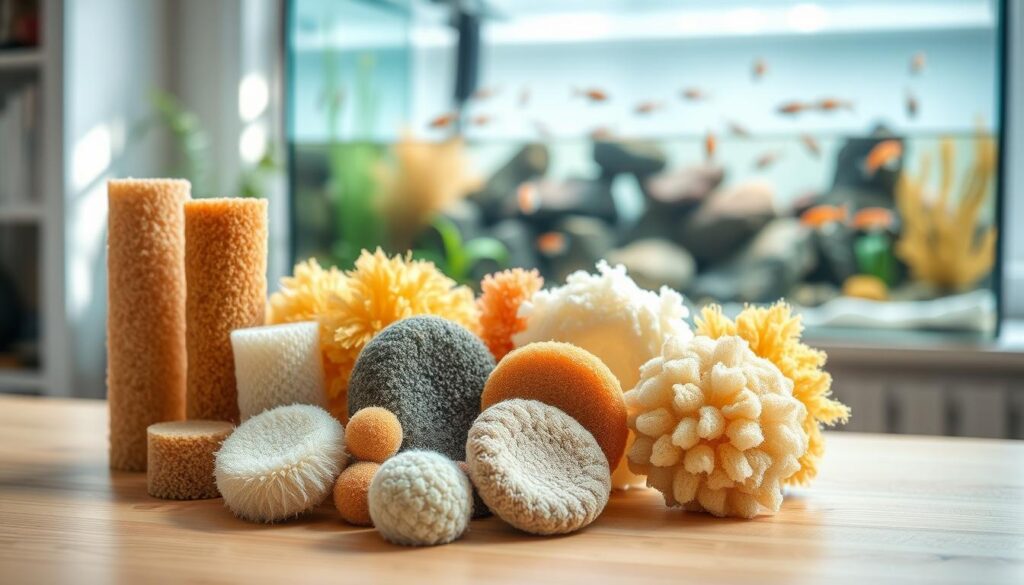
    Service filters and check flow to avoid dead spots that favor cyanobacteria. Replace hang-on cartridges monthly, clean mechanical media, and refresh activated carbon every 4–6 weeks. Good circulation helps with algae bloom prevention.

    Test tap water for nitrates and phosphates. If levels run high, use RO/DI water and reconstitute with trusted products such as Seachem Equilibrium or Aqueon Water Renewal. That step supports long-term strategies for combating algae blooms.

    Dose fertilizers with care. Tanks without injected CO2 require lighter dosing. Measure net water volume accurately when dosing to prevent nutrient spikes that encourage algae.

    For overall success, combine these best practices for algae control into a routine you can follow every week. Small, consistent steps will reduce nutrient buildup and make preventing algae overgrowth much easier.

    Physical Removal Techniques

    Quickly reduce algae in water with hands-on methods. Start with the blackout method for free-floating phytoplankton or some cyanobacteria. Turn off lights and cover the tank with opaque material for up to seven days. Keep pumps and aeration running. Uncover briefly to feed if needed.

    Watch live plants closely because stress or die-off may raise ammonia. This might require follow-up water changes.

    Manual removal is effective for attached algae like hair algae, black beard algae, and green spot. Use algae scrapers, old toothbrushes, razor blades on glass, or plastic cards for acrylic tanks. Pull out heavily infested plants and decorations and treat them separately.

    A short hydrogen peroxide soak can help remove stubborn black beard algae from hardscape and plant leaves.

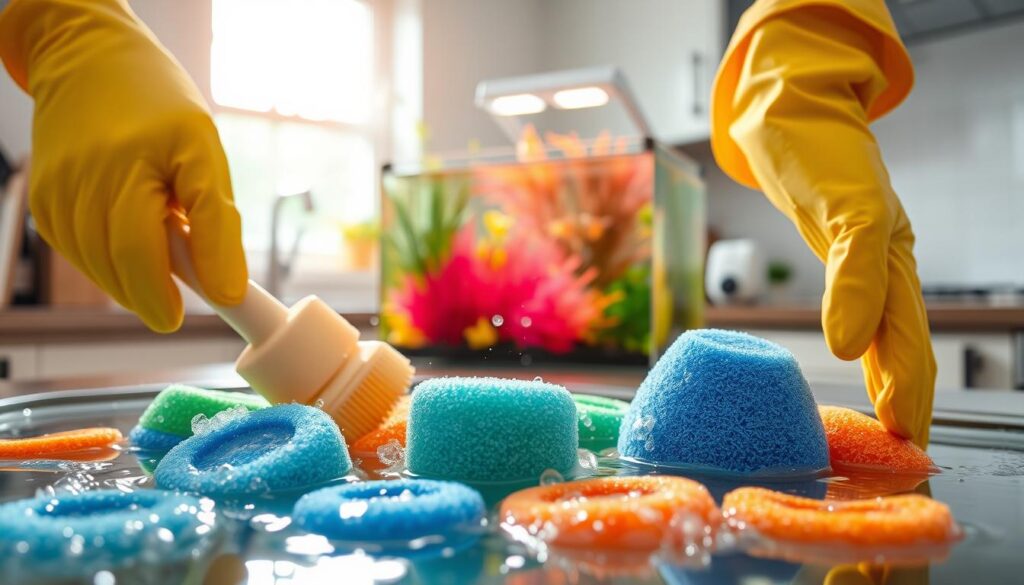
    Add fine mechanical filtration to support reducing algae in water. Filter floss, polishing pads, or filter socks placed downstream of your main filter will trap suspended particles. Replace or rinse these pads often so they do not become nutrient sources themselves.

    During routine water changes, vacuum the substrate to remove detritus and decomposing matter that feed blooms. Regular gravel cleaning lowers nutrient levels and is one of the simplest ways to manage algal blooms in small aquariums.

    For very clear results, consider a diatom filter when you need extra polishing. Diatomaceous-earth filters remove microscopic particles, including suspended algae, and can produce crystal-clear water. These units cost more, but they are a useful tool among the practical ways to manage algal blooms in setups that tolerate periodic external filtration.

    • Blackout method: block light up to 7 days; keep pumps on.
    • Manual scraping: scrapers, toothbrushes, razor blades or plastic cards.
    • Pre-treat items: remove and soak decorations or plants if infested.
    • Mechanical polishing: filter floss, polishing pads, filter socks.
    • Substrate care: vacuum during water changes to cut nutrient input.
    • Diatom filtration: for microscopic particle removal and clear water.

    Chemical Solutions for Algae Control

    When green water or spotty growth shows up, chemical options can help quickly. UV sterilizers like the Aqueon QuietFlow UV for tanks up to 40 gallons or Coralife Turbo-Twist for larger tanks are good for algae. Place the unit inline or in your sump and match the flow rate to the UV rating for best results.

    Over-the-counter algaecides like Aqueon Algae Remover can cut down visible growth. But, use these products only as a last resort. Chemical solutions don’t fix nutrient or lighting issues. Remove activated carbon and other chemical media before dosing and follow the manufacturer’s directions for your tank size.

    For tough patches like black beard algae, a 3% hydrogen peroxide spot treatment can work. Treat items out of water for about five minutes, rinse well, then return them to the tank. Avoid broad application near live plants and invertebrates to limit harm.

    Severe cyanobacteria outbreaks may respond to erythromycin-based products like Maracyn when used carefully. Follow package dosing—often one packet per ten gallons—and repeat as directed. Understand that antibiotic use can disrupt beneficial bacteria and may promote resistance, so reserve this option for extreme cases.

    • Monitor parameters closely after any chemical dosing.
    • Prepare for oxygen drops and ammonia spikes by increasing aeration and planning timely water changes.
    • Keep chemical use targeted and short-term to protect your tank’s biological balance.

    Adopt best practices for algae control by pairing treatments with source fixes. Cut excess feeding, reduce light duration, and improve filtration. Chemical treatments can remove visible algae, but the most durable results come from correcting the root causes that allow blooms to return.

    Introducing Natural Algae Eaters

    You can cut down on algae by adding natural eaters that fit your tank’s algae. Nerite snails are great for green spot algae. Amano shrimp and Siamese algae eaters are good for hair and filamentous algae. Otocinclus catfish eat soft algae and diatoms.

    Choose the right species for your algae and water conditions. Florida flagfish and some Siamese algae eaters can handle black beard algae in certain setups. Remember, no single cleaner can solve all problems.

    Use these helpers along with controlling nutrients and light to manage algae. Algae eaters clean the surface, not green water. So, pair them with biological control, water changes, and less light.

    When adding new animals, follow best practices for algae control. Make sure they’re compatible with your fish, tank size, and temperature. Give them hiding spots and extra food to stay healthy if algae levels go down.

    • Amano shrimp — effective on hair and filamentous algae.
    • Nerite snails — eat green spot algae; they won’t breed in freshwater.
    • Siamese algae eaters — target tough filamentous types, including some BBA.
    • Otocinclus catfish — gentle grazers for soft algae and diatoms.
    • Florida flagfish — useful for some stubborn patches in compatible tanks.

    Stock your tank carefully and watch your cleanup crew. Don’t rely only on animals for algae control. By combining these helpers with good algae management, you’ll keep your aquarium balanced in the long run.

    Enhancing Lighting Conditions

    Control light duration to keep your tank stable. For non-planted aquariums, limit artificial light to six hours or less each day. For planted tanks, set a schedule between eight and twelve hours based on plant needs and whether you use CO2.

    Use timers to maintain consistent photoperiods and prevent accidental extended lighting that can lead to algae spikes. Gradual changes work best; alter photoperiod or intensity over days and monitor plants and fish for two to three weeks.

    Avoid direct sunlight on the aquarium. Move the tank away from bright windows or install blinds. If the room is bright, consider keeping the aquarium light off during daytime or reducing its intensity to help with reducing algae in water.

    Choose LED fixtures with dimming or spectrum control so you can fine-tune output. Plants need specific wavelengths while algae thrive on broader spectrums. Dialing back intensity and favoring plant-friendly spectra can aid in preventing algae overgrowth.

    Balance light with nutrient management. Over-lighting combined with limited nutrient uptake by plants often favors algae. Excess nutrients paired with low light can do the same. Adjust dosing and feeding when you change lighting to support plant growth and reduce algae in water.

    • Set timers for consistent on/off cycles.
    • Reduce peak intensity if algae persist.
    • Make changes slowly and watch plant response.

    Follow these steps and you will strengthen tank stability, making lighting adjustments a practical tool for preventing algae overgrowth while supporting healthy plants and livestock.

    Monitoring and Maintenance Practices

    Keep a simple testing schedule to track ammonia, nitrite, nitrate, and phosphate. Write down results and note any actions like water changes, dosing, or feeding adjustments. This record helps you spot trends and shows how your monitoring and maintenance practices affect algae levels.

    Set a weekly routine: a 20% water change, siphon the substrate, remove visible debris, and check filter flow. Rinse mechanical media when it clogs. These tasks follow best practices for algae control and cut nutrient sources that feed green water outbreaks.

    Adopt monthly chores: replace filter cartridges, service canister filters, and swap activated carbon or chemical media every four to six weeks. Clean impellers and check tubing for blockages so circulation stays strong and you reduce stagnant spots where algae thrive.

    Manage flow and filtration to avoid dead zones. Add a small powerhead or air stone if water movement is weak. Proper flow supports biological filtration and makes it easier to control how to control algae growth in hidden corners.

    Feed sparingly and measure fertilizer doses. If you do not run CO2 or your plant cover is thin, cut back on nutrients. Dose liquid fertilizers based on actual water volume after subtracting substrate and decorations to prevent excess that encourages algae.

    Change one variable at a time and wait two to three weeks to judge results. Plant health and algae response take time to show. Patient recordkeeping and steady application of the best practices for algae control deliver the clearest path to long-term stability.

    Seeking Professional Help

    If green water or algae keeps coming back, it’s time to get help. Look for a local aquarium store with experts. They can also be an aquatic consultant or a trusted online service for in-person checks.

    These professionals use top-notch test kits like API or Seachem. They can do detailed water chemistry tests that you might not catch at home.

    Experts can give you specific plans to fight algae in your tank. They might suggest RO/DI water, filter upgrades, or the safe use of algaecides. They’ll also guide you on stocking, feeding, and choosing algae eaters to prevent future problems.

    Be ready for some costs, but think about the damage of not fixing it. A pro can fix severe cases and create a plan to keep your tank healthy. If you see fish dying or water chemistry issues, get help fast to save your tank and its life.

    FAQ

    What exactly is green water and why does it happen?

    Green water is when tiny plants in the water turn it green and make it hard to see. It happens when there’s too much light and nutrients in the water. Tanks that are new or have too much food are more likely to get green water.

    How quickly can a green water bloom develop and how long will it last?

    Blooms can start in just a few days if the conditions are right. How long it lasts depends on what you do. Quick fixes like using a UV sterilizer can clear the water in a few days. But if you don’t fix the root causes, it will come back in weeks.

    Is green water dangerous to my fish and invertebrates?

    Green water itself isn’t usually toxic. But it can make it hard for plants to get enough light. It can also lower oxygen levels at night. If the algae die off, it can make the water toxic to fish and invertebrates. So, it’s important to watch the water closely during treatment.

    What quick steps can I take tonight to clear green water?

    Start by covering the tank and turning off the lights. Keep the pumps and air running. Use a polishing pad or fine filter to catch the algae. If you have a UV sterilizer, turn it on. Do partial water changes if you see ammonia rising or after any algae die-off. These steps can clear the water fast, but they’re not a long-term solution.

    How do I interpret test results during a bloom? Which tests matter most?

    Test for ammonia, nitrite, nitrate, and phosphate. Any ammonia or nitrite means there’s a problem. High nitrates and phosphates mean there’s too much food for the plants. Also, test your tap water to see if it’s adding to the problem.

    How often should I water-change and vacuum my substrate to prevent blooms?

    Change about 10% of the water every week or 25% every two weeks. Many people do 20% weekly. Vacuum the substrate during changes to remove waste. If nitrates or phosphates keep going up, you might need to change more water.

    Will feeding less help control algae growth?

    Yes, feeding less can help. Too much food is a big source of nutrients for algae. Feed only what fish eat in about two minutes, once or twice a day. Consider skipping a day of feeding each week. Don’t feed too much during algae outbreaks and clean up any uneaten food right away.

    Can adding live plants prevent green water?

    Yes, live plants can help. Fast-growing plants like hornwort and water sprite compete with algae for nutrients. Well-planted tanks usually have fewer algae problems because plants use up the nutrients algae need.

    How effective are UV sterilizers for green water, and which models work for small tanks?

    UV sterilizers are very good at killing algae when they’re the right size and set up right. For small tanks, compact models like the Aqueon QuietFlow UV or Coralife Turbo-Twist can clear green water in days. Make sure to install them correctly and follow the manufacturer’s flow rate recommendations.

    Are polishing pads or finer mechanical filtration worth adding?

    Yes, they are. Using polishing pads or filter floss after coarse filters can trap tiny algae particles and make the water clearer. But, you’ll need to replace or rinse them often because algae can clog them up fast.

    Should I use chemical algaecides to treat green water?

    Chemical algaecides can help, but they should be a last resort. They don’t solve the root problem and can harm plants, invertebrates, or beneficial bacteria. If you use them, follow the instructions carefully and be ready to do water changes if your fish or plants show stress.

    How do I safely perform a blackout and what risks should I watch for?

    To do a blackout, cover the tank and turn off the lights for up to seven days. Keep the filters and air pumps running. If you need to feed, uncover briefly. Watch for plant stress and rising ammonia from dying plants. Test the water daily and be ready to do water changes and boost aeration if ammonia goes up.

    Can I use hydrogen peroxide to treat algae?

    3% hydrogen peroxide can be used to treat tough algae like black beard algae. Soak removed decor or apply it carefully to affected leaves out of water for a few minutes and then rinse well. But, use caution with live plants and animals. Avoid using it in the tank unless you understand the risks.

    What algae eater species work best in small freshwater tanks?

    Good choices include Amano shrimp, nerite snails, otocinclus catfish, Siamese algae eaters, and Florida flagfish. They help control algae, but they’re not a complete solution. Match the species to your tank’s size, water conditions, and the type of algae you have.

    Why does algae come back after I clear it?

    Algae comes back if you haven’t fixed the root cause. This could be too much food, too much light, or not enough plants. Keep track of your feeding, test your water, adjust the lighting, add plants, and maintain regular water changes to prevent it from coming back.

    How should I adjust aquarium lighting to minimize algae without harming plants?

    Limit the light time with a timer. For non-planted tanks, use 6–8 hours of light. For planted tanks, use 8–12 hours, depending on the plants and CO2. Avoid direct sunlight. If algae persists, gradually reduce the light intensity or duration over 2–3 weeks. Use dimming features on LEDs if available.

    When are fertilizers appropriate, and can they cause algae?

    Fertilizers help plants grow but can fuel algae if plants can’t use all the nutrients. Use them sparingly, and only in tanks without CO2 or with sparse plants. Consider the actual water volume and avoid phosphate spikes. Test before adding and adjust based on plant uptake and algae response.

    How do I know if my tap water is contributing to algae problems?

    Test your tap water for nitrate and phosphate. If you find any, consider using RO/DI water for top-offs and changes. Many hobbyists mix RO water with additives like Seachem Equilibrium to keep minerals without adding nitrates or phosphates.

    Should I rely solely on algae-eating animals to control algae?

    No. Algae eaters can help control visible algae but can’t stop green water or replace good care. Use them as part of a broader plan that includes nutrient control, lighting management, plant competition, and regular maintenance.

    What maintenance schedule will help prevent algae blooms?

    Weekly tasks include a 20% water change, vacuuming the substrate, removing debris, and checking filter flow. Monthly tasks include replacing filter cartridges and servicing canister filters. Change activated carbon every 4–6 weeks. Regularly test the water and keep a log to spot trends before blooms appear.

    When should I seek professional help for persistent algae?

    If green water or other algae types don’t go away with standard treatments, or if you see fish deaths, seek help. Local aquarium stores, aquatic consultants, or services that offer RO/DI, diagnostic testing, and equipment recommendations can help.

    Can diatom filters or other specialty filters help with green water?

    Diatom filters can make water very clear by removing tiny particles, including algae. They’re more expensive and used less often. They’re a good tool for quick, clear water if you’re addressing the root causes of algae.

    What should I track to understand and prevent future blooms?

    Keep track of test results, maintenance actions, feeding amounts, stocking changes, and lighting schedules. By tracking these over weeks, you can find patterns and take steps to prevent algae blooms.
  • How to Remove Clogs and Slime from Small Air and CO2 Lines

    How to Remove Clogs and Slime from Small Air and CO2 Lines

    If you have aquarium CO2 systems, pneumatic controls, or HVAC condensate lines, you know how important small tubes are. Keeping them clear is essential for smooth flow and reliable operation. It also helps avoid expensive downtime.

    Clogs can come from algae, mold, biofilm, dust, mineral scale, and debris. These blockages can reduce flow and cause intermittent operation. They might even trigger safety shutdowns or lead to water damage or equipment failure.

    This guide will show you how to clean airline tubing yourself. You’ll learn safe ways to shut off power, find lines and access points, and do basic inspections and cleanings. The aim is to help you handle maintenance and know when to call a professional.

    There are similarities with AC condensate drain problems. Moisture can cause slime and biofilms, increasing energy use and repair costs if ignored. This article will discuss signs of blockages, tools needed, a step-by-step cleaning process, tips for tough clogs, prevention, risks of neglect, troubleshooting, and environmental considerations for cleaning air and CO2 lines.

    Understanding Airline Tubing and Its Importance

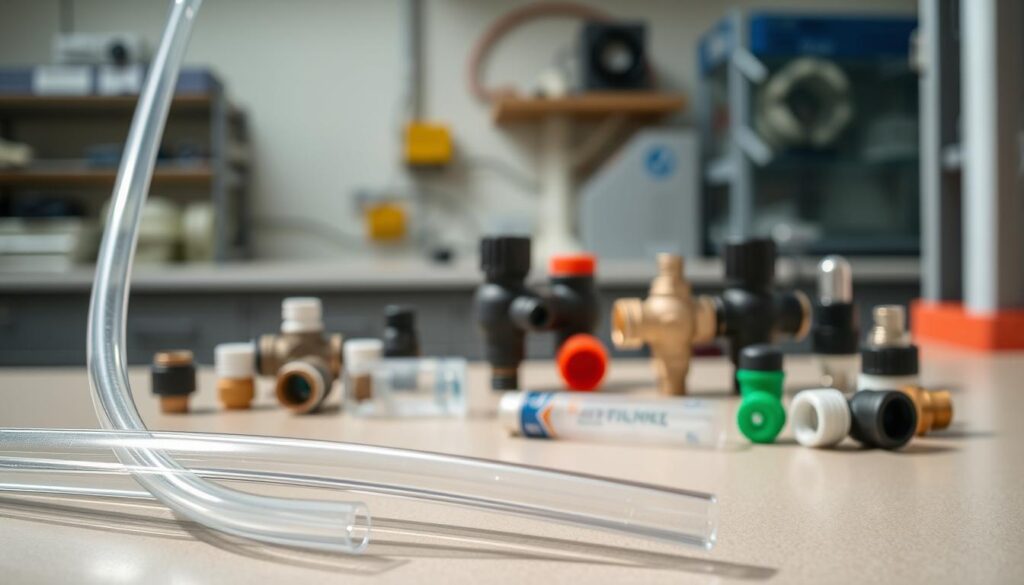
    Airline tubing materials displayed in a detailed and informative manner, focusing on various types of clear and colored tubing, connectors, and fittings. In the foreground, showcase a close-up view of flexible PVC tubing, with glistening surfaces indicating clarity and cleanliness. In the middle ground, arrange a set of connectors and valves, emphasizing their intricate designs and functionality, all set against a smooth, neutral-colored work surface. The background should feature a blurred out laboratory or workshop setting, subtly hinting at a professional environment. Natural lighting should illuminate the scene, creating soft shadows for depth, while a slight overhead angle adds a dynamic perspective. The overall mood is technical and instructive, suitable for an educational context.

    Airline tubing is small, flexible tubing for air or CO2. It’s made from materials like PVC, silicone, polyurethane, and polyethylene. PVC is used in HVAC systems, while silicone and polyurethane are in aquariums and instruments.

    This tubing is key for air or CO2 flow. It’s used for aeration, dosing, control, and drainage. Its small size means even a little buildup can harm the system.

    It faces many challenges. Moisture and organic matter cause algae and mold. Hard water leaves deposits, and debris can get in. Biofilms reduce flow and pressure by sticking to the walls.

    Lessons from HVAC maintenance help with small lines. Cleaning coils and pans prevents clogs. Keeping small lines clean does the same.

    Proper care keeps flow steady and prevents problems. Avoid harsh treatments on aluminum and choose the right cleaning method. This also keeps air quality good and prevents overflows or shutdowns.

    Signs of Blockages in Airline Tubing

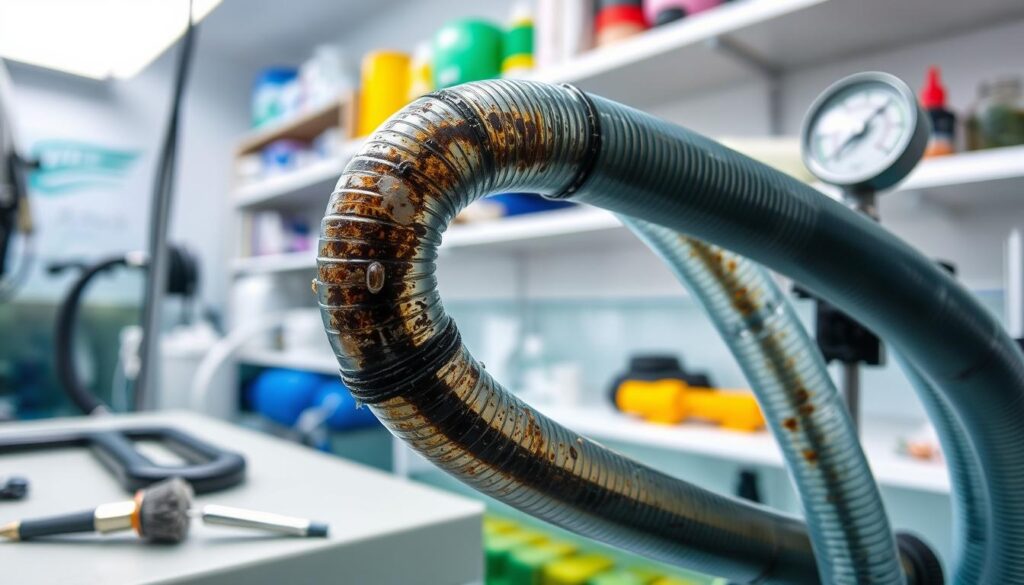
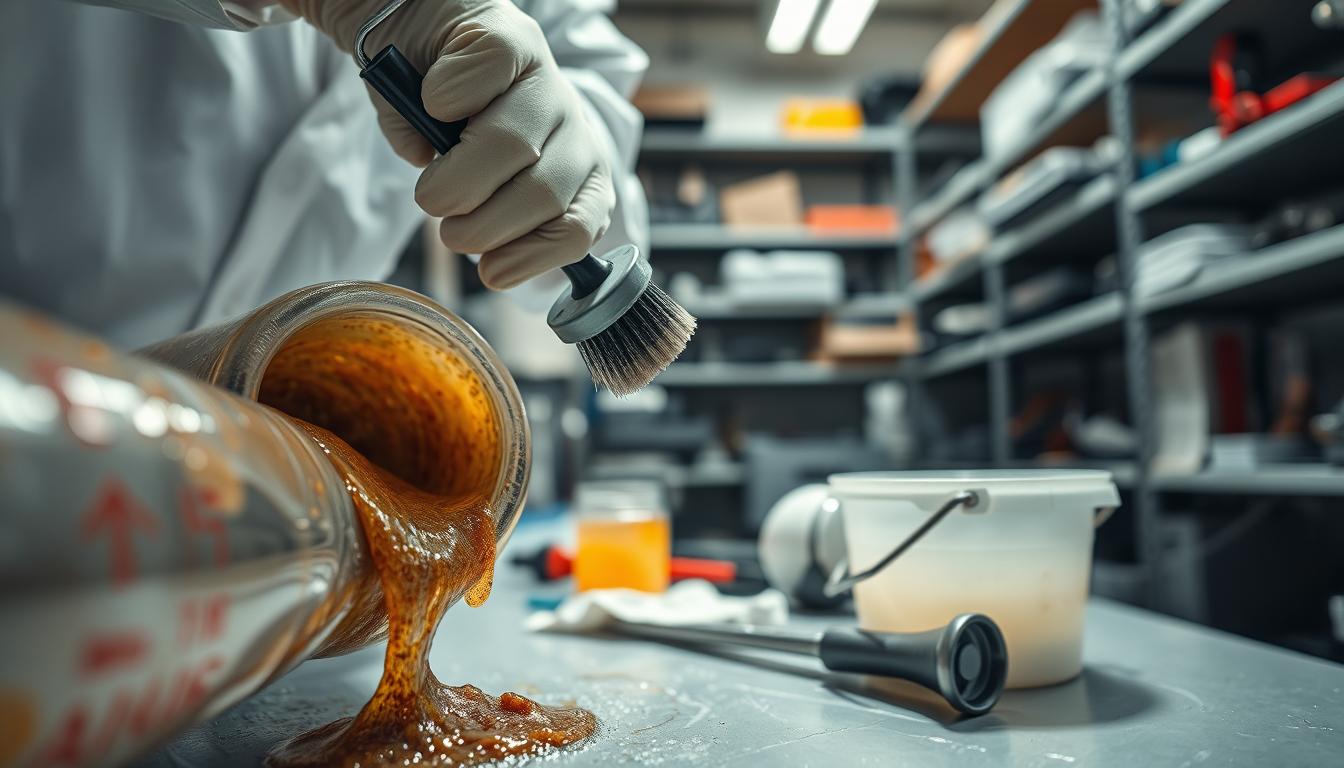
    A close-up view of airline tubing showing clear signs of blockages, with vivid details illustrating clogs, slime, and residue. In the foreground, focus on the tubing, revealing darkened areas and visible obstructions that suggest poor airflow. The middle ground features a workstation with tools for maintenance, including a small cleaning brush and pressure gauge, providing context. The background includes blurred shelves stocked with aquarium supplies, enhancing the environment. The lighting is bright and clinical, simulating an industrial workspace, while the angle captures the tubing from a slightly elevated perspective, emphasizing the blockages. The mood is informative and technical, suitable for an educational article, with a sterile, professional atmosphere.

    Knowing how to spot clogged airline tubing can help catch problems early. Look for reduced or no airflow or CO2 flow at the endpoint. If a regulator shows low pressure or gauges drop suddenly, it might be blocked.

    Listen for sputtering or intermittent delivery when the system runs. Gurgling or slow trickling in condensate drains often points to partial clogs. HVAC techs often notice condensate backing up into the overflow pan as an early alarm.

    Watch for visible slime or discoloration at access points and vents. Vacuuming or blowing the line can reveal sludge or stringy biofilm. Unusual musty odors near vents signal mold or bacterial colonies inside tubing.

    Behavioral clues matter. Recurring clogs after short fixes typically mean persistent biofilm or zooglea. Frequent trips of float switches or overflow safety devices are strong airline tubing maintenance signs that flow is impaired.

    • Reduced or no airflow/CO2 flow
    • Sputtering or intermittent delivery
    • Pressure loss on gauges
    • Condensate backup or overflow into pans
    • Tripped float switches on HVAC systems
    • Unusual musty odors and visible slime

    Spotting these indicators early helps prevent water damage and stops microbes from affecting indoor air quality. You protect system efficiency and avoid premature failure when you pay attention to how to spot clogged airline tubing and follow airline tubing maintenance signs.

    Tools Needed for Cleaning Airline Tubing

    Before you start, gather the basics. Wear gloves and eye protection. Have a flashlight, bucket, and clean water for flushing. A garden hose is great for initial rinses.

    Use small flexible brushes or pipe cleaners that fit the tubing ID. They help remove slime near fittings. A wet/dry shop vacuum is strong enough to pull sludge from the outlet end.

    • Seal the tubing end with tape or foam for an airtight fit with the shop vac.
    • Vacuum from outside while capping risers or access ports near the unit. This draws material through the entire run.

    For pressure cleaning, use compressed air or a CO2 cartridge gun. Field pros suggest blowing from the unit toward the outside while vacuuming from the outlet. This stops sludge from being pushed back into coils or drain pans.

    Mechanical tools can tackle deeper clogs. A drain snake, flexible plastic hose cut at an angle, small zip ties, or fish tape can probe and pull out blockages. Use electrical snakes for severe obstructions with caution to avoid damage.

    Chemical and treatment options can speed up cleaning and prevent regrowth. Use distilled white vinegar, household bleach, and 3% hydrogen peroxide for sanitizing. Enzymatic drain cleaners and quaternary ammonium condensate tablets treat biofilm.

    • Commercial coil and drain line cleaners, and automatic dosing systems like FloXtreme or iFlo, help keep lines clear over time.
    • Always use PPE and ensure good ventilation when handling chemicals.

    Focus on safety tools and procedures. Use masks for fumes, turn off equipment, and flip breakers near electrical components. Good ventilation protects you and boosts chemical effectiveness.

    Follow this guide to pick the right tools for cleaning airline tubing. The right mix of suction, pressure, mechanical, and chemical tools is key. These tools are the foundation for effective cleaning and prevent future blockages.

    Step-by-Step Guide to Cleaning Airline Tubing

    Follow these steps to clean airline tubing safely and avoid damage. First, turn off the system at the thermostat and switch the circuit breaker off. Make sure to cut water and air flow to the line before you start.

    Next, find the tubing run and access points. For HVAC condensate lines, look for the PVC drain line, risers, and outdoor outlet. For aquarium CO2 or pneumatic setups, find the tubing ends, check valves, and fittings to access restricted spots.

    Remove caps and inspect the tubing. Take off drain caps or access plugs and use a flashlight to check for slime, algae, or debris. Wear gloves to protect your hands during this step.

    1. Vacuum or suction out debris. Attach a shop vac to the outlet end and seal it airtight; cap other risers to increase suction. Run suction for several minutes, then check for removed sludge.
    2. Probe mechanically if needed. Use a flexible hose, snake, fish tape, or a bent zip tie to gently break up clumps in horizontal runs. Slide angled plastic tubing to dislodge blockages near pans when reachable.
    3. Apply a chemical clean. Pour a cup of distilled white vinegar into the access port and let it sit 15–30 minutes for routine cleaning. For stubborn biofilm consider hydrogen peroxide as a milder alternative. Follow product instructions when using enzymatic or quaternary cleaners and limit bleach use due to corrosion risk.
    4. Flush with water. Run clean water through the line until the discharge runs clear. Use a garden hose or pour water slowly to rinse dislodged debris. For HVAC, flush until the outdoor outlet clears.
    5. Re-cap and test. Reinstall access caps securely, restore power, and run the system. Watch for gurgling or overflow that signals remaining blockage.

    Record what you did and set reminders for routine upkeep. Note the date and method used, then schedule monthly or seasonal checks. Consider automatic cleaners for hands-off protection as part of your airline tubing upkeep techniques.

    Removing Stubborn Clogs

    When basic cleaning doesn’t work, you need stronger methods. Start with a long, flexible snake or an electric drain auger. These tools can reach deep into the system. Move slowly to avoid damaging the tubing or bending the coils.

    Use pressure carefully. An air compressor or a CO2 cartridge gun can blast the clog. Aim from the unit to the outside. Have someone vacuum the outlet end to catch the debris.

    For tight spots, try a fishing technique. Insert a small-diameter hose or a plastic line cut at a 60-degree angle. Use compressed air to break the clog and push debris out. Fish tape or a bent zip tie can help find the clog.

    Combine mechanical action with safe chemicals for organic biofilm. Use enzymatic drain cleaners or hydrogen peroxide to break down residue. These options are safer than heavy bleach. Always follow the product directions.

    • Watch for repeat issues or signs of corrosion.
    • If clogs keep coming back, access is hard, or you think there’s metal damage, call a licensed HVAC technician like those from Trane or Carrier.

    Be careful before you start. Blowing toward the air handler can push gunk back into the drip pan. Using too much bleach can harm aluminum parts. Aggressive tools can damage small tubing or coils.

    Follow this guide for cleaning airline tubing. Use careful tools, measured pressure, and targeted chemicals. This approach reduces downtime and protects your system.

    Preventing Future Clogs in Airline Tubing

    Make a simple maintenance plan. Flush drain and access ports with vinegar every month to stop slime buildup. Also, get professional tune-ups for your HVAC system every six months to keep coils and drains clear.

    Use tools to make maintenance easier. Quaternary ammonium condensate tablets keep pans clean. Enzymatic treatments break down organic matter slowly. Automatic dosing systems like FloXtreme and iFlo meter eco-friendly cleaner, saving you from manual work.

    Keep the area around condensers clean. Remove leaves, dirt, and debris to prevent organic load buildup. Change HVAC filters every one to three months to reduce dust and mold that cause clogs.

    • Prefer vinegar or enzymatic cleaners for routine work to protect metal parts.
    • Reserve bleach for rare, tough clogs and apply it cautiously to avoid corroding aluminum coils.
    • Maintain P-trap water level; add a few drops of mineral oil in winter to slow evaporation and keep traps from drying out.

    Check airline tubing at least once a year and after heavy-use seasons. Look for recurring symptoms to act early and avoid major blockages and water damage. These checks are key to preventing clogs airline tubing and to following best practices for cleaning airline tubing.

    Keep a short log of treatments and dates. This helps you follow tips for maintaining airline tubing and shows trends that point to worsening issues. Early action saves time, money, and the frustration of unexpected clogs.

    Understanding the Risks of Neglecting Cleaning

    Ignoring small air and CO2 line care can lead to big problems. You might notice reduced airflow and system inefficiency right away. Water can also back up into drip pans or living spaces, triggering safety switches and shutting systems down.

    Mold and bacteria, like zooglea, grow inside tubing if not cleaned. This growth can release spores and odors, harming indoor air quality. It can also worsen asthma or allergies in people living there.

    Equipment wears out faster with clogged lines. Clogs put more strain on compressors and blowers. If you use harsh cleaners wrong, you might see coil corrosion. Neglecting maintenance can also shorten your system’s life.

    Using bleach or strong chemicals without the right guidance is risky. It can release harmful fumes and damage aluminum coils. Mixing cleaners can create toxic gases. Excess runoff can harm septic systems and local waterways.

    Ignoring upkeep can cost you a lot. You’ll face higher energy bills, emergency repairs, and water damage restoration costs. Regular checks and gentle cleaning save money by avoiding big failures and mold problems.

    Knowing the risks of neglecting airline tubing maintenance helps you plan better. Regular inspections and gentle cleaning protect your system’s performance, indoor air quality, and your wallet.

    Troubleshooting Common Issues Post-Cleaning

    If problems persist after cleaning, first check if power is fully restored and the system has cycled fully. Look for any partial clogs or air pockets in the tubing that might cause sputtering. Make sure caps and risers are sealing properly.

    If water keeps flowing into the pan or overflows, there might be a blockage between the trap and pan. Or, there could be an internal restriction near the coil. Try vacuuming from the outside end while capping risers near the unit. This helps isolate the problem. If the clog is inside the unit, you might need a licensed HVAC technician to access the coil.

    Sputtering or pressure changes often mean there are leaks, cracked tubing, or failing check valves. Replace any soft, brittle, or discolored tubing. Also, check fittings and replace any worn-out check valves to ensure steady flow.

    If you notice chemical residue, odors, or early corrosion after using strong cleaners, flush the line with lots of water. A hydrogen peroxide rinse can help remove any remaining residue. Check aluminum coils and pans for any discoloration or pitting and address it quickly to prevent further damage.

    If clogs keep coming back within weeks, it’s time to review your cleaning routine and preventive steps. Consider using automatic cleaners like FloXtreme or iFlo, enzymatic treatments, and regular filter changes. Also, keep debris away from the condenser to prevent organic material from entering the lines.

    Use this troubleshooting checklist: check power and cycling, verify seals at caps and risers, isolate and vacuum suspect runs, replace damaged tubing, neutralize chemical residue, and upgrade preventive measures.

    For long-term reliability, follow maintenance tips from HVAC experts. Keep this cleaning guide handy for future servicing. Proper care reduces the need for repeat visits and protects your system.

    Environmental Considerations in Cleaning

    When cleaning small air and CO2 lines, think about the environment. Use vinegar or hydrogen peroxide for regular cleaning. These options are gentler and protect aluminum parts.

    For tough biofilm, enzymatic cleaners or quaternary ammonium tablets work well. They are less harsh on the environment than bleach. This approach helps keep lines clean without harming the planet.

    Bleach kills mold but can damage metals and release harmful fumes. Never mix bleach with acids or peroxide. Always rinse lines well and follow the disposal instructions on the label.

    Automatic dosing systems use biodegradable formulas to reduce waste and exposure. These systems help maintain safe levels of chemicals. They support best practices in cleaning airline tubing.

    • Ventilate the work area to limit inhalation of fumes.
    • Wear gloves and eye protection when handling cleaners.
    • Rinse lines with plenty of water after treatment.
    • Follow manufacturer guidance before disposing of chemical residues.

    Choose eco-friendly methods for cleaning airline tubing. This protects people and the environment. Using safer chemicals and automated systems is key to efficient and green maintenance.

    Final Thoughts and Best Practices

    To keep small air and CO2 lines in good shape, follow simple steps. Always turn off equipment before you start. Check the tubing and where it connects every month. Keep a record of each check.

    For regular care, vacuum the outside outlet and cap the indoor risers. This removes sludge. Use one cup of white vinegar each month to prevent problems. Only use bleach for very bad clogs, and then rinse well with clean water.

    Use gentle cleaners like vinegar, hydrogen peroxide, or enzymes instead of harsh bleach. Also, vacuum outside and use pneumatic blows to remove tough debris. Change filters often and keep the condenser area clean. Think about using enzymatic cleaners or automatic systems like FloXtreme or iFlo for ongoing protection.

    Have a quick checklist ready, keep track of maintenance, and plan for yearly HVAC checks. If you can’t reach clogs or they involve coils and drain pans, get a pro. Regular care keeps lines working well, protects your equipment, and saves money. Follow these steps all year to keep your systems running smoothly and safely.

    FAQ

    What is airline tubing and where is it used?

    Airline tubing is thin, flexible tubing for air or CO2. It’s used in aquariums, pneumatic systems, HVAC, and labs. It’s made of PVC, silicone, and polyurethane. Its small size makes it prone to clogs.

    Why does airline tubing get clogged?

    Clogs come from algae, mold, and biofilm. Also, dust, mineral deposits, and debris can block it. Moisture and organic matter create slime that blocks the flow.

    What common signs indicate a clog or slime in small air or CO2 lines?

    Look for less airflow, sputtering, and pressure loss. Also, check for condensate backup, musty smells, and visible slime. Sounds like gurgling or slow trickling are signs too.

    What basic tools do you need to clean airline tubing safely?

    You’ll need gloves, eye protection, and a flashlight. A bucket, garden hose, and small brush are also needed. A wet/dry vacuum and CO2 cartridge gun are useful for pressure. Don’t forget masks and PPE for chemicals.

    What are the safe power-off procedures before cleaning HVAC condensate or pneumatic lines?

    Turn off the system at the thermostat and switch the circuit breaker off. Make sure the unit is fully powered down. Wait briefly for moving parts to stop before working.

    What is the step-by-step DIY method to clean airline tubing?

    First, locate the tubing and access points. Remove caps and inspect with a flashlight. Vacuum or suction debris from the outlet.

    Use a flexible hose or snake if needed. Pour vinegar or approved cleaner and let it sit. Flush with clean water until it’s clear. Reinstall caps, restore power, and test the system. Document the date and set reminders for maintenance.

    How do you use a shop vac and compressed air correctly to clear clogs?

    For suction, attach the shop vac to the outdoor outlet and create a seal. Cap other risers to increase suction. For pressure, blow from the unit toward the outside and vacuum the outside end.

    This removes sludge without pushing it back into the pan or coil. Use gentle pressure and avoid forcing debris into inaccessible areas.

    Which chemicals are effective and which should you avoid using often?

    Vinegar and hydrogen peroxide are safe choices for routine maintenance. Enzymatic cleaners and quaternary ammonium condensate tablets are effective with lower corrosion risk. Bleach can remove biofilm but is corrosive and produces harmful fumes—use it sparingly and with caution.

    How often should you perform maintenance on airline tubing?

    Inspect tubing monthly and perform a routine vinegar flush monthly for HVAC condensate lines. Change HVAC filters every 1–3 months. Schedule biannual or annual professional tune-ups for HVAC systems, including coil and drain inspections. Consider automatic dosing devices for continuous protection.

    What should you do if basic cleaning steps fail to clear a stubborn clog?

    If basic steps fail, use a longer flexible snake or electric drain auger with caution. Combine mechanical probing with enzymatic or hydrogen peroxide treatments. If the clog remains inaccessible, or if you suspect coil/pan damage, call a licensed HVAC or pneumatic professional.

    What are the risks of improper cleaning methods?

    Blowing toward the air handler can redeposit sludge into the pan. Overuse of bleach can corrode aluminum evaporator coils and pans. Aggressive snakes can puncture tubing or damage coils. Improper chemical disposal or mixing creates toxic fumes and environmental harm. Always follow safety precautions and manufacturer guidance.

    How can you prevent future clogs and biofilm formation?

    Keep the condenser area and surrounding space clean. Change filters regularly and perform monthly vinegar flushes. Install enzymatic cleaners, condensate tablets, or automatic dosing systems like FloXtreme/iFlo. Maintain P-trap water level (add a few drops of mineral oil to slow evaporation). Regular inspections and prompt action on symptoms reduce recurrence.

    How does neglecting airline tubing cleaning affect equipment and indoor air quality?

    Neglect leads to reduced airflow, higher energy use, water backups, and tripped safety switches. It strains equipment and can corrode coils with improper chemicals. This results in costly repairs. Microbial biofilms can compromise indoor air quality and worsen symptoms for occupants with allergies or respiratory issues.

    What environmental and occupant safety precautions should you take when using cleaners?

    Use milder options (vinegar, hydrogen peroxide, enzymatic cleaners) when possible. Avoid repeated bleach use near living spaces and ventilate the area when using strong cleaners. Flush lines thoroughly after chemical use, do not mix chemicals, and follow disposal guidance to protect septic systems and the environment.

    What steps should you take if problems persist after cleaning?

    Confirm power was restored and the system cycled. Re-inspect for partial clogs, trapped air pockets, or leaks. Vacuum the outside outlet while capping indoor risers to clear residual sludge. Replace brittle or discolored tubing or faulty check valves. If overflow, gurgling, or recurring clogs continue, contact a licensed HVAC or pneumatic professional.

    Are there automatic or professional options to minimize manual maintenance?

    Yes. Automatic dosing devices such as FloXtreme/iFlo and condensate tablets provide continuous, eco-friendly treatment and reduce manual intervention. For a thorough cleaning—coils and internal pans—hire a licensed HVAC technician for safe disassembly, cleaning, and preventive service.

  • Checking for Leaks

    Checking for Leaks

    Checking for leaks involves carefully checking storage tanks. This includes aboveground, underground, and chemical tanks. Your main goal is to keep cargo safe, prevent contamination, and protect water sources.

    There are millions of storage tanks in the U.S., with over 553,000 underground. The EPA requires regular inspections of these tanks. This makes leak testing a must, not just a good idea.

    Missing a leak can be very bad. Even a tiny hole in an underground tank can spill hundreds of gallons of fuel. Cases like the one in Richmond, Rhode Island, show the long-term damage a small leak can cause.

    This guide is for anyone who owns or manages tanks. You’ll learn how to find leaks, what tools to use, and when to call experts. It also covers staying in line with the law. For more, look into plumbing, water, and gas leak detection.

    Importance of Regular Leak Checks

    A technician in professional attire, examining a tank seal for signs of wear during a leak inspection. In the foreground, the technician is crouched beside a large, industrial storage tank, holding a flashlight and using a magnifying glass to inspect the seal closely. In the middle ground, tools like a wrench and safety equipment are neatly arranged on a workbench. The background features a dimly lit industrial setting with metal scaffolding and pipes, emphasizing the technical environment. Soft, focused lighting highlights the technician’s concentrated expression, creating a serious and meticulous mood, while shadows add depth to the scene. The angle is slightly above eye level, giving a comprehensive view of both the technician and the inspection area.

    Regular leak inspections are key to keeping our health and environment safe. Even small leaks in tanks can harm soil and water. The EPA has strict rules for these checks to avoid fines and legal trouble.

    Testing tanks often helps keep products safe. In places like food factories and oil fields, leaks can ruin goods or pollute supplies. This can lead to expensive shutdowns and big cleanups.

    When moving liquids and gases, checking tanks is vital. It stops theft and keeps products fresh. A good leak detection service ensures seals are tight and keeps records safe.

    Across many industries, regular checks lower risks. This includes farms, water systems, and power plants. Using certified services means you have reliable reports for regulators or insurers.

    Knowing the risks helps see why regular checks are important. Early detection saves time and money in cleanups. It also prevents big environmental disasters.

    • Protect public health and ecosystems through scheduled inspections.
    • Preserve product quality across logistics and processing chains.
    • Meet EPA and state requirements with accredited leak detection services.
    • Work with a reputable leak detection company to document and act on findings.

    Tools Needed for Leak Inspection

    A well-lit scene depicting a plumber in professional attire inspecting a tank seal for leaks, focused on specific tools used for leak detection. In the foreground, showcase a variety of equipment: a moisture meter, plumber's tape, and a flashlight, all meticulously arranged on a clean surface. In the middle ground, the plumber is kneeling beside a water tank, closely examining the seal with a concentrated expression. The background should feature a dimly lit utility room, adding to the atmosphere of careful inspection, with pipes visible and a soft, ambient glow illuminating the scene. Capture the seriousness of the task, emphasizing safety and professionalism, with a slight depth of field to draw attention to the tools and the plumber's actions.

    To do a good leak inspection, you need a few key tools. Bright lights help you see inside. Cameras, like bore and crawl cameras, show you hidden spots and cracks.

    Ultrasonic gauges measure how thick walls are. This helps you decide where to test for leaks. Seal testers check if seals are strong. For testing materials, you’ll need tools for impact and gel tests.

    For safe work in tight spaces, you need safety gear. Gas monitors keep an eye on air quality. You also need gear to protect you from falls and to safely get into domes.

    Don’t forget safety clothes like splash- and flame-resistant coveralls. You’ll also need hard hats, gloves, face shields, goggles, and boots.

    It’s smart to have a small set for quick fixes. Torque wrenches ensure fittings are tight. Keep spare gaskets, fittings, and cleaning tools handy for any repairs you find.

    Many places use their own inspectors for regular checks. For more detailed work, third-party firms and leak detection companies are great. They use special tools and follow strict rules for plumbing, water, and gas checks.

    How to Identify Common Leak Symptoms

    Start by looking for visible signs on tanks. Check for stains, high-water marks, and residue lines. These signs show if the tank has been overfilled before.

    Also, look for sediment buildup or rust on fittings. These are signs of long-term problems that need to be checked quickly.

    Look for stress cracks or crazing inside the tank. Cracks often start inside before they are visible outside. Also, watch for brittle or embrittled areas, soft spots, or discoloration. Use ultrasonic testing to find thinning walls that are not visible to the eye.

    • Exterior bubbling or seepage near foundations for buried tanks.
    • Vegetation die-off, which can signal contamination from a hidden leak.
    • Fuel in wells or groundwater, a clear environmental indicator.

    Be aware of unusual odors at vents or manway openings. A smell of fuel or petroleum is a serious warning. It may mean you need to find a gas leak. If you smell fumes, stop people from going near and follow your emergency plan.

    Operational symptoms can also show problems. Look for unexpected pressure changes or ballooning during filling. This could mean there’s a leak or a blocked vent. Also, check for vent obstructions like bird nests or debris. These can cause the tank to work too hard.

    • Broken or mismatched seals on transportation containers.
    • Leaks at fittings, hoses, valves, or gaskets visible during visual checks.
    • Puddles or visible seepage that require immediate attention.

    For water systems, use tools to find leaks. Look for damp areas, rising moisture, or wet stains. These could mean water is getting in. For fuel systems, focus on finding gas leaks. This helps you know if there’s a risk to people and property.

    When you check for leaks, write down every sign and where you found it. This helps you know where to fix things and what to do next without guessing.

    Steps for Inspecting Tank Seals

    First, figure out what kind of seal is on the tank. You might see bolt seals, cable seals, or even electronic ones with GPS. Knowing this helps you know what to check during the inspection.

    Next, do a quick look at all the seal points. Look for any broken seals, mismatched numbers, or signs of tampering. Pay close attention to where fittings meet and corners. These areas often show early signs of leaks.

    1. Check the serial numbers against the shipping documents and log them.
    2. Take photos of each seal before and after it’s moved for records.
    3. Keep track of any seal changes, including new serial numbers and why they were needed.

    Use tools if you can. Electronic seal readers and testers make checking faster and more accurate. Also, use portable leak detection equipment for quick checks. If you’re working with a leak detection company, plan to have them do more detailed tests when needed.

    For tanks on the move, consider using IoT or electronic seals to watch for tampering. These systems send alerts quickly, helping to respond fast and lower risks. For tanks that stay in one place, check the gaskets, make sure bolts are tight, and that seals fit right on lids and manways.

    • Do regular leak tests on high-risk spots and valves.
    • Keep track of the environment, as it can affect seal performance.
    • Use the same forms for all reports to keep things consistent and easy to check.

    Keep detailed records of everything. Write down the seal’s condition, take photos, and note any replacements. Good records help with regulations, support leak detection services, and prevent theft during transport.

    If you find complex problems or a pattern of failures, call in a certified leak detection company. They have the tools and knowledge to find leaks that are hard to spot.

    Best Practices for Routine Leak Checks

    Make checking for leaks a regular part of your routine. Look at tanks at least once a year. If tanks are outside, store harsh chemicals, or look worn, check them more often. The EPA also requires third-party checks for many underground tanks.

    Get ready before you start inspecting. Empty and clean tanks when needed. Clean both inside and outside so you can see any problems. Always follow safety rules and use the right equipment when checking tanks.

    Use a set way to inspect tanks. Shine a bright light through the manway to see inside. Check the dome for cracks and avoid standing on it. Look at fittings, gaskets, hoses, and other parts for damage.

    Have a plan for each inspection. Use tests to check for corrosion or thinning. If you think the tank might be damaged, take samples for testing. Use cameras to show what you find inside.

    Keep detailed records of each inspection. Make reports with photos and notes on what you found. List any repairs or replacements needed and when to check again. This helps with maintenance and following rules.

    Think about getting help from experts for tough tests. Certified services have the right tools and know-how. For leaks in buildings, use plumbing experts to find all problems.

    Make leak testing a part of your team’s routine. Teach staff how to do basic checks and when to call in experts. Regular checks help keep tanks safe and working well.

    Maintenance Tips to Prevent Future Leaks

    First, create a clear maintenance plan. It should list all routine tasks and how often to do them. Make sure to replace old gaskets and fittings on time. Also, keep the right torque on bolts and clean vent lines and scrubbers.

    Always check if the materials you use are compatible. For polyethylene tanks, test for embrittlement. Run impact or gel tests if you think the material might be degrading. This helps avoid unseen failures.

    Look out for structural problems that can stress the tank. Fix foundation settling fast and address rust or failing sealant on metal tanks. Small repairs now can save a lot of time and money later.

    Control how you operate to reduce mechanical stress. Avoid overpressurizing tanks during filling and ensure proper venting. Follow safe loading and unloading procedures. These steps help prevent leaks and make seals last longer.

    Train your team on how to inspect and follow confined-space safety. Schedule regular inspections by a certified leak detection company. Use certified field-service technicians for detailed assessments and repairs.

    • Keep an inventory of spare parts like gaskets, bolts, and sealant.
    • Log inspections, repairs, and next-inspection dates.
    • Use documented procedures for routine and emergency work.

    Keep detailed records to reduce downtime and spot recurring problems. When you combine good documentation with regular leak detection services, you build a strong defense against future leaks.

    When to Seek Professional Help

    If you find a leak or think there might be one in an underground tank, call a leak detection company. Look for signs like cracks, brittle fittings, or unusual wall thinning from ultrasonic tests. These are clear signs you need help fast.

    For leaks that could harm health or the environment, like fuel spills or contamination, act quickly. These experts use lab tests, photo reports, and can prove you meet local and federal rules.

    Look for companies with good credentials or factory-trained techs. Make sure they have the right certifications, insurance, and experience with your tank type. This is important before they do a detailed leak check.

    • Emergency response: call a leak detection company or emergency services for gas leaks or any danger.
    • Field services: expect ultrasonic thickness checks and camera inspections from skilled techs.
    • Sampling and lab work: trusted providers can take samples for tests and give certified results.

    Professionals can replace gaskets and fittings on-site and give repair advice. They use special tools and provide documents to meet rules.

    When picking a company, choose accredited third-party inspectors for underground tanks. This choice lowers your risk and ensures a complete, rule-following check of leaks and system problems.

    Regulatory Compliance and Safety Standards

    When you schedule leak inspections for tanks, you must follow federal, state, and local rules. The EPA requires inspections for underground storage tanks every three years. Other rules depend on what’s stored and where the tank is.

    ISO and IMO provide guidelines for transport and container-seal standards. ASTM standards, like ASTM D1998 for polyethylene, offer methods for leak testing and material checks. Use these standards for routine inspections.

    Safety is key when entering confined spaces and monitoring air. Always have a buddy, two-way communication, and proper PPE. Respiratory protection is essential if air monitoring shows hazards.

    • Keep detailed inspection reports with dates and inspectors’ credentials.
    • Store photos and repair records for audits.
    • Record when the next inspection is due to show you’re on top of it.

    Choosing a certified leak detection company is smart. They document procedures and test results. Professional services provide formal reports that help with audits and compliance.

    Ignoring rules can lead to fines, legal trouble, and damage to your reputation. Rules are in place to protect the environment and public health. Regular leak testing and documented inspections show you’re responsible.

    Impact of Environmental Factors on Leak Integrity

    UV rays, extreme temperatures, and humidity can harm tank materials. UV can damage coatings and plastics. Thermal cycling can stress seals and welds.

    Regular leak checks help find early signs of wear. This way, you can fix problems before they get worse.

    Soil movement and foundation settling can also affect tanks. These changes can strain fittings. After heavy rain, earthquakes, or construction, it’s key to inspect tanks for leaks.

    Biological and debris risks are another concern. Bird nests, beehives, and dust can block vents and scrubbers. This can cause improper venting and pressure swings, increasing leak risk.

    Simple cleaning during scheduled leak tests can help. This reduces the risk of clogs and blockages.

    Seals and coatings lose their effectiveness over time. Predictive maintenance and condition monitoring, like IoT sensors, can track this degradation. This way, you can catch leaks before they happen.

    Combining water leak detection sensors with regular inspections strengthens your defense. This approach helps protect against leaks.

    To mitigate these risks, choose materials and coatings that resist local climate conditions. Apply UV-resistant coatings and keep secondary containment in place. Increase inspection frequency in harsh environments and after extreme weather. Also, clear vents regularly and schedule targeted leak testing when conditions warrant.

    • Use climate-appropriate materials and coatings.
    • Maintain secondary containment and clear vent obstructions.
    • Employ predictive monitoring and regular leak inspection cycles.
    • Integrate water leak detection for early alerts.

    Conclusion: Keeping Your Tanks Leak-Free

    Regularly checking for leaks is key to protecting your site and the public. Look for leaks visually and use special tools for detailed checks. Keep records with photos and test data.

    Regular inspections help catch small problems early. This saves money on big cleanups later.

    Keep detailed logs and follow safety rules during inspections. Use professional services for tough issues or when needed by law. They offer tests that help your efforts.

    Make a checklist for inspections and set regular times for them. Use leak detection services for extra help. This ensures your tanks are safe and meet standards.

    Focus on preventing leaks and document your efforts. Use qualified services when needed. This keeps your tanks reliable and saves money in the long run.

    FAQ

    What does “checking for leaks” mean for storage tanks and why does it matter?

    Checking for leaks means looking for any signs of damage or breaches in storage tanks. This is important to keep cargo safe, prevent water contamination, and avoid legal issues. It also helps protect the environment and public health. Regular checks can also stop theft and keep operations running smoothly.

    How many storage tanks are in use in the United States and what regulations should you be aware of?

    The U.S. has up to 15 million storage tanks in use, including over 553,000 underground ones. The EPA requires inspections of many underground tanks every three years. Not following these rules can lead to fines and legal trouble.

    What are the consequences of missing a small leak?

    Even a tiny leak can cause big problems. It can release hundreds of gallons of fuel into the soil and water. This can lead to costly cleanups, fines, and damage to your reputation.

    Who should use this guide and what will you learn?

    This guide is for anyone who owns or operates storage tanks. You’ll learn how to spot leaks, use the right tools, and know when to call experts. It also covers how to keep up with safety and legal rules.

    What visible signs should you look for during a visual inspection?

    Look for stains, sediment, and residue inside tanks. Also, check for rust, corrosion, and any signs of leaks around the tank. For transport containers, check the seals and look for any signs of tampering.

    What interior signs indicate a tank may be failing?

    Inside the tank, look for cracks, brittle surfaces, and discoloration. Also, check for soft spots and wall thinning using ultrasonic testing. These signs can show problems before they’re visible outside.

    What operational symptoms point to leaks or seal failures?

    Watch for unusual pressure changes, vent obstructions, and leaks at fittings. Also, look for odors, changes in buoyancy, and puddles around the tank. These signs can indicate a leak.

    What tools should you have on hand for leak inspection and testing?

    You’ll need bright lights, cameras, and ultrasonic gauges for inspections. Also, have sampling equipment and tools for maintenance. This includes torque wrenches, spare parts, and cleaning tools.

    What safety and confined-space equipment is required?

    Use gas monitors, certified lift equipment, and fall protection. Also, have breathing apparatus and PPE like coveralls and gloves. Always follow safety protocols and never enter a confined space without a plan.

    How do seals work and what types should you inspect?

    Seals like bolt and cable seals keep tanks closed. Check for damage, mismatched serial numbers, and signs of tampering. For transport, log and photograph seal serial numbers before and after transit.

    What are the recommended steps for inspecting tank seals?

    Visually check seals for damage and mismatched serials. Also, inspect fittings and gaskets. Use seal integrity testers and document every seal and replacement.

    How often should you inspect tanks and when should frequency increase?

    Inspect tanks at least once a year. Increase frequency for tanks in harsh environments or with aggressive chemicals. Follow EPA rules for underground tanks, which often require inspections every three years.

    What testing protocols should you follow beyond visual checks?

    Use ultrasonic testing and cameras for detailed inspections. Also, collect samples for testing when needed. Document all findings and measurements in a report.

    What preventive maintenance tasks reduce leak risk?

    Replace worn parts, maintain correct torque, and clear vents regularly. Also, ensure secondary containment is intact and apply protective coatings. Keep a spare-parts inventory and maintain clear records.

    How do environmental factors affect tank integrity?

    UV, temperature, and humidity can damage tanks. So can oxidation and contact with corrosive substances. Regular monitoring and protective measures can help prevent damage.

    When should you call professional leak detection services?

    Call experts for suspected leaks, wall-thickness loss, significant cracking, or contamination. They can also help with required inspections and specialized testing.

    What professional services do accredited firms provide?

    Accredited firms offer inspections, ultrasonic testing, and camera inspections. They also collect samples, replace parts, and provide detailed reports. They ensure compliance with regulations.

    How should you document inspections to maintain compliance?

    Create detailed reports with photos, measurements, and findings. Keep logs, repair histories, and spare-part inventories. Proper documentation shows you’re following rules and meeting contractual obligations.

    What immediate actions are required in an emergency leak or gas release?

    In case of a leak, evacuate the area and call emergency services and a leak detection company. Isolate the tank, stop flows, and secure the area to protect people and the environment.

    How can IoT and electronic seals improve leak and tamper detection?

    IoT sensors and electronic seals monitor tank conditions in real-time. They detect anomalies early, reduce response time, and create automated logs. This supports security and chain-of-custody during transport.

    What standards and tests are relevant to tank inspections?

    Follow EPA rules and applicable regulations. Use ASTM standards for testing, like ASTM D1998 for polyethylene. Ensure inspectors and labs follow recognized methods and certifications.

    What are the long-term benefits of routine leak checks?

    Regular checks protect public health, prevent contamination, and keep products safe. They also reduce theft, avoid costly cleanups, and support smooth operations. Predictive maintenance and timely repairs prevent major issues.

    What are the next practical steps after reading this FAQ?

    Create an inspection checklist and schedule regular inspections. Document findings and maintain records. Train staff in safety and consult experts for specialized testing. This ensures compliance and safety.

  • How to Pour Water into a Nano Tank Without Ruining the Scape

    How to Pour Water into a Nano Tank Without Ruining the Scape

    You love the neat, detailed look of your planted nano tank. In small setups, even a small splash can cause big problems. It can shift substrate, uproot plants, or cloud the water.

    Refilling a nano tank the wrong way can be a disaster. It can mess up your days or weeks of work. Disturbances can move sand or soil, scatter leaf litter, and bury carpeting plants. This makes your scape look messy and the water cloudy.

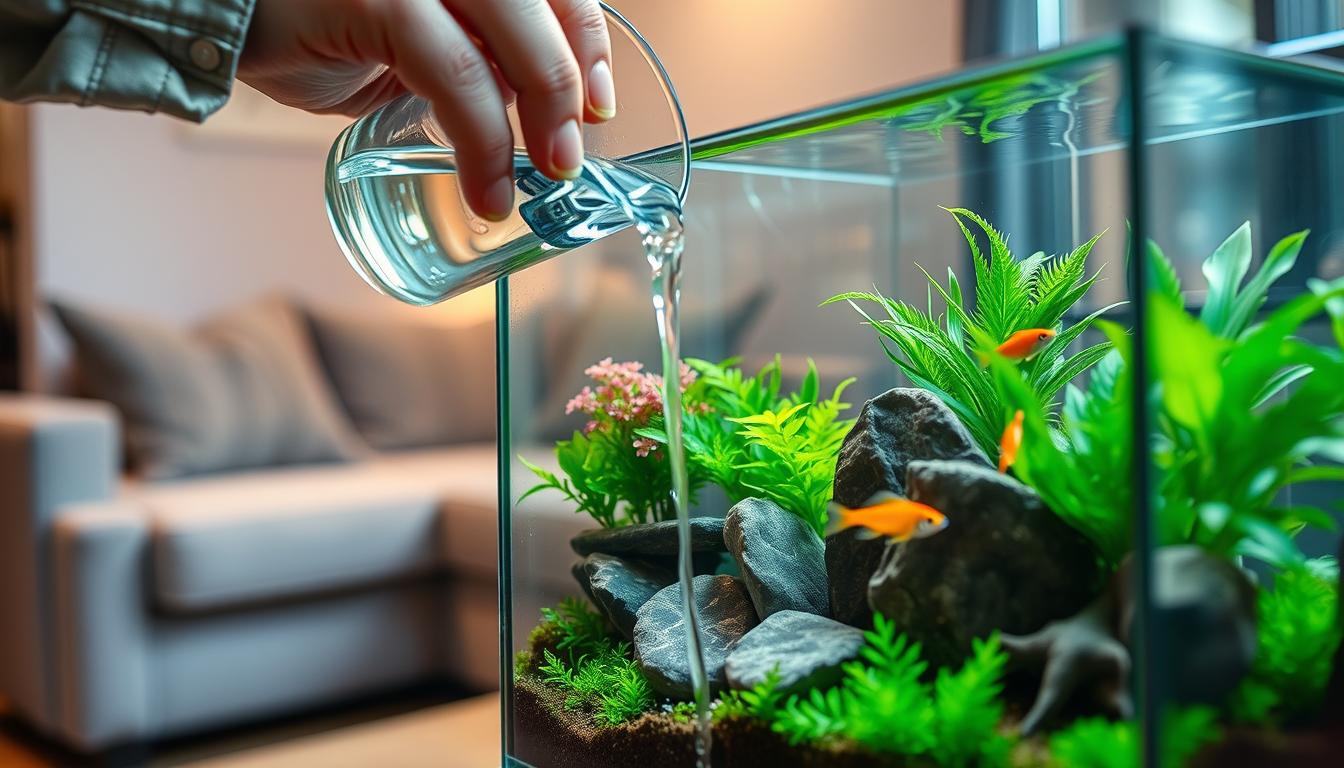
    But, experienced aquascapers have simple tricks to protect their layouts. They use a plate, a clear plastic sheet, or even a folded tissue over the substrate. These methods help disperse the water flow and cushion the impact. They keep hardscape and plants in place while adding water.

    In this guide, you’ll learn how to refill your nano tank step by step. You’ll get practical tips on topping off your nano tank. The goal is to keep your original layout and clear water. This way, your scape will stay exactly as you designed it.

    Understanding Your Nano Tank Setup

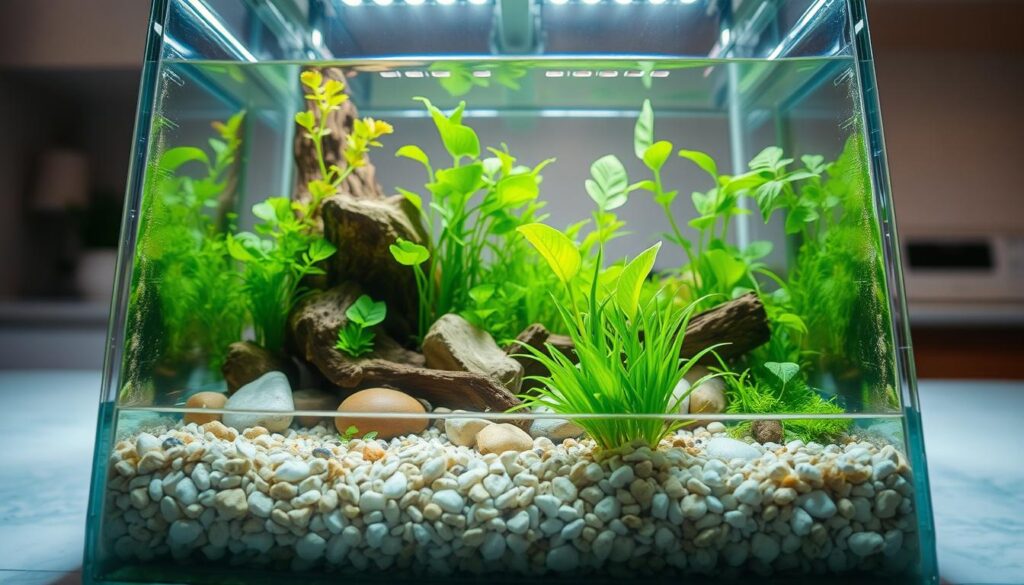
    A beautifully arranged nano tank setup showcasing a lush aquatic landscape filled with vibrant green plants, natural stones, and small driftwood pieces. In the foreground, clear water is angled to show the delicate details of the tank, emphasizing the fine pebbles and substrate beneath. Bright LED lighting illuminates the tank from above, casting soft reflections and highlighting the contrasting colors of the aquatic plants, while a gentle gradient in the background fades into blurred ambient decor, such as a clean countertop. The scene should elicit a tranquil and peaceful atmosphere, inviting viewers to appreciate the intricacies of nano aquascaping. The camera angle captures the tank from a slight elevation, ensuring a comprehensive view of both the aquatic flora and the subtle design elements within the aquascape, creating a harmonious and visually stunning composition.

    Before you refill your nano tank, it’s important to know each part. Start with the substrate. Options like Tropica Aqua Soil powder hold nutrients and shape water flow. Loose sand or fine gravel can shift if water hits it too hard.

    This matters when you refill and when you run filters or powerheads.

    Hardscape choices also affect water movement. Slate shards and bog wood alternatives create pockets and channels. These can trap or redirect flow.

    If you place tall pieces near an inlet, refilling may push water through narrow gaps. This can disturb plants or create cloudy water.

    Plant placement is key for refilling and ongoing care. Foreground carpet plants like Sagittaria repens root close to the substrate. Midground species like Anubias nana attach to wood and rock.

    Mosses and stem plants add structure and slow currents. When you refill, aim for gentle flow to avoid uprooting delicate stems.

    Lighting and CO2 systems shape growth and gas exchange. Custom LED floodlights or branded units help plants thrive. But CO2 delivery needs care.

    Use drop checkers and adjust gradually. Sudden CO2 or pH swings during refilling can stress fish and invertebrates. So plan water additions to keep parameters steady.

    Filtration type and flow pattern are key to nano tank care. Canister filters, hang-on-back units, and small sponge filters each move water differently. Powerhead placement and spray bars change surface agitation.

    Strong jets near the substrate will displace sand during a refill. So you may need to block or reduce flow temporarily.

    Tank specifics influence your approach. Note tank size and capacity. An AquaOne Nano60 holds around 100 liters, which changes the volume you replace and the refill speed.

    Check for overflows and inlet locations. Added water should follow predictable paths and avoid flooding stands or equipment.

    DIY modifications affect water dynamics. A copper gooseneck or homemade spray bar can soften incoming water. Custom LED mounts may alter where you can place tools while refilling.

    Test how these tweaks change circulation as part of routine nano tank maintenance. This helps protect hardscape and plants during refilling.

    Knowing your setup helps you choose the right tools for refilling a nano tank. A siphon, a turkey baster, or a soft tubing fed through a padded nozzle will reduce disturbance. Match your method to substrate type, hardscape stability, and plant sensitivity to keep the scape intact while you carry out nano tank care.

    Preparing for Water Refilling

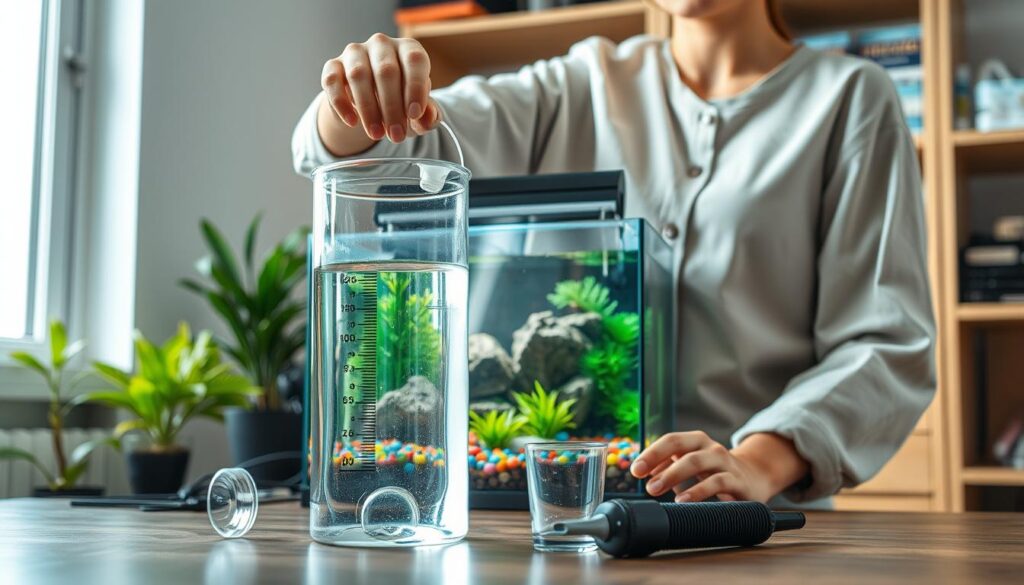
    A well-organized and tidy aquarist’s workspace, showcasing a person dressed in modest casual clothing, preparing for water refilling into a nano tank. In the foreground, a clear, carefully labeled water container sits ready to be filled, while tools like a siphon and measuring cup are neatly arranged beside it. The middle layer features the nano tank itself, beautifully aquascaped with vibrant green plants and colorful pebbles, reflecting the light. The background includes shelves lined with aquarium supplies, softly lit by natural light streaming in through a nearby window, creating an inviting and productive atmosphere. The scene conveys a sense of focus and care essential for maintaining an aquarium's balance.

    Before you start, gather the right tools. You’ll need a clean plate or plastic sheet, a small bowl, siphon tubing, a measuring cup, dechlorinator, and water conditioner. Also, a bucket, a hose with flow control, towels, and gloves. Having these ready makes the job faster and keeps your plants and livestock stress-free.

    Prepare replacement water that matches the tank’s temperature and chemistry. Use your aquarium heater or let water sit until it’s the right temperature. Treat tap water with a dechlorinator like Seachem Prime or API Tap Water Conditioner. If using RO/DI water, mix in the right remineralization solution to restore hardness and trace elements.

    Inspect the tank before refilling. Check the substrate and plants for loose pieces that might float up. Reduce filtration or powerhead flow to lower current and avoid substrate lift. If you run CO2, confirm delivery is stable and check your drop checker; a yellowish-green tone often signals CO2 is too high and needs adjustment.

    • Have a plate or plastic sheet ready to catch incoming water. Place it near the substrate so new water pours gently onto the plate and disperses without stirring the scape.
    • Use a small bowl for delicate flows when you need precise control over where water enters the tank.

    Organize your workspace. Keep towels and buckets within reach to catch spills. Set aside a spot for removed equipment like a surface skimmer or spray bar so those pieces stay dry and out of the way. Staying organized prevents accidents and makes refilling a nano tank easier.

    Follow a simple routine when topping off: verify water chemistry, reduce flow, place the plate, pour slowly, and monitor plants and substrate for movement. These steps help you avoid sudden changes and show how to top off a nano tank without disturbing the aquascape.

    For quick reference, remember these preparing for water refilling checkpoints: tools ready, water matched, pre-checks done, plate in place, and workspace tidy. Using these practical tips for refilling a nano tank keeps your tank stable and your scape intact.

    Techniques for Refilling Water

    Follow a clear, calm protocol for step-by-step nano tank refilling to protect substrate, plants, and livestock. Start by turning down or turning off strong pumps and powerheads to reduce internal turbulence.

    Place a plate, plastic sheet, or folded tissue where you plan to pour. Angle it so water runs down gently onto the surface, then disperses into the tank. This simple barrier is one of the best ways to refill a nano tank without disturbing the scape.

    1. Pour slowly and steadily using a measuring cup or small pitcher for precise control.
    2. For larger top-offs use a hose with flow control so you can reduce flow to a trickle.
    3. If you perform a partial water change, siphon out the desired volume first with siphon tubing and a gravel vacuum.
    4. Refill slowly while watching substrate and plant positions; pause if anything moves and adjust your angle or flow.
    5. Restore pumps gradually after the water level is stable to prevent sudden suction shifts.

    For very gentle alternatives, aim a low-flow hose at an overturned bowl inside the tank to diffuse flow. Use a turkey baster for ultra-precise local top-offs when you need to target a small area.

    Avoid direct high-velocity pours onto substrate or plants. Fast streams will scatter gravel and uproot stems, which creates extra work and stress for your animals.

    When you follow these steps for how to top off a nano tank, you reduce risk and keep the aquascape intact. Small, steady moves protect roots and keep water parameters stable while you work.

    Protecting Your Aquascape While Refilling

    First, use physical barriers to protect plants and decorations. Place heavy plates under big rocks and driftwood to prevent them from moving. Use small rocks or acrylic dividers to block water from reaching the foreground plants.

    When adding water, do it slowly to avoid disturbing the plants and substrate. Cover the area with a clean plastic or tissue to let water trickle in gently. Practice this until you can pour water without splashing.

    Before adding water, adjust your equipment settings. Turn down the flow from return jets or spray bars to prevent plants from being uprooted. Also, lower the CO2 injection to avoid sudden pH changes and keep the water stable.

    Don’t do a lot of pruning or replanting right before refilling. Loose leaves and cuttings can cloud the water and float on the surface. Wait until the water has settled to do any major trimming.

    When you top off the tank, you might see surface scum. Many people notice this before they install a skimmer. Using a small surface skimmer helps manage this scum and keeps the water gas exchange efficient.

    Make smart choices when designing your tank to make maintenance easier. Choose heavier materials like slate or denser stones for your decorations. This reduces the chance of them moving when you work inside the tank.

    Follow a checklist every time you refill your tank. Slow down the return pump, place barriers, reduce CO2, and pour water gently. These steps help protect your delicate setup and make maintenance easier.

    See nano tank maintenance as a skill you can improve. Practice refilling on the bench to get better at pouring water. This will help you feel more confident and make refills safer and smoother.

    Testing Water Parameters Post-Refill

    After changing the water in your nano tank, it’s important to check a few key things. First, quickly check the temperature and pH levels. Try to match the new water to the tank’s temperature to avoid stressing your plants and fish.

    Then, do a more detailed test 30–60 minutes after adding new water. Wait up to 24 hours and test again to catch any late changes. This step is key for keeping your nano tank healthy.

    • Critical parameters to test:
      • Temperature
      • pH
      • Ammonia (NH3/NH4+)
      • Nitrite (NO2-)
      • Nitrate (NO3-)
      • GH and KH (general and carbonate hardness)
      • CO2 stability (via drop checker)

    For planted nano tanks, aim for stable and modest values. Keep the temperature close to what it was before. Try to keep pH changes small, no more than 0.2–0.3. Ammonia and nitrite should be zero, and nitrate levels should be low to moderate.

    Match the GH and KH levels to what your plants and fish need. Soft-water shrimp like Neocaridina need lower GH, while many stem plants prefer moderate GH. KH helps keep pH stable, so avoid sudden drops during a water change.

    CO2 levels can change after adding new water. Check your drop checker color after things settle. If it shows too much CO2, slow down the bubbles and adjust slowly. For example, you might lower to about 1.4 bubbles every 2 seconds, then fine-tune over hours.

    1. Immediate checks (0–5 minutes): temperature, pH.
    2. Stabilization check (30–60 minutes): ammonia, nitrite, nitrate, GH/KH, CO2 drop checker.
    3. Follow-up (within 24 hours): repeat key tests to spot delayed swings.

    If temperature or pH changes too much, make small adjustments. Use a partial water change with water that matches the tank’s temperature and chemistry, or adjust the heater slowly. If ammonia or nitrite show up, cut back on feeding and do a partial water change right away. Treating problems too aggressively can harm good bacteria, so be careful.

    Regular testing after each water change helps you understand your tank better. This understanding lets you fine-tune dosing, CO2, and maintenance. Good testing habits are key to keeping your nano tank healthy for a long time.

    Keeping Your Nano Tank Clean

    Keeping your nano tank clean is easy with small, regular tasks. Skim the surface daily to remove oil film and debris. Use a small net or skimmer for scum until you get a permanent one.

    Trim plants often to avoid too much detritus. Short trims prevent cloudiness and reduce disturbance. Start with hardy plants like Java moss or Anubias if you’re new.

    Vacuum gravel during water changes, but do it slowly. This avoids uprooting plants. Use a narrow siphon and lift substrate a little at a time.

    • Clean filters gently: rinse sponges in tank water and avoid scrubbing biological media.
    • Inspect and reorient spray bars or powerheads to reduce substrate disturbance.
    • Perform frequent small top-offs to limit large refills that could shift plants and decor.

    Direct flow downward with spray bars to help CO2 dissolve. This reduces substrate migration. Balance circulation with gentle flow near the bottom.

    Plant placement is key for long-term care. Use heavy-rooting plants to anchor the substrate. Group taller plants in the back for easy trimming.

    Follow a weekly maintenance checklist: skim, spot vacuum, trim plants, and rinse filters. This keeps water clear and reduces big cleanings.

    By following these routines, keeping your nano tank clean becomes a part of your hobby. Small, consistent steps protect your aquascape. This makes refills and daily care easier, keeping plants and visuals in top shape.

    Establishing a Routine for Water Changes

    Make a schedule for water changes to keep your nano tank stable. For planted nano tanks, small water changes of 10–25% weekly are best. The number of fish, plants, and nutrients will tell you how often to change the water.

    Choose the change volume based on nitrate levels, debris, and bioload. A small water change is better for beneficial bacteria and your plants. If nitrate levels go up or there’s a lot of debris, increase the change amount a bit. But if levels are low and plants are doing well, stick to small changes.

    Do maintenance when the tank is calm. Don’t do big water changes right after replanting, pruning, or cleaning the filter. Change water at the same time every day to keep biological rhythms and reduce stress on your pets.

    Get your replacement water ready before starting. Make sure it’s the same temperature and use a dechlorinator like Seachem Prime. Let it sit for a bit to reach room temperature. Have a siphon, bucket, and a diffusion plate or spreader ready to pour gently and protect your plants.

    • Use a diffusion plate or a rock to break flow and avoid disturbing substrate.
    • Top off small amounts more often to limit parameter swings.
    • Store pre-mixed water in a spare container to speed routine work.

    Keep a simple log of dates, volumes changed, and parameter readings. Note nitrate, ammonia, and pH after a refill for several weeks to spot trends. This record will help you find the best routine for your tank.

    Stick to your plan but be ready to adjust. If algae blooms or your pets seem stressed, change the frequency and volume. Over time, you’ll find the perfect balance for water quality and plant health, making water changes easier and safer.

    Troubleshooting Common Issues

    If you notice substrate or plants moving after refilling, use tweezers to gently move them back. Add heavy decorations like lava rock or small stones to keep plants in place. If plants collapse, do a controlled siphon and replant carefully to avoid disturbing the layout.

    Cloudy water after refilling might clear up on its own. Let it settle or use your filter to remove particles. Make sure your filter is clean and working well. Use a clarifier only if needed. If agitation caused the cloudiness, stop refilling and let your filter work its magic.

    Scum on the water surface can come from oils or too many organics. Skimming helps a lot. Consider adding a surface skimmer or adjusting your return flow to reduce scum. Also, check how much food you’re adding to avoid uneaten food at the top.

    Changes in CO2 or pH can happen after adding new water. Reduce agitation and match the new water’s chemistry to your tank. Adjust CO2 slowly while watching a drop checker. If it shows yellowish-green, lower the bubble rate until it’s right.

    Too much flow can move substrate during or after refilling. Try redirecting jets, using a spray bar, or lowering the pump speed. This helps keep the substrate and plants in place.

    • Quick fixes: reposition plants with tweezers, slow down refill flow, let the filter clear cloudiness.
    • Stability measures: add weightier decor, use spray bars, match water chemistry before topping up.
    • When to get help: persistent unexplained parameter swings, widespread plant collapse, or mass animal stress should prompt consultation with a local aquarium shop or an experienced aquascaper.

    Keep a troubleshooting nano tank checklist handy. This way, you can quickly solve nano tank refilling problems. Use these tips to refill your nano tank without issues and keep your aquarium healthy and stable.

    Final Thoughts on Refilling a Nano Tank

    When refilling a nano tank, start with careful planning and a gentle touch. Make sure the new water’s temperature and chemistry match the tank’s. Use a plate, overturned bowl, or tissue to soften the water flow.

    Pour the water slowly to avoid upsetting the substrate, plants, and fish. This helps keep your tank’s ecosystem balanced.

    For a stable water environment, do small water changes often. This method reduces stress on your plants and animals. After adding water, check the pH, ammonia, nitrates, and CO2 levels. Keep a log to track changes and improve your routine.

    The right method for refilling your nano tank depends on its design and your tools. Try using an overturned bowl, a low-flow hose, or a turkey baster. This will help you find the best way to refill your tank, whether it has slate, bog wood, or soil.

    Watch for scum on the water’s surface. If it’s a problem, consider using a surface skimmer.

    Try using a plate or bowl for your next water refill. See how it helps keep your aquascape safe. Making small changes and keeping records will help you maintain a healthy nano tank over time.

    FAQ

    What is the best way to refill a nano tank without disturbing the substrate?

    Use a clean plate or plastic sheet to diffuse the water. Angle it at the pour point. Pour slowly with a small pitcher or a hose set to trickle.

    What tools should I have ready before refilling?

    Get a clean plate or plastic sheet, a small bowl or measuring cup, siphon tubing, a gravel vacuum, a bucket, a hose with flow control, towels, gloves, dechlorinator or water conditioner, and pre-mixed replacement water.

    How do I match the replacement water to my tank?

    Let the replacement water reach tank temperature. Treat tap water with a dechlorinator. If using RO/DI water, remineralize it to match GH/KH. Test a sample before pouring.

    Should I turn off filters and powerheads when refilling?

    Turn them down or off briefly to reduce turbulence. Restore pumps gradually after the water level stabilizes.

    Is using a hose safe for larger top-offs?

    Yes — use a hose with flow control. Aim at a diffusion surface or an overturned bowl in the tank. Keep the flow very low.

    How do I protect carpet plants like Sagittaria repens during a top-off?

    Use a diffusion plate or temporary acrylic divider to shield the carpet. Reduce pump flow and pour very slowly. Add small, weight-stable rocks at the carpet edges if needed.

    What should I test right after refilling?

    Check temperature and pH immediately. Then test for ammonia, nitrite, nitrate, GH, KH, and CO2 (via drop checker) within 30–60 minutes and again over the next 24 hours.

    My water turned cloudy after refilling — what now?

    Fine particles often clear as mechanical filtration runs. Let the filter work for several hours to a day. Avoid over-agitating; use a clarifier only if necessary.

    How does CO2 affect refilling and post-refill stability?

    Surface agitation from refilling can drive CO2 out, causing pH shifts and plant stress. Reduce turbulence while refilling and monitor the drop checker. If CO2 was previously high, reduce bubble rate gradually.

    How often should I perform water changes on a planted nano tank?

    Perform weekly small changes (10–25%) for better stability. Frequency depends on stocking, plant load, and nutrient levels; log tests and adjust.

    What are quick fixes if plants or hardscape get displaced?

    Reposition plants with aquascaping tweezers, add weightier decor to hold edges, or perform a controlled partial siphon and replant. For large disturbances, work slowly and use gentle water movement.

    Can I use a turkey baster for refilling?

    Yes — a turkey baster is excellent for ultra-precise local top-offs. It’s best for small volume adjustments.

    When should I consider installing a surface skimmer?

    If you see persistent surface scum despite manual skimming, a surface skimmer will remove films and improve gas exchange. It also helps CO2 stability and reduces frequent manual cleaning.

    How do powerhead and spray bar placement affect refilling?

    Downward-pointing spray bars help dissolve CO2 and reduce substrate disturbance. During refilling, turn down or redirect jets to avoid blasting substrate. Permanent placement that avoids direct jets at carpet zones reduces future maintenance risks.

    What’s the safe pH and temperature variance after a refill?

    Aim to keep temperature within a degree or two of the tank’s prior temperature and pH within about 0.2–0.3. Larger, sudden swings can stress plants and animals; correct small mismatches slowly.

    How do I decide how much water to change?

    Base the volume on nitrate levels, visible detritus, and bioload. Small frequent changes reduce disturbance. If nitrates are high or detritus plentiful, a larger change (25%) may be needed, but perform it gently with diffusion techniques.

    What should I log after a water change?

    Record the date, volume changed, water source and treatment, temperature, and key parameter results (pH, ammonia, nitrite, nitrate, GH/KH). This log helps you track trends and fine-tune your schedule.

    Who should I contact if I have persistent problems after refilling?

    If you see ongoing stress, unexplained parameter swings, or mass plant/animal decline, consult your local aquarium shop or an experienced aquascaper for hands-on help.

  • The Risks of Temperature Fluctuations in Small Living Spaces

    The Risks of Temperature Fluctuations in Small Living Spaces

    Living in a small space like a studio or micro-unit can be risky. The temperature can change quickly because of poor insulation. Research by June Teare et al. (2020) shows that these places can be up to 4°C warmer than outside.

    The World Health Organization’s Housing and Health Guidelines (2018) warn about the dangers of cold temperatures. They say it can lead to more illnesses and even death. WHO suggests keeping the temperature at least 18 °C in cooler climates.

    Things like air leaks and single-pane windows can cause temperature issues. Also, appliances that make heat can make it harder to keep a steady temperature. Limited money can make it tough to get good heating and cooling.

    Keeping a steady temperature is important for comfort and health. It can help prevent mold and damage to your home. It also helps you save money and stay healthy.

    Understanding the Importance of Maintaining Constant Temp

    A cozy, modern living room setting that illustrates the concept of maintaining a constant temperature. In the foreground, a sleek digital thermostat displays a steady temperature reading. In the middle, comfortable furniture arranged around a stylish coffee table with a steaming cup of tea, hinting at a warm atmosphere. There are soft pillows and a cozy blanket draped over the sofa, enhancing the inviting feel. In the background, large windows allow soft, natural light to filter in, creating a bright and airy environment. Lush green plants are strategically placed to symbolize air circulation and comfort. The overall mood is warm, serene, and balanced, reflecting the importance of a stable indoor climate. The image should have a slight soft focus, emphasizing a tranquil home environment devoid of clutter or distractions.

    Your body works hardest when indoor conditions swing wildly. Cold air causes blood vessels to constrict, which raises blood pressure and stresses the heart. You face higher respiratory and cardiovascular risks when temperatures dip below about 18 °C, according to World Health Organization guidance.

    Warm indoor conditions bring different hazards. High apparent temperatures and elevated heat index values increase the chance of heat exhaustion, heat stroke, and poor sleep quality. Research that uses heat index thresholds shows clear rises in heat-related illness as indoor apparent temperature moves from caution to extreme danger.

    Your home shapes how outdoor weather affects you. Small dwellings with weak insulation amplify swings and limit your ability to adapt. That makes temperature regulation harder and raises the likelihood of sudden cold or heat exposure.

    Practical steps cut health risks and save money over time. Insulation, efficient heating and cooling systems, and balanced ventilation support a stable temperature and reduce energy waste. The WHO links warm, well-insulated homes to lower blood pressure and fewer hospital visits.

    • Focus on maintaining constant temp through upgrades that improve envelope performance.
    • Use smart controls to support optimal temperature management while avoiding rapid setpoint changes.
    • Prioritize ventilation that preserves indoor comfort without wasting heat or cooling energy.

    Good temperature regulation protects your circulation, breathing, and sleep. It lowers long-term health risks tied to cold or heat and helps you achieve steady indoor comfort in compact living spaces.

    The Health Implications of Frequent Temperature Changes

    A visually striking illustration depicting the health risks of temperature swings in small living spaces. In the foreground, a concerned individual dressed in professional attire is seated at a desk, looking at a thermometer with a worried expression, highlighting the personal impact of temperature fluctuations. The middle ground features a small, cluttered room with a visible air conditioning unit and radiators, showcasing the extremes of hot and cold. In the background, a window reveals dramatic weather changes outside—sunshine on one side and storm clouds on the other—symbolizing rapid temperature shifts. Soft, ambient lighting casts a warm glow on the indoor scene, contrasting with the cooler tones visible through the window, creating a tense yet informative atmosphere.

    Swings in indoor air temperature can affect you more than you think. Sudden cold can make airways inflamed, worsen breathing issues, and increase respiratory infections. The World Health Organization says keeping bedrooms at 18–21 °C helps those at risk breathe better.

    Temperature drops also strain the heart. Studies in the UK and Japan show a one-degree drop in indoor temperature can raise blood pressure. Rooms below 16–18 °C are risky for heart disease or high blood pressure patients.

    Some groups are more vulnerable to temperature changes. Older adults, young children, pregnant people, and those with chronic health issues need a stable temperature. This helps prevent health problems.

    Cold homes can also harm mental health. Insulation or heating upgrades can reduce colds and wheezing, and improve mood. A stable indoor climate is key for mental wellbeing.

    But hot indoor conditions are harmful too. High heat can disrupt sleep, increase heart strain, and raise dehydration and heat stroke risks. Low-cost homes often have unsafe temperatures in summer, showing the need for simple cooling measures.

    • Maintain a consistent temperature at night to support respiratory health.
    • Use basic temperature control tools—thermostats, fans, or portable heaters—to avoid rapid swings.
    • Monitor rooms used by vulnerable household members and adjust settings to reduce health risks of temperature swings.

    The Financial Consequences of Temperature Inefficiency

    Every month, you pay for not keeping your temperature right. If your heating or cooling isn’t efficient, your HVAC works harder. This means higher energy bills and shorter equipment life.

    In small homes, bad insulation leads to more fuel use in winter and more electricity in summer. The World Health Organization has shown that simple upgrades can save money on health costs and bills.

    • Direct costs: higher monthly energy costs from excessive heating and cooling.
    • Hidden costs: condensation, mold remediation, and extra wear on appliances.
    • Health savings: better temperature efficiency can reduce hospital visits tied to cold homes.

    Investing in insulation, smart thermostats, or efficient furnaces has costs upfront. You’ll spend money now to save on bills later. How quickly you get your money back depends on your location, the condition of your home, and local energy prices.

    Low-income families often live in the least efficient homes. Without help, the cost of upgrades seems too high. This can make it hard for them to afford better energy efficiency, leading to higher bills.

    Keeping your temperature stable is good for your wallet and your home. Better temperature control means your systems don’t work as hard. This reduces repair costs and improves comfort over time.

    When deciding on upgrades, think about both immediate and long-term savings. Consider the cost of repairs and health benefits. This helps you make choices that balance your budget and comfort.

    The Impact on Your Home Environment

    Improving insulation and sealing air leaks helps keep your home warm in winter and cool in summer. This reduces energy waste and makes your home more comfortable.

    But, tighter homes can also mean less air flow. Without enough air, humidity builds up. This can cause mold, which is bad for your health.

    For good temperature control, you need both insulation and air flow. ASHRAE says balanced ventilation is key. It helps keep pollutants and moisture in check. Use systems that ensure your home stays comfortable without bad air.

    Choosing the right materials and hiring skilled contractors is important. Wrong insulation or old asbestos can be dangerous. Always go for safe, non-toxic options and certified professionals.

    Every room in your home can have its own temperature. Sunlight, appliances, and cooking can make some rooms hot. And if windows aren’t sealed well, heat can escape. These issues make it hard to control the temperature.

    Good sleep needs a stable temperature. A bedroom around 65–68 °F is best for deep sleep. But, if the temperature keeps changing, it can disrupt your sleep.

    • Address ventilation when you improve insulation to preserve temperature maintenance and air quality.
    • Inspect window and door performance to reduce unwanted heat gain or loss and maintain a stable temperature.
    • Use safe materials and licensed installers to protect health while improving temperature regulation.

    Strategies for Maintaining a Steady Temperature

    Improving insulation in walls, ceilings, and floors can help. Add weatherstripping around doors and windows. Consider upgrading to double- or triple-glazed low-E windows to limit heat loss.

    Small upgrades can cut energy use and help keep the temperature steady.

    Pair insulation with balanced ventilation to avoid damp and mold. Use natural airing or a mechanical system sized for your space. ASHRAE 62 and WHO guidance stress that ventilation must match weatherization to preserve indoor air quality and support temperature control.

    Think about thermal zoning to limit hotspots. Ceiling fans, portable fans, or zoning on an HVAC system will move air and even out differences across rooms. Circulating air prevents cycling that wastes energy and improves optimal temperature management.

    Programmed thermostats or smart thermostats cut swings in setpoint and stop wide variations that force HVAC systems to run harder. Small, consistent setpoint changes are more efficient than large shifts when you are controlling temperature fluctuations.

    • Use low-cost fixes such as door draft stoppers, thermal curtains, reflective shades in summer, and area rugs to add floor insulation.
    • Try targeted measures like safe electric space heaters in cold snaps and passive shading with awnings or operable blinds in heat waves.
    • Replace or seal gaps around frames and add rugs on cooler floor surfaces to stabilize indoor temperatures.

    Prioritize passive cooling and shading before heavy air-conditioning for heat events. That approach lowers emissions and can keep you comfortable without overreliance on mechanical systems.

    Keep materials and installation safe. Use non-toxic insulation products and hire qualified installers when needed. Regular HVAC maintenance reduces inefficiencies and limits short cycling, which supports optimal temperature management over time.

    Recognizing Signs of Temperature Instability

    Spotting temperature issues is easy with clear signs. If people often say it’s too hot or too cold, your temperature control is off. Rooms that don’t get to the set temperature on the thermostat might have HVAC problems or leaks.

    Physical signs are also important. Look for condensation on windows, peeling paint, cracks in walls, damp spots, or mold. These signs mean your home’s temperature isn’t staying steady.

    • Check daily swings. Big changes in indoor temperature compared to outside data show instability.
    • Monitor heat index. If indoor heat index stays in danger ranges in summer, you need better temperature control.
    • Watch HVAC cycles. Short-cycling or uneven heating and cooling cycles mean mechanical stress and poor control.

    Health signs are also clues. More respiratory problems, wheezing, morning phlegm, high blood pressure, sleep issues, or feeling down might be linked to unstable temperatures.

    Set clear triggers for repairs. If bedroom temperatures drop too low in cold months or if indoor temperatures get too high, fix the issue. Follow WHO and local health advice to keep temperatures steady.

    Make a checklist to track problems. Record daily temperature readings, note damp or mold, log complaints, and test HVAC in different rooms. This helps you find and fix temperature issues in your home.

    Seasonal Challenges to Maintaining Temperature

    Winter is tough for small homes to stay warm. In cooler areas, homes under 18 °C can harm heart and lungs. To keep bedrooms warm, improve insulation, use better heaters, and seal drafts.

    Small changes can make a big difference. Add insulation to lofts and walls, service your heaters, and use draught excluders. These steps cut energy waste and keep your home cozy without high heat.

    Summer brings its own set of challenges. Small homes can get too hot, making indoor air feel even warmer. To fight this, use shading, reflective window films, and roof insulation to block the sun’s heat.

    Good ventilation is key in summer. Open windows at night, use cross-ventilation, and ceiling fans to cool down. Fans and natural methods can help you stay cool without expensive air-conditioning.

    Climate change makes summers hotter and winters colder. It’s more important than ever to make your home comfortable in all seasons. Upgrading materials and design is a smart investment for the future.

    • Policy and planning should favor thermal upgrades to informal and older housing.
    • Subsidies for insulation and heating programs help households meet safe indoor thresholds.
    • Building codes that require thermal performance support long-term stable temperature in communities.

    By taking practical steps and planning, you can control temperature all year. Small changes in your home and policy can lead to a healthier living space.

    The Role of Humidity in Temperature Control

    Your comfort isn’t just about the temperature. Humidity plays a big role too. When it’s too humid, sweat doesn’t cool you down as well. This makes the heat feel worse.

    In winter, low humidity can make you feel colder. It also dries out your skin and throat.

    When humidity and temperature don’t match, health problems can arise. Too much moisture inside can cause mold. The World Health Organization says damp homes lead to more asthma and respiratory infections.

    It’s important to keep humidity levels right after renovations. This prevents moisture from getting trapped.

    The ideal humidity is between 30–60 percent. Experts often say 40–60 percent is best. In cold places, you might need it lower to stop windows from fogging up.

    Researchers use humidity and temperature together to figure out how hot it really feels. This helps them understand the health risks of heat.

    To control temperature and humidity better, try these steps:

    • Use dehumidifiers in humid areas and humidifiers in dry ones.
    • Open windows when cooking or showering to get rid of extra moisture.
    • Think about using mechanical ventilation with heat recovery to change air without losing too much heat.

    When you upgrade your building, make sure it’s not too airtight. Insulation and sealing save energy but can trap moisture if there’s not enough air. Follow ventilation rules like ASHRAE 62 and check humidity after making changes. This keeps the temperature steady and prevents moisture problems.

    Keep a small hygrometer handy. It helps you track humidity and temperature. This way, you can adjust things to keep your space comfortable.

    Building a Comfortable Small Living Space

    To make small living spaces cozy, start with a simple checklist. Check insulation in walls, ceilings, and floors. Also, inspect windows and doors for leaks and seals. Look for mold or dampness and consider the type of floor you have.

    Focus on quick fixes that make a big difference. Seal air leaks and add weatherstripping first. Then, upgrade insulation while keeping ventilation open. Replace old windows with new ones and use shading or reflective films in summer.

    If you’re on a tight budget, try thermal curtains and door draft stoppers. Use area rugs and portable fans for cross-flow. Adjust your clothes and bedding to keep the temperature steady. Regularly maintain your HVAC system and use smart thermostats or loggers for better control.

    Also, look into community and policy options to help more people. Apply for retrofit subsidies and join local insulation projects. Advocate for stronger building codes to make homes more energy-efficient. This way, you can keep your home comfortable and sustainable.

    FAQ

    What makes small dwellings specially prone to temperature fluctuations?

    Small homes, like studio apartments, have less thermal mass and poor insulation. This makes it hard to keep a steady temperature. The close living quarters and appliances add to the problem. Single-pane windows and gaps also play a role.

    Research by June Teare et al. (2020) shows big differences in indoor and outdoor temperatures. The building’s structure affects how weather impacts health. This makes it tough to control the temperature in small homes.

    Why is maintaining a consistent temperature important for health?

    Keeping a stable temperature is key for health. It reduces stress on the heart and lungs. Cold can raise blood pressure and worsen breathing problems.

    WHO’s Housing and Health Guidelines (2018) link cold temperatures with health issues. On the other hand, too much heat can cause heat exhaustion and disrupt sleep.

    What indoor temperature targets does WHO recommend?

    WHO suggests a minimum indoor temperature of about 18 °C. This is for temperate and cold climates. People who are more vulnerable might need a bit warmer bedrooms.

    Evidence shows that temperatures below 18 °C can harm health. Warming up cold homes can improve health, like lowering blood pressure and easing breathing symptoms.

    How much can indoor temperatures differ from outdoor temperatures in low-cost housing?

    Studies show that low-cost homes often have indoor temperatures 4 °C higher than outside. This is because the building traps heat. June Teare et al. (2020) found that things like cement floors and poor glazing affect indoor heat.

    This makes the risk of heat-related health issues higher in summer.

    What are the main causes of temperature instability in small homes?

    Temperature instability in small homes comes from several sources. Lack of insulation and air leaks are big problems. Single-pane windows and doors also let heat escape.

    Heat from appliances and limited or unbalanced ventilation add to the issue. Socioeconomic factors can limit access to efficient heating and cooling.

    How do temperature swings affect sleep and mental health?

    Temperature swings can disrupt sleep and reduce its quality. Bedrooms that are too warm or have big temperature swings can make it hard to fall asleep. Keeping bedrooms around 65–68 °F (18–20 °C) is recommended for better sleep.

    Cold, damp homes can also affect mental health. Insulation can improve mental wellbeing, as shown in several studies.

    Which populations are most vulnerable to unstable indoor temperatures?

    Older adults, young children, and people with chronic health issues are most at risk. Pregnant women, those with limited mobility, and people with cognitive impairment are also vulnerable. WHO and June Teare et al. highlight these groups’ increased risk.

    What are the direct financial consequences of poor temperature control?

    Poor temperature control means higher energy bills. Small homes need more energy to stay comfortable. WHO says insulation and efficient heating can save money and improve health.

    But, the upfront costs of retrofits can be a barrier for low-income households.

    Are there hidden costs of temperature instability?

    Yes, there are hidden costs. Temperature swings can lead to mold and health issues. HVAC short-cycling shortens equipment life and increases maintenance costs.

    Structural damage from dampness and temperature changes can also raise repair bills.

    What practical passive measures reduce temperature swings in a small space?

    Improving insulation and adding airtightness can help. Double- or triple-glazed windows and sealing gaps are also effective. Reflective shades or external shading can cool homes in summer.

    Flooring choices and rugs can reduce heat loss. Roof insulation helps in both summer and winter.

    How should ventilation be handled when sealing and insulating?

    When improving insulation and airtightness, ensure proper ventilation. This prevents moisture buildup and keeps air quality good. Use mechanical ventilation with heat recovery or natural ventilation to exchange air without losing too much heat.

    Follow standards like ASHRAE 62 and WHO guidance to balance temperature control with preventing dampness.

    What low-cost steps can you take right away to improve thermal comfort?

    Weatherstripping, door draft stoppers, and thermal curtains can help. Area rugs and reflective window films or blinds also work. Using portable fans and clothing can control temperature without high energy costs.

    How can technology help maintain a stable temperature?

    Programmable or smart thermostats keep temperatures steady. They reduce energy use and avoid short-cycling. Smart controls can schedule heating or cooling and work with sensors for better energy management.

    What should you monitor to detect temperature instability?

    Watch for big temperature swings and indoor heat index readings. Check for temperatures below 18 °C in winter and humidity levels. Look for signs like condensation, damp patches, peeling paint, or mold.

    How does humidity interact with temperature and health?

    Humidity affects how hot or cold we feel. High humidity makes heat feel worse, while low humidity makes it feel colder. It can also cause health issues like asthma and infections.

    Keep humidity between 30–60% with ventilation, dehumidifiers, or humidifiers as needed.

    What summer-specific strategies reduce indoor heat without heavy air-conditioning?

    Use shading, reflective window treatments, and roof insulation. Night purging and cross-ventilation help too. Ceiling or portable fans can also lower the apparent temperature.

    Focus on passive cooling and shading to reduce air-conditioning use.

    What winter-specific actions help maintain a safe indoor temperature?

    Seal drafts and add insulation to walls, ceilings, and floors. Improve window glazing and ensure heating systems are efficient. Keep bedroom temperatures at least about 18 °C.

    Use thermostatic controls to avoid big temperature swings that waste energy and stress HVAC equipment.

    How do insulation and heating retrofits affect long-term costs and health?

    Retrofitting insulation and heating systems has upfront costs. But, they can lower energy bills and health expenses over time. WHO cites national programs that have improved health and saved money, making retrofits worthwhile.

    What equity considerations should be addressed when improving thermal performance?

    Low-income households often live in poorly insulated homes. They may not have the money for retrofits. Subsidies and targeted programs are needed to help them.

    Public investment in affordable weatherization and energy-efficient heating is key to protecting vulnerable populations.

    What are safe practices and risks when choosing insulation and retrofit materials?

    Choose certified, non-toxic insulation materials and hire qualified installers. Poor workmanship or hazardous materials can harm health. After retrofitting, ensure balanced ventilation to avoid moisture buildup.

    Regular maintenance of installed systems reduces risks and preserves performance.

    How can you prioritize interventions in a limited budget?

    Start with airtightness and add thermal curtains and rugs. Improve ventilation where needed. Then, focus on ceiling/roof insulation and window upgrades.

    Small changes can improve comfort and energy savings while planning bigger retrofits. Look for local subsidies or community programs to help with costs.

    When should you seek professional assessment or action?

    Get professional help if you notice persistent cold temperatures or repeated heat index danger readings. Visible mold or dampness, HVAC short-cycling, or major insulation or ventilation upgrades also require expert advice.

    Professionals can assess your home, recommend solutions, and ensure safe installation.

    What simple monitoring helps maintain optimal temperature management?

    Use basic thermometers, humidity meters, or low-cost data loggers to track indoor conditions. Smart thermostats with sensors and simple heat-index calculators help identify harmful conditions.

    They let you evaluate the effectiveness of insulation, ventilation, and heating or cooling strategies for consistent temperature maintenance.

  • How to Use a Fine Net to Remove Floating Debris and Dead Leaves

    How to Use a Fine Net to Remove Floating Debris and Dead Leaves

    You’ll learn how to use a fine net to keep your pool, pond, or water feature clear. A swimming pool cleaning net skims the water surface. It captures leaves, bugs, pollen, and small debris before they sink.

    This simple step saves hours of manual cleaning. It also helps cut down on chemical use. This is because organic matter doesn’t decompose as much.

    Daily skimming with a fine mesh net for pools is key. Fine nets catch tiny particles that regular skimmers miss. This makes efficient organic waste removal possible. It also reduces the chance that leaves will break down into tannins or contribute to algae growth.

    When you remove debris as it falls, your water stays clearer. Maintenance tasks become faster. Using a fine net pairs well with frequent skimmer-basket cleaning and weekly vacuuming.

    This creates a complete approach for removing organic waste. The tips below apply across pools, ponds, garden water areas, and decorative water features. They focus on eco-friendly, efficient organic waste removal and sustainable practices.

    Importance of Removing Organic Waste

    A serene lake environment at dawn, showcasing a person in a modest casual outfit carefully using a fine net to remove organic waste like floating debris and dead leaves from the water's surface. In the foreground, the fine net is intricately detailed with droplets of water glistening in the soft morning light. The middle ground features the tranquil lake, reflecting the vibrant hues of the sunrise, while surrounding trees are lush and green, adding depth to the scene. The background includes a misty horizon where the sun rises, creating a peaceful and proactive atmosphere. The focus should be on the action of waste removal, highlighting the importance of environmental care. Soft natural lighting enhances the mood, creating a sense of calm and responsibility toward nature.

    Removing organic waste like leaves and petals helps keep water clear and safe. Dead plants can turn water brown and make surfaces slippery. This is bad for pools and ponds.

    Organic waste can clog filters and skimmer baskets. This makes pumps work harder and filters less well. It shortens equipment life and increases costs.

    Quickly removing waste stops algae and bacteria from growing. This keeps your pool water clear and balanced. You won’t need to use as many chemicals.

    Trimming trees and using covers helps prevent debris. These steps mean you don’t have to clean up as often. They also help the environment.

    • Prevents staining from decomposing leaves and flower petals.
    • Maintains pump and filter performance.
    • Reduces pathogen and algae risks for safer water.

    Combining manual cleanup with proper disposal is key. It supports sustainable waste management. Choosing composting or local green-waste programs helps the environment. It also reduces strain on your systems.

    Tools Needed for Debris Removal

    A close-up view of a fine mesh net, intricately woven with small, tight openings, displayed prominently in the foreground. The net is gently draped over a smooth, wooden surface, showcasing its texture and flexibility. In the middle ground, scattered debris such as dead leaves and small twigs are arranged around the net, hinting at its practical use for removal. The background features a soft-focus garden setting with dappled sunlight filtering through overhead leaves, creating a serene and natural atmosphere. The lighting is warm and inviting, highlighting the net's details with subtle shadows. The composition suggests a calm, efficient approach to outdoor maintenance.

    You’ll need both basic hand tools and powered equipment to keep your pool water clear. A fine mesh net is key for removing pollen and tiny particles from the surface. Use a sturdy telescopic pole to reach corners and shallow edges without straining.

    Flat leaf skimmer nets are great for quick leaf pickup. Deep bag nets are better when leaves are heavy. A good leaf rake helps gather piles near the edge before you scoop them out. Look for nets made from nylon or polyester mesh with aluminum or stainless steel frames for durability.

    • Pool vacuum for debris — get a manual vacuum head with hose or a vacuum-to-waste setup for heavy loads.
    • Robotic pool cleaners for floor work when you want hands-off operation.
    • Leaf vacuums that connect to the skimmer for large green waste removal service jobs.

    Complementary items make cleaning faster. Keep your skimmer basket well-maintained and check hair and lint pods regularly. Durable pool covers reduce debris entry between cleanings. Run your pump and filter 8–12 hours per day for optimal turnover.

    For serious fine particles, use a pool clarifier to aggregate them so the fine mesh net can catch more. Sand filters work well for trapping tiny bits once the system removes bulk debris.

    1. Choose adjustable poles with secure locks and comfortable grips.
    2. Stock both flat and deep nets to match conditions.
    3. Include a pool vacuum for debris and a leaf rake for shoreline cleanup.
    4. Consider hiring a green waste removal service when yard waste piles exceed what you can handle.

    Best Practices for Using a Fine Net

    First, attach the net to a telescopic pole securely. Choose a grip and pole length that feels right. This way, you won’t strain yourself or reach too far.

    Move the net slowly and smoothly. This helps you avoid disturbing the settled debris. Use long, sweeping motions to skim the surface.

    Make sure to overlap your strokes to catch everything. Keep the net close to the water for better results. If leaves are heavy, use deep-bag nets to save time.

    Regularly empty and rinse the net. Rinse it in the shade and dry it to extend its life. Check for any tears after each use and replace them if needed.

    • Skim the water first thing in the morning for best results.
    • Keep the water level at the skimmer’s center for optimal performance.
    • Empty skimmer baskets often to aid in waste removal.

    Switch to a fine mesh net for pollen or dust. Use a leaf cover in heavy leaf seasons to make cleanup easier. Only use clarifier when filters need extra help, not as a replacement for skimming.

    Dispose of the collected material in your compost bin if it’s suitable. Or, follow local green waste rules for environmentally friendly disposal. Always wear gloves for hygiene and use steady motions for safety and efficiency.

    Preparing Your Area for Cleaning

    Before you start, check your pool setup. Ensure the water level is at the skimmer’s center for best skimming. Turn on the pump briefly to move water and bring debris to the surface.

    Next, gather your tools. Use a fine mesh net for pollen and a deep-bag net for heavy leaves. Attach the net to a telescopic pole and make sure the pole lock is tight.

    • Look at the area around your pool. Trim trees and branches that drop leaves and flowers.
    • Put a leaf cover on before storms and remove big leaf piles near the pool.
    • Have a trash bin or compost container ready for the waste you collect.

    For green waste removal, plan to vacuum waste after big leaf events. Clean skimmer baskets weekly and check hair and lint pods every two weeks to keep filters working.

    Wear gloves when handling wet, decomposed organic matter to protect your hands. Check electrical equipment, like robotic cleaners, for safety before using them.

    Follow sustainable waste management by separating compostable material from trash. This helps reduce landfill waste and supports local composting programs.

    Steps to Remove Debris with a Fine Net

    To keep your water clean and your system running smoothly, follow these steps. First, attach a fine mesh net to a telescopic pole. Choose a pole length that lets you reach without stretching.

    1. Skim systematically. Start at one end and move to the other with slow, sweeping strokes. Overlap each pass to catch all spots. Do this daily for the best results.

    2. Target problem zones. Focus on areas where debris tends to gather, like downwind edges and under trees. These spots need extra attention.

    3. Empty frequently. Shake off debris into trash or compost bins and rinse the net. This keeps it clean and effective.

    4. Follow up after skimming. Use a vacuum for heavy buildup that sank. Run your filter 8–12 hours a day and watch the pressure. An 8–10 psi rise means it’s time to backwash. Use organic waste disposal company techniques for large amounts.

    5. Maintain equipment. Check the net for holes, rinse it well, and store it in the shade. Regular checks prevent surprises.

    Follow this ordered approach to make the fine mesh net steps a reliable part of your routine. Small, steady efforts prevent big cleanups later. They also match professional organic waste disposal company techniques used everywhere.

    Handling Dead Leaves and Organic Matter

    Start by scooping heavy leaf piles with a deep-bag leaf rake. These nets catch more debris, making your job easier. Always empty and rinse them after each use. Check for damage and replace if needed.

    Then, use a leaf vacuum or a leaf vacuum attachment on your skimmer for lighter debris. This method prevents clogs and saves your equipment. Regular inspections help spot problems before they get worse.

    Leaf covers can block big debris while letting rain through. Put on durable covers in autumn and winter. Trimming branches also helps reduce leaf fall and cleanup needs.

    For getting rid of leaves, compost them if allowed. Composting is good for your garden and the environment. If not, follow local guidelines for green waste removal.

    Plan for extra maintenance after storms and during peak leaf season. You might need one or two extra cleanings in autumn. Consider hiring a local service for professional help. These steps help keep your water features clean and healthy.

    • Use deep-bag leaf rakes first to remove bulk material.
    • Follow with vacuuming to protect filters and pumps.
    • Rinse and inspect nets; replace when worn.
    • Install covers and trim trees to reduce future debris.
    • Choose composting or approved green waste removal service for disposal.

    Regular Maintenance Tips

    Start your day by skimming the pool surface with a fine net. This catches floating debris and stops leaves from sinking. It’s a simple way to keep your pool water clear and your equipment running smoothly.

    Every week, vacuum the pool floor and empty the skimmer basket. Also, check the filter pressure and clean or backwash cartridges when the pressure goes up 8–10 psi. These steps help keep your pool clean and the water flowing well.

    Once a month, check your nets, frames, and poles for wear. Rinse your nets, let them dry in the shade, and store them right. Regular inspections help your tools last longer and make cleaning easier.

    Don’t forget about seasonal care. Winterize and cover your pool at the end of the season. Also, replace filter media like sand every 5–7 years and use a robotic cleaner for busy times. These steps are part of a long-term plan to keep your pool in top shape.

    • Run the pump 8–12 hours daily to keep fine particles moving into the filter.
    • Test chlorine and pH twice weekly and shock after heavy organic loads or storms.
    • Document tasks on a calendar to keep your regular maintenance organic waste removal on track.

    Follow these tips regularly to reduce algae, lower filter strain, and save time on big cleanups. Small, consistent efforts lead to cleaner water and longer-lasting equipment.

    Environmental Considerations

    Using a fine net and regular skimming can cut down on chemical use. A net helps avoid heavy treatments and extends the life of pumps and filters. This approach supports eco-friendly waste removal and keeps your equipment running longer.

    After big leaf falls, vacuuming the collected material to waste prevents filter overload. Only backwash when necessary to save water and keep filters working well. These steps help reduce waste and lower chemical use, aligning with sustainable waste management.

    Preventing debris at the source reduces cleanup needs. Use leaf covers, trim branches, and place tennis balls on the water to break surface oils. Less debris means less need for intervention and a smaller environmental impact when choosing eco-friendly waste disposal.

    Compost leaves and organic matter when allowed by your municipality. This returns nutrients to the soil and reduces landfill volume. For excess material, hire a local organic waste disposal company that follows green waste pickup rules. This keeps your cleanup in line with sustainable waste management goals.

    • Choose durable, repairable nets with nylon or polyester mesh and aluminum frames.
    • Invest in energy-efficient pumps and robotic cleaners to lower electricity use.
    • Schedule maintenance to avoid costly replacements and reduce waste.

    Every choice and disposal method counts. You can support environmentally friendly waste removal by combining simple daily habits with smart purchases. Proper disposal through an organic waste disposal company or local green services also helps.

    Troubleshooting Common Issues

    If your water turns cloudy or dirt returns after vacuuming, check the filter media. Look for cracks, damaged cartridges, or worn-out sand laterals. These small issues can let particles back into the pool. Fixing them helps avoid repeated work and keeps your pool clean.

    For fine debris that won’t go away, use a fine mesh net to catch it on the surface. Run the filter for 8–12 hours to catch more particles. Adding a pool clarifier helps bind tiny particles so the filter can trap them. These steps help reduce visible grit in your pool.

    • Empty the skimmer basket daily or every other day during heavy use to avoid backups.
    • Backwash when the filter gauge rises 8–10 psi to keep flow steady and prevent strain.

    After a storm with lots of leaves, use deep bag nets and leaf vacuums. Vacuum to waste instead of through the filter to avoid clogging. This method saves your filter media and follows eco-friendly waste removal tips by avoiding frequent chemical cleaning.

    If debris gathers in certain spots, check for dead circulation zones. Adjust the return jets to point slightly downward. This helps push water along the surface and move debris toward skimmers. It’s a simple fix that improves circulation and helps with troubleshooting around pool edges.

    Regularly check nets for tears or holes. Replace damaged nets and choose durable materials like nylon or polyester. Store nets out of direct sun to prevent UV breakdown. This helps extend their life and provides lasting solutions to filter clogs.

    For ongoing problems, mix different approaches. Use surface skimming, fine netting, filter checks, and targeted backwashing. This combination creates effective troubleshooting routines. It also gives you eco-friendly waste removal tips for every season.

    Alternative Methods for Debris Removal

    There are many ways to keep your pool water clear and reduce organic waste. Deep bag nets and leaf skimmers quickly catch big pieces of debris. Fine mesh nets are best for catching pollen and dust on the surface.

    For heavy debris on the floor, try manual vacuuming. Use a vacuum head, hose, and vacuum-to-waste setup. A proper pool vacuum for debris removes settled material without stirring up clouds that strain filters.

    A robotic pool cleaner can handle floor work for you, saving time. Robotic cleaners reduce manual labor but need electricity and space when not in use.

    Filters have their own trade-offs. Sand filters catch small particles and need sand replacement every 5–7 years. Cartridge filters need regular hosing to stay effective and avoid reduced flow.

    Preventive steps can also help. Fit a quality pool cover or leaf cover to block debris. Trimming overhanging trees can also limit leaf fall.

    If you’re dealing with a lot of debris, consider hiring a local pool maintenance company for a thorough cleanout. For yard and branch removal, a green waste removal service or an organic waste disposal company can handle it responsibly and keep clippings out of landfills.

    • Deep bag nets and leaf skimmers for large items
    • Manual vacuuming for heavy floor debris
    • Robotic pool cleaner for regular automated cleaning
    • Pool covers and tree trimming to prevent debris
    • Professional cleanouts and green waste removal service for large jobs

    Choose the right mix of methods based on your schedule, budget, and pool size. Using preventive tools and targeted removal gives the cleanest results and reduces equipment strain over time.

    Conclusion: Maintaining Clean Waters

    Keeping your pool or pond clear is easy with simple habits. Use a fine mesh net often to stop leaves and waste from sinking. This habit helps manage waste and protects your equipment.

    Choose the right net for your needs. Make sure it’s durable and has the right mesh size. Daily skimming and proper pump times are key. Add weekly vacuuming and filter checks for clear water.

    Prevent problems with regular maintenance. Trim branches and use leaf covers. In winter, take extra steps to protect your water. For tough messes, call a pro for a deep clean.

    FAQ

    What is the easiest way to use a fine net to remove floating debris and dead leaves?

    First, attach a fine mesh net to a telescopic pole and make sure it’s locked in place. Choose a pole length that feels comfortable for you. Then, skim the surface slowly with long, overlapping strokes.

    Start at one end and move towards the other. Pay extra attention to areas where the wind blows and under trees. Empty the net into a compost bin or green-waste container often. This keeps the net working well. Rinse it and store it in the shade to make it last longer.

    Why is removing organic waste from pools, ponds, and water features important?

    Organic debris like leaves and insects can make water cloudy and feed algae. This can also clog filters and baskets. Removing it quickly keeps the water clear and healthy.

    It also saves you from using too many chemicals. Plus, it helps your equipment work better and last longer.

    What tools should you have for effective debris removal and eco-friendly waste disposal?

    You’ll need a fine mesh net, a flat leaf skimmer net, and a deep bag net. Also, a telescopic pole, a pool vacuum, and a leaf vacuum or skimmer attachment are helpful. Robotic cleaners and filters are good for floors and keeping water clean.

    Look for nets with nylon or polyester mesh and frames made of aluminum or stainless steel. Choose a comfortable pole with a secure lock.

    What are best practices when using a fine net daily?

    Skim the surface first thing in the morning. Move slowly to avoid stirring up settled debris. Overlap your strokes to catch everything.

    Use a deep bag net for heavy leaf loads. Fine mesh nets are best for pollen and dust. Run the pump 8–12 hours a day to keep particles moving.

    Empty skimmer baskets often and rinse your nets after each use.

    How should you prepare the area before you start cleaning?

    Run the pump briefly to move debris into skimmable areas. Check the water level to ensure it’s at the skimmer center. This helps with skimming.

    Have a trash bin or compost container ready. Wear gloves when handling decomposed material. Use a leaf cover before storms and trim trees to reduce debris.

    What step-by-step process should you follow to remove debris with a fine net?

    Step 1: Attach the fine mesh net to a telescopic pole securely. Step 2: Skim the surface with slow, overlapping strokes daily. Step 3: Target problem areas like downwind edges and under trees.

    Step 4: Empty the net into compost or green-waste frequently. Step 5: Vacuum-to-waste after heavy leaf events and run the filter 8–12 hours. Backwash when pressure rises 8–10 psi. Step 6: Check nets for wear and store them in the shade.

    How do you handle heavy piles of dead leaves and organic matter?

    Use deep bag nets or a leaf rake to scoop up heavy piles first. This saves you from constant trips to empty the net. For very large loads, use a leaf vacuum attachment at the skimmer or vacuum-to-waste to prevent clogging filters.

    Compost collected material where allowed or contact a local green waste removal service or municipal drop-off for excess.

    What regular maintenance should you perform to keep water clear and equipment healthy?

    Daily—skim the surface with a fine net and empty skimmer baskets. Weekly—vacuum the floor, clean skimmer baskets, and hose filter cartridges or backwash when gauge rises 8–10 psi. Monthly—inspect nets, frames, and poles for wear.

    Seasonally—trim trees, use covers, winterize pools, and replace filter media (sand every 5–7 years) as needed.

    How can debris removal support sustainable, eco-friendly waste management?

    Removing debris quickly saves energy and water by reducing chemical use and filter strain. Composting collected organic matter closes the nutrient loop and reduces landfill contributions. When composting isn’t possible, use municipal green waste services or a responsible organic waste disposal company for sustainable disposal.

    What common problems occur and how do you troubleshoot them?

    Persistent fine debris—use a fine mesh net, run the pump 8–12 hours, and consider a pool clarifier. Cloudy water after vacuuming—inspect filter media for damage or sand laterals. Clogged skimmer basket or high filter pressure—empty baskets frequently and backwash at an 8–10 psi rise.

    Heavy leaf storms—use deep bag nets and vacuum-to-waste. Dead circulation zones—adjust return jets downward to improve flow.

    What alternative debris-removal methods complement fine net skimming?

    Robotic cleaners are great for continuous floor work. Manual vacuuming or vacuum-to-waste is good for heavy floor debris. Leaf vacuums hooked to the skimmer are useful for fall cleanups. Durable leaf covers limit inbound material.

    Combining skimming with these methods reduces chemical use and supports efficient organic waste removal.

    What are practical tips to maintain a routine and reduce workload long-term?

    Adopt a schedule: daily fine-net skimming, weekly vacuuming and skimmer cleaning, monthly equipment checks, and seasonal tree trimming and covering. Choose durable, repairable nets and energy-efficient pumps or robotic cleaners.

    Compost collected waste or use green waste removal services for excess. Hire a professional pool maintenance company for major cleanouts when needed.

  • Water Conditioner Basics: Understanding the Importance of Dechlorination

    Water Conditioner Basics: Understanding the Importance of Dechlorination

    Clear tap water is key for a healthy nano tank. But, you need to know about water conditioner basics. Tap water often has chlorine or chloramine that harms beneficial bacteria and fish.

    Dechlorination is a must: aim for 0 ppm chlorine before adding water. This protects the biological filter and keeps the nitrogen cycle going. The cycle is vital for converting toxic ammonia into nitrate.

    Regular water changes are important for water conditioning. For most nano tanks, change 15–20% of the water weekly. Heavily stocked tanks might need 30–50% weekly. New tanks may need changes two to three times a week until the ecosystem is stable.

    Before starting, get the right equipment. You’ll need a 5-gallon bucket, a siphon/gravel vacuum, a dechlorinator/water conditioner, and a water test kit. Make sure the water temperature and parameters match before adding it to your tank.

    Chlorine and chloramine are different dangers. Chlorine harms biofilter bacteria and gills. Chloramine has bonded ammonia, which is even more dangerous. Find out which disinfectant your local water supply uses.

    Some products, like SL Aqua Black More Stabilizer and SL-Aqua Aquarium Plant Protector Z2, are used for dechlorination and plant care. Always use them as directed to improve water quality safely.

    Here’s a tip: dechlorinate water in your bucket first. Acclimate the temperature by leaving the bucket in the same room or using a heater. Add water slowly by elevating the bucket and feeding with a siphon. This reduces stress on your tank’s inhabitants.

    What is a Water Conditioner?

    A water conditioner placed prominently in the foreground, showcasing its sleek, modern design with a clear reservoir filled with a softly glowing blue liquid. In the middle ground, a softly lit kitchen countertop features scattered aquarium supplies, such as a nano tank, dechlorinating drops, and a measuring cylinder, all evoking a sense of caring for aquatic life. The background is a softly blurred view of a bright, airy kitchen with natural light coming through a window, imparting a clean and welcoming atmosphere. The scene captures a sense of tranquility and purpose, with warm and cool tones blending harmoniously. The angle is slightly above eye level, allowing a clear view of the water conditioner and its surroundings, enhancing the image's informative quality.

    Tap water has disinfectants and trace metals that are safe for humans but not for fish and invertebrates. A water conditioner, also known as a dechlorinator, removes chlorine and chloramine. It also detoxifies heavy metals. Its main goal is to make tap water safe for fish and beneficial bacteria in your filter.

    Knowing how water conditioners work helps you choose the right one. Many use sodium thiosulfate to remove free chlorine. Some formulas break chloramine bonds, making ammonia less toxic. Others add chelators to bind metals like iron and copper.

    Water conditioners come in different forms. Liquid concentrates are most common, while tablets are convenient for small changes. Multi-purpose blends detoxify ammonia, nitrite, and metals. Some claim to support slime coat or help beneficial bacteria survive.

    When buying a conditioner, consider practical things. Check if it works on chloramine or just chlorine. Follow the manufacturer’s dosage instructions. Choose well-known brands like Seachem or API for reliable performance.

    Knowing your water utility’s disinfectant is important. If you’re unsure, call them or use a conditioner for both chlorine and chloramine.

    Proper dechlorination is key to a healthy aquarium. Water must be treated before adding nitrifying bacteria or starting a biofilter. Chlorine and chloramine can harm or kill these bacteria, stopping the nitrogen cycle. So, using a suitable water treatment solution is vital.

    Why Dechlorinating Tap Water is Essential

    A clear glass container filled with freshly dechlorinated tap water sits prominently in the foreground, showcasing its pristine clarity. Surrounding the container, delicate, colorful aquatic plants gently sway in the water, hinting at a thriving nano tank ecosystem. In the middle ground, a pair of hands in professional business attire carefully place a water conditioner bottle next to the container, symbolizing the dechlorination process. The background features a softly blurred kitchen setting, with light streaming in through a window, creating an inviting and serene atmosphere. The scene is well-lit, emphasizing the vibrancy of the plants and the clarity of the water. The angle is slightly elevated to capture both the hands and the container, conveying a sense of careful attention to detail and the importance of water quality in aquariums.

    Water conditioning is key to keeping your tank’s microbes healthy. These microbes, like Nitrosomonas and Nitrospira, are vital for a stable nitrogen cycle. Chlorine or chloramine in tap water can kill them, stopping the cycle and causing harm.

    Chlorine and chloramine can directly harm your fish and plants. They damage fish gills, cause stress, and make them more prone to disease. Even low levels can harm sensitive invertebrates like cherry shrimp and slow down plant growth.

    Not all disinfectants are the same. Chloramine, for example, is a mix of chlorine and ammonia and lasts longer. Always choose products that remove both chlorine and chloramine to be sure.

    Dechlorination is important for water chemistry and care. It keeps the nitrogen cycle going and protects beneficial bacteria. This means you don’t have to do emergency water changes as often and helps keep ammonia and nitrite levels safe.

    • Always dechlorinate replacement water in a clean bucket using the manufacturer dosing.
    • Match water temperature before adding it to your tank to avoid shocking livestock.
    • Test pH, ammonia, nitrite, nitrate, GH and KH after water changes to confirm water quality improvement.

    When choosing filtration options, consider conditioners that protect biological media. A good dechlorinator, combined with mechanical and biological filtration, helps keep your tank healthy and stable.

    The Relationship Between Nano Tanks and Water Quality

    Your nano tank is more sensitive to changes than a big aquarium. Even a small water change or a brief temperature shift can quickly affect pH, ammonia, and nitrite levels. This means you must watch these levels closely for good water quality.

    The size of your tank and how much life it holds affect how often you need to change the water. Lightly stocked tanks might only need 15–20% of water changed weekly. But, tanks with more life may need 30–50% changed weekly or more often to keep the water balanced.

    Filtration in nano tanks often has less room for beneficial bacteria. You can boost biological filtration with high-quality filter media or extra biomedia. For bare-bottom tanks, adding glass beads or marbles during cycling helps bacteria grow.

    Cycling a nano tank is delicate. Nitrifying bacteria work best above pH 7 and struggle in soft or RO water. Chlorine or chloramine in the water can stop the cycle from starting unless treated. Knowing how water conditioners work is key to protecting these bacteria.

    • Test water often to catch early changes in ammonia, nitrite, and pH.
    • Match the temperature and add new water slowly to avoid shocking your fish.
    • Use water conditioners that remove chlorine and chloramine before adding new water.

    Choosing the right method might involve using a water softener if your tap water is hard. Knowing about different water conditioners helps you find one that removes chlorine, chloramine, heavy metals, or detoxifies ammonia.

    Keeping up with simple habits can greatly improve your water quality. Regular water changes, proper filtration, and reliable water conditioners are key. Following this routine keeps your nano tank stable and your fish healthy.

    How to Choose the Right Water Conditioner

    First, find out what disinfectant your water utility uses. You can call them or check their website. Knowing this helps you pick the right conditioner and understand how it works.

    Look at product labels for clear instructions. Make sure they mention chlorine and chloramine. Also, check if they list heavy-metal chelators and provide testable directions. Brands like Seachem offer detailed guides to help you choose.

    • Identify the types of water conditioners available: liquid dechlorinators for routine water changes, granular or cartridge media for inline filters, and whole-house neutralizers for point-of-entry treatment.
    • Match the conditioner to your tank: shrimp and plant-focused nano tanks need gentle formulas without unnecessary additives.
    • Beware of broad claims about permanent ammonia detox. Many products temporarily bind ammonia, but long-term nitrogen control relies on biological filtration and water changes.

    Think about how easy the conditioner is to use and install. For most, liquid dechlorinators are simple and effective. But, if you’re looking at inline systems or softening for plumbing, you might need professional help.

    Test your conditioner to make sure it works. Use test kits to check for chlorine and ammonia levels. Regular testing helps you trust your conditioner and ensures your water is safe for your fish.

    1. Confirm municipal disinfectant (chlorine or chloramine).
    2. Compare labels for target chemicals, chelators, and dosing.
    3. Choose the right type for your tank and livestock sensitivity.
    4. Consider professional installation only for whole-house or hard-water solutions.
    5. Validate performance with routine testing.

    Remember, conditioners are just part of a bigger plan. Combine them with proper cycling, filtration, and water changes. This will protect your fish and make your water conditioner work its best.

    The Dechlorination Process Explained

    Learning about dechlorination is key to keeping your tank safe and water quality stable. Sodium thiosulfate is a common agent that turns free chlorine into harmless chloride. It does this by changing it into a less harmful form.

    Chloramine-breakers work differently. They split the chloramine bond, releasing ammonia and a chloride compound. Some conditioners then bind the ammonia or change it into a safer form. But, they don’t replace the biological nitrification in your filter.

    For water changes, follow a simple step-by-step process. Start by cleaning and preparing a bucket. Use it to measure the exact amount of water you need.

    Add tap water to the bucket and add the recommended dose of dechlorinator. Wait for the time suggested on the label before moving on.

    Make sure the water temperature matches your tank’s to avoid shocking it. You can use a submersible heater or let the bucket sit in the same room. This way, the temperature difference won’t be too big.

    Slowly add the prepared water to your tank. Use a siphon to mix the water gently. Place the bucket higher to allow a steady flow into the aquarium.

    After refilling, turn on your equipment again. Start with the filters, CO2, and heaters. Keep an eye on the water parameters for a few days.

    Test for ammonia and nitrite, even if a conditioner claims to detoxify them. Always follow the manufacturer’s advice and keep testing after changes.

    How long you need to wait and how the product works can vary. Some conditioners work right away, while others need a minute or more. Always follow the label for the best results.

    Knowing how water conditioners work helps you pick the right one. This way, you can match your needs with the right product. Sometimes, you might also need to use other water filtration options.

    Remember, proper dechlorination protects the good bacteria in your filter. Never add untreated tap water to your tank. This could harm the nitrifying colonies and stop the cycle. Treating water correctly is part of keeping your nano tank healthy and stable.

    Using a Water Conditioner with Other Treatments

    Think of your tank as a whole when mixing products. Begin by removing chlorine with a water conditioner. This is because chlorine can kill beneficial bacteria. Wait for the recommended time before adding products like One & Only.

    RO/DI water is very pure but lacks minerals. This is important for shrimp and many plants. Use products that include trace elements or a remineralizer to keep pH stable.

    • Start by removing old water, then add treatments as directed. Finish with dechlorinated water.
    • Be careful when using algae treatments like SL-Aqua Plant Protector Z2. Check if they’re safe with conditioners and avoid mixing chemicals.

    Water softeners change the levels of calcium and magnesium. They can lower GH and affect buffering. You might need to dechlorinate after using a water softener, depending on your system and water supply.

    Don’t try to speed up the cycling process with shortcuts. Ammonia removers can hide free ammonia and slow down the cycle. Stick to simple dechlorinators like First Defense when cycling without fish or adding ammonia.

    1. Always use a basic dechlorinator before adding biological starters.
    2. Remineralize RO/DI water to set GH/KH levels.
    3. Follow the order of medications and algae treatments, with dechlorination first.

    Choose water treatments that work well together for your fish and plants. Test GH, KH, and pH after each change. Small, steady steps help your cycle and support beneficial bacteria.

    Common Mistakes When Using Water Conditioners

    Setting up a nano tank can be tricky. Small mistakes in water conditioner installation can lead to big problems. Many people think their tap water only has chlorine. But, it often has chloramine too, which a simple chlorine remover won’t handle.

    Not dechlorinating water before adding nitrifying bacteria can slow down cycling. If you add live bacteria to chlorinated or chloraminated water, they will die. This makes your cycle go backward. Wait until the water is safe and stable before adding biological starters.

    • It’s easy to overdose or misjudge the amount of conditioner needed. Make sure to measure the bucket’s volume and follow the instructions carefully. This avoids leaving harmful disinfectants or adding too much chemical.
    • Counting on conditioners to fix nitrogen issues is risky. While they can temporarily neutralize ammonia, they don’t replace proper biological filtration, regular water changes, or plant uptake.
    • Using ammonia-removing chemicals during fishless cycling is not a good idea. These chemicals remove the food for nitrifying bacteria, stopping the cycle.

    When adding conditioned water, pay attention to temperature and parameter matching. Water with a different temperature or pH can shock your fish. Let the new water equilibrate and add it slowly to avoid stress.

    Insufficient surface area for bacteria can make cycling take longer. Bare-bottom nano tanks or setups with limited biomedia need extra media. Use ceramic rings, sponge filters, or temporary marbles and glass beads to boost colonization until the tank matures.

    1. Learn how water conditioners work so you choose the right product for your source water.
    2. Compare water filtration options to pair a conditioner with mechanical and biological filtration that suit your stocking and plants.
    3. Double-check water conditioner installation steps and dosing calculations before each change.

    Avoid these common mistakes to prevent sick fish, stalled cycles, and repeat treatments. With careful planning, correct dosing, and suitable water filtration options, your nano tank will stay stable and healthy.

    Monitoring Water Quality in a Nano Tank

    In a nano tank, test key parameters often because small volumes change quickly. Start with ammonia, nitrite, nitrate, pH, GH, KH, and chlorine if unsure about your source water. During cycling, test daily or every few days until readings are stable. After that, check weekly for routine parameters and more often if you spot unusual behavior.

    Choose reliable tools for accurate results. A liquid water test kit gives the best precision for ammonia and nitrite, which should read 0 ppm in a fully cycled tank. Use test strips or digital meters as supplements, but confirm odd readings with a liquid kit to avoid false alarms.

    • Ammonia: any detectable level needs action—partial water change and filtration check.
    • Nitrite: treat the same as ammonia; it is toxic to livestock.
    • Nitrate: keep low for sensitive species; aim under 10–20 ppm with plants or frequent changes.
    • pH, GH, KH: monitor trends; sudden swings demand investigation.
    • Chlorine: test if you suspect tap water is not dechlorinated.

    Interpreting results means knowing when to act. Detectable ammonia or nitrite is a problem and calls for immediate steps like water changes, reducing feeding, and checking filter media. Elevated nitrates point to organic buildup; respond with water quality improvement measures such as partial changes, better mechanical filtration, or adding live plants.

    Keep a simple log of your measurements, water changes, dosing of conditioners, and any livestock additions. A short record helps you spot trends and predict problems before they escalate. Note the brand and dose when you use a product under water conditioner basics so you can repeat effective routines.

    Small tanks react quickly to events like feeding, stocking, or a water change. Monitor after feeding and after adding new animals. Test right after water changes to confirm parameters returned to safe ranges. This close attention lets you practice proactive maintenance and steady water quality improvement.

    Choose a consistent schedule and stick to it. Regular monitoring water quality with a trusted water test kit and clear notes gives you control. That routine supports healthy livestock, steadier chemistry, and confident use of water conditioner basics when needed.

    Signs of Poor Water Quality in Your Nano Tank

    Behavioral signs often show up before tests confirm water quality issues. Fish may eat less, swim slowly, or gasp at the surface. They might also have rapid gill movement. These are signs that water quality needs to improve fast.

    Invertebrates like dwarf shrimp also give clues. Look for molting problems, faded color, or sudden death. These signs show that water conditioning is key.

    Plants react quickly to water imbalances. Look for melting leaves, slow growth, yellowing, or algae outbreaks. These signs point to too many nutrients or poor water quality. Regular dechlorination helps prevent damage and supports plant health.

    • Cloudy water can signal a bacterial bloom.
    • Foul odors suggest organic buildup and poor biological filtration.
    • Visible film or scum may mean inadequate water filtration options or surface flow.
    • Sudden pH swings often follow contamination or weak buffering.

    Tests confirm water quality issues. Any ammonia or nitrite is a clear sign of poor water quality. High nitrates above 20–50 ppm, depending on species, need quick water changes and adjustments.

    Detectable chlorine or chloramine after treatment shows a mismatch in products or dosing. This highlights the importance of water conditioning and choosing compatible dechlorinators with your setup.

    1. Test water immediately when you notice symptoms.
    2. Perform an appropriately sized partial water change using properly dechlorinated water.
    3. Check filtration, heater function, and surface flow for signs of failure.
    4. Review recent additions, medications, or feeding changes that could trigger issues.
    5. For nitrite spikes, add aeration and perform partial changes to protect livestock while you correct the cycle.

    If problems persist, evaluate your water filtration options and upgrade biological media or flow. Small changes to maintenance routines and attention to the importance of water conditioning will support long-term water quality improvement and healthier inhabitants.

    Best Practices for Maintaining Water Quality

    Follow a routine for your tank. For small nano tanks, aim for 15–20% water changes weekly or 20% every two weeks. Larger tanks might need 30–50% weekly changes. In the first month, change water two to three times a week to help the tank settle.

    Use a simple water-change routine. Prepare new water in a clean bucket and add the right dechlorinator. Turn off equipment like filters and heaters before changing water. Clean the glass and trim dead plants first, then siphon and vacuum the substrate.

    Slowly add the prepared water and start the equipment again. Watch the water parameters for a few days.

    Always dechlorinate water before adding it or introducing bacteria. Don’t overuse ammonia-removing chemicals while the cycle is maturing. Provide enough biomedia for nitrifying bacteria to thrive.

    Nitrifying bacteria like a pH near or above 7 and some minerals. If using RO/DI water, remember to remineralize it. This supports both fish and microbes, which is important for water quality.

    Use reliable tools and track your results. Choose a good siphon, accurate test kits, and a trusted dechlorinator. Consider RO/DI water with remineralization for sensitive fish, but always dechlorinate after treatment.

    Keep a log of your maintenance and tests. Adjust your water-change schedule based on the tank’s load and parameters. Act fast if you see stress or algae. Consistency is key to a healthy nano tank.

    FAQ

    What are the basics of a water conditioner and why does it matter for aquarium success, specially nano tanks?

    A water conditioner removes chlorine and chloramine from tap water. It also chelates heavy metals. This is important because even small amounts of chlorine or chloramine can harm your tank.

    They can kill beneficial bacteria, damage fish gills, and stress plants. In nano tanks, these problems happen faster. Always remove disinfectants to protect your tank’s life and filter.

    What exactly is a water conditioner and what does it do?

    A water conditioner is a chemical product that neutralizes free chlorine and breaks down chloramine. It often includes sodium thiosulfate for chlorine and special reagents for chloramine. Many also have chelators to bind heavy metals.

    Its main job is to make tap water safe for fish, plants, and beneficial bacteria.

    Why must tap water be dechlorinated before adding it to an aquarium?

    Municipal disinfectants like chlorine and chloramine are toxic to aquarium life and beneficial bacteria. Chlorine destroys beneficial bacteria in biofilters, stopping the nitrogen cycle. Chloramine is more dangerous because it contains bound ammonia.

    If left untreated, it adds ammonia to the tank. The safe target for free chlorine is 0 ppm before adding water. Dechlorinating prevents harm to fish, invertebrates, and plants and keeps the biological filtration working.

    How do chlorine and chloramine harm fish, plants, and bacteria?

    Chlorine damages fish gills, causing gas exchange problems, stress, and increased disease susceptibility. Plants may experience tissue burn and “melting” of leaves. Nitrifying bacteria are highly sensitive.

    Even trace disinfectants can kill or inhibit them, disrupting the ammonia → nitrite → nitrate conversion. Invertebrates like dwarf shrimp are very sensitive and can die quickly from untreated tap water.

    How do common water conditioners chemically neutralize disinfectants?

    For free chlorine, agents like sodium thiosulfate reduce chlorine to chloride quickly. For chloramine, special breakers split the chloramine molecule into chlorine and ammonia. The chlorine portion is neutralized, and the released ammonia is either bound by the conditioner or converted to a less toxic form temporarily.

    Many formulas also add chelators for heavy metals. This chemical neutralization protects livestock and biofilters but does not replace long-term biological nitrification.

    What forms of water conditioners are available and which is best for hobby use?

    Typical forms include liquid concentrates (most common and easy to dose), tablets, and multipurpose conditioners claiming to detoxify ammonia, nitrite, and heavy metals. For routine water changes, liquid dechlorinators are the practical standard.

    Choose a reputable brand and a product labeled to neutralize both chlorine and chloramine if your utility uses them. Examples referenced in hobby articles include Seachem products and SL Aqua Black More Stabilizer; follow each manufacturer’s dosing instructions.

    How do I know whether my municipal water uses chlorine or chloramine?

    Municipalities are required to disclose their disinfectants. Check your water utility’s website or call them to confirm. If you can’t determine the disinfectant, choose a conditioner explicitly labeled to neutralize both chlorine and chloramine to be safe.

    Testing kits for chlorine/chloramine are also available to verify treated water.

    How should I prepare replacement water and equipment for safe water changes?

    Basic equipment includes a clean 5-gallon bucket with volume markings, a siphon/gravel vacuum (example: Qanvee gravel vacuum siphon), a reliable dechlorinator, and a water test kit. Fill the bucket, dose the conditioner per label, and allow any specified contact time.

    Match temperature and parameters before adding. Use a heater or let water sit in the same room to avoid >5°F differences. Slowly add water using an elevated bucket and siphon to avoid shocking livestock.

    What is the step-by-step workflow for a safe water change?

    Prepare and measure water in a clean bucket. Dose with the correct amount of dechlorinator and wait the manufacturer-recommended time if specified. Match temperature and other parameters.

    Turn off exposed equipment, siphon out the required percentage of old water and vacuum substrate, then slowly add the prepared dechlorinated water. Restart equipment and monitor parameters over the next few days.

    How often and how much water should I change in a nano tank?

    Frequency and volume depend on bioload. For small nano tanks with robust filtration, 15–20% weekly is a common baseline. Heavily stocked nano tanks often need 30–50% weekly.

    New tanks require more frequent changes—2–3× per week—until the system establishes. Adjust by testing: detectable ammonia or nitrite means take action; elevated nitrates (>20–50 ppm depending on livestock) require larger or more frequent changes.

    How does dechlorination relate to cycling and adding nitrifying bacteria?

    Dechlorination is essential before adding nitrifying bacteria or starting a biofilter. Chlorine and chloramine will kill added bacterial inoculants and native nitrifiers, stalling the nitrogen cycle. For fishless cycling, always use dechlorinated water and avoid ammonia-binding chemicals that remove the bacteria’s food source.

    Some conditioners claim to detoxify ammonia or nitrite—can I rely on that?

    Exercise caution. While many conditioners temporarily bind ammonia or convert it to a less toxic form, long-term nitrogen management must rely on biological filtration and water changes. Broad detox claims vary in transparency and supporting data.

    Use conditioners as part of a broader water treatment strategy, not as a substitute for proper cycling, filtration, and maintenance.

    How do water conditioners interact with other aquarium treatments like RO/DI, softeners, or medications?

    RO/DI removes minerals and often requires remineralization for shrimp or plant tanks; dechlorination is needed if disinfectants are present after point-of-use treatment. Water softeners change GH/KH and can affect buffering. When using medications or algae treatments (e.g., SL-Aqua Aquarium Plant Protector Z2), follow product sequences and compatibility notes: many treatments recommend certain timing relative to water changes and conditioners.

    Test and follow label guidance closely to avoid adverse interactions.

    What mistakes do hobbyists commonly make when using water conditioners?

    Frequent errors include assuming tap water has only chlorine (not checking for chloramine), using a conditioner that doesn’t treat chloramine, failing to dechlorinate before adding bacteria or water, overdosing or underdosing by not measuring bucket volume, relying on ammonia-removing chemicals during cycling (which stalls the cycle), and adding water at the wrong temperature or too quickly, which shocks livestock.

    Always read labels and verify your utility’s disinfectant.

    How can I test that my dechlorination worked?

    Use a reliable chlorine/chloramine test kit to check treated water. Also test for ammonia—if your conditioner splits chloramine and binds ammonia, verify ammonia levels shortly after treatment. Regularly test ammonia, nitrite, nitrate, pH, GH, and KH, specially during cycling or after changes.

    Liquid test kits are recommended for accuracy.

    What signs indicate poor water quality or that my dechlorination failed?

    Watch for behavioral signs: decreased appetite, lethargy, gasping at the surface, rapid gill movement, erratic swimming, or sudden invertebrate mortality. Plant symptoms include leaf melt, yellowing, or stalled growth. Water indicators: detectable ammonia or nitrite, cloudy water, foul odor, or sudden pH swings.

    If you suspect failure, test immediately and perform a partial water change with properly dechlorinated water.

    Are there special considerations for shrimp- or plant-focused nano tanks?

    Yes. Shrimp and many aquatic plants are sensitive to additives and heavy metals. Choose gentle conditioners that explicitly remove chlorine and chloramine and chelate metals while avoiding unnecessary additives. Use RO/DI with careful remineralization when required, provide adequate biomedia surface area, and prioritize stable parameters with small, frequent water changes.

    How does limited surface area in nano tanks affect biological filtration and cycling?

    Nano tanks often have less internal media and reduced surface area for bacterial colonization, slowing or destabilizing the nitrogen cycle. Consider high-quality filter media, add extra biomedia temporarily during cycling (glass beads or marbles), and avoid aggressive chemical use. Nitrifiers prefer pH near or above 7 and some mineral content; very soft or acidic water can slow their growth.

    How should I match temperature and parameters when preparing water in a bucket?

    Match temperature within about 5°F of tank water. Let the bucket sit in the same room or use a bucket-safe heater. Also consider pH and KH/GH: abrupt differences can shock livestock. Add dechlorinator before transferring water and add water slowly via siphon to allow gentle mixing and minimize stress.

    What equipment and products should I compare when choosing a conditioner?

    Compare whether the product treats both chlorine and chloramine, includes heavy-metal chelators, provides clear dosing instructions, and comes from a reputable brand with transparent usage directions. Examples cited in hobby literature include Seachem products and SL Aqua Black More Stabilizer. Prefer products that list active ingredients or performance claims you can verify, and test treated water to confirm effectiveness.

    Should I ever use whole-house or point-of-use neutralizers instead of liquid conditioners?

    Whole-house or point-of-use neutralizers are options for broader water treatment but typically require professional installation and maintenance. For aquarium hobbyists, liquid dechlorinators are the most practical solution for water changes. If using softeners, RO/DI, or other point-of-use systems, understand their effect on GH/KH and remineralize RO/DI water when necessary for shrimp or plants.

    How often should I test water in a nano tank?

    Test frequently during setup and cycling—daily or every few days—until parameters stabilize. After that, test weekly for routine parameters and after any change (new livestock, medication, or water change). Check ammonia and nitrite immediately if livestock show stress. Track GH, KH, pH, and nitrates to guide water-change frequency and dosing decisions.

    What immediate actions should I take if I detect ammonia or nitrite in my tank?

    Perform an appropriate partial water change using properly dechlorinated water, increase aeration if DO may be low, check and clean mechanical filter media (but do not sterilize biological media), reduce feeding, and test again. For nitrite spikes, consider adding aquarium salt for freshwater tanks (species dependent) and increase water-change frequency until levels return to 0 ppm. Investigate recent changes that may have caused the spike.

    What routine record-keeping helps maintain stable water quality?

    Keep a log of test results (ammonia, nitrite, nitrate, pH, GH, KH, chlorine), water-change dates and volumes, conditioner doses, new livestock additions, and treatments used. This historical data helps identify trends, anticipate maintenance needs, and spot causes of sudden declines—critical in small nano systems where changes occur quickly.

  • Fine-Tuning Your Photoperiod to Balance Plant Growth and Algae

    Fine-Tuning Your Photoperiod to Balance Plant Growth and Algae

    Adjusting light duration helps plants grow better than algae. This is done by balancing light, nutrients, and CO2 in planted aquariums. This guide will show you how to set light duration for healthy plants and less algae.

    Begin with small changes and wait about two weeks to see results. A new tank looks clean at first but algae can grow when resources are not balanced.

    Lighting is key for photosynthesis and the tank’s look. Finding the right photoperiod balance is important. It depends on the plants and CO2 levels. Most find 6–10 hours of light works well.

    In this article, you’ll learn about setting light duration. You’ll also discover how to use timers and smart LEDs. We’ll guide you to slowly improve plant growth over algae.

    Understanding Photoperiodism in Plants

    A vibrant indoor greenhouse filled with lush green plants showcasing different stages of growth under varying light conditions. In the foreground, a close-up view of a healthy plant with broad leaves, soaking in bright sunlight, illustrating the concept of photoperiodism. The middle layer features an array of plants, some in bright light, others in shade, to highlight the effects of different light durations. The background shows a clear window letting in soft, natural sunlight, casting gentle shadows across the scene. The atmosphere is tranquil and educational, inviting curiosity about plant growth cycles. Use soft, natural lighting for a warm, organic feel, with a depth of field that emphasizes the plants while subtly blurring the background, creating a sense of focus.

    Photoperiodism is how plants use day length to control photosynthesis, growth, and respiration. They need a mix of light and dark each day. This lets them grow by day and rest by night.

    Plants breathe at night, using oxygen and sugars. Running lights all day stops this rest and can lead to algae growth. It’s important to avoid constant light to keep a balanced ecosystem.

    Regular daily light helps plants follow a routine. Adjusting lighting time reduces stress in plants and animals. This makes them more stable.

    Changing light duration affects plant growth. Too little light makes stems and leaves weak. Adjusting light helps plants grow strong and healthy.

    Biological clocks in plants respond to light changes. Simulated sunrise and sunset help plants adjust smoothly. These changes support steady growth and health.

    Key takeaway: create a stable day/night cycle for your plants. Give them a true dark period to support growth and prevent algae. This helps plants thrive.

    The Role of Light Duration in Plant Health

    A close-up view of a well-organized plant growth setup, showcasing various light duration settings for optimal plant health. In the foreground, a digital timer displays adjustable light cycles, with vibrant green plants in grow pots below, demonstrating healthy foliage. The middle ground features LED grow lights casting a warm glow, illuminating the leaves and creating gentle shadows. In the background, blurred images of algae-infested water tanks contrast with the thriving plants, subtly indicating the balance needed in light exposure. The scene is set in a greenhouse with natural light filtering through transparent panels, creating a serene and focused atmosphere on nurturing plant life.

    Light duration is key to how much light your plants get each day. Photosynthesis needs a mix of light, so the total light matters more than just one bright moment. Think of light duration, intensity, and spectrum as a team that gives energy to plants.

    In planted freshwater tanks, a moderate PAR of 50–150 µmol/m²/s is common. This intensity means plants usually need 8–10 hours of light to grow well and prevent algae. When setting light duration, aim for consistent cycles, not sudden changes.

    New setups should start with 6–8 hours of light. Then, slowly increase it as plants grow and spread. For more mature systems, 8–12 hours might be needed, depending on the plants and light. If algae grows too much, first try reducing the light hours before changing the light’s power or fertilizers.

    Changing light duration means balancing hours with light power. Strong lights need less time to avoid too much light. Weaker lights can have a bit longer day to give the same energy. Watch your plants’ leaves, growth, and algae to find the best light time.

    • Begin with conservative light duration settings for new plants.
    • Match duration to intensity: stronger lights need fewer hours.
    • Use 8–10 hours as a general target, tweak per species needs.
    • If algae rises, reduce duration before making major changes.

    Factors Influencing Light Adjustment

    Before you adjust the lighting in your planted tank, consider a few things. The location is key because natural light changes with the weather and seasons. Try to avoid direct sunlight to keep the light consistent and prevent surprises.

    The quality of your lighting fixtures is also important. Choose lights designed for planted tanks, like those from Fluval or Kessil. They provide the right brightness, spread, and spectrum. A good timer ensures the lights turn on and off at the same time every day.

    • Plant type and maturity — classify species as low, moderate, or high light so you match hours and intensity to their needs.
    • CO2 and nutrient levels — higher light typically needs stable CO2 and nutrients to prevent deficiencies and algae blooms.
    • Water depth — PAR drops with depth, so deeper tanks may need stronger fixtures or longer runs for the same effect.
    • Seasonal daylight changes — lengthening or shortening natural days affects how you approach setting light duration.

    The spectrum and PAR penetration are key when choosing light adjustment techniques. Blue wavelengths reach deep water, red supports photosynthesis in freshwater plants, and full-spectrum white mimics natural daylight. Make sure the spectrum of your fixtures matches your plants and measure PAR at plant height when possible.

    To apply this checklist, start by assessing your plants and your CO2 and nutrient plan. Test your hardware limits. Use this information to set the light duration. This way, your photoperiod supports growth without encouraging algae.

    Methods for Adjusting Light Duration

    Start by using a basic electrical outlet timer to make a steady schedule. Timers are more reliable than manual switches. They give you a repeatable baseline for light adjustment techniques.

    Begin new tanks with a short photoperiod, such as 6–8 hours. Increase duration slowly over days or weeks. This lets plants acclimate. When you change only one variable at a time, you can judge results clearly.

    • Use split photoperiods to reduce stress. An “afternoon siesta” breaks the day into morning and evening sessions. This limits continuous exposure.
    • Try ramping sunrise and sunset instead of abrupt on/off. Smooth transitions ease plants into new intensities. This reduces shock.
    • When you need finer control, adopt smart LED fixtures and manufacturer apps like AI Blade or GHL. These apps offer precise channel control and scheduling.

    If your fixture lacks true dimming, you can raise the light or partially cover LEDs. This lowers effective intensity. It’s a workaround for adjusting light interval or testing lower levels without buying new equipment.

    1. Set a clear, consistent timer. Consistency beats constant tinkering.
    2. Implement one change at a time. Wait several days before the next adjustment.
    3. Use smart controls for complex routines: ramp-up, channel mixes, and acclimation modes. These make light duration customization precise.
    4. Monitor plant response and algae trends to decide whether to shorten or split the photoperiod.

    Practical steps for daily use: program the timer, choose ramping if available, and keep notes on each change. These habits will help you refine adjusting light interval and master light duration customization for healthier plants.

    Best Light Durations for Common Plants

    Choose the right light hours for your tank’s plants. Low-light plants like Java Fern, Anubias, and Cryptocoryne need 6–8 hours a day. Start with less light to help them grow.

    For plants that need more light, like Amazon Sword and Vallisneria, go for 8–10 hours. Use a light intensity of 50–150 µmol/m²/s. This helps them grow well without too much stress.

    High-light plants, such as red varieties and carpeting species, also need 8–10 hours. But they require stronger lights and careful nutrient balance to avoid algae. If the light is too strong, cut back on hours to prevent algae.

    • Newly planted tanks: begin with 6–8 hours and increase as plants mature.
    • If algae appears: reduce the photoperiod and reassess nutrient dosing.
    • Measure PAR where plants grow and adjust both intensity and setting light duration accordingl

    Know your plants’ needs and start with the right light hours. Then, adjust based on how they grow and if algae shows up. Aim for the best light hours for healthy growth and less algae.

    Balancing Light Duration to Control Algae Growth

    Algae love too much light and an imbalance of resources. When your tank or greenhouse gets too much or poorly timed light, algae blooms quickly. Plants and algae fight for the same nutrients and CO2, so you need to balance both.

    Start by controlling the photoperiod. Shortening the daily light time is a simple fix for algae spikes. This gives plants a dark time to breathe and stops algae from getting too much light.

    Customize light duration to set clear on/off times. Use timers and smart controllers to avoid long, random light periods that algae love. Consistent light cycles help plants beat algae by keeping photosynthesis and respiration steady.

    Adjusting light duration is most effective with other steps like nutrient management and maintenance. Lower light intensity, increase water changes, and fix nutrient imbalances. Adding algae-eating species like Nerite snails or Otocinclus catfish can also help, but it’s not the only solution.

    • When you see algae, quickly switch to a shorter photoperiod.
    • Reduce light intensity gradually, not all at once.
    • Make sure timers work well to prevent sudden long light periods.
    • Combine adjusting light time with checking nutrients and CO2 levels.

    Many aquarists aim for moderate PAR and a conservative photoperiod, often 6–8 hours for planted tanks. This range supports plants while limiting algae’s chance to grow. Smart scheduling avoids long midday or late-night stretches that algae prefer.

    Remember, light duration customization is just one part of a bigger plan. Use it with trimming, substrate care, and regular testing. By adjusting light duration, you limit algae’s advantage and give plants a better chance to thrive.

    Seasonal Changes and Light Adjustments

    When seasons change, daylight hours and weather affect your indoor plants’ light. Even indirect sunlight from a north window can vary. This means you need to adjust lighting time regularly.

    Start by measuring the total light from sun and fixtures. Track the sunniest months and cloudier periods. Use this data to adjust light duration and keep a stable daily light budget for your tank.

    Smart LED fixtures from brands like Fluval and Kessil offer scheduling and intensity control. These features make adjusting light easy. You can gradually change photoperiods to match seasonal changes.

    If summer brings more daylight, shorten your artificial light time to avoid too much light. In winter, extend artificial lighting to make up for less sun. A consistent daily schedule helps plants and prevents algae blooms.
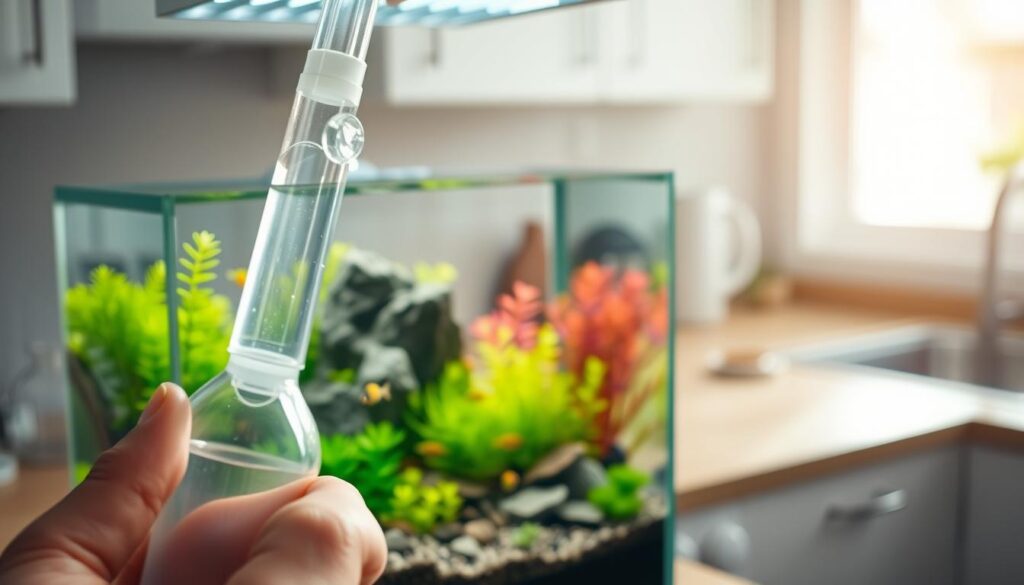
    • Monitor combined light every week.
    • Reduce artificial time during bright months.
    • Use ramping schedules to change photoperiod slowly.
    • Keep timing consistent to prevent algae surges.

    Measuring Light Exposure Effectively

    Begin by using a PAR meter to measure Photosynthetically Active Radiation in µmol/m²/s. This tells you how much light is good for photosynthesis. Measure at plant height and across multiple points to see how light is spread.

    It’s also important to check the light spectrum along with its intensity. Blue light (450–470 nm) and red light (620–660 nm) help plants grow in different ways. Using full-spectrum white LEDs can help plants grow well if you adjust the output right.

    • Use manufacturer PAR maps from brands like AI Prime, Fluval, or Kessil when available.
    • Compare those maps with your PAR meter readings to validate real-world output.
    • Clean fixtures and glass often; dust and film reduce effective light.

    When measuring light exposure, remember LED intensity percentages can be misleading. Start with 20–40% brightness. Slowly increase the output while watching your plants and algae. Keep a journal or spreadsheet to track changes.

    1. Borrow or buy a PAR meter for precise readings.
    2. Take multiple measurements across the tank or canopy.
    3. Log timer settings, intensity, and PAR values together.

    For planted freshwater tanks, aim for moderate PAR, about 50–150 µmol/m²/s. Reef systems need even more PAR and strict spectrum control. Match readings to what your plants or corals need before changing light settings.

    Keep notes on how plants respond to light changes. Track growth rates, leaf color, and algae. Use this record to fine-tune future changes and to justify adjusting light interval in small increments.

    Make measuring light exposure a regular part of your maintenance routine. Regular checks help you spot any changes in output, prevent algae, and keep conditions stable for healthy growth.

    Tips for Fine-Tuning Light Duration

    Start small and change one thing at a time. This makes it easier to see the effects. Wait about two weeks after each change to see how plants and algae respond. Keep a simple log of dates, settings, and observations so you can repeat what works.

    Use a checklist to guide your light duration customization. Begin new planted tanks at 6–8 hours of light. Keep LED intensity low at first, near 20–40% on many fixtures. If growth is slow and algae are absent, raise duration toward 8–12 hours or increase intensity slowly.

    Take advantage of modern light adjustment techniques in smart fixtures. Use acclimation modes and ramping to reduce shock when you increase intensity or duration. Program gentle sunrise and sunset curves to mimic natural transitions and cut stress on plants.

    Maintain equipment for consistent results. Clean fixtures and lenses regularly, cover the full tank length to avoid hotspots, and match the spectrum to plant needs. These routine steps support stable light duration customization and keep algae in check.

    • Set timers for reliable schedules and avoid daily guesswork.
    • Schedule smart fixture ramps instead of abrupt changes.
    • Prune and fertilize as plant biomass increases to balance demand.
    • Record each adjustment so you can reproduce effective runs.

    Follow an incremental plan for adjusting light duration. Make modest increases in either time or intensity across several sessions. Monitor plants and algae closely and revert if issues appear. Use your log to spot patterns over weeks, then refine your light adjustment techniques based on real results.

    Common Mistakes in Light Duration Management

    Many think more light means healthier plants. But leaving lights on all day is a big mistake. It causes algae to grow and stops plants from breathing at night.

    Changing too many things at once makes it hard to see what works. If you change the light hours, fertilizer, and water flow all at once, you won’t know what helped. Make one change at a time and wait a week or two before checking the results.

    • Using the wrong light fixture is common. Many default kits don’t have enough light or the right color. Brands like Fluval and Current USA make lights that are good for plants.
    • Just looking at hours of light without checking the quality is a mistake. Plants can look weak or leggy if the light is not right. Use a PAR meter or check the light’s specs to see if it’s good.
    • Not paying attention to natural light can mess up your schedule. The position of your windows and the sun’s movement can change your light plan.

    To fix these issues, start by using timers or smart plugs to keep your light schedule steady. When you need to change the light time, do it in small steps of 15–30 minutes.

    If your current lights aren’t strong enough, it’s time for a change. Look for lights made for planted tanks. Check the PAR and spectrum, keep track of your changes, and note how your plants react.

    1. Find out what’s wrong: algae, weak stems, slow growth.
    2. Change one thing: light hours, fixture, or nutrients.
    3. Write down the date and what happens in a simple log.
    4. Make small changes to get the light just right for your plants.

    By avoiding these mistakes and adjusting your light carefully, you can keep your plants healthy and prevent algae.

    Case Studies of Light Duration Adjustments

    Here are three real-life examples of how changing light duration and interval can help your planted tank. Each example gives you clear steps to follow. You can use these tips with smart fixtures and keep track of your progress.

    • New planted tank startup. Start with 6–8 hours of low light (20–40%) and use a timer. Keep a journal of your daily settings and notes. Once plants grow, slowly increase light time to 8–12 hours if needed. If algae shows up, reduce light and intensity while checking nutrients and flow.
    • Adding moderate to high-light species. When adding plants that need more light, increase intensity slowly. Keep light time at 8–10 hours. Make sure CO2 and nutrients are enough. Use smart LEDs to gradually adjust plants to new light. Record these settings for future use.
    • Responding to an algae outbreak. Cut back on light and increase water changes right away. Check if nutrients and CO2 are balanced. Log the changes and wait for algae to go away. Then, go back to settings that helped plants grow well.

    Optimizing light means balancing timing, intensity, CO2, and nutrients. Keep a log to compare changes in light duration versus interval. This record helps you repeat success and avoid mistakes.

    Smart fixtures make adjusting settings easier. Set the fixture to match your logged settings and watch plant response for a week. If needed, make small changes one at a time to see what helps.

    Conclusion: Achieving the Perfect Balance

    When setting up light for a planted tank, start with a regular schedule. Use timers and smart controls for this. Begin with 6–8 hours of light for new setups.

    Change the light gradually when needed. Wait two weeks to see how plants and algae react. This helps you adjust light settings better.

    Match the light schedule to your plants’ needs. Measure PAR and spectrum to make better choices. Light is just one part of the equation.

    Balance light with nutrients and CO2. This helps plants grow better than algae. Keep your tank clean and log your settings for consistent results.

    Choose a good LED fixture for your tank. It should have dimming and scheduling options. Pair it with smart controls for precise light settings.

    Use case studies as a guide. Experiment carefully, monitor often, and make small changes. With patience and practice, you can get your light settings just right.

    FAQ

    What is photoperiodism and why does it matter for planted tanks?

    Photoperiodism is how plants react to day length. It controls photosynthesis, growth, and respiration. Plants need a set light period and dark time for growth.

    A stable photoperiod helps plants grow better. It also keeps fish and plants healthy. Plus, it stops algae from growing too much.

    How long should I run my lights in a new planted aquarium?

    Start with 6–8 hours of light a day for new tanks. Use low intensity lights, about 20–40% on LEDs. Wait two weeks to see how plants react.

    Then, you can slowly increase light time. But watch out for algae. If it grows, turn the lights off sooner.

    How does light duration interact with intensity and spectrum?

    Light duration, intensity, and spectrum all matter for plant growth. More intensity means shorter light times. Less intensity lets you light it longer.

    PAR (400–700 nm) is the light range plants use. Moderate tanks aim for 50–150 µmol/m²/s. Spectrum affects how well light reaches plants.

    What photoperiods suit low-, moderate-, and high-light plants?

    Low-light plants like Java Fern and Anubias need 6–8 hours of light. Use lower intensity lights.

    Moderate-light plants, like Amazon Swords, need 8–10 hours. They do well with moderate PAR. High-light plants, like red plants, need 8–10 hours but more intensity.

    If I see algae, should I change photoperiod first or nutrients/CO2?

    First, try reducing light time and intensity. This is the safest step. Then, check CO2 and nutrients. Make sure to keep a consistent schedule.

    Change only one thing at a time. Wait two weeks to see how it works. Use a timer to keep things consistent.

    How do smart LEDs and ramping features help with photoperiod control?

    Smart LEDs let you set exact light times. They also have features like ramping for natural light changes. This helps plants adjust to new light levels.

    Ramping reduces stress on fish and plants. It’s great for introducing new plants or changing light levels.

    Can ambient room light or direct sunlight affect my tank schedule?

    Yes, natural light can change your tank’s light time. Direct sunlight can be too much. Use a timer to keep light consistent.

    If your tank gets natural light, adjust artificial light during bright months. This keeps light steady.

    How should I measure and track light for reliable adjustments?

    Use a PAR meter to measure light. Check manufacturer PAR maps for your LED. Keep a log of light settings and plant responses.

    Remember, LED percentages can be misleading. Start low and increase slowly. Watch for algae.

    What practical methods can I use to adjust light duration if my fixture lacks dimming?

    Use a timer for consistent light. Raise the fixture to lower intensity. Split the light into two sessions with a break.

    As a last resort, cover some LEDs. Consider a new LED with dimming if possible.

    Which factors determine how I should fine‑tune photoperiod for my setup?

    Consider tank location, fixture quality, and plant species. Also, think about CO2, nutrients, water depth, and seasonal changes. Adjust light based on these factors.

    What’s a safe process for making changes to light duration?

    Change one thing at a time. Start with small adjustments. Use a timer and wait two weeks to see results.

    Record each change and how plants respond. This helps you find the best settings.

    What common mistakes should I avoid when managing photoperiod?

    Don’t leave lights on all day. This hurts plant growth and invites algae. Make one change at a time.

    Don’t ignore PAR and spectrum. And watch out for natural light changes. These can mess up your schedule.

    How do seasons affect indoor planted tanks and what should I do?

    Daylight changes with the seasons. If your tank gets natural light, adjust artificial light. Use a timer to keep light steady.

    Smart fixtures help adjust to seasonal changes. This keeps plants happy all year.

    Can you give quick, evidence-based scenarios for common situations?

    For a new tank, start with 6–8 hours of light. Use low intensity and increase slowly. If algae appears, reduce light and intensity.

    When adding high-light plants, increase intensity carefully. Use a timer and ramping. For algae, reduce light and intensity first.

    What should I invest in to make photoperiod control easier and more repeatable?

    Get a quality LED with dimming and scheduling. Use a reliable timer and PAR meter. Keep a log of settings and plant responses.

    Regular maintenance helps keep light consistent. Clean fixtures, prune, and fertilize plants regularly.

  • How to Maintain Pre-Filter Sponges to Protect Baby Shrimp

    How to Maintain Pre-Filter Sponges to Protect Baby Shrimp

    This article will teach you how to keep pre-filter sponges clean. This is to ensure baby shrimp and other small fish stay safe. You’ll learn the basics of cleaning these sponges and how to do it without harming tiny creatures.

    Dwarf shrimp, like Caridina and Neocaridina, are very small. Adults are about 15–40 mm, and new shrimp are just 1–2 mm. These tiny shrimp can easily get caught in filters and skimmers, leading to injuries or death.

    Next, you’ll find out how to pick the right sponge and install it correctly. You’ll also learn a safe cleaning method and how to avoid clogging the sponge. We’ll discuss how to spot pests in sponges and when it’s time to replace them. Keeping intake sponges clean also helps your aquarium’s filtration system work better.

    Understanding the Importance of Cleaning Intake Sponges

    A close-up shot of several cleaning intake sponges submerged in warm, soapy water. In the foreground, a pair of hands wearing yellow rubber gloves gently scrub the sponges with a soft bristle brush, creating small bubbles and splashes around them. The sponges are various shapes and colors, including blue, green, and orange, reflecting light playfully as they soak. In the middle ground, a small, clear tank filled with vibrant aquatic plants and baby shrimp sits on a kitchen counter, slightly out of focus, highlighting the importance of clean sponges for the shrimp's environment. The background features a well-lit kitchen with soft natural light streaming in through a window, creating an inviting and serene atmosphere, ideal for home aquarium maintenance.

    Your intake sponge does two key jobs in a shrimp tank. It stops baby shrimp, snails, and plant debris from getting sucked into pumps. It also helps nitrifying bacteria grow, which is important for cleaning ammonia and nitrite.

    Not cleaning them regularly can cause problems. Clogged sponges can lower the flow rate and reduce filter output. This can stress gas exchange and lead to spikes in ammonia and nitrite, harming your shrimp.

    Some internal filters have open slits that can trap shrimp. If these devices run all the time, a clogged opening can trap shrimp. It’s important to check for vulnerable spots in your equipment.

    DIY fixes like nylon stockings or sponge rolls can block debris. But, they might not work well or could damage the motor if not fitted right. Commercial guards, like Dennerle Nano BabyProtect, are safer and better for protecting your shrimp while keeping the flow good.

    Cleaning intake sponges regularly helps your pump last longer. It also means you won’t have to do deep cleanings of your media as often. This keeps your biological filter stable and reduces the need for emergency maintenance for air and vacuum filter care.

    Types of Pre-Filter Sponges

    A detailed arrangement of various pre-filter sponge types displayed artistically on a light wooden table. In the foreground, showcase a selection of sponges in different shapes and sizes, including cylindrical, rectangular, and round varieties, all with distinct textures and colors. The middle ground features a soft-focus aquarium environment, gently illuminated by natural light streaming in from a nearby window, casting delicate shadows. In the background, a blurred image of a healthy aquarium with baby shrimp swimming, highlighting the importance of pre-filter sponges in their habitat. The overall mood is serene and educational, evoking a sense of care and responsibility in maintaining aquatic life. The composition should feel inviting and informative, perfect for a nature enthusiast's article.

    There are a few common types of pre-filter sponges for aquarium intakes. The most well-known is the coarse-porosity foam cylinder with a center hole. Brands like Fluval and Aqueon make these ready-made guards that fit over intake tubes.

    Coarse foam pads cut-to-fit are great for DIY setups. You can trim a sheet to fit your internal filters or HOB intakes. Fine-pored sponges are less common but useful for protecting very small fry or adding extra mechanical filtration.

    Molded guard assemblies combine rubber edges with stainless mesh. These guards are durable and look good. They’re often used on glass lily pipes or display-ready canister inlets where looks matter.

    • Size options: small/mini for low-flow filters, medium for mid-range, large for high-flow units.
    • Many brands map models to sponge sizes. Check charts from Aquarium Co-Op, Marineland, Seachem, Penn-Plax and Tetra when you match parts.

    Installing a pre-filter can be simple or require some hardware. Some intakes need O-rings to hold a sponge. Others work with zip ties or hose clamps. You can turn a powerhead into a mini filter by zip-tying a sponge over the intake basket, but watch flow loss.

    Choose the right pre-filter for your filter type for the best results. For internal filters, cover slits with a fine sponge or nylon stocking if a factory guard is missing. This keeps baby shrimp safe without blocking flow paths.

    Canister filters work well with a nylon stocking over the inlet strainer or a dedicated pre-filter sponge on the intake tube. If you use glass lily pipes, pick stainless mesh or molded guards to keep aesthetics and safety aligned.

    Hang-on-back filters accept sponge rolls shaped into rings when a rigid guard won’t fit. For surface skimmers, choose specialized shrimp guards such as Eheim Skim 350 shrimp guard or Green Aqua Guard, or run the skimmer on a timer that gives shrimp escape windows.

    When choosing an intake sponge, consider safety versus performance. Commercial products from trusted brands often deliver tested flow and protection. DIY solutions work, but they can reduce pump output if the pore size or fit is wrong.

    Follow basic sponge cleaning tips to keep any pre-filter sponge effective. Regular rinsing prevents clogging and maintains flow. For systems using air-driven inlets, learn the best way to clean air filters and incorporate that step into your maintenance routine.

    Signs Your Intake Sponge Needs Cleaning

    Watch for changes in water flow and how the surface moves. If the filter’s outflow drops or the surface agitation weakens, the sponge is clogged. Check the output after the pump runs. If it’s weaker than usual, it’s time to clean.

    Look at the sponge itself. If it’s covered in brown or green gunk, it’s clogged. This means you need to clean the filters to keep water flowing right.

    See if debris keeps coming back to the tank after the filter cycles. If waste bits keep returning, the sponge isn’t trapping well. You should learn how to detect clogged sponge before it gets worse.

    Listen for strange noises from the pump. If it sounds different or struggles, it might be blocked. These sounds mean the motor is working harder because the intake is blocked.

    • Long intervals without cleaning—monthly is a good rule for most setups.
    • After heavy feedings, substrate disturbance, or plant trimming that raises particulates.
    • High stocking or dense plant load that speeds clogging.

    Watch your shrimp closely. If they’re stuck near the intake or missing after filter cycles, it’s a big risk sign. Excess biofilm on intake parts attracts shrimp, increasing entrapment attempts. If you see this behavior, clean the filters right away.

    For regular care, clean the intake sponge once a month or sooner if you notice decreased output. Adjust how often based on stocking density, feeding habits, and plant numbers.

    Knowing how to detect clogged sponge helps protect baby shrimp and keeps water quality good. Regular checks and timely cleaning keep your filtration working well and prevent accidents around the intake.

    Step-by-Step Guide to Cleaning Your Sponges

    First, turn off the filter and unplug it. If you have a protein skimmer on a timer or a smart plug, stop it. This keeps your tank calm while you clean.

    Next, remove the sponge carefully. Use a plastic bag or container to scoop it out. This helps prevent detritus from spreading into the aquarium. Aquarium Co-Op and other experts recommend this method for safe handling.

    Now, prepare old tank water in a bucket or plastic bag. Don’t use tap water for rinsing; chlorine will harm beneficial bacteria. This step is key for successful DIY filter cleaning.

    1. Squeeze and wring the sponge in the old tank water until the rinse water clears. Repeat until debris is minimal.
    2. If the sponge is clogged, do more wringing cycles instead of replacing it. This helps keep the biological colonies alive.
    3. If the sponge is deteriorating or breaking, replace it. This prevents fragments from getting into the intake.

    Optional: pour the dirty rinse water on houseplants or the lawn. It acts as a mild fertilizer and keeps waste out of the drain.

    Put the sponge back on the intake tube securely. Use an O-ring, zip tie, or tight friction fit. Make sure it’s properly seated to prevent gaps and stray bits.

    Restart the filter and check the flow. Listen for any unusual noises. Watch the intake area for trapped livestock or odd behavior in the first few minutes.

    • For canister and HOB setups, clean the pre-filter sponge instead of the main media. This reduces disturbance to the biological filter.
    • Keep sponge cleaning as a routine. Light, regular maintenance extends sponge life and supports vacuum filter care between major cleanings.

    Follow these steps for safe and effective sponge cleaning. They help your sponges stay effective without harming beneficial bacteria or your shrimp population.

    Best Practices for Regular Sponge Maintenance

    Make a sponge maintenance schedule to protect baby shrimp and keep water quality good. Check intake sponges every week. Clean them at least once a month if flow is low or water is cloudy.

    Keep up with air filter maintenance. Surface skimmer sponges need more frequent checks. Stick to a filter cleaning routine, even when busy.

    • Use dedicated buckets and old tank water when you rinse sponges.
    • Wear gloves if you prefer, and keep spare sponges, O-rings, zip ties, and rubber edge mesh guards on hand.
    • Avoid soaps, bleach, and disinfectants; these strip beneficial biofilm.

    Replace sponges that crumble, smell bad, or lose shape. Lifespan depends on material and cleaning frequency. Keep track of replacements to spot trends.

    Keep a simple log of clean dates and sponge swaps. Note water parameter readings and shrimp behavior after each service. This record helps link sponge work to shrimp health and water chemistry shifts.

    When you deep-clean canister media, stagger maintenance across different pieces so you do not remove all biological filtration at once. Do not sterilize sponges with tap water; preserve some biofilm to maintain nitrifying bacteria.

    Apply the best sponge cleaning tips by rinsing gently in tank water and squeezing until runoff clears. If a sponge traps debris after several cleanings, swap it for a new one. Use the old one as backup for coarse filtering.

    Consider trusted products designed for shrimp systems. Aquarium Co-Op pre-filter sponges, Dennerle Nano BabyProtect for internals, Eheim shrimp guard, Green Aqua Guard for skimmers, and select Oase models are made to protect delicate shrimp while keeping flow steady.

    Keep your routine simple and consistent. A steady sponge maintenance schedule and a clear filter cleaning routine will cut stress on shrimp and extend the life of your equipment.

    Tips for Preventing Future Clogging

    Keep waste low by controlling feeding and stocking. Feed small amounts and clean up uneaten food fast. A balanced shrimp population helps reduce waste and supports filter flow.

    Place the pre-filter sponge at the intake tube’s tip. This ensures water flows evenly through the sponge. Aquarium Co-Op recommends this to avoid hotspots that need frequent cleaning.

    • Match sponge porosity to your pump flow: use coarse-porosity for high-flow setups and finer sponge for low-flow tanks.
    • Use secure fits like O-rings or zip ties to stop slipping. Cut-to-fit coarse pad inserts can fill gaps and stabilize odd-shaped intakes.
    • Install stainless-steel mesh or a small filter guard around the inlet to reduce direct suction on sponge faces and protect shrimp.

    Vacuum substrate regularly to remove suspended particulates. Also, do routine partial water changes for better water quality. This makes cleaning clogged filters easier when needed.

    Automate skimmer cycles with timers or smart plugs. This way, skimmers run in short intervals. Short breaks let trapped shrimp escape and reduce clogging.

    For long-term health, combine vacuum filter care with periodic checks of seals and hose connections. Small fixes now prevent bigger clogs and support ongoing filter flow maintenance.

    Identifying Common Pests in Sponges

    Many pests hide in pre-filter pads. Planaria, hydra, and detritus worms live in biofilms. Small snail eggs and tiny snails stick to sponge fibers. Filamentous algae or Aphanomyces create stringy mats, while cyanobacteria shows as dark smears. Sometimes, small crustaceans or amphipods get stuck in the sponge.

    Spotting pests in intake sponge is easy. Look for tiny, quick-moving creatures in rinse water for planaria or other microfauna. Green or black stringy material means filamentous algae or cyanobacteria. Tiny shells or egg clutches show snail growth.

    Be careful when dealing with pests to protect shrimp. When cleaning sponges, squeeze them in old tank water to remove pests. For planaria or hydra that harm shrimp babies, use safe treatments or quarantine the sponge. Many chemicals are harmful to shrimp, so use them carefully.

    Prevent pests from coming back. Check plants and new decorations before adding them to your tank. Rinse or dip them to remove eggs and small creatures before they reach your sponge.

    Remember the balance of nature when removing pests. Small creatures are food for shrimp and help break down waste. Remove pests gently and clean sponges carefully to keep a healthy environment.

    Enhancing Filter Efficiency with Quality Sponges

    Choosing quality pre-filter sponges makes your tank better at handling waste and protecting baby shrimp. A coarse-porosity sponge gives nitrifying bacteria a place to work while letting water flow smoothly. This combo boosts biological processing and keeps mechanical capture effective.

    There are sponges from Aquarium Co-Op, Fluval, and Aqueon in mini, medium, and large sizes. Choose the right size for your filter and water flow. The right size fits well, ensures even water flow, and reduces dead spots.

    • Place the sponge at the intake tip so it does the work. This stops clogs and extends cleaning time.
    • For units that might trap shrimp, use Dennerle Nano BabyProtect or Eheim shrimp guards. They keep fry safe without blocking water flow.
    • Stainless-steel mesh filter guards with rubber edges are durable upgrades. They look good on glass lily pipes and metal intakes.

    Upgrading to the right sponge means less cleaning and protects the pump from debris. This improves pump life and cuts down on maintenance time.

    To clean air filters and sponge pre-filters well, rinse them gently in tank water during water changes. Avoid harsh detergents. This keeps beneficial bacteria and restores mechanical performance.

    Use product fitment guides from trusted brands to pick sponges. This balances flow, capture efficiency, and shrimp protection. Making smart choices in sponges and filter guard upgrades leads to stable water and healthier fry.

    Troubleshooting Common Problems

    If flow drops after cleaning, check the sponge’s fit and water path. Make sure O-rings or zip ties don’t block the water. Reinstalling the prefilter often fixes flow issues without part replacement.

    Look at the intake tube and upstream parts like canister strainers or baskets. Debris can cause problems further upstream. Regular checks help solve issues and keep performance up.

    • When the sponge slips off, try an O-ring kit, a zip tie, or a small sponge piece for a tighter fit.
    • If clogging persists, consider a larger or coarser sponge. Reduce feeding or vacuum the substrate to lower particulate load.
    • Watch for algae blooms or cyanobacteria that add detritus. Treat light and nutrient issues to stop repeat clogging.

    If baby shrimp keep getting trapped, add external guards like rubber-edged mesh or a nylon stocking over the strainer. Swap intake parts for shrimp-proof designs such as Dennerle Nano BabyProtect or Eheim shrimp guard to protect small livestock.

    Skimmers can pull shrimp when they run constantly. Move skimmers to timed operation or choose models with smaller float openings to reduce capture risk. These small adjustments assist in troubleshooting filter problems tied to animal safety.

    For excessive biofilm or pests in the sponge, rinse more often and remove visible colonies by hand. Quarantine new plants and check them for hitchhiking snails or rotifers before introducing them to the tank.

    Know when to replace the sponge. Replace it if it breaks down, loses elasticity, or fragments when wrung. Clean in tank water to protect beneficial bacteria and avoid over-sterilizing the filter media.

    Use regular maintenance to prevent most issues. Learning how to clean intake sponges and cleaning clogged filters on a schedule extends sponge life and lowers emergencies. Pair these steps with basic air purifier maintenance habits for whole-system health when you use similar small filters in other equipment.

    Resources for Further Learning

    For more detailed advice, turn to trusted sources. Aquarium Co-Op has great blog posts and videos on choosing and cleaning pre-filter sponges. They also have tips on Dennerle Nano BabyProtect, Eheim shrimp guards, and more.

    Join community forums and aquascaping groups for real advice. You can find tips on safe intake modifications and DIY filter cleaning guides. Also, check out local fish stores and online shops for parts like O-ring kits and mesh filter guards.

    Learn about filtration basics and biological cycling to understand sponge maintenance’s role. Read guides on shrimp care to ensure safety for different species. Also, find tutorials on air purifier and aquarium filter maintenance.

    If you need specific help, contact the manufacturer’s customer service. They can offer advice on shrimp safety and equipment use. These resources will help you protect baby shrimp and keep your system running smoothly.

    FAQ

    What is the purpose of maintaining pre-filter (intake) sponges?

    Keeping intake sponges clean protects baby shrimp and other small animals. It stops them from getting sucked into filters. It also helps the filter work better by catching debris and providing a home for beneficial bacteria.

    Why does this matter for dwarf shrimp like Caridina and Neocaridina?

    Dwarf shrimp are small, and their babies are even tinier. They can easily get caught in filters. If they get stuck, they might get hurt or die.

    What intake types most commonly put shrimp at risk?

    Many types of filters can harm shrimp. This includes internal filters, canister filters, and surface skimmers. These filters can trap shrimp if they’re not protected.

    What solutions will keep shrimp safe while maintaining filter performance?

    To keep shrimp safe, use the right sponge size and fit. Clean the sponge regularly with old tank water. Avoid clogging and use commercial guards when needed.

    How do intake sponges serve a dual role in the aquarium?

    Intake sponges act as a barrier to stop shrimp and debris. They also provide a place for beneficial bacteria to grow. This helps keep the water clean.

    What happens if I neglect pre-filter sponges?

    Neglecting sponges can lead to clogs. This reduces the filter’s efficiency. It can also cause water problems that harm shrimp. Clogs can also damage the filter.

    What types of pre-filter sponges are available?

    There are many types of sponges. You can choose from foam cylinders, cut-to-fit foam pads, and molded guards. Each has its own benefits.

    How do I choose the right sponge size and fit for my filter?

    Choose a sponge based on your filter’s flow. Brands like Aquarium Co-Op offer guidance. Make sure it fits snugly for even flow.

    How often should I inspect and clean intake sponges?

    Check sponges weekly. Clean them monthly, or more often if needed. Surface skimmer sponges might need more frequent checks.

    What are the clear signs that a sponge needs cleaning?

    Look for a drop in filter outflow or debris buildup. Also, check for noises from the impeller. These signs mean it’s time to clean.

    How do shrimp-specific risk signs present themselves?

    Signs include finding shrimp stuck to intakes or missing shrimp. Heavy biofilm on intake parts also poses a risk. If you see these signs, add guards and inspect sponges.

    What is a safe, repeatable method to clean a pre-filter sponge?

    Turn off the filter and remove the sponge in a plastic bag. Rinse and wring it in old tank water until it’s clear. Reinstall it securely and check the flow and sounds.

    Can I use tap water to clean sponges?

    No, tap water can harm beneficial bacteria. Always use old tank water for rinsing. If you must disinfect, do so outside the tank and understand the consequences.

    When should I replace a sponge instead of cleaning it?

    Replace a sponge if it’s crumbled, lost elasticity, or has persistent odors. Cleaning preserves beneficial bacteria, but damaged sponges need to be replaced.

    Are DIY fixes like nylon stockings or glued sponge rolls safe?

    DIY fixes can work but may reduce performance. Nylon stockings and glued sponge rolls can restrict flow. Prefer commercial guards when possible.

    How should I protect different filter types?

    Use fine sponges or stockings for internal filters. For canister filters, use a nylon stocking or sponge on the intake. HOB filters need a sponge ring or commercial pre-filter. Surface skimmers should have shrimp-specific guards or run on timers.

    What tools and supplies should I keep for sponge maintenance?

    Keep buckets, old-tank water, spare sponges, O-rings, and zip ties. Use gloves if needed. Avoid soaps and tap water when cleaning.

    How do I handle pests and hitchhikers found in sponges?

    Common hitchhikers include planaria and hydra. Remove pests by squeezing sponges in old tank water. For harmful pests, treat sponges in a quarantined container.

    How do quality sponges improve filter efficiency?

    Quality sponges capture debris and provide surface area for beneficial bacteria. They resist clogging and improve filter performance.

    My flow dropped after reinstalling the sponge. What should I check?

    Check if the sponge is compressed or blocking the intake. Make sure O-rings or zip ties aren’t obstructing flow. Inspect the intake tube and strainers for debris.

    Shrimp are stil getting trapped—what can I do?

    Add external guards or a nylon stocking over the strainer. Replace intake parts with shrimp-proof designs. For skimmers, use timers or switch to models with smaller openings.

    How do I prevent frequent clogging?

    Use a coarse-porosity sponge and position it correctly. Reduce overfeeding and vacuum substrate regularly. Perform partial water changes to prevent clogging.

    Are there recommended commercial products for shrimp-safe intake protection?

    Yes, recommended products include Aquarium Co-Op sponges and Dennerle Nano BabyProtect. Eheim shrimp guard and Green Aqua Guard are also good options. Stainless-steel mesh guards with rubber edges work well for lily pipes.

    How should I document maintenance for best results?

    Keep records of sponge maintenance and water parameters. This helps identify issues and refine cleaning schedules.

    Where can I learn more about sponge selection and maintenance?

    Check manufacturer resources and hobbyist communities. Read Aquarium Co-Op blog posts and product guides. Ask experienced shrimp keepers for tips.

  • Using a Turkey Baster: The Most Versatile Maintenance Tool for Nano Tanks

    Using a Turkey Baster: The Most Versatile Maintenance Tool for Nano Tanks

    Meta title: “The Turkey Baster: The Most Versatile Maintenance Tool for Nano Tanks”. Meta description: “Discover the art of using a turkey baster to easily maintain your nano tanks, ensuring a clean and thriving aquatic environment with precision.”

    This section defines the scope: you will learn how using a turkey baster can become your primary precision maintenance tool for nano aquariums and small reef tanks. A stainless steel turkey baster with a detachable rubber bulb is inexpensive, easy to clean, and built to last. It excels at targeted water movement, blasting sand off rock, stirring detritus into the water column, and assisting with coral acclimation.

    Hobbyists often borrow kitchen gear for aquarium tasks, and forum threads on Reef2Reef and AquariaCentral show many keepers listing a turkey baster as an essential item. Paired with a gravel vacuum, brushes, and a small pump, the turkey baster kitchen tool rounds out a compact maintenance kit that fits neatly on a shelf or in a drawer.

    You, a U.S. nano tank hobbyist, will find clear guidance here on turkey baster uses, how to use a turkey baster safely, and how to choose and maintain the best tool for your tank. The rest of the article will walk you through selection, technique, care, and creative repurposing so the baster becomes a reliable part of your routine.

    Understanding the Turkey Baster’s Design and Functionality

    A turkey baster kitchen tool prominently displayed in a well-lit kitchen setting. The foreground focuses on the sleek, transparent bulb of the baster, demonstrating its pliability, with glistening droplets suggesting its use. A measuring scale is etched on the side, emphasizing precision. In the middle, the baster's tube connects seamlessly, showcasing its sturdy design and comfortable grip. The background consists of a neatly organized kitchen counter featuring fresh herbs and spices, enhancing the culinary atmosphere. Soft, natural light filters through a nearby window, casting gentle shadows. The angle captures the baster from a slightly elevated perspective, inviting the viewer to appreciate its functionality and design. The overall mood is inviting, informative, and focused on the versatility of this essential kitchen tool.

    A turkey baster has three main parts: a nozzle, a bulb, and a shaft. The nozzle helps direct the flow, the bulb creates suction, and the shaft connects them. You can find them made from soft rubber or silicone bulbs and plastic, acrylic, or stainless steel shafts.

    Stainless steel models are durable and easy to clean. They have a detachable rubber bulb and a rigid shaft. For a long-lasting tool that’s easy to clean, choose stainless steel for the shaft and a replaceable silicone bulb for comfort.

    The bulb-and-nozzle system allows for precise control. It’s great for small, directed bursts of water and for drawing up debris. Learning how to use a turkey baster in the tank helps with spot cleaning, gentle coral feeding, and removing detritus without disturbing the fish.

    The length of the turkey baster is important for reach and safety. Aquarium-specific models are about 300mm (12″) long. This length allows for safe and effective work across a nano tank. Kitchen basters are shorter, but aquarium models focus on longer reach and firmer nozzles for substrate work.

    • turkey baster design: narrow nozzle for aim, bulb for suction, shaft for reach
    • turkey baster functionality: directed blasts, dirt sucking, coral feeding
    • turkey baster kitchen tool versus aquarium feeder: aquarium units use aquarium-safe plastics or stainless steel to avoid leaching or corrosion

    When deciding between a standard turkey baster and an aquarium-branded dirt sucker, look for aquarium-safe materials. Also, check for comfortable bulb action and a nozzle stiff enough for substrate work. These features are key to the tool’s performance in your nano tank tasks.

    Benefits of Using a Turkey Baster in Nano Tanks

    A close-up view of a person using a turkey baster to maintain a nano aquarium filled with vibrant aquatic plants and tiny colorful fish. The foreground features the clear, flexible turkey baster held in a steady hand, squeezing to release water or nutrients into the tank. In the middle, the nano tank displays an intricately arranged underwater landscape with vivid green plants, miniature rocks, and swimming fish to create a sense of life and movement. The background shows a softly blurred kitchen setup, illuminated by gentle, natural light from a nearby window to enhance the clarity of the scene. The overall mood is calm and focused, emphasizing the precision and care involved in maintaining a nano tank environment.

    A turkey baster is great for removing detritus in nano tanks. You can aim the tip at waste spots behind rocks or under coral. This way, you suck out debris without messing up the whole tank. It keeps the tank clean between big cleanings.

    Using a turkey baster for feeding corals is also smart. You can give small amounts of food to specific polyps or colonies. This method avoids clouding the water and reduces waste and nitrate spikes.

    • Minimal tank disturbance when you clean or feed.
    • Reduced stress for livestock because you avoid reaching into the tank or netting animals.
    • Assists coral acclimation by allowing gentle, localized water movement and targeted dosing.

    Using a baster with bigger tools makes spot tasks quicker. While tools like Python gravel vacuums and Sicce Ultra Zero pumps handle big water changes, the baster is for quick touch-ups. This combo saves time during maintenance.

    Spot tasks finish fast when you use a baster alongside larger gear. While Python gravel vacuums and Sicce Ultra Zero pumps manage big water changes and flow, the baster handles quick touch-ups. This combination saves time during routine maintenance.

    A turkey baster is also good for sand blasting and stirring detritus. Stirred debris is easier for filters and skimmers to remove. You control where sediment goes, improving tank cleanliness without big disruptions.

    A turkey baster is affordable and does many things. Many hobbyists start with a kitchen baster and later get an aquarium-specific one. Both are good deals compared to specialty tools.

    Short, directed bursts with a turkey baster can create extra water movement. This helps move stagnant water and mimics natural currents for corals during feeding or acclimation. Small actions can make a big difference in water quality and animal health.

    Choosing the Right Turkey Baster for Your Nano Tank

    Choose a material that fits your needs. Stainless steel basters with a detachable rubber bulb are durable and easy to clean. Rigid plastic basters are cheaper and good for simple tasks. Soft silicone tips are gentle on delicate corals.

    Make sure the nozzle size is right for your job. A narrow tip is great for feeding corals and cleaning spots. A wider nozzle is better for moving water fast, like when siphoning gravel. It’s also important that the bulb can be removed for a deep clean.

    • Length and reach: standard kitchen basters are fine for shallow tanks.
    • Extended 300mm aquarium models are better for deep or planted tanks.
    • Angled or long designs are useful for tanks with covers or wide overhangs.

    For precise work, consider aquarium-specific tools. These tools have firmer nozzles and are safe for aquariums. They’re perfect for heavy substrate work or frequent feeding.

    Think about what fits your tank best. For small, shallow nano tanks, a short baster is enough. But for tall rockwork or tight lids, choose an extended or angled baster to avoid stressing fish and corals.

    Get some extra accessories to make your turkey baster more useful. Mesh media bags are great for spot quarantine. OXO brushes are good for cleaning narrow tips. Acrylic rods help with gentle repositioning during maintenance.

    1. Consider the cost versus durability: stainless steel is more expensive but lasts longer.
    2. Make sure the materials are safe for aquariums.
    3. Keep a turkey baster substitute, like a dedicated syringe, for precise dosing tasks.

    Learn to use your turkey baster by practicing control and angle. Use gentle, steady suction to avoid disturbing the substrate. A detachable bulb makes it easy to rinse and sanitize, keeping your tank healthy.

    Proper Techniques for Using a Turkey Baster

    Begin with short, focused bursts to remove algae or sand from rocks. When learning, hold the nozzle a few inches away and squeeze in quick, controlled bursts. This method cleans without clouding the tank.

    For removing visible waste, squeeze the bulb as you place the tip near the waste. This hands-on approach is quicker than waiting for the filter. Empty the bulb into a bucket between uses to keep the tank clean.

    To lift waste from the substrate, place the nozzle near the sand and gently stir. This makes it easier for a gravel vacuum or Python system to collect the waste. Using the baster with a larger siphon provides a complete cleaning process.

    For feeding corals, use the turkey baster to deliver food directly to polyps. Squeeze slowly to place a small, accurate stream of food. This method reduces waste and helps picky feeders eat well.

    For coral acclimation, gently introduce tank water or acclimation water around the coral. Use small, even pulses to mix water without shocking the coral. Keep the nozzle close but avoid touching the coral tissue to prevent damage.

    Always keep the nozzle clean to prevent cross-contamination. Rinse the bulb and tip after each use. Use steady, controlled pressure to avoid clouding the tank.

    • Step 1: Use short directed blasts to clear rock and glass.
    • Step 2: Suction visible detritus with the bulb and empty into a bucket.
    • Step 3: Stir substrate near the nozzle to lift waste for a gravel vacuum.
    • Step 4: Deliver precise coral feedings using slow, steady pressure.

    By following these techniques, you’ll achieve consistent results. Mastering the turkey baster improves maintenance and targeted care without needing complex tools.

    Maintenance and Care for Your Turkey Baster

    Make sure your turkey baster is always ready. Rinse it after each use. Use RODI or clean aquarium-safe water to clean the nozzle and bulb. Always use a separate spray bottle for RODI to avoid mixing tap water with your tank.

    For regular care, take apart any detachable parts. Soak them in a mix of citric acid or white vinegar to remove mineral buildup. A short soak can loosen deposits without needing harsh scrubbing. Then, rinse well with RODI to get rid of any leftover residue.

    Wondering how to deep clean a turkey baster? Try a three-step method. First, rinse with RODI. Second, soak in citric acid or vinegar. Third, rinse again and let everything dry completely. Drying is key to prevent mold and keep seals working right.

    Choose the right material for your turkey baster. Stainless steel basters are great because they resist corrosion and can handle strong cleaning. But, plastic tips and rubber parts might not do well with harsh chemicals. Only use bleach if you’re sure to neutralize and rinse it well afterward.

    • Check rubber bulbs often for cracks or tears.
    • Replace bulbs right away if you see any damage to avoid contamination.
    • Have spare bulbs ready from trusted brands like OXO or Cuisinart.

    Store your tools with bulbs removed and in a clean place or hang them. This prevents moisture and contamination. Regular care will make your turkey baster last longer and work better.

    Common Mistakes to Avoid with a Turkey Baster

    Using a turkey baster can make tank care easier, but small errors cause big problems. Learn the common pitfalls so you keep water clear and livestock safe.

    • Overworking the substrate: squeezing and stirring too much detritus at once creates long-lasting cloudiness. When you practice how to use a turkey baster, take gentle, targeted shots. This avoids bulldozing the gravel.

    • Touching delicate animals: an errant nozzle can bruise corals or anemones. Keep distance and aim low to avoid contact while using a turkey baster on fragile displays.

    • Using non-aquarium kitchen basters risks contamination. Never assume a kitchen tool is safe for tanks. If you want a turkey baster substitute, choose aquarium-grade pipettes or syringes from brands like Eheim or Fluval.

    • Neglecting bulb cleaning spreads bacteria between tanks. Empty and disinfect the bulb after use. Failing to do this is one of the most common turkey baster mistakes hobbyists report on forums.

    • Relying on the baster for major maintenance is a misstep. A baster complements tools like gravel vacuums, Sicce utility pumps, Python water change systems, and magnetic scrapers. Treat Using a turkey baster as a spot-cleaning method, not a full solution.

    • Leaving food residue inside the bulb invites disease and foul odors. Rinse thoroughly and air-dry before storage to prevent cross-contamination.

    • Ignoring wear on rubber bulbs risks splitting and loss of suction. Replace worn bulbs promptly to avoid sudden failure during delicate tasks.

    Follow these tips and you will reduce common turkey baster mistakes and extend the tool’s usefulness. When you need a turkey baster substitute, pick items made for aquariums to protect your tank and its inhabitants.

    Creative Uses Beyond the Standard Functionality

    You can use a turkey baster for more than just water changes. It’s great for feeding corals with liquid food or nutrients. This way, you can feed them exactly what they need without disturbing others.

    It’s also good for moving water around corals. This helps them grow and get more oxygen. Plus, it’s gentle so it won’t stress out your fish.

    Try using it to get rid of snails, worms, and dirt under rocks. A few squeezes can help you remove trapped debris. This is helpful when you’re cleaning your tank.

    It’s also useful for cleaning small parts of your tank. You can use it to get rid of dirt in hard-to-reach places. Just make sure to clean it well if you use it for cooking too.

    • Look for aquarium tools that can do both cleaning and feeding. They’re more precise and less messy than kitchen basters.
    • Use an OXO brush set for scrubbing small parts. Acrylic rods are good for pointing or stirring substrate during maintenance.
    • Use mesh media bags with carbon or GFO to manage water quality after treatments or feedings.

    Hobbyists often use household items for reef tasks. You can borrow a kitchen baster for a quick job. But, always clean your tools before using them in your tank.

    Using small tools carefully makes turkey baster cooking for aquariums effective. Pair it with scrubbers and media, and keep your routines simple. This helps keep your tank balanced and healthy.

    How a Turkey Baster Can Help in Emergencies

    A turkey baster is a quick fix for emergencies in a nano tank. It helps remove toxic surface films without messing up the whole setup. Just a short squeeze can clear scum and debris faster than many tools.

    If a small area of water gets polluted, you can use a baster to clean it up. This way, you avoid draining the tank or setting up hoses in a rush. Many hobbyists use a kitchen baster to quickly remove bad water.

    • Deliver fresh RODI water or precise treatment doses to a single coral, shrimp, or fish.
    • Administer medication drops or freshwater dips in controlled, small amounts.
    • Create temporary flow when a powerhead fails by aiming steady streams to mimic circulation.

    Using a turkey baster makes it easier to do targeted rescue tasks. You can flush away detritus from an injured coral to help with treatment. It also helps expose a stuck animal for safer removal without disturbing the whole tank.

    Speed is key in emergencies. Setting up pumps takes time. But with a baster, you can act fast, reducing stress and improving survival chances for sensitive creatures.

    Always follow strict hygiene when using a baster for rescues. Clean tools well before and after use to avoid introducing pathogens. If you cleaned the baster with citric acid or other cleaners, rinse it until no residue remains.

    Knowing how to use a turkey baster well makes it a true first-aid item for your tank. Practice steady strokes, aim carefully, and keep a dedicated, labeled baster for emergency use only. These small habits can make a big difference when you need immediate action.

    Recommended Brands and Products

    You want tools that last and protect your tank inhabitants. For the best turkey baster performance, choose stainless steel basters with detachable bulbs. These hold up to repeated use and resist staining better than plastic. First source retailers often stock high-quality stainless models that pair well with other maintenance gear.

    For aquarium-specific options, consider the Aquarium Multi-Function Dirt Sucker and Coral Feeder ~300mm from reputable reef suppliers. This aquarium-branded tool gives precise control, a 300mm reach, and aquarium-safe materials designed for gentle, repeated cleaning.

    • Look for turkey baster brands that offer detachable bulbs and replaceable tips.
    • Confirm stock and exact dimensions when ordering aquarium-specific tools. Some sellers require pre-order confirmation before shipping.
    • Balance price and longevity: stainless steel costs more up front but often proves the best turkey baster investment over time.

    Pair your baster and dirt sucker with complementary gear for a thorough maintenance kit. Consider the OXO Good Grips Deep Clean Brush Set for scrubbing, the Python gravel vacuum for larger water changes, and the Flipper Magnetic Algae Scraper for glass cleaning.

    For water movement and chemical control, add a Sicce Ultra Zero Utility Pump for fast transfers, plus high-end media such as ROX 0.8 carbon and a high-capacity GFO for phosphate control. These items work with your turkey baster kitchen tool and aquarium dirt sucker to keep tanks stable between major changes.

    1. Buy locally from aquarium stores for hands-on advice and immediate stock checks.
    2. Use online reef suppliers like Jungle Aquatics for aquarium-branded Multi-Function Dirt Sucker models and detailed product specs.
    3. Shop major marketplaces for competitive pricing, but verify seller reviews and return policies.

    When evaluating options, weigh the long-term value of durable turkey baster brands against cheaper kitchen-only alternatives. The aquarium-specific Dirt Sucker often offers a longer reach and sturdier construction for tank work, making it a dependable choice for routine maintenance.

    User Experiences: Real-Life Applications

    Hobbyists often share their success with using turkey basters in nano tanks. They use kitchen tools like basters and silicone spatulas to clean hard-to-reach areas. These tools help remove detritus from rock crevices and skimmer cups with ease.

    Community tips include simple setups for home use. For example, pairing a baster with a 5-gallon bucket helps collect waste during water changes. Many suggest replacing short siphon tubes with long vinyl tubing and adding a rigid straw to prevent over-suction.

    • Use basters for targeted coral feeding to avoid disturbing livestock.
    • Use a turkey baster as a turkey baster substitute when a branded dirt sucker is not available.
    • Keep a cleaning station with buckets, basters, and spare tubing for quick maintenance.

    Users highlight the benefits of using a turkey baster. It makes detritus removal, cleaning small parts, and quick spot maintenance easy. They also appreciate aquarium-branded dirt suckers for their precision and lower stress on fish and corals.

    But, there are warnings too. Always wash kitchen tools well before using them for food. Mark RODI water bottles and basters used for tank work to avoid contamination. These habits keep your aquarium and kitchen safe.

    Remember, community-driven ideas are key when using turkey basters. By swapping tubing, marking gear, and using a dedicated bucket, you can make kitchen basters into durable tools. These changes reflect many user experiences and help keep your tank clean without breaking the bank.

    Final Thoughts on the Versatility of a Turkey Baster

    Using a turkey baster is a simple and cost-effective way to upgrade your nano tank toolkit. A stainless steel baster is durable, as recommended by the First source. The multi-function aquarium dirt-sucker/coral-feeder, noted by the Second source, is great for precise tasks like coral feeding and spot cleaning.

    Pairing a baster with larger tools can save time and reduce disturbance to your fish. Use it with a Python vacuum for water changes, a Sicce pump for flow, OXO brushes and a Flipper scraper for glass, and an RODI spray bottle for rinsing. This setup mirrors the First source’s recommendation, balancing quick precision with scale.

    For practical maintenance, choose the best turkey baster for your tank. Stainless steel or a 300mm aquarium model are good options. Keep it clean with RODI water or a mild citric acid rinse. Practice controlled techniques to avoid stirring debris or stressing your fish. If you need a substitute, look for aquarium-safe syringe or siphon feeders that offer the same precision.

    Actionable next steps: pick a baster that fits your tank size, add cleaning the tool to your maintenance checklist, and make it part of regular upkeep and emergency plans. Check community forums and product pages for availability and stock notes from the Second source. Update your toolkit based on your fish’s needs and tank growth.

    FAQ

    What makes a turkey baster useful for nano aquarium maintenance?

    A turkey baster is great for nano aquarium care. It helps with spot-cleaning, feeding corals, and removing detritus. It’s also easy to clean and durable, making it a handy tool for hobbyists.

    Should I use a kitchen baster or an aquarium-specific dirt-sucker/coral-feeder?

    While a kitchen baster can work, aquarium-specific models are safer and better. They have longer reach and firmer nozzles. If you have delicate fish, choose an aquarium-branded baster.

    What components should I look for when selecting a baster?

    Look for a narrow nozzle and a detachable bulb. The shaft should be safe for aquariums. Stainless steel is best for durability and easy cleaning.

    How do I use a baster to remove detritus without clouding the tank?

    Use short blasts to loosen detritus. Then, place the nozzle close to the substrate and squeeze to draw waste. Stir gently to avoid clouding the tank. Use a siphon or filter to clean up any debris.

    Can a baster be used for coral feeding and acclimation?

    Yes, a baster is great for feeding corals and acclimating new ones. It helps deliver food directly to the corals and gently introduces new water.

    How should I clean and disinfect my baster?

    Rinse the baster with clean water after each use. Soak detachable bulbs in a solution to remove buildup. Rinse well and air dry. Avoid bleach unless you can rinse it off completely.

    What are the most common mistakes hobbyists make with a baster?

    Common mistakes include using too much force and clouding the tank. Also, touching delicate corals and using non-safe basters. Always disinfect between uses to avoid disease.

    How does a baster fit into a larger maintenance kit?

    A baster is a precision tool for spot tasks. It works well with larger equipment like gravel vacuums and pumps. Use it for prep work and targeted feeds, then finish with bigger systems for full cleaning.

    Are stainless steel basters worth the extra cost?

    Yes, stainless steel basters are worth it. They resist corrosion and last longer than plastic. They’re a good choice for frequent use or saltwater tanks.

    Can I use a baster in emergency situations?

    Absolutely. A clean baster can remove polluted water and deliver treatments. It’s also useful for flushing injured corals. Always sanitize it before use.

    How should I store a baster between uses?

    Store the bulb detached to keep it clean. Hang or store the parts in a clean container to dry. Check the bulb regularly for damage and replace it as needed.

    Can using a baster reduce stress for my livestock?

    Yes, using a baster can be less stressful for your fish. It allows for cleaning and feeding without disturbing them or inserting your hand into the tank.

    What accessories complement a baster in nano-tank care?

    Useful accessories include mesh bags, brushes, and acrylic rods. Also, long vinyl tubing and RODI spray bottles. These tools help with maintenance and extend the baster’s use.

    How often should I replace a baster or its bulb?

    Replace the bulb when it cracks or loses elasticity. Replace the whole baster if it warps or the nozzle degrades. Check before use and keep spares for emergencies.

    Where can I buy aquarium-safe basters and related tools?

    You can find stainless steel basters and aquarium tools at local stores and online. Check dimensions and safety labels before buying. Some items may be pre-order.

    Are there hygiene concerns if I use a kitchen baster for my tank?

    Yes, using a kitchen baster can be risky. Sanitize it thoroughly before using it in your tank. Clean it well before returning to food use. Many prefer dedicated aquarium basters for hygiene.

    What creative uses do hobbyists find for a baster?

    Hobbyists use basters for feeding corals, removing detritus, and cleaning small parts. They also use it to direct flow and rescue stuck animals. It’s a versatile tool.