
You’re looking for reliable plant nutrition for both garden beds and potted plants. This article compares root tabs and liquid fertilizers. It explains how each delivers nutrients, how quickly roots can access them, and their role in sustainable gardening.
Root tabs are slow-release capsules that need water to release nutrients into the soil. The timing of release depends on soil moisture and the number of tabs. Gardeners often see results over weeks or months.
Liquid fertilizers work faster but need regular use to keep plants nourished. Social media, like Instagram, shares user experiences and tips for plant care.
This article will look at how each method delivers nutrients, when they’re available, and their impact on soil health. We’ll also compare costs and environmental effects. Our aim is to help you keep your plants healthy for years through sustainable gardening practices.
Understanding Long Term Plant Health
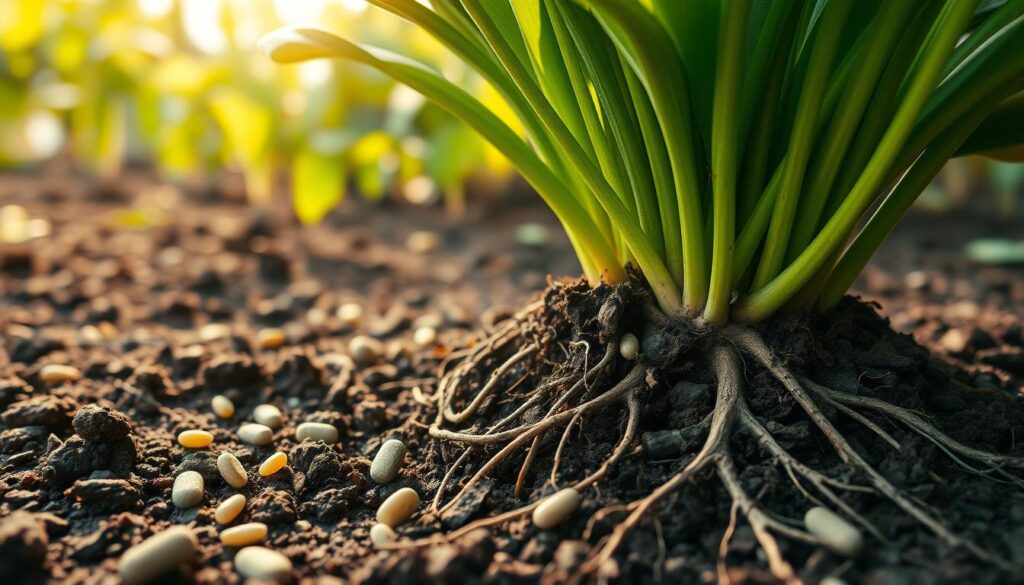
Long term plant health means steady nutrient supply, strong root systems, and balanced soil life. It supports growth year after year. You keep an eye on visible signs like leaf color and root vigor.
Using tests to track changes in nutrient cycles is also important. This helps you understand how your plants are doing.
Slow-release sources such as root tabs help with long term plant health. They release nutrients over months. How often and how much you apply affects soil nutrients.
So, pair slow-release inputs with periodic soil tests. This way, you can check NH3/NH4 and NO3 levels.
Practical plant care tips include consistent watering techniques and routine pest checks. Adding organic matter to the soil also helps. These steps support soil biology and reduce shock when you change fertilizers.
Garden maintenance routines tie the plan together. Schedule soil tests, record plant responses, and adjust fertilization based on measured needs. Community practices, from forums to Instagram reports, show watering rhythms and maintenance routines that work in real gardens.
Track outcomes with simple measures. Use soil health improvement methods like compost and cover crops. Watch for steady growth and log any shifts in disease or nutrient deficiency. This way, you can integrate fertilization into a broader plant nutrition management strategy.
What Are Root Tabs?
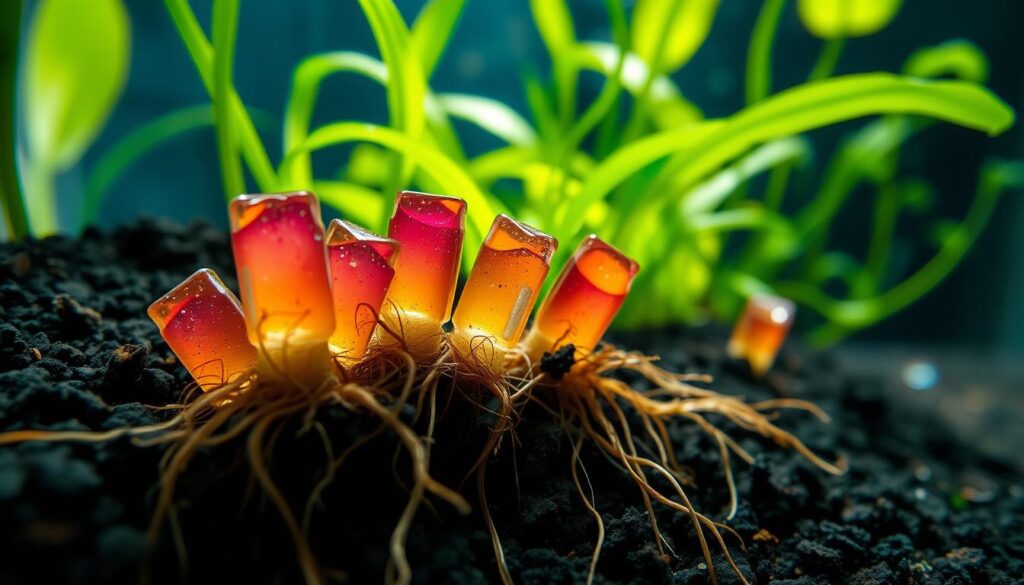
Root tabs are small, hard pellets you put near a plant’s roots. They need water to break down and release nutrients. This can take some time after you put them in.
These tabs usually have a mix of NPK, iron, and trace minerals. You put them in the soil near the roots. This creates a spot where plants can get nutrients steadily.
How long they last depends on the brand and how active the roots are. Some can feed plants for weeks, others for months. You can find tips on where and how many to use on Instagram and forums. People share their experiences and advice.
- Common placement: 1–3 inches from the root ball, spaced evenly around the plant.
- Typical count: one to four tabs per small to medium plant, more for heavy feeders.
- Release timeframe: measured in weeks to months depending on moisture and root uptake.
Check how well the tabs are working by testing for certain nutrients. Do this every week. It helps you see if you need to add more tabs to avoid too much or too little nutrients.
Root tabs work well with organic fertilizers. Using compost or organic tabs helps your soil. It keeps the nutrients focused on the roots without needing to water them often.
Root tabs help plants grow strong roots. But, make sure to also feed the rest of the soil. This keeps the soil healthy for a long time.
Exploring Liquid Fertilizers
Liquid fertilizers give plants nutrients quickly because they dissolve fast. This makes nutrients available to roots and leaves right away. You can use simple test kits to see how quickly plants respond.
There are many types of liquid fertilizers. You can find complete formulas, micronutrient mixes, and organic extracts like seaweed and fish emulsion. Each type has its own purpose, like quick fixes or regular feeding.
There are different ways to apply liquid fertilizers. You can use a soil drench, foliar spray, or fertigation. Foliar spray is great for quick fixes because it goes through leaves.
- Soil drench: good for root uptake and steady absorption.
- Foliar spray: best for rapid correction and foliar feed techniques seen on Instagram demos.
- Fertigation: integrates with irrigation systems for uniform distribution.
Adjust how often you feed plants based on their growth. Fast-growing plants might need to be fed weekly. Slow-growing plants like succulents might only need a feed every month or two. Always start with half the recommended amount to avoid burning plants.
Liquid fertilizers work well with your watering schedule. Apply the feed after watering to avoid shocking the roots. You can also mix it with your irrigation system for even distribution. Use less feed when you water less often.
For safety, measure the fertilizer carefully and mix it in clean water. Too much can cause leaf tip burn and stress the roots. If you see burn, flush the soil with plain water and reduce the amount of fertilizer you use.
Use liquid fertilizers for quick fixes and targeted nutrition during growth spurts. For regular care, mix in lighter feeds with occasional complete feeds. This keeps the nutrients balanced.
- Keep records of dosing and response to refine plant care tips over time.
- Use test kits to avoid nutrient swings and to tailor plant nutrition precisely.
- When experimenting, follow manufacturer guidance from trusted brands like Schultz or Miracle-Gro for predictable results.
Comparing Nutrient Absorption Rates
Liquid fertilizers and root tabs have different ways of getting nutrients to plants. Liquids work fast, quickly increasing nitrogen, phosphorus, and potassium levels. This is shown in tests that spike soon after use, showing quick changes in plant nutrition.
Root tabs, on the other hand, release nutrients slowly. This is because water must first break through a hard shell to reach the soil. This slow release gives plants a steady supply of nutrients. Testing for NH3/NH4 and NO3 helps track when nutrients start being released, depending on the number of root tabs and soil moisture.
The type of roots and soil texture also affect how well each form works. Dense roots near root tabs absorb nutrients more efficiently. Sandy soils, on the other hand, let liquids move fast but can also lose nutrients, impacting plant health over time.
How often you water affects nutrient absorption. Frequent watering helps liquids spread quickly but can also wash out nutrients. Less frequent, targeted watering helps root tabs release nutrients slowly, supporting steady plant nutrition.
- Measure with simple soil or solution tests to track NO3 and NH4 over time.
- Use visual checks for vigor, leaf color, and growth rate as a second indicator.
- Adjust application based on readings to support soil health improvement and avoid excess peaks or shortages.
By mixing quick-acting liquids with slow-release root tabs, you create a balanced nutrient environment. This balance supports consistent plant nutrition and improves soil health without harming plants in the long run.
Best Uses for Root Tabs
Root tabs are great for steady nutrition over months without needing to feed plants often. They slowly release nutrients, making it easier to plan your garden care. This is perfect when you need a long-term supply of nutrients more than a quick boost.
For container gardens, put tabs near the roots when you plant. For a 6–8 inch pot, use one tab near the edge and one in the center. For 10–12 inch pots, use two to three tabs spaced evenly. For bigger planters or plants with deep roots, space tabs every 6–8 inches along the root zone.
Plants like dahlias, cannas, and herbs in deep pots do well with root tabs. Gardeners on Instagram and at Proven Winners suggest them for plants that take nutrients from below. Tabs help keep nutrients where they’re needed, reducing waste.
Put tabs 2–4 inches below the soil surface so roots can find them as they grow. Press the soil back gently to cover the tab. Add tabs when you plant, in early spring for perennials, and midseason for long-lived containers.
- Use root tabs for long-term planted beds where you prefer fewer interventions.
- Choose tabs in containers to limit nutrient leaching and mess.
- Prefer tabs in planted aquariums to feed substrate-rooted species without clouding water.
Root tabs help keep nutrients near the roots, improving soil health. They work well with organic fertilizers that release nutrients slowly. Adding compost or worm castings boosts soil life and structure.
Check on your plants weekly and test the soil sometimes. This shows if the tabs are releasing nutrients slowly, not suddenly. Regular checks help catch any nutrient deficiencies early.
Integrate root tabs into your garden care routine. They provide focused, long-lasting nutrition with less frequent feeding. Proper placement and spacing ensure reliable results without overfeeding.
When to Choose Liquid Fertilizers
Choose liquid fertilizers for quick fixes or a growth boost. They dissolve fast and reach roots or leaves quickly. This makes them perfect for short-term needs in houseplants, vegetable beds, or container gardens.
Use them when plants show signs of stress, like yellowing or slow growth. Foliar feeding gives nutrients directly to leaves for fast results. Many gardeners on Instagram say liquids help plants recover quickly after transplant shock or pest damage.
Adjust how often you feed based on the product and your watering habits. Most products need weekly to biweekly applications. If you use automated systems, liquids mix well with irrigation lines for steady feeding.
Be careful mixing liquids with other fertilizers or beneficials. Always test for ammonia and nitrate after treatment. This ensures nutrients are improving plant health. Too much mixing or use can harm plants.
- When to choose liquid fertilizers: quick fixes and foliar treatments.
- Plant care tips: monitor leaf color and growth, keep records of applications.
- Watering techniques: sync feedings with regular irrigation and avoid soggy roots.
- Plant nutrition: test soil or runoff to track nutrient shifts after application.
Begin with small doses and increase as needed. Regular checks and simple nitrate tests prevent overfeeding. With a strict schedule and proper watering, liquid fertilizers are a valuable tool in plant care.
Cost Considerations for Both Options
When picking between root tabs and liquid fertilizers, think about the initial cost and ongoing expenses. A 50-pack of root tabs from brands like Osmocote or API might cost more upfront than a single bottle of General Hydroponics liquid feed. Your choice depends on how many tabs you need and how often you’ll use them in your garden.
Consider your seasonal spending. For four 12-inch containers, you might use 8–12 root tabs per season, costing about $10–$20. Liquid fertilizer, on the other hand, might cost $12–$18 for a 16-ounce bottle. You’ll use it weekly, which can last 2–3 months, depending on how much you apply. This shows how costs change based on the size of your garden and how often you tend to it.
Don’t forget about the time and effort involved. Root tabs are easy to use once you’ve placed them, saving you time. Liquid fertilizers, though, need more frequent application and monitoring, which takes more time. If you value your time, using root tabs less often can save you money over time.
Think about your long-term goals for your plants. Root tabs provide steady nutrition and support steady growth. Liquids, on the other hand, let you quickly address nutrient deficiencies and tailor the feed for specific plant needs. Your choice should align with the types of plants you have and your preferred maintenance routine.
- Upfront cost: root tab packs vs. bottles of liquid fertilizer.
- Recurring cost: reapplication frequency and how many tabs you need per pot.
- Labor value: time spent dosing, monitoring, and adjusting nutrient levels.
- Long-term value: impact on long term plant health and reduced replacement or rescue treatments.
When calculating costs, consider sustainable gardening practices. Using measured liquid doses can help reduce waste if you keep track of it. Root tabs also help prevent runoff, which can save water and nutrients, benefiting your soil and reducing the need for frequent purchases.
Here are quick seasonal estimates to guide you:
- Container garden (four 12-inch pots): root tabs ~ $10–$20/season; liquid ~ $24–$36/season if bottles are used up quickly.
- Raised bed (4′ x 8′): root tabs ~ $30–$60/season depending on spacing; liquid ~ $40–$80/season with regular feeding and targeted supplements.
Choose the option that best fits your budget and schedule. Proper planning and consistent garden care will help keep costs down and ensure healthier plants in the long run.
Environmental Impact of Fertilizers
Think about how root tabs and liquid fertilizers affect your garden and waterways. Root tabs slowly release nutrients at the root zone, which helps prevent leaching. This slow release is good for the environment if you use the right amount for your plants.
Using liquid fertilizers often means quick feeding for plants. But, it can also lead to runoff if you use too much or water too much after applying. This runoff can harm fish and plants in streams and lakes.
Many gardeners on Instagram suggest using organic liquid fertilizers like compost tea and seaweed extracts. These options are better for the environment and support healthy soil. They contain beneficial microbes that help the soil, unlike synthetic fertilizers that can harm it.
Improving soil health is key. Start by testing your soil and adding organic matter like compost. Cover crops also help by improving soil structure and holding nutrients. This way, you can use less fertilizer and your plants will grow strong.
- Use correct dosing based on soil tests and plant needs.
- Place root tabs near active roots to limit nutrient spread.
- Choose organic liquid alternatives when you need quick feeds.
Proper watering is also important. It helps prevent disease by keeping leaves dry. Water in the morning and avoid overhead watering to prevent fungal problems. This also helps prevent nutrient runoff by watering deeply and slowly.
By using fertilizers wisely and improving soil health, you can reduce your environmental impact. Using root tabs, measured liquid feeds, compost, and cover crops leads to a more sustainable garden. This approach protects water, soil, and plant health.
Ensuring Balanced Nutrition
You must give plants the right mix of nutrients like N, P, K, and micronutrients. Start by testing the soil and plant leaves before changing your feeding routine. A soil test shows the nutrient levels in the soil. A tissue test tells you what the plant actually absorbs.
Check the levels of NH3/NH4 and NO3 every week. This helps you know if your feeding method is giving the right kind of nitrogen. It also tells you how many root tabs to use and when to add liquid nutrients. Root tabs provide steady nutrients right where the roots are.
For specific nutrient gaps, use liquid supplements or foliar sprays. Foliar sprays can quickly fix iron or magnesium issues, alongside the steady nutrients from root tabs. This way, you can quickly address any nutrient shortages.
- Follow a mixing strategy based on tests, not guesswork.
- Avoid overloading with one element; imbalances invite pests and disease.
- Space root tabs to match root density for even nutrient access.
Think about using organic fertilizers for slow release and better soil health. Compost, bone meal, and kelp add nutrients and improve soil structure. Use these along with targeted liquid products when tests show you need more micronutrients.
By following this balanced approach, you can keep your plants healthy all year round. Test, monitor, and adjust your feeding to keep your plants strong and adaptable to changing conditions.
Common Myths About Fertilizers
Online, you’ll find many claims that seem true. Social media, like Instagram, shares quick tips and strong opinions. Always look for reliable plant care tips and don’t assume every tip is true.
Some say root tabs work instantly. But, root tabs slowly release nutrients. They need water to work and time to break down. So, expect slow changes, not quick growth, with root tabs.
Another myth is that root tabs are enough on their own. Root tabs focus on the roots, not the whole plant. Many growers use them with occasional liquid feeds for balanced nutrition.
Some think liquids always harm plants. But, liquid fertilizers can burn plants if used too much. Proper dosing and diluting prevent this. Liquids are good for quick fixes or even distribution in containers or aquariums.
Many believe more fertilizer means faster growth. But, too much fertilizer stresses roots and harms soil microbes. It can even slow growth. Use the right amount, test regularly, and watch your plants closely for the best results.
- Test soil or water regularly to track nutrient levels.
- Observe plant response before adding more fertilizer.
- Match fertilizer type to species and growth stage.
Using both root tabs and liquids can be effective. Follow trusted brands like Miracle-Gro or Osmocote for guidance. Regular observation is key for long term plant health and sustainable gardening.
Tailoring Fertilization to Your Plants
Start by identifying the types of plants in your garden or containers. Perennials, shrubs, and established plants do well with root tabs near their roots. It’s important to match the type of fertilizer to the plant’s growth and root depth.
For seedlings and fast-growing annuals, liquid fertilizers are best. They provide quick nutrition that you can easily adjust. Use them monthly or after pruning to help new growth.
Sandy soils lose nutrients fast, so root tabs are helpful. Clay soils hold nutrients longer but might need a different approach. Adjusting your fertilization based on your soil type can improve plant health and reduce waste.
- Use root tabs at planting for perennials and shrubs.
- Apply liquid ferts for seedlings and short-season annuals.
- Combine both: root tabs for steady supply, liquids as monthly boosts.
Adjust your watering schedule to match your fertilization routine. If you water often, use liquids. If you water deeply, root tabs work better. This ensures nutrients reach the roots when needed.
Check plant nutrition weekly with tests for NH3/NH4 and NO3. Keep track of results and adjust feedings as needed. Small changes can prevent overfeeding and keep plants healthy.
Learn from others on Instagram and gardening forums. Different plants have different needs. Test new methods in small areas before applying them everywhere.
Keep a log of your fertilization efforts. Record the type of plants, soil, products used, and test results. This helps you refine your fertilization strategy over time and improve your gardening skills.
Conclusion: Choosing the Best Option for Long Term Health
To keep your plants healthy for a long time, match your tools to your routine. Root tabs slowly release nutrients as water hits them. Their power grows with the number you use.
If you like easy, targeted feeding, focus on root tabs. Check your tank or soil weekly for NH3/NH4 and NO3. This helps you see how well they’re working.
Liquid fertilizers are great for quick fixes or when you need to feed your plants often. Many growers use both methods. Use liquids for fast fixes and root tabs for steady nutrition.
For better gardening, mix methods and follow simple care tips. Test often, pick the right products for your plants, and adjust as needed. Also, water carefully to reduce waste.
Here’s a quick guide: test weekly, pick the right products, adjust as needed, and mix root tabs and liquids. Also, use sustainable gardening practices for long-term plant health.
Leave a Reply