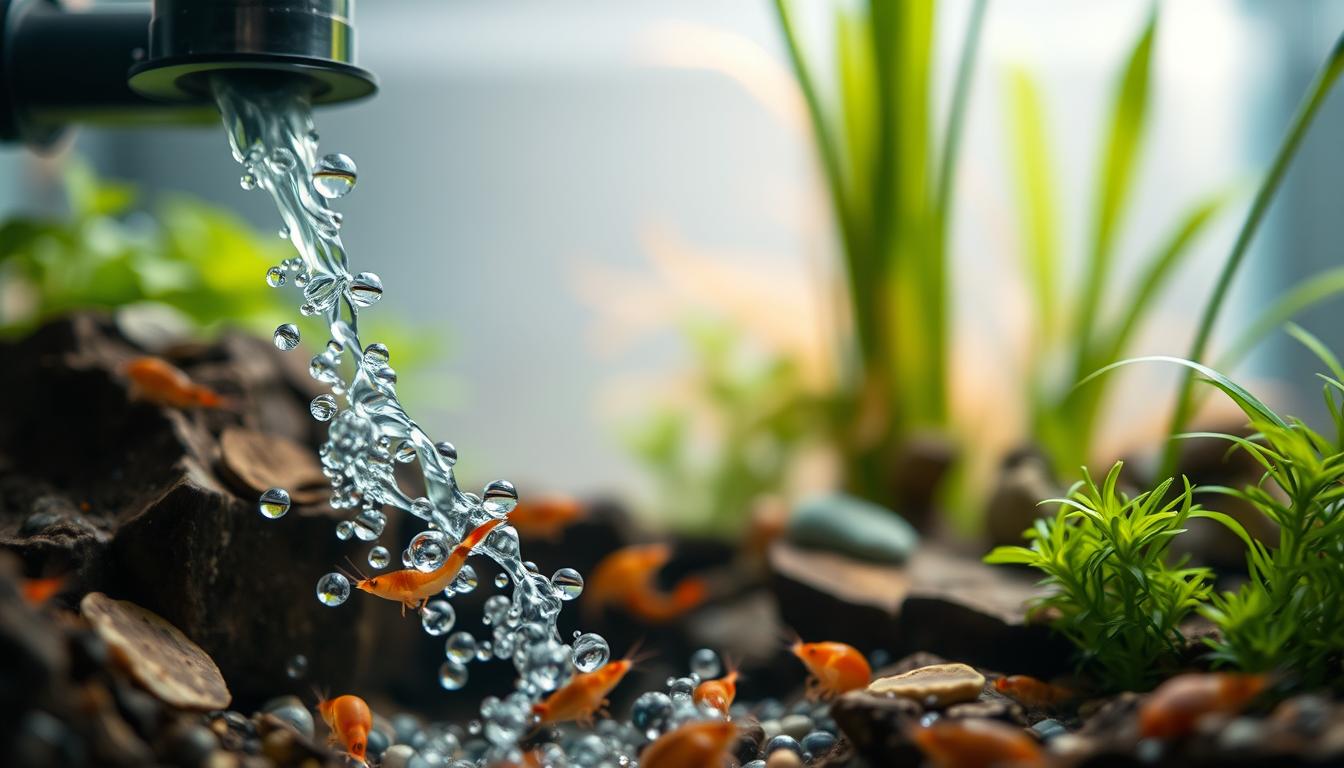
Keeping your nano tank healthy depends on the right flow. A clean filter and the correct turnover rate are key. They help maintain biological flow and prevent oxygen loss in filter media.
First, check the pump’s ratings and the actual flow after head pressure. Manufacturers list flow at 0′ head, but elbows, lift, and clogged sponges reduce it. Use a bucket-timing test or a flow meter to measure the real nano aquarium current at the outlet.
Biological and chemical media do best with four turnovers per hour or less. Mechanical media can handle higher flow. But, if flow drops under 1x/hour from clogging, beneficial bacteria face oxygen deprivation and toxin release.
Think about your fish too. Species like bettas, cherry shrimp, and fry prefer slow water. Too much energy flow from oversized pumps or multiple units can stress and injure them. Simple fixes include sponge prefilters, baffling the output, spray bars, or aiming flow at the surface to diffuse current.
In short, balancing optimal vitality and holistic wellness is possible. Measure real flow, match pump capacity to tank needs, and use gentle solutions when nano aquarium current is excessive.
Understanding Biological Flow in Aquariums
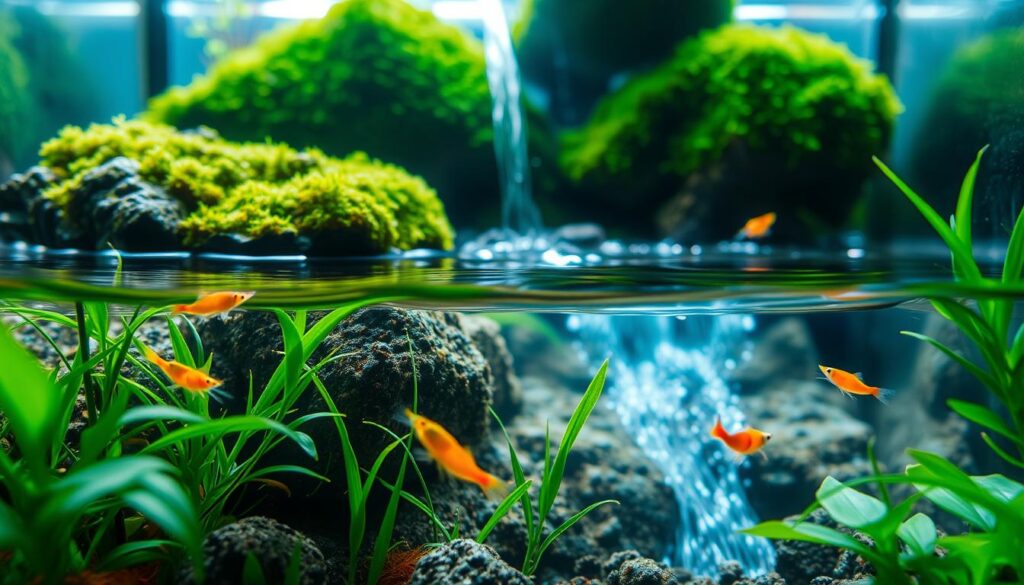
Biological flow is about the water movement that brings oxygen to the biological media. It also carries waste towards mechanical filters. You should aim for a biological turnover rate that supports both oxygen exchange and nutrient export without harming delicate inhabitants.
If the flow is too low, about 1x per hour, biological media can lack oxygen. This can lead to the release of toxins. Keep your media clear and check it regularly to avoid these problems.
A good rule of thumb is to aim for an average turnover of 4x per hour for many tanks. At this rate, both biological and chemical media work well. The sump, skimmer, and filter socks also efficiently process waste. Proper turnover helps keep the temperature stable and supports oxygen exchange at the surface.
- Match flow patterns to your livestock. Species from slow-moving waters need gentle currents that preserve their body’s equilibrium.
- Use sponge filters or low-flow returns when you want to keep natural balance without stressing small fish or shrimp.
- Watch for stagnant areas in sumps or tanks; poor circulation reduces skimmer efficiency and hinders energy flow within the system.
Good circulation keeps nutrient export steady and prevents pockets of low oxygen. By controlling the biological turnover rate and tailoring flow to your animals, you support maintaining biological flow and the overall natural balance of your aquarium.
The Role of Filtration in Nano Aquariums
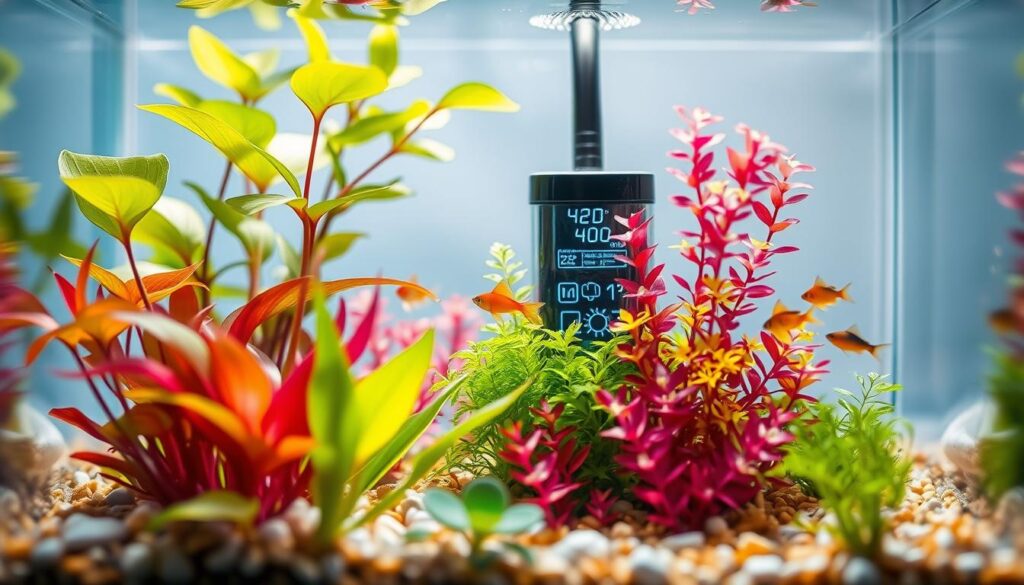
Filtration is key to keeping your nano tank clean. It helps maintain a natural balance. Mechanical media catches visible debris, making the water clear.
Biological media supports beneficial bacteria. These bacteria break down waste, keeping fish and shrimp healthy.
When choosing filtration, aim for a balanced turnover rate. A common goal is 4x/hour for biological media. This lets nitrifying colonies grow well. But, too fast can harm bacteria or stress slow swimmers.
Sump setups need matched return pumps and devices like skimmers or reactors. If a pump is too strong, skimmer efficiency drops. This can lead to microbubbles or turbulence. Match flow to the needs of all filtration stages for steady nutrient export.
Sponge filters are great for nano tanks with delicate fish. They filter gently and provide surface area for bacteria. Hang-on-back or canister filters can also work if you adjust their output to avoid strong currents.
- Choose a mix of mechanical, biological, and chemical media for holistic health.
- Set turnover to favor biological processes without overwhelming your inhabitants.
- Use baffling, pre-filters, or adjustable outlets to soften flow where needed.
Always watch your inhabitants and water readings. This feedback helps you adjust filtration turnover. It keeps your nano community healthy and balanced.
Identifying Strong Filter Flow
First, compare your pump’s flow rating to what you see in the tank. Adding tubing, elbows, or increasing head height lowers the flow. These changes cause turbulence that you can see at the surface.
Look for signs of strong current near outlets. Microbubbles, noisy overflow sounds, and visible spray or salt creep are signs of too much flow. Also, watch the sump for water level changes and erratic skimmer foam.
Fish and invertebrate behavior can quickly tell you if the flow is too strong. If bettas, shrimp, or fry are constantly hiding or have torn fins, it’s a sign of strong filter flow. They might also cluster behind decorations or avoid nozzle areas to escape the strong stream.
- Surface agitation that is uneven or excessive suggests pressure points in plumbing.
- Detritus buildup and weak surface movement point to too-low flow, not high flow.
- Listen for splashing and overflow noise as signs of mismatched plumbing and pump capacity.
Try simple tests to check the current strength. Place floating food or a light plastic strip by the outlet. If it spins wildly or moves fast across the tank, the current is too strong. A gentle drift means the flow is balanced.
Keep a record of your observations over several days. Note any microbubbles, turbulence near return fittings, and changes in your fish’s behavior. These signs will help you decide if you need to adjust your plumbing or reduce the flow for your nano tank’s long-term health.
Impact of Strong Flow on Nano Inhabitants
Strong flow can change how your filter moves water around the tank. If currents bypass biological media, the filter’s efficiency drops. Waste can collect in dead zones, harming the tank’s balance.
Uneven circulation affects the habitat. You may see fish and shrimp fighting the current. Constant exertion raises metabolic demand and leads to chronic stress from current.
Long-finned species and tiny fry often show erratic swimming. This makes them more vulnerable to illness.
Turbulence and microbubbles form when flow is too high. These conditions can reduce equipment performance in sumps and skimmers. This creates unstable water levels.
Unstable systems undermine the body’s equilibrium of each animal. They lead to degraded water quality over time.
Low effective flow causes nutrient buildup in some spots. Excessive flow forces animals into nonstop movement. Both extremes reduce optimal vitality and make immune systems less effective.
- Observe behavior: increased hiding or being pushed into corners signals stress from current.
- Check filtration paths: ensure biological media get steady, even circulation to preserve the filter’s role.
- Provide refuges: gentle zones let inhabitants rest and support holistic wellness of fish and invertebrates.
Small adjustments to flow patterns protect your tank’s residents. When you aim for balanced circulation, you help maintain the body’s equilibrium for each animal. This promotes lasting optimal vitality.
Adjusting Filter Flow Settings
Remember, pump specs are for zero head. But real flow drops with vertical lift, tubing, and elbows. Clean and size tubing, and use straight runs to keep flow steady.
Test flow with a bucket-timing method or a flow meter. See how long it takes to fill a known volume. Then, compare it to the pump performance curve and head pressure. This gives you real data for adjusting energy flow.
Balance mechanical and biological media for the right turnover. Use biological media that’s about four times tank volume per hour for stable flow. If you slow the pump, keep enough media for beneficial bacteria.
- Use DC pumps for fine control with their controllers.
- Throttle AC pumps with gate valves for smooth changes.
- Check for blockages, clogged filters, or excessive head if flow is too low.
Soften strong outputs with prefilter sponges, spray bars, or by aiming return jets at the glass. Add sponge blocks, craft mesh, or a small soap dish with marbles and moss in waterfall openings. These methods dampen flow without harming turnover.
If outputs are too strong, consider downsizing the filter for sensitive species like bettas or tiny nano fish. Mix mechanical edits with energy flow adjustment through pump speed or throttling. This will restore the tank’s balance.
Choosing the Right Filter for Your Setup
First, match the filter’s size to your tank’s volume and how often you want water to flow through it. Aim for about 4x per hour if you focus on biological filtration. But, if you need more mechanical filtration, you might need a higher flow rate. Just make sure it’s not too high for your small fish or slow swimmers.
Before buying, check the manufacturer’s flow curves. Consider the height of your filter and how it will handle plumbing resistance. Remember, real-world flow will be less after you add fittings, bends, and prefilters. For sump systems, choose a return pump that you can adjust or a DC model with variable output. Make sure the overflow and drain can handle the return flow.
If you have delicate fish, look for a filter that provides gentle, controlled water flow. Sponge filters with adjustable air pumps are great. Low-flow hang-on-back units with adjustable outputs also work well. Canisters with spray bars or valves let you adjust the flow across the tank.
- Choose filters that accept baffles or prefilter sponges to reduce velocity.
- Prefer units with adjustable outlet direction to create calm zones.
- Factor in media space for biological growth to support holistic health.
When picking equipment, think of your aquarium as a living ecosystem. The right gear helps keep the balance of beneficial bacteria, stable water, and happy fish and plants. This balance is key to the health and vitality of your underwater world.
Conducting a Flow Test
Remember, pump GPH is rated at zero head. But, actual output drops with lift, elbows, narrower tubing, and clogged media. This is important for keeping biological flow through filter media and bio-balls.
For a quick flow measurement, use a bucket-timing test. Place a known-volume container under the return, run the pump, and time how long it takes to fill. Then, calculate gallons per hour from that time. This shows the real flow after head loss.
If you want precise results, add a handheld flow meter for energy flow testing and long-term monitoring. Compare your measured flow against your tank’s target turnover. Aim for about four times the tank volume per hour for many planted nanos, higher for sump or reef systems.
Watch your animals while you test. If shrimp, bettas, or small gobies avoid areas near the return or struggle in the current, reduce output. Also, observe filtration devices such as protein skimmers and prefilters for unstable operation and adjust until performance steadies.
Make adjustments using a pump controller, gate valve, baffle, or prefilter to tune the flow. Check flow measurement again after each change to confirm you are maintaining biological flow and meeting wellbeing metrics.
- Simple test: known-volume bucket + stopwatch = quick GPH estimate.
- Precise test: inline flow meter for energy flow testing and repeatable readings.
- Behavior check: use inhabitant reactions as a live wellbeing metric.
Repeat tests after cleaning media or rerouting plumbing. Regular checks keep your system balanced and protect sensitive inhabitants while you fine-tune flow for optimal health.
Creating Shelter for Sensitive Inhabitants
You can shape flow and give timid species a nano inhabitants refuge by using plants and hardscape. Place stems, moss, and rockwork in front of filter outputs to dissipate jets. Dense planting reduces surface agitation and helps retain CO2 in planted tanks while creating shelter for shrimp, fry, or bettas.
Direct strong return flows toward the surface or a back wall so kinetic energy is lost on impact. A spray bar or multiple small outlets spreads force across several holes. For sump returns, angle the outlet away from open swimming areas to avoid strong currents.
Simple baffles and prefilter sponges cut force at the source. Fit sponge inserts or craft mesh into waterfall openings on hang-on-back units. Soap dishes or custom sponge blocks serve as discreet flow dampeners without harming maintaining biological flow.
Add low-light plants, caves, and ornaments to form resting zones. Moss balls and driftwood provide cover and visual breaks that promote natural balance. These features let occupants find quiet pockets and support inner harmony in the tank.
- Place tall stems near outputs to break the current.
- Use spray bars to disperse return flow evenly.
- Install prefilter sponges on strong outlets.
- Create hiding spots with caves, plants, and decor.
Small adjustments keep your setup livable while maintaining biological flow for filtration and gas exchange. By combining flow control and thoughtful layout, you build a safe, calm space that helps sensitive animals settle and thrive.
Signs Your Inhabitants Are Thriving
A healthy tank is easy to care for. The water is clear, the skimmer works well, and there’s little waste. This shows your tank’s biological flow and filtration are on track.
Healthy fish and invertebrates act normally. They forage, rest, and graze as they should. This means your tank is good for them.
See how they react to food and each other. If they eat well and act naturally, they’re likely happy. No hiding and no fin damage are also good signs.
- Stable temperature and gentle surface agitation for gas exchange.
- Balanced turnover that keeps biological media working without sweeping inhabitants away.
- Plants that hold CO2 and grow without torn leaves.
Look for long-term signs of health, not just one-time issues. Steady skimmer work and water chemistry are key. When these stay consistent, your nano species thrive.
If you notice changes, tweak the flow and shelter. Adjusting these helps keep your community lively and healthy.
Regular Maintenance for Optimal Flow
Keep a simple filter cleaning schedule to protect flow and the health of your tank. Clogged mechanical media and tight tubing cut output fast. Clean or replace sponges and floss pads before flow drops below recommended levels.
Use the bucket method or a small flow meter to test return pump output every few weeks. Note any drift from the pump performance curve and inspect impellers, controllers, and gate valves for wear. Matching measured flow to expected flow helps you avoid surprises.
Balance mechanical cleaning with maintaining biological flow. Over-cleaning biological media can harm beneficial bacteria. Rinse mechanical media in tank water while keeping biological media intact so oxygen transfer and nitrification stay steady.
Watch plumbing and prefilters for blockages. Spray bars, airline valves, and skimmer outlets can clog from salt creep or debris. Replace or rinse sponges as needed and clean spray bars to prevent erratic output that stresses inhabitants.
- Check impellers and tubing for wear.
- Test return flow with a bucket or flow meter.
- Rinse mechanical media in aquarium water.
- Schedule sponge and spray bar upkeep.
Think of maintenance as energy flow upkeep for the whole system. Small, regular tasks support holistic wellness in your nano aquarium and reduce the risk of oxygen loss or biological collapse.
Future Challenges and Considerations
When planning tank upgrades, remember to recalculate turnover needs. This is done by multiplying the tank’s volume by the desired turnover rate. Also, keep in mind that pump flow ratings decrease with higher head heights and more complex plumbing. So, it’s important to re-evaluate your pump choice when increasing the tank size to avoid any surprises.
Switching to reef setups or heavy coral systems requires special considerations. For many reef tanks, aim for a 5–10x/hour return after head pressure. Make sure the overflow and drain capacity match the increased return flow. Adjust popular drain styles, like Herbie or Bean Animal, to the pump speed.
Adding fry, shrimp, bettas, or long-finned fish changes the flow profile needed. You might need to downsize filters, add baffles, or build more refuges. This is to protect sensitive species and keep the body’s equilibrium of your aquarium.
Think about using DC pumps for fine control and quieter operation. They allow for small adjustments that help maintain biological flow long-term. This reduces stress on your aquarium’s inhabitants.
- Recalculate turnover after any change in tank volume or livestock.
- Account for head pressure and plumbing when choosing pumps.
- Prepare overflow and drain capacity before increasing return flow.
- Add baffles or shelters when introducing delicate species.
- Choose controllable pumps and plan routine checks to support holistic health planning.
Set a clear maintenance and monitoring routine. Track flow rates, observe behavior, and log adjustments. This way, you can anticipate future challenges and keep your system balanced as it grows.
Conclusion
Keeping the right flow in a nano aquarium is key. It affects how well your equipment works and how healthy your fish and invertebrates are. Aim for a turnover of about four times per hour for biological media.
Remember, real-world losses can happen due to head pressure, tubing, and clogging. Use simple tests, a flow meter, or a bucket method to check pump output. Adjust with controllers or gate valves for a smooth return.
For small systems, gentle filtration is best. Use sponge filters, baffled hang-on-back units, and spray bars. These methods keep biological flow steady without harming your fish.
Add plants, rocks, and driftwood to create hiding spots. They also help break currents. This keeps your tank balanced and peaceful.
Routine maintenance and watching your fish’s behavior are vital for success. Make sure mechanical and biological media work well together. Check your plumbing for any blockages and aim for slightly lower return strength if needed.
These steps help keep your nano community healthy and happy. They also make sure your filtration is efficient and reliable.
Leave a Reply