Category: Fauna

  • How to Manage Snail Outbreaks in a Small Planted Aquarium

    How to Manage Snail Outbreaks in a Small Planted Aquarium

    Snail outbreaks start quietly. They sneak in on live plants, substrate, decorations, or gear. Their eggs are tiny and clear, sticking to surfaces.

    These eggs can survive in sealed plant bags. So, you might not see them until they start to multiply quickly.

    Simple habits can help prevent snail problems. Quarantine new plants for at least two weeks. You can also dip them in bleach briefly or buy tissue-cultured plants.

    When you get fish, check the dealer’s tank water. Snails and young fish often come together.

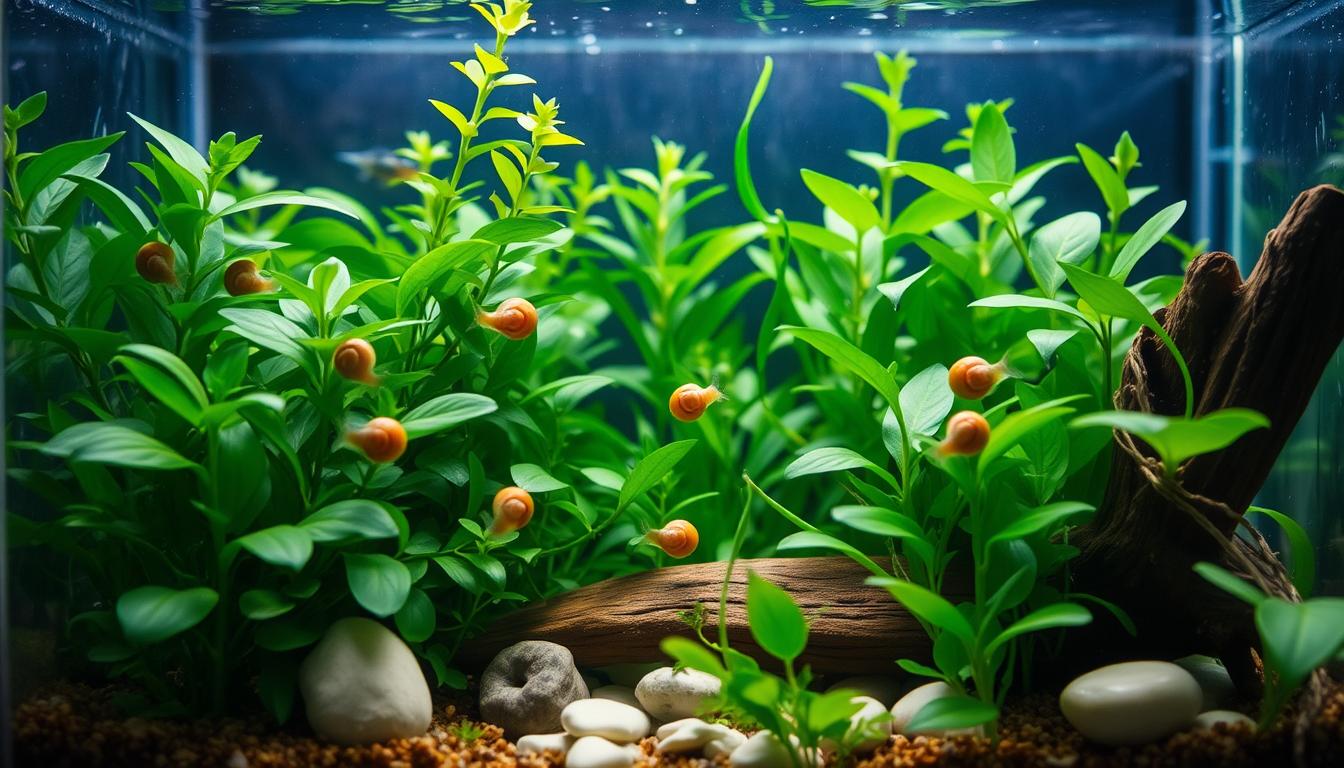
    Common invaders include tadpole snails and Malaysian trumpet snails. They love areas with uneaten food and detritus. Getting rid of them is tough because their young hide in many places.

    Snails are good scavengers in a healthy tank. But, an outbreak means you might be feeding too much or not cleaning enough. This guide offers solutions and control methods for managing snail outbreaks in your small planted aquarium.

    Understanding Snail Populations in Aquariums
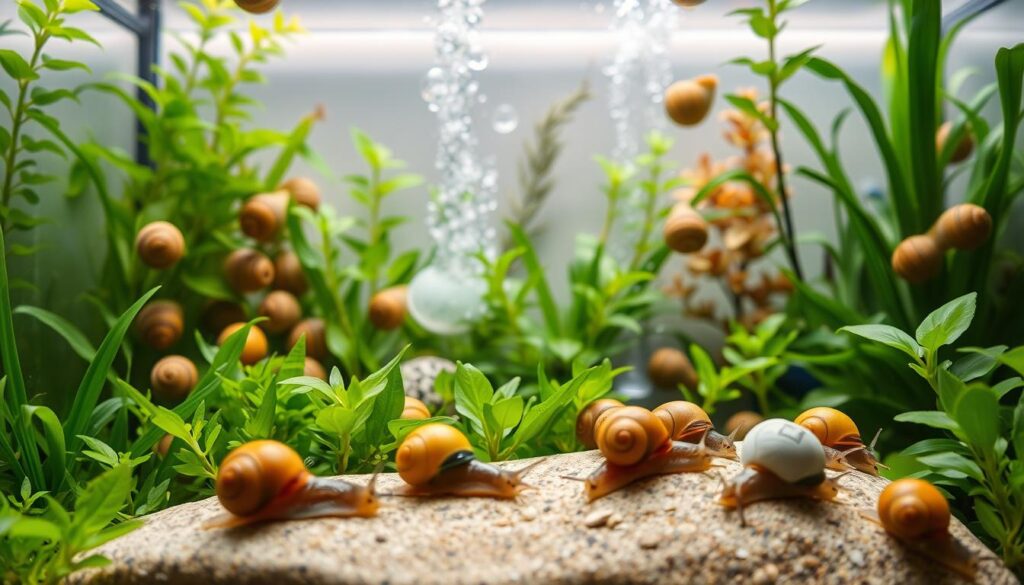
    A vibrant and well-maintained small planted aquarium teeming with various types of snails, such as apple snails and mystery snails, actively roaming among lush green aquatic plants. In the foreground, a close-up view showcases several colorful snails on a smooth pebble, highlighting their textures and patterns. The middle ground features a variety of aquatic plants, creating a natural habitat, with bubbles rising from a gentle air stone. In the background, soft lighting casts a serene ambiance, accentuating the water's clarity and the intricate details of the aquarium setup. The overall atmosphere is calm and educational, reflecting the complexity of managing snail populations in aquariums, while providing a sense of harmony in the aquatic environment.

    In a planted tank, you’ll find both helpful and harmful snails. Pest snails include bladder snails, Malaysian trumpet snails, and ramshorn snails. Knowing how to identify them is key to managing their numbers.

    Bladder snails are shaped like teardrops and grow up to half an inch. They breathe air and can reproduce quickly, sometimes in as little as 40 days. They need calcium to keep their shells strong.

    Malaysian trumpet snails are cone-shaped and can grow up to an inch. They give birth to live young and live in the substrate. They are mostly active at night and can survive in many tank conditions.

    Ramshorn snails have a spiral shell and come in different sizes. Many are hermaphrodites and breed fast. They are active day and night and prefer certain temperatures and pH levels.

    • Tadpole snails roam surfaces and lay jelly egg clusters.
    • Malaysian trumpet snails stay mostly in the substrate and surface to feed.
    • Overfeeding can let any of these species multiply into the hundreds even in small tanks.

    Not all snails are pests. Snails like Mystery, Inca, Nerite, Assassin, and Rabbit snails help control algae and add beauty. Nerite snails need brackish water to breed, so they rarely overpopulate a freshwater tank. Assassin snails eat pest snails, making them a natural solution.

    To manage snail populations, you need to know your snails. Observe their behavior and tailor your management to the specific snails in your tank. This approach helps keep the good snails safe while controlling the pests.

    Signs of Overpopulation
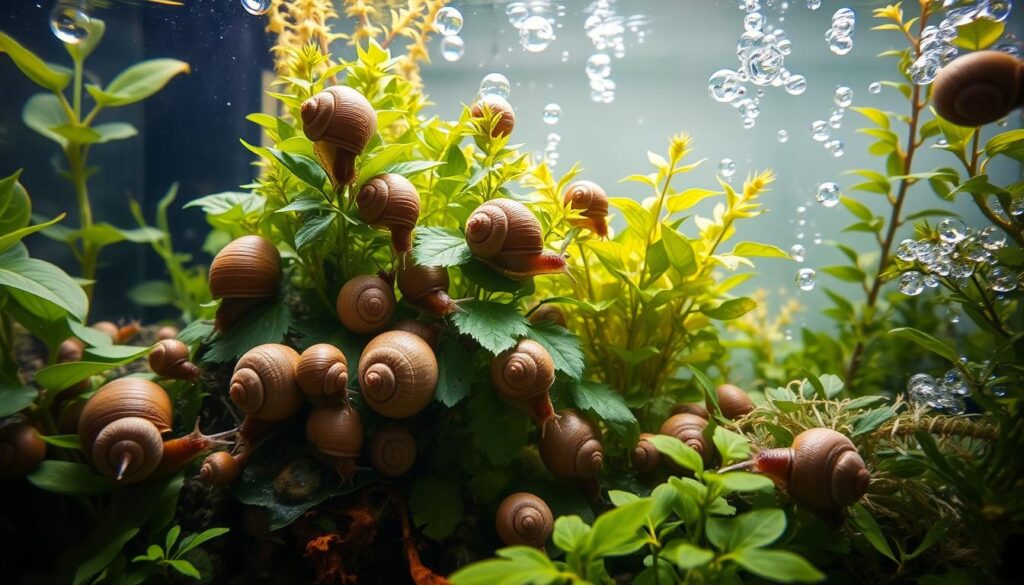
    A vibrant aquarium scene showcasing signs of snail overpopulation. In the foreground, several snails of various sizes, including adult and juvenile, are clustered on the aquarium glass and plants, their shells displaying distinctive textures and colors. The middle layer features lush, dense aquatic plants, with some leaves being munched on by the snails, and algae visibly coating certain areas of the tank. The background includes soft, diffused lighting creating a calming atmosphere, with bubbles rising gently to the water’s surface. An underwater angle accentuates the activity of the snails, and the overall mood reflects a sense of nature's balance tipping towards overabundance. The image should evoke curiosity while clearly illustrating the signs of snail overpopulation in a planted aquarium.

    At first, you might see just one or two snails. But soon, their numbers start to grow quickly. You’ll notice clusters of snails on plants, glass, and driftwood.

    Look for clear, jelly-like eggs stuck to surfaces. Also, check for tiny snails in the substrate, filter media, and pipes. These are signs that snails are taking over.

    Seeing many snails partly exposed in the substrate or moving a lot at night is a warning. A big increase in snail numbers after adding live plants or new decor is another clue.

    Snails eating brown, mushy leaves and extra algae mean your tank needs better care. Too much uneaten food, decaying plants, and dirt are perfect for snails to grow.

    • Clusters on glass and decorations
    • Clear jelly egg clutches
    • Juveniles in filters and substrate
    • Mass nocturnal movement
    • Surge after plant additions

    If you see these signs, it’s time to act. Cut down on food and remove extra snails to stop the problem. Catching snail outbreaks early keeps your tank healthy and balanced.

    Effective Prevention Techniques

    To stop snail outbreaks, keep new items isolated and clean. Quarantine plants for at least two weeks to spot any snails or eggs. Use a safe bleach dip on tough plants to kill snails without harming the plant.

    Buying tissue-cultured plants lowers the risk. Inspect live plants and decor before adding them to your tank. Rinse items well and consider a vinegar or bleach treatment to kill eggs.

    • Don’t move substrate, filters, or decorations from snail-infested tanks without cleaning them thoroughly.
    • Let equipment dry completely; many snail eggs can’t survive without moisture.
    • When buying fish, avoid bringing home the dealer’s tank water, as it may carry snails and eggs.

    Feed your fish lean and change the water regularly to remove excess food. This helps prevent snail growth and keeps your tank healthy.

    By being careful with purchases, quarantining plants, and keeping your tank clean, you can prevent snails in your aquarium. This is a habit you can keep up every week.

    Manual Removal Methods

    Quickly cut snail numbers with focused manual removal. Hand-picking at night or first light catches many common pond snails and ramshorn types. Place removed snails in a sealed container for disposal or relocation.

    Use snail traps to concentrate snails overnight. Commercial bait like Aqueon Algae Rounds or bottom feeder tablets works well as a lure. Set traps before lights-out and empty them each morning to break breeding cycles.

    • Try a lettuce trap: lay romaine or iceberg in the tank overnight, then lift it out with the clustered snails in the morning.
    • Combine trap types: one-way door snail traps and sinking baits increase capture rates.

    Siphoning snails with a gravel vacuum helps remove individuals and hidden Malaysian trumpet snails from substrate. Run the vacuum slowly and focus on corners and plant bases where snails hide.

    Substrate vacuuming removes detritus and egg clutches that fuel outbreaks. In severe cases you may remove and replace substrate while keeping filter media to preserve beneficial bacteria.

    Consistency matters. Daily or nightly trapping and a mix of methods over several weeks will reduce populations far more than one-off efforts. Pair manual techniques with regular glass scraping and spot checks to keep numbers down.

    Biological Control Methods

    You can manage snails naturally without chemicals. Choose the right natural predators for your tank size and community. Biological snail control works best when combined with manual removal and prevention.

    Snail-eating fish are an active way to lower snail numbers. In small tanks, pea puffers target snails but may nip other species, so research compatibility first. Larger tanks can support yoyo loach or clown loach for broader snail population reduction.

    Assassin snails (Clea helena) are a good choice when fish predators are unsuitable. They hunt pest snails, hide in décor, and can steadily lower numbers over time. They do not stress shrimp or delicate plants when used properly.

    Consider species such as clown loach, smaller loaches, paradise fish, and many cichlids that will eat snails. Puffers benefit from grinding shells and may help control adults. Some hobbyists breed pest snails as supplemental puffer food, which speeds snail population reduction.

    Expect biological methods to act slowly. Juvenile snails can hide in filters and pipework, so predators rarely fully eradicate an outbreak. Assess tank size, community compatibility, and the risk to shrimp or small fish before adding predators.

    • Plan: match predator to tank and stock.
    • Monitor: watch for stress in non-target species.
    • Combine: use predators with manual removal for best results.

    When used thoughtfully, natural predators can form a steady line of defense. Biological snail control requires patience and care, but it can reduce snail numbers while keeping your planted aquarium balanced.

    Chemical Control Options

    Chemical snail control is a last resort when other methods don’t work. Snail-killing treatments quickly remove adults. But, they can harm plants, shrimp, and sensitive fish.

    Always read labels carefully and follow the dose instructions from brands like API and Seachem. Use these products only in tanks without vulnerable invertebrates. Be ready to remove dead snails quickly to avoid ammonia spikes that harm water quality.

    Safe molluscicides target snails while causing less damage. Yet, no product guarantees complete snail eradication. Snail juveniles hide in filters, tubing, and substrate, so chemicals might miss some.

    • Plan removal: have nets and siphons ready to collect carcasses after treatment.
    • Monitor water: test ammonia and nitrite daily and perform large water changes if levels rise.
    • Isolate tanks: treat quarantine or bare tanks first to learn product effects before treating a planted display.

    If you choose chemical control, be cautious. Pair treatments with mechanical cleaning and filter maintenance. This reduces the risk of a toxin-driven collapse and improves long-term results for snail population eradication.

    Adjusting Feeding Habits

    Changing how and when you feed your fish can greatly reduce snail populations. Start by giving smaller portions and check for uneaten food after two minutes. This simple change helps cut down on overfeeding and the extra nutrients that snails thrive on.

    Remove sinking pellets, wafers, and leftover flake food during maintenance. Also, pull away dying plant leaves and vacuum the substrate to reduce detritus. These steps lower the resources available to snails without stressing your fish.

    Set regular feeding times and stick to them. Targeted feeding gives you control and makes spotting waste easier. When you combine lean feeding with regular water changes, algae buildup decreases, and your tank stays cleaner.

    • Feed sparingly and observe consumption.
    • Pick up uneaten food within minutes.
    • Clean substrate and trim decaying plants regularly.

    These feeding practices favor your plants and fish over pests. Over time, disciplined food management helps reduce snail populations steadily. This reduces the need for drastic measures.

    Environmental Adjustments

    To reduce snail numbers, change your tank’s environment. Start by removing extra detritus and uneaten food. These items fuel snail reproduction.

    Manage your substrate well. Vacuum gravel or sand often to remove trapped food and waste. If waste is deep, replace part of the substrate to stop snail growth.

    Change the lighting and algae control to cut down on food sources. Shorten the light period, trim plants, and reduce fertilizers. Clean glass and decor to remove snail food.

    Ensure strong filtration and circulation. A mature filter and steady water flow remove particles and keep plants healthy. Good oxygen levels also prevent pests that like low oxygen.

    • Vacuum substrate weekly when you spot detritus.
    • Clean filter media on a schedule that preserves beneficial bacteria.
    • Monitor light duration and nutrient dosing to control algae.

    These changes improve your aquarium’s long-term balance. Less detritus, algae, and better oxygen levels help reduce snails naturally. This approach avoids harsh chemicals.

    Aquarium Setup Considerations

    Starting a planted tank means making choices that affect future pest risks. Use plants that are sterilized or tissue-cultured to avoid eggs and tiny snails. If you buy plants from a nursery, dip them in bleach or quarantine them for weeks before adding them to your tank.

    Think about your tank’s layout to control snails. Make sure intakes, pipes, and decorations are easy to clean. Use guards on filter inlets and choose compact equipment to reduce hiding spots for snails.

    The substrate you choose affects snail and detritus removal. Pick a substrate that allows for easy vacuuming without harming plants. In severe cases, replace the substrate and keep a mature filter to maintain beneficial bacteria.

    Consider the types of fish and plants you add to your tank. Avoid delicate species if you plan to use chemicals later. Choose tankmates that are compatible and design your stocking plan to reduce stress and outbreak risk.

    Develop a routine for tank care to control snails. This includes regular feeding, substrate siphoning, and plant checks. These habits, along with your tank’s design, help reduce snail survival and spread.

    Always have a quarantine protocol for new additions. Quarantine helps you catch snails early and treat them without harming your main tank. Include quarantine tanks in your long-term setup to prevent future snail outbreaks.

    • Use sterilized or tissue-cultured plants
    • Make intakes and piping accessible or guarded
    • Choose vacuum-friendly substrate choice
    • Preserve a mature filter when replacing substrate
    • Include quarantine protocol for all new additions

    Regular Monitoring and Maintenance

    Make water changes a weekly habit to control snail growth. Change about 25% of the water every seven days. This helps remove nutrients and food that snails eat.

    Use a substrate vacuum to clean up uneaten food and waste. Also, remove dead leaves and plant debris by hand. This makes it harder for snails to hide and find food.

    Regularly check for snails in your tank. Look in filter inlets, pipework, and plant roots for young snails. Remove any adults you find and use traps at night until you catch fewer snails.

    Keep an eye on your tank’s water chemistry. Check for spikes in ammonia, nitrite, and nitrate levels. This can happen after adding new plants or decorations. Inspect new items carefully to avoid bringing in unwanted snails.

    • Vacuum the substrate during water changes to cut food availability.
    • Clean glass and scrape algae to reduce surfaces snails graze.
    • Maintain mature filters while swapping substrate; monitor inlets for clogging.

    Staying consistent is key. Regular maintenance and monitoring can help control snail numbers. It might take weeks or months to completely get rid of them.

    Educating Yourself on Snails

    To manage snails well, you should learn about aquarium snails at the species level. Study how hermaphroditic bladder and ramshorn snails can self-reproduce. Note that Malaysian trumpet snails are live-bearing and spend much time burrowing in substrate.

    Learn the preferred temperatures, pH ranges, and feeding behavior for each type. This snail species education helps you pick the right snail control techniques for your tank. It avoids trial-and-error that can stress plants or fish.

    Make a list of species you might want in your aquarium. Nerite and Mystery snails often add value. Assassin and Rabbit snails can help with pests. Inca snails suit specific setups.

    Flag species that often become nuisances, such as pond snails, Malaysian trumpet snails, and ramshorn. When you research compatibility, check whether predators like loaches or puffers will harm your shrimp or small fish before adding them.

    • Read reliable hobby sources and guides from brands such as Seachem and API.
    • Follow community-vetted methods for traps and biological controls.
    • Use product labels to avoid harming plants, shrimp, or sensitive fish.

    Learn proper quarantine and bleach-dip procedures so you can treat new plants and livestock safely. This reduces the risk of introducing unwanted species and supports long-term managing snail populations.

    Keep notes on outcomes when you test a method. Track which snail control techniques worked, which caused collateral harm, and how quickly populations returned. This record makes your snail species education practical and helps you refine future choices.

    Long-Term Strategies for Management

    To keep snails from taking over, create a long-term plan. This plan should include prevention, regular care, and active removal. Start by quarantining new plants and using tissue-cultured specimens or brief bleach dips when needed.

    Also, do weekly water changes, vacuum the substrate, and control algae. This way, you remove the food snails need.

    Use manual removal and traps regularly until the snail population goes down. Reduce feeding and control portions to avoid leftover food. Introduce biological controls like assassin snails or snail-eating fish carefully. Make sure they won’t stress your current fish.

    Use chemical treatments only for severe infestations and when safe for in-tank organisms. Remove dead snails quickly to avoid water quality problems. Treat snail eradication as a gradual effort, expecting weeks or months. Combine different tactics for the best results.

    Keep track of what you try and the outcomes. This helps refine your snail reduction plan. Regular monitoring, environmental adjustments, feeding control, selective biological control, and consistent maintenance are key. They help prevent snails and keep your aquarium balanced.

    FAQ

    What causes sudden snail outbreaks in a small planted aquarium?

    Snail outbreaks often start with hitchhiking snails or eggs on live plants, substrate, or decorations. Eggs are tiny and can survive shipping. Overfeeding and excess algae create a food base for snails to grow.

    How can I identify common pest snail species and their behaviors?

    Bladder snails are teardrop-shaped and up to ½ inch long. They breathe air and reproduce quickly. Malaysian trumpet snails burrow and are live-bearing. Ramshorn snails have flat shells and reproduce fast.

    Tadpole/pond snails wander and lay visible eggs. Knowing their habits helps you control them better.

    What are the early signs that snail populations are getting out of control?

    Look for a few snails that multiply fast, visible egg clutches, and substrate activity. Seeing many snail juveniles in substrate or filter media means you have a big problem.

    What are the most effective prevention techniques to keep snails out?

    Quarantine new plants for two weeks and use a bleach dip or vinegar rinse. Buy tissue-cultured plants to avoid snails. Check dealer tank water and new fish for snails.

    Avoid transferring substrate or filters from infested systems. Keep feeding lean and maintain your tank well.

    How do I remove snails manually without harming plants, shrimp, or fish?

    Hand-pick snails and use DIY lettuce traps overnight. Scrape algae and vacuum substrate to remove eggs. Siphoning can dislodge snails from substrate.

    Repeat trapping and removal nightly or daily to reduce snail numbers.

    Can biological control methods help manage snail populations?

    Yes, biological control can help but may not eliminate snails. Assassin snails prey on pest snails. Snail-eating fish can also reduce numbers but may harm shrimp or small fish.

    Use biological control alongside manual removal and prevention for best results.

    Are chemical snail treatments safe to use in planted or shrimp tanks?

    Chemical treatments can kill snails but may harm plants, shrimp, and fish. They can cause mass die-offs that spike ammonia and nitrate. Chemicals may not reach snails hiding in filters and pipework.

    Reserve chemicals for severe cases and have a plan to remove dead snails and perform large water changes.

    How should I adjust feeding to prevent snail population growth?

    Feed sparingly and remove uneaten food quickly. Avoid excess sinking pellets or flakes that feed snails. Targeted, lean feeding reduces detritus and leftover food.

    Regular water changes and substrate vacuuming further reduce nutrients that snails rely on.

    What environmental adjustments reduce favorable conditions for snails?

    Reduce photoperiod and control nutrients to limit algae growth. Maintain mature filters and good water circulation to prevent detritus buildup. Vacuum substrate regularly and remove dying leaves.

    Consider replacing heavily infested substrate while keeping filter media to preserve beneficial bacteria.

    How should I plan aquarium setup and equipment to limit snail problems?

    Use tissue-cultured or sterilized plants when setting up a planted tank. Avoid transferring substrate or decorations from unknown sources. Choose substrate and tank layouts that make siphoning and cleaning easier.

    Keep filter inlets and piping accessible for inspection, and design the tank so you can remove or clean hidden snail refuges if needed.

    What routine monitoring and maintenance schedule helps prevent outbreaks?

    Perform weekly maintenance: water changes, algae scraping, substrate vacuuming, and removal of dead plant matter. Inspect plants, decor, and new livestock closely. Use traps daily or nightly when you first notice snails.

    Monitor water parameters and watch for population spikes after additions so you can intervene early.

    How can I educate myself to better manage snail populations long term?

    Learn species-specific biology—reproduction methods, temperature and pH preferences, and feeding habits. Research desirable ornamental snails versus nuisance species. Read validated quarantine and bleach-dip protocols.

    Follow product labels for traps and treatments, and consult reputable hobby sources before introducing predators or chemicals.

    What long-term strategy will most reliably control snails without harming tank inhabitants?

    Combine prevention, routine maintenance, and feeding control as your backbone: quarantine or bleach-dip plants, buy tissue-cultured plants, feed sparingly, and perform regular water changes and substrate vacuuming. Add manual removal and trapping consistently, and use biological controls cautiously when compatible.

    Reserve chemicals only for extreme cases and plan for carcass removal. Expect eradication to take weeks or months—persistence and a layered approach give the best results for managing snail populations.
  • From Berried to Shrimplets: Understanding the Shrimp Life Cycle

    From Berried to Shrimplets: Understanding the Shrimp Life Cycle

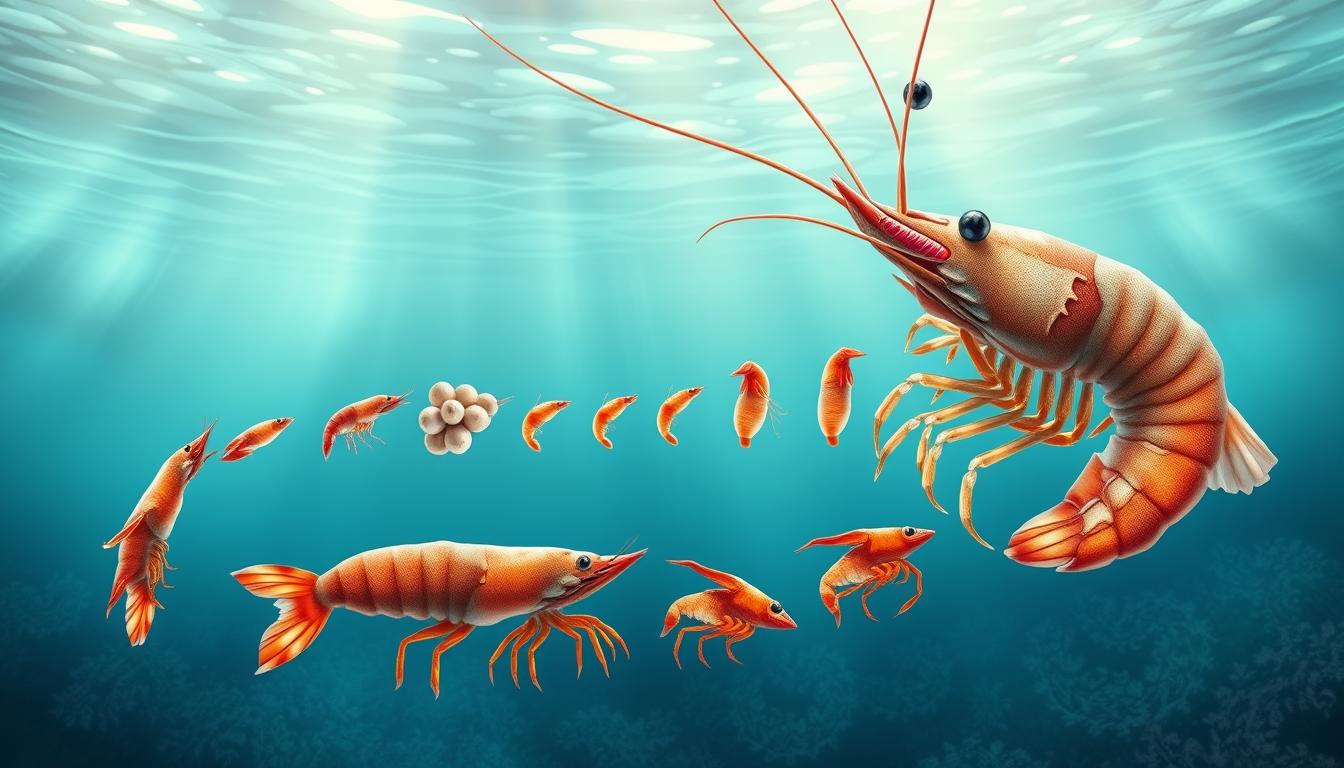
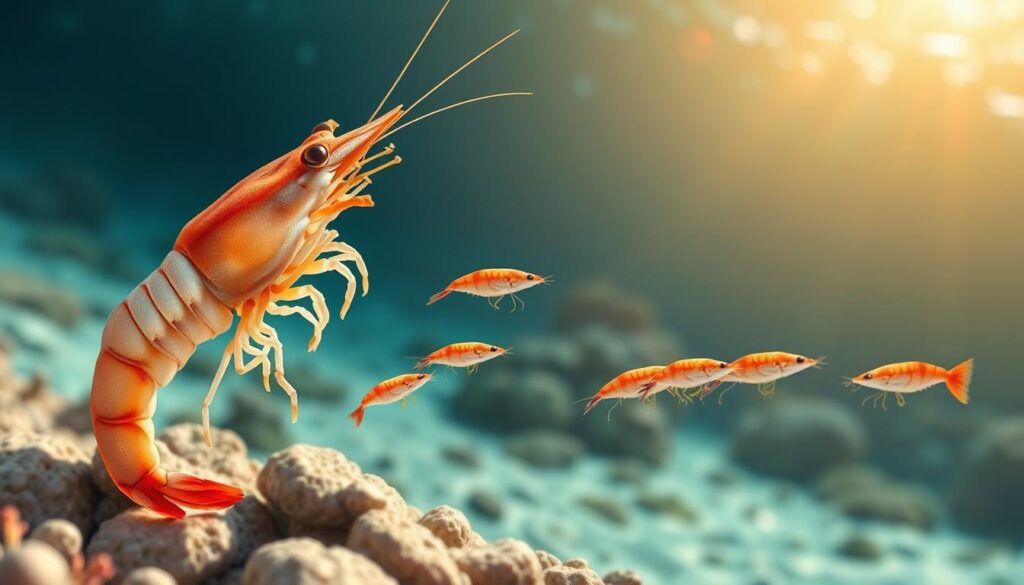
    Let’s dive into the life cycle of shrimp. We’ll see how they go from berried females to free-swimming juveniles and adults. This guide makes it easy to understand the shrimp development process, helping your aquarium or conservation work.

    Different shrimp species have unique paths. For example, Neocaridina, like cherry shrimp, hatch as tiny adults without a larval stage. On the other hand, Caridina species, such as Amano (Caridina multidentata), have larvae that need brackish or marine water before returning to freshwater. Knowing these differences helps in breeding and setting up tanks.

    This article covers key shrimp lifecycle facts and growth stages. You’ll learn about mating, egg incubation, larval phases, the mysis stage, postlarval metamorphosis, juvenile growth, molting cycles, sexual maturity, and lifespan. Understanding these stages boosts breeding success, aids in aquaculture, and informs habitat protection.

    As you read, remember how shrimp growth stages and development impact water chemistry, food needs, and tank design. This knowledge helps in raising healthy shrimp populations and supports conservation efforts in the United States and worldwide.

    Introduction to the Shrimp Life Cycle

    A detailed illustration of the shrimp life cycle, showcasing five distinct stages: from berried female shrimp with visible eggs to larval stages, then transitioning to juvenile shrimplets, and finally to adult shrimp. The foreground features a close-up view of the berried female shrimp, with vibrant eggs visible. In the middle ground, depict different larval stages swimming gracefully, while juvenile shrimp explore a coral reef environment. The background illustrates an underwater scene with soft, dappled lighting to emphasize the aquatic atmosphere. Use a slight depth of field to keep the focus on the shrimp while subtly blurring the background details. Aim for a serene and educational mood, highlighting the beauty and complexity of the shrimp life cycle.

    Learning about the shrimp life cycle is key for a home aquarium or small breeding setup. It starts when a female shrimp becomes berried. This means she carries eggs under her abdomen on pleopods, or swimmerets. Watching a berried shrimp helps you know when to care for them and feed them.

    Two popular species in the U.S. are Neocaridina davidi, or cherry shrimp, and Caridina multidentata, or Amano shrimp. Understanding their differences is important.

    Cherry shrimp are direct developers. Their hatchlings look like tiny, 2 mm versions of adults. They don’t go through a free-swimming larval phase. Instead, they grow into juveniles in freshwater without a big change.

    Amano shrimp hatch as larvae that need brackish or slightly salty water. Their development includes several larval stages and a big change, taking about 1.5 months. You need to plan for salinity changes and offer the right food during this time.

    Reproduction is linked to molting. A female molts, releases pheromones, and attracts males. Mating is quick, often under 10 seconds. Fertilization is internal as eggs pass beneath the tail and attach to the pleopods.

    Environmental factors affect shrimp growth and survival. Stable temperature, balanced pH, and the right hardness (GH and KH) are important. Food like biofilm, diatoms, and algae supports growth. Also, provide hiding spots to reduce stress and improve survival at each stage of the shrimp breeding cycle.

    Remember shrimp lifecycle facts when setting up your tank, doing water changes, and feeding. Knowing how shrimp develop helps support their healthy growth and survival at each stage.

    The Reproductive Stage of Shrimp

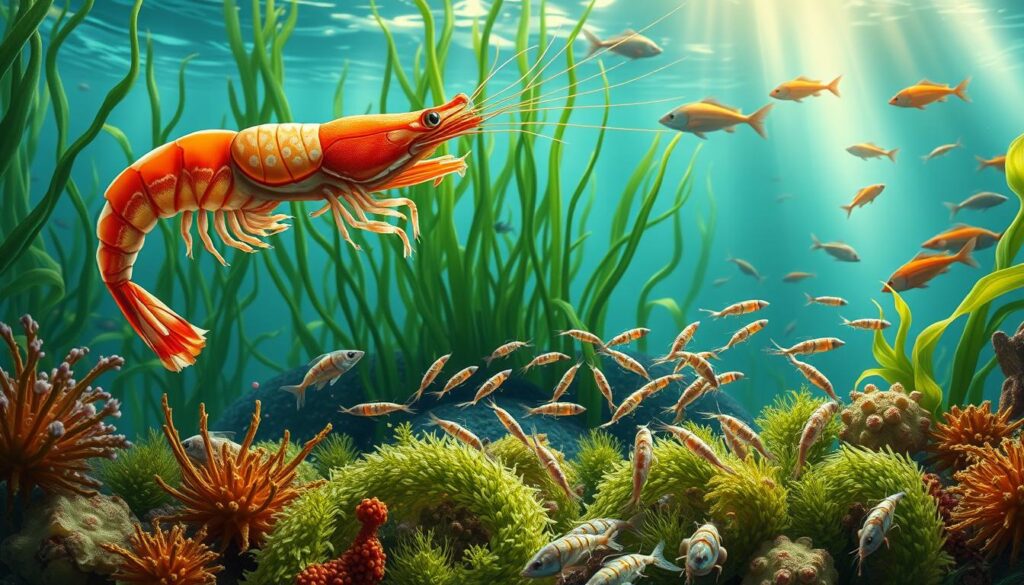
    A detailed illustration of the shrimp breeding cycle, showcasing the reproductive stage of shrimp in a natural habitat. In the foreground, a vibrant female shrimp with visible eggs (berried) is prominently featured alongside a male shrimp in an intimate courtship display. In the middle ground, a collection of developing shrimp embryos are visible, scattered on aquatic vegetation, highlighting the transition to the larval stage. The background is a serene underwater scene with lush seaweed and various fish species swimming, creating an ecosystem atmosphere. Natural lighting filters through the water's surface, casting a soft, ethereal glow, and enhancing the colors of the shrimp and their environment. The composition captures the beauty and complexity of shrimp reproduction, evoking a sense of wonder and exploration in marine biology.

    Sexes can be told by size and shape. Females are bigger and rounder. They have a pale “saddle” behind their head with undeveloped eggs. Males are smaller, more transparent, and have dots on their bodies.

    Breeding times vary by species and conditions. Sexual maturity comes at different ages. For example, Caridina multidentata (Amano) reach it in four to five months. Neocaridina species like cherry shrimp take two-and-a-half to six months, depending on temperature.

    Stable water, steady food, and proper minerals help the breeding cycle. They encourage natural behavior.

    The mating sequence is predictable. After a female molts, her shell is soft and she’s ready. She hides and releases pheromones into the water. Males find the scent, swarm, and mate quickly.

    Males deposit sperm as the eggs move from the ovaries to the outside. This fertilizes them.

    When eggs are fertilized, the female becomes berried. She carries the eggs on her swimmerets and cares for them. You’ll see her fan and clean the clutch to keep oxygen flowing and prevent fungus.

    • Keep mineral levels steady to support molting and egg formation.
    • Do not cull too many males; a balanced ratio improves mating success.
    • Provide hiding places so receptive females can spawn without stress.

    Practical care in water chemistry and diet makes a big difference. By managing these, you boost the chances of healthy offspring. This keeps your colony productive.

    Egg Development and Hatching

    Egg incubation times vary by species and temperature. Cherry shrimp eggs hatch in 15–35 days, usually in 2–3 weeks with warm water. Amano shrimp eggs stay on the female for 3–5 weeks before hatching.

    Eggs are very small, about 1 mm. Cherry shrimp eggs might look yellow or green. As hatching approaches, you’ll see black dots inside. These are the shrimp’s developing eyes.

    The female shrimp plays a key role in incubation. She fans and cleans the eggs to ensure oxygen flow. You might see her nudging or “kicking” the eggs to help the hatchlings emerge.

    • If you raise species with larval stages, set up a saltwater rearing jar for Amano larvae at 30–35 PPT (specific gravity 1.022–1.026). Provide gentle aeration and dim light to promote diatom and algae growth.
    • Maintain stable water chemistry: pH 6.5–8.0, temperature 70–80°F, GH 5–15, KH 1–10 to improve survival during early stages.
    • For direct-developing shrimp like cherry shrimp no separate larval tank is needed. Hatchlings emerge as miniature adults and remain in the freshwater tank to hide and graze biofilm.

    Knowing these shrimp lifecycle facts helps you plan tank care and timing. Watching closely during egg development can reduce losses and support healthy shrimp growth.

    The Zoa Stage: First Steps in Life

    Zoea are the tiny, floating start of many marine and brackish shrimp. They drift in the water, eating microalgae and diatoms. They look different from the later stages and need special care.

    At this stage, zoea can’t eat baby brine shrimp. Their diet mainly includes natural diatom and algae biofilms. If your tank lacks these, a little spirulina powder can help. But use it carefully to avoid dirtying the water.

    Keeping the water clean is key. Make sure the salinity, temperature, and water flow are just right. Bad conditions can harm them, so watch the water closely and change it a little when needed.

    To catch zoea, use a soft light to draw them to one spot. Then, gently suck up a small amount of water to collect them. This method helps keep them safe and healthy.

    • Feed: diatoms, microalgae, occasional spirulina powder
    • Environment: stable salinity and temperature, low water movement
    • Collection: light attraction and gentle siphoning

    This early stage is very fragile. Good care, like the right food and water, and watching them closely, helps them grow. With patience, they will move on to the next stages of shrimp development.

    The Mysis Stage: Transitioning to Juveniles

    The Mysis stage comes after the zoea phase in some shrimp species. At this time, larvae become tougher and start to act like young shrimp. You’ll see changes in how they swim, eat, and look, showing they’re growing.

    In Amano shrimp rearing, the larval period lasts about 1.5 months. During this time, mysis larvae live in saltwater and eat algae. It’s important to keep the salt level between 30–35 PPT for their growth.

    Water movement should be gentle. Use a sponge filter or airstone to keep oxygen levels right and prevent fungus. Strong currents can stress and harm the tiny larvae.

    • Keep the water conditions steady; avoid sudden changes in salinity or temperature.
    • Do small water changes of 10–20% using drip acclimation when replacing water.
    • Feed small, frequent meals to avoid overfeeding and poor water quality.

    Be careful when handling mysis larvae. They are fragile and can easily get hurt. If you need to move them, use a siphon and a flashlight to guide and collect them without stirring the tank too much.

    Knowing about shrimp molting stages helps you meet their needs during metamorphosis. Watch for regular molts and steady growth to track their progress. Proper care during the Mysis stage helps them grow strong and healthy as they continue to develop.

    From Mysis to Postlarvae

    The shift from the pelagic mysis phase to benthic postlarvae is a big change in shrimp life. Larvae change shape and behavior as they move from open water to brackish and freshwater zones. This is true for species like Amano shrimp.

    Postlarvae start to look like tiny adults. They swim forward and begin hiding and grazing. This stage is easier to observe, but catching them can be hard for hobbyists.

    To safely transfer postlarvae, keep them in the right salinity until they fully change. Putting them in low-salinity water too soon can be deadly. The shrimp development process relies on careful acclimation at this time.

    Use a syringe or airline tubing to collect postlarvae into a cup of their native saltwater. Then, drip-acclimate them into your target water over 24–36 hours. This slow method reduces shock and boosts survival in brackish or freshwater tanks.

    • Maintain salinity with a hydrometer or refractometer.
    • Provide gentle aeration using air pumps and sponge filters.
    • Top off with RODI or RO water to keep parameters stable.

    These steps help support healthy shrimp growth and protect a fragile phase. Your careful handling during the mysis-to-postlarvae transition greatly affects juvenile survival and long-term success.

    Juvenile Shrimp Growth and Survival

    Your juvenile shrimp start tiny, often around 2 mm for cherry hatchlings. They have limited swimming power early on. You will see them cling to leaves, driftwood, and rock crevices while grazing the tank surface. This hiding behavior boosts survival during the fragile shrimp development process.

    Feed juveniles on natural biofilm, diatoms, and microalgae that form in the aquarium. You can supplement with powdered baby shrimp food or small pieces of blanched spinach and zucchini. Avoid heavy, fast-fouling feeds that lower water quality and stress young shrimp.

    Survival hinges on several simple factors. Stable water parameters and good filtration keep ammonia and nitrite near zero. Plenty of hiding spaces cut predation risks. Peaceful tankmates such as Corydoras or small rasboras reduce aggressive encounters. Rich biofilm and gentle feeding raise juvenile numbers by providing steady nutrition.

    • Provide moss, fine-leaved plants, and surfaces for grazing.
    • Keep temperature steady; warmer tanks speed growth but demand more frequent water checks.
    • Choose low-impact foods and remove uneaten portions quickly.

    Growth timing varies by species. Cherry shrimp may reach sexual maturity in about 2.5–6 months, depending on temperature and diet. Amano shrimp typically mature near 4–5 months. These timelines reflect common shrimp lifecycle facts that help you plan care and tank management.

    Female fecundity changes with size. Cherry females often carry roughly 21–51 eggs per brood. Larger females tend to produce more eggs, improving your chances of a healthy cohort if conditions stay stable during the shrimp development process.

    Adult Shrimp Characteristics

    When shrimp grow up, you’ll see big differences. Females are usually bigger than males. For example, cherry shrimp females are about 1″ (2.5 cm) long. Males are a bit smaller, at two-thirds to three-quarters of that size.

    Amano shrimp are even bigger. Females can grow to 1.5–2″ long, while males are about 1–1.5″. You can tell if a female is getting ready to lay eggs by a visible saddle under her carapace. This saddle shows they’re getting ready to reproduce.

    Adult shrimp focus on reproducing and keeping the tank clean. Females carry eggs in their ovaries and show a saddle when they’re ready to lay them. They eat a variety of foods, including algae and sinking pellets.

    Adult shrimp also molt regularly and like to hide when they’re soft. Amano shrimp are known for eating algae well. They can even tackle tough algae like black beard algae if the conditions are right.

    • Feeding: diatoms, algae, pellets, detritus.
    • Reproductive sign: saddle under carapace, berried females.
    • Molt care: provide hides and stable water parameters.

    Choosing the right tank is key for adult shrimp. They need well-planted tanks with plenty of hiding spots. For small groups, a 5–10 gallon tank is best to keep them stress-free and healthy.

    By focusing on their habitat, diet, and water quality, you can help adult shrimp thrive. Watching them grow will help you make better choices for your shrimp colony.

    Molting Process in Shrimp

    Watching your shrimp grow is exciting, but their growth is not steady. They grow by shedding their hard outer shell. This process, called molting, is key to their development and happens many times in their lives.

    Young shrimp molt a lot. As they get older, they molt less often. Their growth stages show this: fast molts when they’re young, and slower, bigger molts as adults.

    When a shrimp molts, you’ll see its empty, clear shell. Female shrimp are soft and vulnerable right after molting. They might hide for a day or two to stay safe. Mating usually happens right after a female molts, so timing is important for breeders.

    What your shrimp eat affects their molting success. They need calcium and minerals to form a strong shell. If they don’t get the right nutrients, molting can fail, leading to injury or death. Keep the water chemistry stable and feed them mineral-rich foods to help them molt well.

    • Look for empty shells as molt indicators.
    • Provide balanced minerals for successful molts.
    • Maintain a healthy male-to-female ratio for breeding after molts.

    Keep a close eye on your tank during molts. You’ll notice changes in behavior, like surface hiding or less eating. These signs show how important this time is in their life cycle.

    Lifespan and Growth Rates

    Expect different lifespans and growth rates for different shrimp species. Cherry shrimp usually live 1–2 years in the best conditions. Amano shrimp can live longer, with females growing up to 1.5–2 inches and males a bit smaller.

    Temperature is key in shrimp growth. Warmer water makes them grow faster. For example, cherry shrimp mature in about 2.5 months at 80°F. But cooler tanks slow them down and make them stay in the juvenile phase longer.

    Size at maturity also varies. Female cherry shrimp grow to about 1 inch (2.3 cm). Amano females grow bigger and may mature slower but have longer reproductive lives with proper care.

    • Monitor tank temperature to manage shrimp growth stages.
    • Provide steady nutrition to support healthy development.
    • Keep water quality stable to maximize lifespan and breeding success.

    Reproductive longevity changes with age and size. Large, older females may breed less. If you want to breed, avoid buying very large shrimp that might be nearing the end of their reproductive life.

    Use shrimp lifecycle facts to set realistic expectations. Track their growth and maintain consistent care. This will help improve their survival through each stage of their life cycle.

    Human Impact on Shrimp Life Cycles

    Your choices affect shrimp breeding in both home tanks and the wild. Hobbyists who know their species’ needs can help populations thrive. Neocaridina shrimp breed easily in freshwater. But Amano shrimp need saltwater for their larval phase and careful acclimation to survive.

    Big aquaculture and wild fishing change local ecosystems. Farming can increase supply but stress shrimp genetics and alter their development. Overfishing wild stocks lowers breeding adults, reducing larval numbers and disrupting populations.

    Pollution and habitat loss add to the pressure. Bad water quality, changes in salt levels, and loss of mangroves or seagrass beds block shrimp from reproducing. Larvae are very sensitive, so damage to their habitat can stop them from growing into adults.

    Take steps to protect the shrimp life cycles you care about. Keep water stable, quarantine new shrimp, and learn about their breeding cycles. For Amano, plan for saltwater larval rearing. For Neocaridina, focus on consistent temperature and clean water.

    • Choose captive-bred shrimp to reduce wild collection.
    • Don’t release non-native shrimp into local waters.
    • Support projects to restore mangroves and seagrass.

    Knowing about shrimp development helps you choose tankmates and run breeding efforts better. This knowledge leads to conservation-conscious choices and reduces harm to wild populations.

    The Importance of Shrimp in Ecosystems

    Healthy waterways are key for food and fun. Shrimp are quiet heroes, eating biofilm, algae, and detritus. They help nutrients cycle, benefiting plants and microbes.

    Shrimp go from tiny larvae to adult grazers. Each stage has a role. Larvae feed on algae, linking small producers to big predators. Adults clean surfaces, keeping water clear.

    • Food-web support: shrimp feed fish, birds, and crabs, moving energy up.
    • Nutrient recycling: their eating and waste return nutrients in useful forms.
    • Habitat services: burrowing and grazing keep substrate and microbes healthy.

    In aquariums, Amano shrimp fight algae, keeping tanks clean. Watching their life cycle teaches about habitat and food use.

    Protecting where shrimp spawn and grow is vital. It keeps their life cycle and services for fisheries and coasts alive. Supporting habitat protection helps aquatic communities thrive.

    Conclusion: The Journey of Shrimp Through Their Life Cycle

    You now know the basics of shrimp life cycles. They start with berried females and egg incubation. Then, they go through zoea and mysis larval stages.

    Some shrimp, like Amano, go through saltwater phases. Others, like Neocaridina, grow in freshwater. Knowing these stages helps you meet their needs at each stage.

    Following practical steps is key. Start by knowing what your shrimp need before you breed. Keep the water chemistry stable and provide hiding spots and food for biofilm.

    Use the right tools like a hydrometer or refractometer. Also, air pumps and RODI water are important for the early stages. Watch for molting and reproductive cycles to keep your shrimp healthy.

    Getting shrimp from ethical sources and respecting their habitats helps your tank. Use these tips to improve your shrimp care. This supports conservation and makes your tank more vibrant and healthy.

    FAQ

    What does “berried” mean and how can I tell when a female shrimp is berried?

    “Berried” means a female shrimp is carrying eggs under her abdomen. You’ll see a cluster of small eggs beneath her tail, often yellow, green, or developing to show tiny black eye spots as hatching nears. Females often appear rounder and larger than males and may show a “saddle” (ovarian eggs visible behind the head) before becoming berried.

    How do shrimp reproduce and what triggers mating?

    Mating is triggered when a female molts and releases pheromones that attract males. The female is receptive while her shell is soft and usually hides. Males detect the pheromones, swarm, and mating is brief—often under 10 seconds. Sperm is deposited so eggs are fertilized as they pass out under the tail and attach to the swimmerets.

    How long do eggs take to incubate and what affects incubation time?

    Incubation time depends on species and temperature. Cherry shrimp (Neocaridina davidi) typically hatch in about 15–35 days—often 2–3 weeks. Amano females (Caridina multidentata) carry eggs for about 3–5 weeks. Higher temperatures speed development; stable water chemistry (pH, GH/KH), oxygenation, and maternal care (fanning/cleaning) also matter.

    Do all freshwater aquarium shrimp have larval stages?

    No. Neocaridina species like cherry shrimp are direct developers—eggs hatch into ~2 mm miniature adults with no planktonic larval stage. Caridina species such as Amano hatch as planktonic larvae (zoea-like) that require brackish to marine conditions before returning to freshwater, so their rearing is more complex.

    What are zoea and mysis stages and which species go through them?

    Zoea are tiny planktonic larvae that feed on microalgae and drift in the water column. In species with multi-stage development (including Amano), zoea progress through several molts and then enter the mysis stage, where they grow more robust and begin to resemble shrimp before metamorphosing into postlarvae. Neocaridina do not pass through these stages.

    How should I rear Amano larvae after hatching?

    Amano larvae need a saltwater rearing setup at about 30–35 PPT (specific gravity ~1.022–1.026), gentle aeration or a sponge filter, stable pH (6.5–8.0) and temperature 70–80°F. Provide natural diatoms/ microalgae as food; supplemental spirulina powder can be used sparingly. Keep currents gentle, perform small (10–20%) water changes with drip acclimation, and maintain steady salinity until metamorphosis.

    How do I collect larvae for transfer to a rearing container?

    Use light attraction: turn off room lights and shine a focused flashlight to one spot to concentrate planktonic larvae. Then siphon or use airline tubing/syringe to transfer them carefully to the rearing jar. Handle larvae gently—avoid strong currents and abrupt parameter changes.

    When and how do postlarvae transition back to freshwater?

    Postlarvae remain in salt/brackish water until they complete metamorphosis into benthic juveniles. To move them to freshwater, collect postlarvae into a cup of rearing water and drip-acclimate them slowly over 24–36 hours to avoid osmotic shock. Only transfer once they show benthic behavior and can tolerate lower salinity.

    What do juvenile and newly hatched shrimp eat?

    Juveniles and direct-hatch shrimplets graze on biofilm, diatoms, and microalgae. You can supplement with powdered baby shrimp food, spirulina powder, or tiny blanched vegetables. Avoid overfeeding; excess food fouls water and endangers fragile young.

    How often do shrimp molt and why is molting important?

    Molting frequency is highest in juveniles as they grow and decreases with age. Molting lets shrimp shed a rigid exoskeleton to increase size. Females are receptive to mating immediately after a successful molt while their shell is soft. Successful molting requires adequate minerals (GH, calcium) and stable water params.

    How can I tell males from females (sexing) in hobby shrimp?

    Females are generally larger and rounder. Neocaridina females often show a saddle behind the head when carrying developing eggs. Males tend to be smaller and sometimes more translucent and may show dots or different patterning (depending on species). Observation of berried females confirms sex.

    What are ideal tank recommendations to maximize breeding and survival?

    Maintain a stable, fully cycled, well-planted tank with plenty of hiding spots, moderate biofilm growth, and consistent parameters (temperature, pH, GH/KH). Use a hydrometer or refractometer for species needing salinity control. For small stable populations, 5–10 gallons is a practical minimum to avoid parameter swings.

    How long do common hobby shrimp live and when do they reach sexual maturity?

    Cherry shrimp typically live about 1–2 years and reach sexual maturity in roughly 2.5–6 months depending on temperature. Amano shrimp often mature around 4–5 months and can live longer with good care. Warmer temps accelerate growth but may shorten lifespan if conditions are poor.

    What factors most influence survival rates at each life stage?

    Key factors are stable water chemistry (temperature, pH, GH/KH), adequate mineral content for molting, sufficient natural food (biofilm/diatoms), low predation, gentle water flow, and adequate hiding spaces. For larval stages, appropriate salinity and high water quality are critical.

    How many eggs do female cherry shrimp typically produce per brood?

    Cherry shrimp females usually carry about 21–51 eggs per brood; larger females tend to produce more. Egg numbers vary with species, health, nutrition, and environmental conditions.

    What equipment is essential for rearing delicate larval stages?

    Essential items include a refractometer or hydrometer (for salinity), sponge filters or gentle air-driven filters, an air pump for low-flow aeration, a small rearing container or jar, RODI or conditioned water for stable top-offs, and a thermometer. For Amano larvae, a stable saltwater regimen and methods for light-based collection help success.

    Can I breed Amano shrimp entirely in a freshwater aquarium?

    No. Amano shrimp hatch as planktonic larvae that require brackish or marine conditions to develop. Successful breeding requires a separate saltwater rearing phase for larvae and careful acclimation back to freshwater as postlarvae. Attempting to raise Amano larvae in freshwater will result in high mortality.

    How do human activities affect shrimp life cycles and wild populations?

    Pollution, habitat alteration, salinity changes, and overharvesting for the aquarium trade can disrupt reproductive cues, larval nurseries, and overall population stability. Responsible sourcing, captive breeding, and habitat protection reduce pressure on wild stocks and support sustainable populations.

    Why does understanding shrimp growth stages and the shrimp development process matter for hobbyists?

    Knowing species-specific life cycles helps you set up appropriate tanks, choose compatible tankmates, and decide whether you can meet rearing requirements (e.g., saltwater larval phase for Amano). That knowledge increases breeding success, reduces preventable mortality, improves tank health, and supports conservation-minded decisions.

    What practical tips improve breeding success for Neocaridina species?

    Keep stable parameters with adequate GH for molting, provide abundant hiding places and biofilm food, maintain a healthy male-to-female ratio (don’t cull too many males), avoid sudden parameter changes, and feed a balanced diet. Neocaridina are generally easy to breed in freshwater when conditions are consistent.

    How should I feed larvae that are too small for baby brine shrimp?

    For planktonic zoea, rely on natural diatom and microalgae films. If needed, use powdered spirulina or finely ground dry feeds very sparingly. Avoid larger feeds that larvae cannot consume and avoid overfeeding to prevent water quality problems.

    What are signs of successful metamorphosis and juvenile readiness to join a freshwater tank?

    Signs include a shift from planktonic swimming to benthic crawling behavior, a more shrimp-like appearance (postlarvae resembling tiny adults), and increased ability to cling to surfaces. Once postlarvae show benthic behavior and are robust, you can prepare for slow drip acclimation to freshwater.

  • Early Warning Signs: How to Tell if Your Nano Fish are Stressed

    Early Warning Signs: How to Tell if Your Nano Fish are Stressed

    Nano aquariums are vibrant and compact. But, small tanks can change quickly. This section helps you spot early signs of fish stress.

    Learn the basics of fish behavior. Healthy fish swim well, show bright colors, and eat regularly. Look out for signs like rapid gill movement, clamped fins, wounds, white spots, or refusal to eat.

    Many issues start in the first 30 days. This includes wrong cycling, bad stocking, or wrong temperature. Power outages and filter failures are also big problems. Keep new fish in quarantine and use smart automation to lower stress.

    Follow a simple diagnostic flow. First, check for immediate health red flags. Then, look at recent changes in the tank. Next, see if the fish’s behavior is odd or regular. Note any courtship signs. After that, choose the right action—stabilize water, reduce aggression, keep routine, or treat disease.

    In this article, you’ll learn species-specific signs, testing priorities, and ways to fight stress. Catching stress early and acting fast helps your fish recover.

    Understanding Fish Stress: What You Need to Know

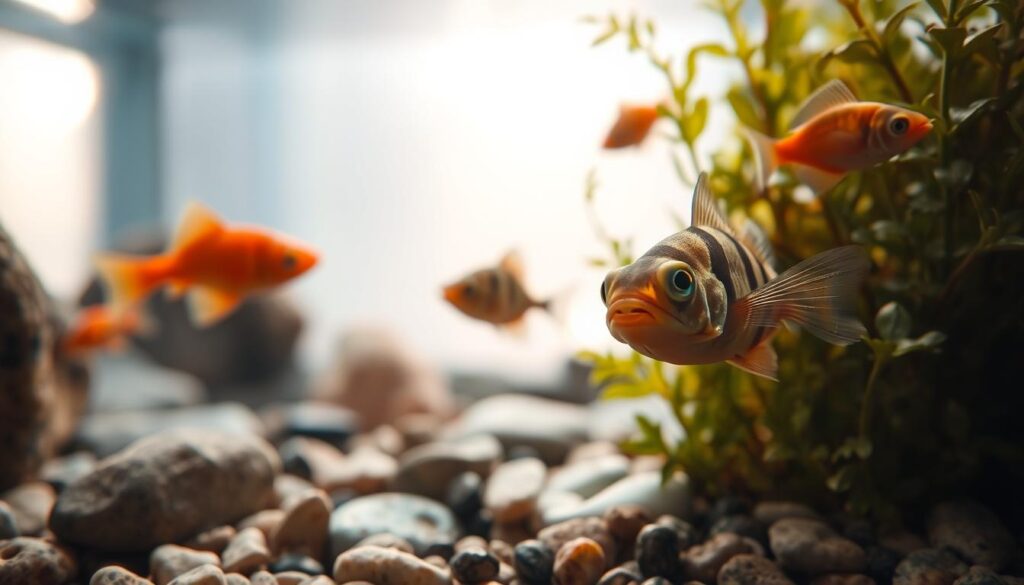
    A serene underwater scene featuring several nano fish exhibiting signs of stress, such as hiding among rocks and plants, displaying erratic swimming patterns, and showing darker colors. In the foreground, a close-up of a small fish with wide eyes and tightly clamped fins, showcasing its anxiety. The middle ground includes pebbles and lush aquatic plants, providing a natural habitat that emphasizes the fish's environment. The background is softly blurred to highlight the fish while depicting light filtering through the water, creating an ethereal glow. Warm, soothing colors dominate, evoking a sense of urgency in recognizing stress without creating alarm. Aim for a realistic and educational representation of fish behavior in their habitat.

    Stress in nano fish shows up in physical and behavioral changes. It weakens the slime coat and lowers immune function. This makes fish more open to infections.

    Regular checks help spot problems early. This prevents diseases from taking hold.

    It’s key to know the difference between acute and chronic stress. Acute stress comes from sudden events like transport or big water changes. It shows as darting and frantic breathing.

    Acute stress usually clears up in a few days with the right care.

    Chronic stress builds up over time due to poor water quality or tank overcrowding. Signs include faded colors, weight loss, and sickness. Catching stress early helps avoid long-term damage.

    Hobby mistakes often lead to stress. Common errors include poor cycling, myths about overstocking, and bad temperature control. Sudden changes in lighting or CO2 can also upset fish.

    Using smart devices can help keep conditions stable. This reduces mistakes.

    • Recognizing fish stress starts with daily checks and a log of behavior and feeding.
    • Detecting stress benefits from routine water tests and quarantine for new fish.
    • Fish stress assessment includes tank conditions, recent events, and fish interactions.

    Stress makes fish more prone to infections like fin rot and fungal growths. Preventive steps like regular testing and quarantine are better than treating illness.

    Watch for subtle signs of stress and act fast. Early action helps keep fish colors, appetite, and immune system strong. With regular observation and care, your nano fish can stay healthy.

    Signs of Stress in Your Nano Fish

    A close-up view of stressed nano fish in a well-maintained aquarium, showcasing vivid colors indicating distress. In the foreground, a small fish with a slightly curled tail and frayed fins swims near the surface. In the middle, a group of fish huddles together, their colors fading and fins clamped close to their bodies, revealing signs of stress. The background includes lush aquatic plants and a subtle bubble filter, creating a serene habitat juxtaposed against the fish’s distress. Soft, natural lighting filters through the water, casting gentle reflections on the tank decor. Capture a sense of concern, emphasizing the importance of observing these signs in fish behavior.

    Every day, watch your fish for signs of stress. Look for changes like not eating or breathing fast. These are early signs that need quick action.

    Check for damaged fins and dull colors. If your fish swim erratically or hide, they’re stressed. Also, look for them floating or sinking.

    Sores, spots, or fuzzy growths on the body are bad signs. White spots mean ich, while yellow dust is velvet. Fuzzy mouths and bloated fish are signs of Columnaris and dropsy, respectively. These illnesses start with small stress signs, so spotting them early is key.

    It’s important to tell courtship from stress behavior. Courtship is rhythmic and colors brighten. Stress, on the other hand, is erratic and appetite drops. Knowing the difference helps you spot stressed fish.

    Technology can help you notice stress signs faster. AI apps and smart systems alert you to disease or odd behavior. They help you treat problems before they get worse.

    • Loss of appetite or skipping meals
    • Rapid or labored breathing; gasping at the surface
    • Clamped or tattered fins; faded or blotchy color
    • Abnormal swimming: darting, circling, hitting glass
    • Hiding, lying on the bottom, buoyancy issues
    • Sores, spots, white grain-of-salt (ich)
    • Yellow/rust dusting (velvet/oodinium)
    • Fin tattering and fuzzy mouth patches (Columnaris)
    • Bloating and protruding scales (dropsy)

    Keep watching your fish closely and note any changes. Spotting stress early lets you fix problems and seek help if needed.

    Water Quality: The Key to Fish Health

    Your first step in fish stress assessment is to treat water chemistry and stability as the top priority. Temperature, ammonia, nitrite, nitrate, pH, hardness, and dissolved oxygen must be appropriate for your species and remain steady. Small swings in these aquarium water parameters can trigger rapid behavior changes and weaken immunity.

    When detecting fish stress, check recent environmental events before assuming illness. Review recent water changes, temperature shifts, filter cleaning, or equipment failures. These routine actions often explain sudden stress signs more than pathogens.

    Test priorities help you act fast. Measure ammonia and nitrite first, then nitrate and temperature. Aim for 0 ppm ammonia and 0 ppm nitrite. Keep nitrates low—under 20–40 ppm depending on species—and hold temperature within the range recommended in aquarium temperature guides.

    • Use fishless cycling to establish a stable nitrogen cycle when starting a tank. This reduces early stress and avoids exposing fish to toxic spikes.
    • Perform regular partial water changes to maintain balance and dilute waste that stresses fish.
    • Consider modern planted tanks, smart lighting, and budget CO2 automation to stabilize conditions in planted setups.

    Poor water conditions promote specific illnesses. Chronic bad water and ongoing stress increase the risk of ich outbreaks, fungal infections, and repeated bacterial problems. Fixing aquarium water parameters often stops symptoms and reduces recurrence.

    1. Monitor ammonia and nitrite daily if stress is suspected.
    2. Correct abrupt changes immediately using partial water changes or temperature adjustments.
    3. Install emergency power and leak detection for critical systems to prevent catastrophic parameter shifts.

    Keep records of readings and actions. Regular monitoring improves your ability to detect fish stress early and to link symptoms to water quality and fish stress factors. Stable water chemistry is the simplest, most effective tool you have to protect your nano fish.

    Social Dynamics: Relationships Among nano Fish

    Social interactions are key to understanding fish well-being. Aggression, uneven sex ratios, and territorial behavior can cause stress. You might see signs of stress before any visible injuries.

    Start by observing fish behavior to tell normal courtship from harmful actions. For example, livebearers like guppies often have brief male chases. But, persistent chasing that exhausts females is a sign of stress.

    Species like tetras and barbs may chase each other during spawning. Short chases are okay. But, if the chasing is constant, fins are torn, or wounds are visible, it’s a sign of stress.

    Cichlids may seem aggressive with their digging and lip-locking. But, these actions can be normal. Be worried if one fish is always chased, cornered, or shows signs of injury. These are signs of imbalance.

    Choosing the right fish for your tank is important. Don’t overcrowd and ensure compatibility. Providing enough space and hiding spots can reduce aggression and stress.

    • Watch for repeated attacks or wounds.
    • Isolate injured fish to prevent opportunistic infections.
    • Consider re-homing aggressive individuals if aggression persists.

    Injuries from fights can lead to infections like fin rot. When you see stressed fish, focus on treating wounds and quarantine. This protects the injured fish and the rest of the tank.

    Keeping a log of fish interactions helps you understand their behavior over time. Note who starts chases and who gets targeted. This way, you can spot problems early and act before they get worse.

    Environmental Factors Affecting Nano Fish

    Your nano tank’s design impacts fish behavior and health. Tank size is key because nano tanks react fast to changes. Small tanks mean stressors appear quicker than in bigger ones.

    Think about if the tank is too small for active fish or too full of decor. This can cause stress.

    Lighting and the day-night cycle affect fish and plants. Bright lights or sudden schedule changes can stress fish. They might hide, lose appetite, or swim frantically.

    Low light hurts plant growth and lets pests like velvet spread. Slowly increase CO2 levels in planted tanks. Quick changes stress plants and fish.

    Substrate, driftwood, and rocks provide comfort and territory. Blackwater biotopes with tannins from driftwood calm many fish. They soften water and lower pH.

    Dense planting or natural hiding spots reduce stress. They give fish safe places and stable environments.

    • First, check for recent changes: tank moves, decor changes, or water chemistry shifts can stress fish.
    • Look for sudden reactions: frantic swimming, gasping, or clamped fins often follow quick changes.
    • Ensure good oxygenation: poor surface agitation or power outages quickly drop oxygen in nano tanks, causing gasping.

    Plant health is linked to fish well-being. CO2 boosts plant growth but can lower oxygen at night if too much is used. Prune and adjust CO2 slowly to monitor fish stress.

    Lighting extremes can lead to algae and disease. Too much light encourages algae and worsens velvet. Too little light weakens plants and harms water quality. Find a balance for species needs and watch for stress signs.

    When checking for fish stress, use a checklist: tank size, recent changes, oxygen levels, lighting, and decor shifts. Quick checks of temperature and surface agitation can prevent emergencies. Small, steady changes reduce stress and illness risk.

    Feeding Practices: A Vital Component

    Your fish’s diet and health are closely connected. Bad nutrition can weaken their immune system. This might show as dull colors and slow movements. These signs can also mean your fish is stressed.

    Feed the right amount. Many people give too much food. This can make the water unhealthy and stress out your fish.

    Watch how much your fish eats. If they eat less or won’t eat, it could be a sign of stress or illness. During courtship, they might eat more, hiding any health issues. So, keep an eye on their eating habits over time.

    • Choose high-quality commercial foods for balanced nutrition.
    • Offer live or frozen options like brine shrimp or daphnia to add variety.
    • Limit feeding frequency to small, twice-daily portions, or follow species-specific guides.

    Automatic feeders are great when you’re away. They keep feeding regular, which helps your fish stay calm and healthy.

    Pay attention to how your fish eats. If they ignore food or fight over it, you need to adjust. This helps keep the water clean and healthy, which is key to avoiding stress in your fish.

    Keep a simple log of when and how much you feed. This helps you notice any changes in your fish’s eating habits. It can also help you see if diet or environment changes are causing stress.

    Monitoring Your Fish: Best Practices

    Start a simple daily routine to spot problems early. Do a quick visual check each day during feeding. Look for changes in appetite, breathing rate, location in the tank, and unusual motion patterns. This first step helps with detecting fish stress before tests are needed.

    Use a weekly checklist for water quality. Test ammonia, nitrite, nitrate, pH, and temperature on a set day. Record results in a log or app. Regular water tests support accurate fish stress assessment and guide partial water changes.

    Maintain short records and video clips. A one-minute clip during feeding or at night can reveal repeated behaviors you might miss live. Video and notes make monitoring fish behavior more reliable when evaluating fish stress over weeks.

    • Create a simple log: date, water readings, feeding notes, and abnormal signs.
    • Note social interactions: chasing, hiding, or isolation often signal trouble.
    • Mark any sudden color shifts or erratic swims for follow-up testing.

    Leverage smart tech to reduce guesswork. AI vision apps and camera systems can flag odd movement or color change. Smart leak detectors, automated top-offs, and programmed heaters keep conditions stable. Simple automation for lights and CO2 prevents abrupt shifts that stress fish.

    Follow a behavior-first routine before jumping to medications. Observe feeding response, breathing, position, and repeated motions. Use those observations to decide which tests or treatments to run. This approach improves the accuracy of fish stress assessment.

    Adopt routine maintenance tasks on a schedule. Do partial water changes, clean or check filters, and inspect equipment weekly. Quarantine new arrivals and perform routine dips when needed. Early prevention reduces the chance you’ll be evaluating fish stress under emergency conditions.

    Match treatments to symptoms when intervention is required. Reliable test kits help identify water issues. Commercial products such as Maracyn or Ich-X can be useful when paired with the right diagnosis. Keep treatment notes in your log so you can track outcomes and refine your monitoring plan.

    Solutions for Reducing Fish Stress

    If you see signs of stress, act quickly. Start by changing some of the water to stabilize it. Check the temperature and oxygen levels. Adjust heaters or add an air stone, and dim the lights to reduce sudden changes.

    Next, reduce handling and noise near the tank. Move aggressive fish to a separate tank to stop bullying. Isolate any visibly injured fish to help them recover without more stress.

    When identifying stressed fish, follow a clear plan. If they’re showing courtship behavior, leave them alone unless it’s severe. If you see physical symptoms or illness, treat the specific condition after confirming the diagnosis.

    Use targeted treatments for common illnesses linked to stress. For ich, slowly raise the temperature and consider treatments like Ich-X or aquarium salt. For velvet, increase the temperature, reduce bright lights, and apply an anti-velvet medication.

    Bacterial infections need antibiotics if necessary. Products like Maracyn can work for some gram-negative infections. Recognize dropsy early, but treatment is often not successful, and a vet should be consulted.

    Prevent stress with routine measures. Fishless cycle the tank, avoid overstocking, and quarantine new fish. Use timed feeders, reliable heaters, and CO2 controllers to automate tasks and reduce stress.

    Be ready for power outages and emergencies with battery backups or generators. These help keep water chemistry stable and reduce stress during unexpected events.

    Adopt calming strategies as part of your routine. Create hiding spots with plants and decor, keep a consistent feeding schedule, and watch for stressed fish. These solutions help keep your aquarium calm and healthy over time.

    The Role of Routine and Stability

    Keeping a routine and steady water conditions can help reduce stress in nano fish. A consistent routine helps you spot stress signs early. This also lowers the risk of diseases.

    Smart planted tanks and automated systems for lighting, CO2, and feeding add consistency. Timers, a low-cost CO2 regulator, and automatic feeders keep things steady. This means you spend less time dealing with changes.

    Regular water changes and scheduled maintenance prevent water quality issues. These issues can lead to poor health in fish.

    Fishless cycling before adding fish avoids early losses. It gives young fish a stable start. Knowing the baseline values for ammonia, nitrite, and nitrate makes monitoring easier.

    Many fish breeding cycles and courtship behaviors follow predictable patterns. Learning these patterns helps you understand when behavior is normal or a sign of distress. This makes it easier to spot stress signals.

    • Quarantine new additions to stop pathogens from entering your display.
    • Test water regularly to catch parameter drift early.
    • Avoid overfeeding to keep tank chemistry stable.

    Use the checklist above as a practical routine to prevent fish stress. It’s also part of ongoing fish stress assessment. Prioritizing stability in aquarium care leads to healthier fish. They will show more consistent color, appetite, and activity.

    When to Seek Professional Help

    Seek help if signs don’t get better or get worse with home care. Look for clear signs like breathing trouble, sores, weight loss, or long-term tiredness. These could mean your fish needs a vet.

    Some issues, like dropsy or bacterial infections, need a vet right away. These problems need special treatments that you can’t buy yourself. If you think your fish has one of these, call a vet fast.

    Not sure if your fish is stressed or just being active? Get help from a pro. They can tell you for sure and help avoid making things worse.

    • When to call a vet: severe respiratory distress, open sores, swollen abdomen, or progressive decline despite correct water parameters.
    • What to prepare: short video of the behavior, recent water test results, species and tank details, and a timeline of symptoms.
    • Where to seek help: experienced aquatic veterinarians or reputable local fish stores with proven credentials and reviews.

    Send videos and water test results to get quick advice. Vets can do tests, suggest treatments, and guide care. If you’re unsure or treatments aren’t working, ask for help.

    Act quickly for contagious or serious issues. Early help can save your fish and prevent sickness in others. Keep a record of what you’ve tried so the vet can build on your efforts.

    Tips for Building a Stress-Free Habitat

    Before buying, pick species that fit a 10-gallon nano tank. Small tanks need careful planning. One or two small schooling fish or a single centerpiece species is best.

    Plan your aquascape to reduce territorial conflict. Use driftwood, caves, and dense plant clusters for barriers. Low-light plants like Anubias and Java Fern provide cover and are easy to keep.

    • Avoid overstocking; follow recommended adult sizes.
    • Provide multiple hiding places so shy fish can escape harassers.
    • Keep open swimming space for active species.

    Match community compatibility and sex ratios to prevent bullying. For livebearers, manage male-to-female ratios to avoid constant chasing. Give females extra refuges during breeding times.

    Use filtration that delivers gentle flow. Strong currents tire small fish and lift plants. Choose a filter rated for your tank volume and add sponge pre-filters if you keep fry or shrimp. Routine maintenance keeps water stable and aids reducing fish stress.

    Consider blackwater setups for tannin-loving species. Driftwood releases tannins that soften water and calm many fish. These conditions suit species that prefer subdued light and can be central to building stress-free aquarium environments.

    Quarantine new fish and plants before adding them to the main tank. Test water before and after changes to avoid sudden swings. A simple quarantine routine is one of the best steps for fish stress prevention.

    1. Introduce a cleanup crew, such as Nerite snails, where appropriate to help control algae.
    2. Install smart leak detection and a small UPS for air pumps or filters to protect your habitat during outages.
    3. Feed measured portions of high-quality food and remove uneaten pellets to keep parameters steady.

    Learn species-specific normal behaviors so you do not mistake routine actions for trouble. Observing your fish daily helps spot early signs and speeds up reducing fish stress when problems arise.

    Stick to a consistent schedule for light, feeding, and maintenance. Predictability gives fish security and supports long-term success with a stress-free nano tank.

    Conclusion: Prioritizing Your Nano Fish’s Well-being

    To keep your nano fish happy, check on them every day. Look at their appetite, breathing, color, and behavior. This helps you spot stress early and act fast.

    Preventive steps are key. Cycle your tank without fish, quarantine new fish, and use timers for lights and feeders. Having an emergency kit ready also helps. Keep notes or videos of your fish’s behavior to spot stress quickly.

    Acting fast when you see stress is important. Many diseases start with stress. Test your water often and get help if you need it. By staying alert and consistent, you can keep your nano fish safe and healthy.

    FAQ

    What are the earliest signs that my nano fish are stressed?

    Look for changes in appetite, like skipping meals or refusing food. Also, watch for rapid or labored breathing and gasping at the surface. Clamped or tattered fins, faded or blotchy color, and abnormal swimming are other signs.

    These signs often appear before full-blown illness. Hiding or lying on the bottom and buoyancy problems are also indicators.

    How do I tell the difference between acute stress and chronic stress?

    Acute stress is sudden and intense. It can be caused by events like transport or large water changes. Signs include frantic darting and heavy breathing.

    Chronic stress is a slow decline. It can be caused by poor water quality or overcrowding. Signs include faded color, weight loss, and reduced activity and appetite.

    Could normal courtship behavior be mistaken for stress or aggression?

    Yes, it’s important to slow down and observe. Courtship is rhythmic and repetitive. It often includes normal or increased appetite and intensified colors.

    Stress is erratic and appetite-reducing. If one fish is repeatedly cornered or injured, the behavior is likely harmful.

    What water tests should I run first when I suspect stress?

    Test ammonia and nitrite immediately. Both should be 0 ppm. Next, check nitrate and temperature.

    Also, confirm pH, hardness, and dissolved oxygen if possible. Address any abrupt parameter changes before assuming disease.

    What actionable thresholds should I aim for in a nano tank?

    Keep ammonia and nitrite at 0 ppm. Keep nitrates low—generally under 20–40 ppm depending on species. Maintain a stable temperature appropriate for your fish.

    Stabilize pH and hardness to the levels the species prefers. Ensure good oxygenation.

    How can technology help me detect stress early?

    Smart monitoring can flag abnormal movement or color changes. AI vision apps and camera systems are helpful. Leak detectors, automatic feeders, and smart lighting and CO2 controls reduce human error.

    These tools shorten time-to-detection and help maintain consistent conditions.

    What common beginner mistakes cause early stress in nano tanks?

    Fish-in cycling, overstocking, inappropriate temperatures, sudden lighting or CO2 changes, and neglecting quarantine are common mistakes. In the first 30 days, mistakes in cycling or stocking are risky.

    Fishless cycling, proper stocking, and quarantine prevent many early losses.

    How do water problems lead to specific illnesses?

    Stress and poor water quality weaken the slime coat and immune system. This makes fish vulnerable to opportunistic infections. Ich and velvet often follow unstable water.

    Chronic poor water often leads to repeated bacterial issues like fin rot and hemorrhagic septicemia, plus fungal outbreaks.

    What immediate steps should I take if I notice stressed fish?

    Stabilize water—perform a measured partial water change if needed. Check and restore temperature and oxygenation. Dim lights and reduce handling.

    Separate injured or bullied fish. Review recent changes before starting medication.

    When should I treat versus when should I just stabilize and observe?

    Follow a behavior-first routine. Observe feeding, breathing, location, social interactions, and repeated movements. Stabilize parameters first.

    Treat disease only when clear physical symptoms appear. If uncertain after observation and stabilization, seek professional guidance.

    How do social dynamics cause stress and how can I reduce it?

    Aggression, wrong sex ratios, territorial species in tight space, and incompatible mixes cause chronic stress and injury. Reduce stress by adjusting stocking and sex ratios.

    Provide hiding places, aquascaping to break lines of sight, and offer refuges. Re-home persistently aggressive individuals.

    What feeding practices support stress resilience?

    Feed high-quality, species-appropriate food in controlled amounts. Use automatic feeders when you’re away to maintain routine. Provide dietary variety.

    Observe appetite as a diagnostic—reduced feeding is an early stress sign.

    How often should I monitor and test my nano tank?

    Perform daily visual checks, weekly water tests for ammonia, nitrite, nitrate, and temperature. Keep brief logs or video clips to identify patterns.

    Maintain scheduled partial water changes and filter maintenance to prevent parameter drift.

    What habitat features reduce stress in nano tanks?

    Provide appropriate tank size for your species. Offer ample hiding places (plants, caves, driftwood). Use gentle filtration and flow.

    Stable lighting schedules are important. For species that prefer tannins, blackwater setups with driftwood help. Use low-light plants like Anubias and Java Fern for easier planted nanos.

    When should I escalate to a vet or experienced hobbyist?

    Seek professional help for persistent breathing difficulty, severe or spreading sores, rapid weight loss, repeated deaths, prolonged lethargy despite stabilized water, or unclear progressing symptoms despite home care.

    Share water test results and video to speed accurate advice.

    What medical treatments are commonly used for stress-linked illnesses?

    Protocols vary by disease. Ich treatments may include careful temperature rises, Ich-X, and salt where appropriate. Velvet often needs increased temperature, reduced lighting, and specific medications.

    Bacterial infections may require Maracyn or species-appropriate antibiotics. Dropsy has a poor prognosis even with aggressive care.

    What prevention strategies keep nano fish healthy long-term?

    Prioritize fishless cycling before stocking, quarantine new additions, and perform regular partial water changes. Test water weekly, avoid overfeeding, and use proper stocking and compatibility checks.

    Leverage automation (timed feeders, CO2 and lighting control). Emergency power and leak detection protect against catastrophic shifts.

    How can I tell whether erratic movement is stress or normal species behavior?

    Note the pattern: courtship and normal displays are rhythmic and purposeful. Stress-driven movement is erratic, frantic, and often linked with reduced appetite.

    Compare behavior to species baselines—livebearer chasing, schooling chase during spawning, or cichlid territorial displays can be normal if not causing injury or prolonged distress.

    What are the signs that prevention and stabilization have worked?

    Fish resume regular feeding, breathing returns to normal rate, and colors brighten. Activity levels normalize, wounds stop worsening and begin healing, and no new symptoms appear.

    Continued stability in weekly water tests confirms conditions are under control.

    What should I include in a quick emergency checklist for a stressed nano tank?

    Check ammonia and nitrite, verify temperature and oxygenation, and perform a partial water change if needed. Reduce lighting and remove or isolate injured fish.

    Pause major maintenance and document behavior with short video. If parameters are off or symptoms progress, contact a vet or reputable local fish store with test results and video.

  • Feeding Nano Fish: Best Practices and Tips

    Feeding Nano Fish: Best Practices and Tips

    You’ll learn how to feed nano fish to keep them healthy and colorful. Nano fish are small and have tiny mouths. They can’t eat much, so feeding them right is key.

    Feeding nano fish correctly is important for their growth and health. Many people feed them too much. Fish usually need food once or twice a day and should eat it all in 2–3 minutes. For nano fish, give them small amounts and quick meals to prevent bad water quality.

    First, find out what your fish likes to eat. They might be herbivores, carnivores, or omnivores. Look for foods that match their mouth size and choose brands like New Life Spectrum or Hikari. This will help you pick the best food for your nano fish.

    Remember, fry and breeding projects have special needs. Later, we’ll talk about feeding fry small amounts often. For now, start with small portions and watch how your fish eat. Adjust your feeding based on these tips and best practices.

    Understanding Nano Fish Species

    A vibrant underwater scene showcasing a variety of nano fish species swimming gracefully among lush aquatic plants. In the foreground, focus on a group of tiny, colorful fish with intricate patterns and delicate fins, such as the Pygmy Corydoras and Neon Tetra, emphasizing their small mouths and bellies. The middle ground features swaying green plants and small pebbles, providing a natural habitat. In the background, soft bubbles rise to the water’s surface, with a gentle play of light filtering down from above, creating a serene and lively atmosphere. Use soft, diffused lighting to enhance the colors of the fish and plants, captured with a macro lens from a slightly elevated angle to highlight the beauty of these tiny creatures in their habitat.

    You care for species like neon tetras, ember tetras, and chili rasboras. Celestial pearl danios, pygmy gouramis, micro rasboras, and small rasboras are also part of your tank. These nano fish are small, peaceful, and love planted tanks. They have different diets, from plants to meat.

    Herbivores eat plants and algae and have long intestines. Carnivores need meat and have short guts. Omnivores eat both plants and animals. Knowing this helps you feed them right.

    Feeding zone is key. Surface feeders like floating flakes. Mid-water swimmers prefer small pellets or granules. Bottom dwellers eat sinking wafers or tablets. Choose food that matches their natural feeding zone to avoid waste and stress.

    Protein needs vary a lot. Some nano fish need just 5 percent protein, while others need up to 70 percent. Check what your fish need before planning meals. Look at their mouth and how they forage to pick the best food.

    Breeding changes feeding habits. Egg layers, mouthbrooders, and livebearers have different ways of spawning. Fry need finer, high-protein diets than adults. Prepare special foods for breeding or raising fry.

    Watch your tank daily to learn feeding patterns. See where fish gather, note any competition, and track who eats biofilm. Grazing species will eat algae and biofilm but also need targeted feedings to meet their nutritional needs.

    • Identify the species and their natural diet.
    • Match food form to feeding zone: floating, midwater, sinking.
    • Adjust protein levels for species and life stage.
    • Watch behavior to refine nano fish feeding habits and portions.

    Choosing the Right Fish Food

    A colorful array of specialized nano fish food, vividly displayed in the foreground. Various types of finely crushed flakes, micro pellets, and freeze-dried daphnia arranged artfully on a textured surface. Each type of food is magnified to showcase its details, like the intricate texture of the flakes and the tiny size of the pellets. In the middle ground, a serene aquarium environment with soft, natural lighting that creates a warm atmosphere, highlighting vibrant aquatic plants and a few small nano fish swimming gracefully. The background features subtle hints of aquarium glass and light reflections, enhancing the tranquility of the scene. The composition is shot with a shallow depth of field, focusing sharply on the food, while the surrounding elements softly blur for a dreamy effect.

    First, match the food type to where your fish eat. Flakes are good for fish that eat at the surface and mid-level. They float and then sink. Pellets, being denser, dissolve slower and make less waste, which is great for small tanks.

    Choose the right size of food for your fish’s mouth. Crush big pellets or buy tiny micro-pellets for small fish. For fish that live on the bottom, sinking wafers or granules are best. These choices help create a balanced diet for nano fish and make feeding easier.

    Change up the protein sources by using live, frozen, and freeze-dried foods. Live foods like daphnia and baby brine shrimp make fish hunt naturally. Frozen foods keep nutrients stable. Freeze-dried foods are good for storage but need to be soaked before feeding.

    Think about the protein needs of your fish. Herbivores and many omnivores do well on foods with 5–40% protein. Carnivores need more, up to 70%. For community tanks, choose foods with about 30–40% protein.

    • Use micro-pellets or crumbled flakes as default for mixed groups.
    • Supplement with frozen or live foods one to three times weekly for enrichment.
    • Choose reputable brands with positive hobbyist reviews to reduce risk.

    For fry and grow-out stages, use special foods like infusoria and Repashy gel food. These help young fish grow fast and survive better.

    Use smart feeding strategies to avoid overfeeding. Feed small amounts several times a day or one portion that they eat in a minute. Watch for waste and adjust feeding to keep water clear.

    When shopping, remember to check for the right size, protein level, and trusted brand. Also, look for options for live or frozen foods. These tips will help you create a varied and healthy diet for your nano fish.

    Frequency of Feeding Nano Fish

    Set a clear feeding schedule for nano fish to keep your tank stable. Most adult nano species do well with one or two small feedings per day. Offer portions that your fish can finish within 2–3 minutes to avoid waste and maintain water quality.

    You should watch nano fish feeding habits closely. Young or growing fish need more frequent meals, about three to five times daily. Fry and newly free-swimming young require tiny, frequent feedings and microscopic foods like infusoria or green water.

    • Adult tropical nano fish: 1–2 feedings/day, portion consumed in 2–3 minutes.
    • Juveniles and grow-outs: 3–5 small feedings/day to support rapid growth.
    • Fry: multiple tiny meals; live baby brine shrimp encourage strong growth.

    Adjust feeding based on temperature and activity. Warmer water raises metabolism, so increase feeding slightly when fish are more active. Cooler water lowers metabolism, so reduce or skip feedings when fish slow down.

    Keep feeding nano fish in a planted tank gentle and measured. Plants help process light waste, but excess food can harm water quality. Feed tiny portions and remove uneaten food after a few minutes to protect plants and filter balance.

    Plan for absences with care. Short trips of three to seven days often do not require feeding for healthy adults. For longer trips, use a reliable automatic feeder or pre-measured portions to prevent overfeeding while you are away.

    Best Feeding Techniques

    Portion control is key. Feed your nano fish only what they can eat in 2–3 minutes. Start with tiny amounts and see how fast they eat. It’s safer to underfeed than to overfeed and harm the water.

    Soak hard pellets for 10 minutes before feeding. This stops them from getting too big in small fish bellies. It also helps prevent bloating in fish like bettas.

    Spread food around the tank to avoid fights. Drop small amounts in different spots. This way, all fish get food, even the shy ones.

    • Rotate food forms: use flakes and pellets as staples.
    • Supplement 1–3 times weekly with frozen or live options such as brine shrimp or daphnia.
    • Variety improves coloration and overall health.

    Use tools and automation for consistent feeding. An automatic feeder is great when you’re away. But, test it first to ensure it gives the right amount. Always check manually to control the food.

    Keep the tank clean by removing uneaten food quickly. Use a fine net or a turkey baster to remove debris. This keeps the water safe for your fish.

    Choose the right food for your nano fish. For carnivores, pick high-protein foods. For omnivores, add veggies. Live or frozen treats are great for extra nutrition. Good food and careful feeding make feeding time good for your fish.

    Preparing the Feeding Area

    Make a clear spot for feeding to help your nano fish know where to eat. Choose a spot based on the fish type. Surface feeders like flakes or floating pellets near the top. Mid-water fish prefer small granules or sinking pellets a bit below the surface. Bottom dwellers need wafers or sinking pellets on the substrate.

    In a planted tank, feed carefully. Live plants are great for shy fish but can trap food. Feed small amounts and watch how fast fish eat to avoid mess and algae.

    Prepare food in advance. Measure out daily portions in small containers or a pillbox to avoid overfeeding. Soak larger pellets for ten minutes to make them soft and sink properly.

    Use tools to control food distribution and waste. Feeding rings keep flakes in one spot for surface feeders. A turkey baster removes leftover food from plants. Use breeder nets for fry or fragile species to protect them during feeding.

    • Arrange multiple feeding points for even coverage in the aquarium.
    • Choose denser pellets when you want to minimize particulate waste.
    • Remove uneaten food promptly and perform routine water changes as needed.

    Follow these tips to keep your tank clean and your fish healthy. Consistent preparation reduces stress on fish and lowers maintenance needs when feeding nano fish in a planted tank.

    Monitoring Your Nano Fish’s Health

    Start a simple feeding log to track feeding times, amounts, and types of food. This log helps you see how feeding habits relate to water changes and fish health. Note any leftover food and cloudy water after feeding.

    Every day, observe your fish’s bodies and behavior. Skinny, sunken-bellied, or pale fish might be underfed. On the other hand, bloated fish, heavy algae, or uneaten food after five minutes suggest overfeeding. Trailing feces or constipation signs mean you need to feed less and review your diet.

    When changing diets or introducing fry, check water quality more often. Fry need strict water control, so use sponge filters and small, frequent water changes. If you’re changing water a lot, you might be feeding too much.

    • Watch how fish eat: are timid fish bullied away from food? Adjust feeding times or distribution so all fish eat.
    • Soak pellets before feeding to reduce expansion and lower constipation risk.
    • Match portions to nano fish nutritional needs and life stage to avoid nutrient gaps or excess waste.

    If digestive issues or disease signs last, get advice from local aquarium stores like Petco or vets with aquatic experience. Reputable forums like FishLore can offer community insights, but for serious issues, seek professional help.

    1. Daily: quick visual check of eating, color, and activity.
    2. Weekly: log review and compare feeding to water parameters.
    3. Monthly: adjust rations to reflect growth and evolving nano fish nutritional needs.

    Regular nano fish health monitoring helps prevent problems and supports stable feeding habits. Small, consistent observations protect water quality and help fine-tune feeding for long-term health.

    Adjusting Diets as Fish Matures

    Match your feeding plan to your fish’s growth stages. Fry and juveniles need lots of protein to grow fast. Feed them small amounts 3–5 times a day with tiny foods like infusoria or vinegar eels.

    When their mouths and guts grow, start with crushed flakes or Repashy gel foods. Slowly increase the size of the food as they get better at digesting it. This helps avoid digestive problems and stress.

    • For juveniles: higher protein, frequent feedings, tiny particle sizes.
    • For subadults: moderate protein, reduce feeding frequency, increase pellet or flake size.
    • For adults: balanced commercial foods, 1–2 feedings per day for most species.

    Adjust diets as fish matures, considering their species needs. Herbivores need more plants, while carnivores need more protein. Most nano fish do well with 30–40% protein, but carnivores need more.

    Change your feeding schedule as your fish grows. Move from frequent feedings for fry to less for adults. Reduce food amounts as they grow to avoid obesity and water quality issues.

    Watch your fish’s weight, color, and activity to see if they’re getting enough nutrients. If they seem bloated, faded, or less active, cut back on food and check the type. Regular checks help keep your fish healthy for a long time.

    Dealing with Common Feeding Challenges

    Overfeeding is a big problem with nano species. Make sure to measure food portions so it’s all eaten in 2–5 minutes. Use sinking pellets to reduce waste and keep the water clean.

    If your water gets cloudy or algae grows, cut back on food. This simple change helps keep your fish healthy and your tank clear.

    Picky eaters need different foods to stay interested. Try mixing flakes, pellets, frozen brine shrimp, bloodworms, or thawed daphnia. Live foods are best, but frozen options are safer.

    In tanks with many fish, food zones and rates vary. Spread food around the tank and feed in several spots. Offer different foods or stagger feedings to ensure everyone gets a turn.

    Pellets can cause bloating in small fish. Soak them for about 10 minutes before feeding. This helps prevent swelling and keeps your fish safe.

    For trips away, pre-measure food for your sitter. An automatic feeder is good if you test it first. For short trips, try a slow-release block. Always underfeed to avoid overfeeding.

    Avoid using raw tubifex or other risky live foods. Stick to frozen or cultured live foods from trusted brands. This reduces the risk of parasites and keeps your fish safe.

    • Measure portions and remove uneaten food.
    • Rotate food types to engage picky eaters.
    • Feed multiple spots in mixed tanks.
    • Soak pellets to prevent expansion.
    • Prepare clear sitter instructions or test feeders before leaving.

    Special Considerations for Breeding Nano Fish

    When you start breeding nano fish, you need to protect the eggs and ensure safe hatching. Many species will eat their own eggs. So, provide spawning sites like java moss, ceramic tiles, or synthetic mops.

    For egg-scatterers, place marbles or fine mesh on the tank bottom. This keeps the eggs out of reach.

    Fungus can quickly ruin a clutch. Use egg tumblers or small aerated containers for sensitive eggs. A few drops of methylene blue or natural tannins can help prevent fungus. Remove any fungus-affected eggs with a turkey baster to keep the rest healthy.

    • Use sponge filters to protect fry from strong suction.
    • Perform frequent small water changes to keep water quality high.
    • Provide dense cover like java moss or mesh traps so fry hide from adults.

    Feeding nano fish fry requires special care. Newly hatched fry often need microscopic foods like infusoria or green water. As fry grow, introduce crushed flakes, Repashy gel foods, or Easy Fry products.

    Live baby brine shrimp are the best for rapid growth and strong development.

    Match feeding frequency to tiny stomachs and high metabolisms. Offer small meals multiple times per day. Many species do best with three to five feedings daily. Watch feeding responses and adjust portions to avoid overfeeding and ammonia spikes.

    1. Start with microscopic foods for the smallest fry.
    2. Progress to powdered or crushed foods as they grow.
    3. Introduce live nauplii for enhanced nutrition and natural hunting behavior.

    Keep notes on nano fish feeding habits and adjust based on species needs. Proper diet, protected hatching areas, and gentle filtration will help your success when breeding nano fish.

    Conclusion: Best Practices Recap

    You now have a guide to feeding nano fish that’s based on real steps. Choose the right food types and sizes for your fish. Make sure to control portions, giving them only what they can eat in 2–3 minutes. Fry need more frequent, tiny meals.

    Adult nano fish usually do well with 1–2 meals a day. Young ones and fry need 3–5 small meals, with special foods. Mix commercial foods with frozen or live foods like daphnia and brine shrimp for nutrition and fun.

    Soak pellets to avoid expansion or bloating. Pick low-waste pellets for small or planted tanks. For breeding, protect eggs and feed fry often. Keep water quality high and provide hiding spots.

    When you’re away, test automatic feeders or use pre-measured portions. In planted tanks, feed carefully to avoid debris and algae. Daily, check your fish’s needs, match food sizes, and measure portions. Monitor water quality and your fish’s health.

    Adjust feeding based on temperature, growth, and life stage. Observe your fish daily and keep feeding records. This will help keep them healthy and vibrant for a long time.

    FAQ

    What qualifies as a nano fish and which species are common?

    Nano fish are small and have tiny mouths. They can’t eat much. Examples include neon tetras and ember tetras. Other common ones are chili rasboras and pygmy gouramis.

    Most are omnivores, but some are herbivores or carnivores. Knowing this helps you feed them right.

    How often should I feed my adult nano fish?

    Adult nano fish need one to two meals a day. Give them just enough for 2–3 minutes. Feed more in warm water or breeding season.

    Feed less if the water gets cloudy or algae grows. It’s better to underfeed than overfeed.

    How should I feed fry and juvenile nano fish?

    Fry and juveniles need small meals often. Feed them three to five times a day. Start with tiny foods like infusoria.

    As they grow, switch to baby brine shrimp or crushed flakes. Keep the water clean and use gentle filters.

    How do I choose the right food form and particle size?

    Choose food based on where the fish eat. Surface feeders like flakes or floating pellets. Mid-water feeders prefer small granules.

    Bottom dwellers need sinking wafers. Use micro-pellets for tiny mouths.

    What protein levels should I look for in food?

    Protein needs vary by diet. Herbivores and omnivores might do well with 5–40% protein. Carnivores need 45–70%.

    For many nano fish, a balanced food with 30–40% protein works. Check what your fish needs.

    Should I use pellets or flakes in a nano tank?

    Both have their uses. Pellets are denser and produce less waste. Flakes are good for surface and mid-water feeders.

    Choose based on where the fish eat and waste concerns.

    How often should I supplement with live, frozen, or freeze-dried foods?

    Add frozen or live foods one to three times a week. Live foods like daphnia and brine shrimp are nutritious. Freeze-dried foods are safe for nano fish.

    How do I prevent overfeeding and maintain water quality?

    Feed small amounts and only what fish eat in 2–3 minutes. Use pellets to reduce waste. Remove uneaten food quickly.

    Regular maintenance and water changes are key. Cut portions back if water quality drops.

    What are signs my nano fish are overfed or underfed?

    Overfeeding signs include cloudy water and bloated fish. Underfeeding signs are skinny fish and lethargy.

    Trailing feces or constipation mean digestive issues. Soak pellets and adjust diet if needed.

    How should feeding differ in a planted tank?

    Plants offer grazing and cover but can trap food. Feed carefully and use denser pellets. Spread food across the tank.

    Remove lodged debris to prevent algae and water issues.

    How do I distribute food in mixed-species tanks to prevent competition?

    Feed in multiple spots and use different food forms. Stagger feeding times if needed. Spread small portions to ensure all fish get food.

    Are there special considerations when preparing pellets or other dry foods?

    Soak larger pellets for 10 minutes to prevent bloating. Use small containers or pillboxes for pre-measured portions. Crush pellets or flakes for young fish.

    What should I use for vacation care or if I need a sitter?

    Healthy adults can go without food for 3–7 days. For longer trips, use an automatic feeder or pre-measured portions. Test the feeder before leaving.

    How does temperature affect feeding?

    Temperature affects metabolism and appetite. Feed more in warm water. Adjust portions and frequency based on activity and temperature.

    What are the best practices for breeding and raising fry?

    Research the species’ breeding habits. Protect eggs if parents will eat them. Provide spawning sites like java moss.

    Feed fry tiny foods like infusoria. Then, switch to baby brine shrimp or crushed flakes. Use sponge filters and do frequent water changes.

    How do I source safe live foods?

    Buy from reputable suppliers. Avoid risky foods like raw tubifex. Frozen foods are safer. Follow good hygiene when hatching brine shrimp or culturing daphnia.

    How do I transition fish to a new diet or food size?

    Start with small amounts of new food. Gradually increase size as their mouths grow. Monitor digestion and adjust as needed.

    What tools and accessories help with feeding nano fish?

    Useful tools include automatic feeders and feeding rings. Use a turkey baster to remove uneaten food. Small pillboxes and sponge filters are also helpful.

    How should I record and adjust feeding routines?

    Keep a feeding log to track feeding times and amounts. Observe your fish daily. Adjust portions based on consumption and body condition.

    Feed more during growth phases or warmer conditions. Reassess protein needs as fish mature.

    When should I consult an expert about feeding-related problems?

    Seek help from a vet or experienced aquarist for digestive issues or unexplained weight loss. For breeding problems, get advice from breeders and online communities.

  • Building a Peaceful Nano Community: Compatibility Chart Basics

    Building a Peaceful Nano Community: Compatibility Chart Basics

    A compatibility chart helps you pick species that likely get along. It makes planning your nano fish community tank easier and less stressful. This way, you can avoid the trial-and-error process.

    This guide is for freshwater and reef-style nano tanks, 2–20 US gallons. It focuses on small species that stay small as adults. The chart is most useful for pairing fish in small setups.

    When looking at compatibility, consider temperament, size, feeding habits, and territorial behavior. Also, think about tank size and bioload. Remember, charts show likely outcomes, not certainties. Real harmony depends on tank size, decoration, hiding spots, and regular care.

    Experts suggest starting with peaceful fish. Add semi-aggressive ones carefully. Avoid aggressive fish in mixed tanks. Always check the adult size, water needs, and behavior of each fish before adding them.

    For more specific information, check out LiveAquaria and reef charts. They help you double-check your choices and plan a stable nano fish community tank.

    Understanding Nano Fish Communities

    A serene underwater scene depicting nano species cohabitation in a vibrant, thriving aquatic ecosystem. In the foreground, a variety of nano fish, showcasing unique colors and patterns, are playfully interacting amongst coral reefs and aquatic plants. The middle ground features a gently swaying anemone, providing shelter for smaller fish, while various shrimp and tiny aquatic invertebrates scuttle among the substrate. In the background, rays of sunlight filter through the water's surface, creating a warm, inviting atmosphere with soft, dappled light illuminating the scene. The composition captures a sense of harmony and community among the nano species, inviting viewers to explore the delicate balance of this miniature aquatic world. The mood is peaceful and optimistic, emphasizing coexistence in a detailed and colorful underwater habitat.

    A nano community is a small aquarium home for many species. Each fish and invertebrate must be the right size and temperament. They also need to play different roles in the tank.

    Choose fish and invertebrates that fill different ecological roles. Schooling fish in the middle of the tank add movement and help reduce stress. Bottom dwellers like Corydoras and Otocinclus clean the substrate.

    Algae grazers, such as Nerite snails, keep algae in check. Invertebrates like Amano shrimp and small hermit crabs clean up leftover food and surfaces.

    As the tank size gets smaller, territorial behavior increases. Peaceful fish are best for small tanks. Avoid large fish that might be aggressive.

    Freshwater and reef nano tanks have different rules. Reef tanks can have reef-safe invertebrates and small fish like clown gobies. Freshwater tanks are home to livebearers, small tetras, and nano catfish.

    The tank’s size, filtration, and feeding needs affect how many creatures it can hold. Use tools to figure out how much bioload the tank can handle. Good filtration and careful feeding help keep the tank healthy.

    Key Factors in Fish Compatibility

    A serene nano aquarium scene depicting a variety of small fish species swimming peacefully together, illustrating compatibility. In the foreground, colorful micro fish like neon tetras and guppies swim among lush aquatic plants. The middle ground includes a gentle flow of bubbles rising from a small air stone, with a variety of shifting stones and driftwood providing shelter. The background features soft, diffused lighting creating a tranquil ambiance, with shadows dancing gently on the glass. A wide-angle view captures the depth of the aquarium, emphasizing harmony among the fish. The overall mood is calm and inviting, showcasing the beauty of a balanced nano community.

    When picking fish for your tank, start with their temperament. Sort them as peaceful, semi-aggressive, or aggressive. Mixing calm fish with aggressive ones can lead to stress and harm.

    Size is more important than how big fish are when young. Always look at the fish’s adult size when planning your tank. This prevents fights when fish grow too big for their tank.

    Diet can cause fights too. To avoid this, feed your fish at the same time every day. Use different types of food and place it in various spots to reduce competition. This helps all fish get enough to eat.

    Providing hiding spots and territories can reduce aggression. Add caves, driftwood, and plants to your tank. This helps fish feel safe and reduces stress.

    Make sure the water and tank size fit all your fish. Match the water’s pH, temperature, and hardness to each fish’s needs. Use calculators to figure out how many fish your tank can handle. This prevents water problems and fights.

    Acclimating new fish is key. Keep them in a separate tank for a week before adding them to your main tank. Use charts to help pick compatible fish, but always double-check their behavior and aggression levels.

    Here’s a checklist to help you choose the right fish:

    • Temperament: peaceful, semi-aggressive, aggressive.
    • Maximum adult size, not juvenile size.
    • Diet overlap and feeding strategy.
    • Territorial needs and available hiding spots.
    • Water parameters, filtration, and bioload estimates.
    • Acclimation and quarantine procedures.

    By following these tips, you can create a peaceful tank. Research and careful planning are key to a harmonious aquarium from the start.

    Popular Nano Fish Species

    When picking fish for your nano tank, think about what you want and how big it is. For freshwater setups, consider Ember Tetra, Chili Rasbora, Neon Tetra, and others. These fish are small and easy to mix.

    In saltwater tanks, choose species like Clown Gobies and small Chromis. These fish are good for small tanks and don’t fight much. They fit well in tiny spaces.

    Adding invertebrates like shrimp and snails is a good idea. They help clean the tank and are interesting to watch. They also keep the water clean.

    Stay away from big fish and those that might fight. Don’t get lionfish or large angelfish. They’re too big for nano tanks. This keeps your tank peaceful.

    Before buying fish, check their size and how they act. Use sites like LiveAquaria for information. This helps you pick the right fish for your tank.

    • Freshwater list: Ember Tetra, Chili Rasbora, Neon Tetra, Celestial Pearl Danio, Pygmy Corydoras, Otocinclus, Neocaridina shrimp, Nerite snails.
    • Reef/saltwater list: Clown Gobies, Neon Gobies, Firefish, Chromis (only in larger nanos), Royal Gramma, small blennies and gobies for algae control.
    • Useful inverts: Lysmata amboinensis, trochus/turbo/nassarius snails, hermit crabs, emerald crabs, feather duster worms.

    Stock your tank slowly and watch how fish interact. Choosing the right fish and invertebrates makes your tank lively and balanced.

    Assessing Compatibility Among Nano Fish

    Compatibility charts show if fish are peaceful, semi-aggressive, or aggressive. They also give ratings for pairing. Use the chart to check nano fish compatibility. Then, check each fish’s adult size and behavior before you decide.

    Digital tools can summarize compatibility for you. They give a rating, tank size, bioload percentage, and advice for each fish. They also warn about possible conflicts.

    To avoid surprises, follow a simple plan. First, list the fish you want. Then, figure out your tank size and bioload. Next, check the compatibility charts and notes for each fish.

    • Look for signs of fin-nipping, predation, or territorial behavior.
    • Plan your aquascaping to create hiding spots and barriers.
    • Make sure not to overstock to keep water quality good.

    Be careful with nano species cohabitation. Small differences in behavior or diet can make a big difference. Use the notes to plan introductions and avoid conflicts.

    Watch your fish closely for the first two weeks after introducing them. Look for signs of aggression like chasing or hiding. If you see aggression, be ready to separate the fish or change the layout.

    Micro fish compatibility depends on many factors. Things like water flow, feeding style, and substrate preference matter. Match these needs to reduce stress and conflict in small tanks.

    Check your tank regularly as fish grow. Revisit the compatibility chart and bioload numbers. With ongoing observation and small changes, you can keep your nano fish community peaceful and balanced.

    Ideal Tank Mates for Nano Fish

    Choosing the right small fish tank mates is key to a peaceful nano community. For 10–20 gallon nanos with plants, peaceful schooling fish are best. Try Ember Tetras or Chili Rasboras with Pygmy Corydoras. They cover midwater and the bottom without taking up too much space.

    In a community reef nano, pick calm, small species that get along well. A clown goby with a firefish and small shrimp or snails adds movement. Or, a goby pair with shrimp that live together can bring color without stress.

    • Freshwater clean-up crew: Pygmy Corydoras for detritus, Otocinclus for soft algae, Nerite snails for glass algae, and cherry shrimp for biofilm.
    • Reef clean-up crew: cleaner shrimp like Lysmata amboinensis, trochus or turbo snails, nassarius snails for substrate, blue leg or scarlet reef hermit crabs, and emerald crabs for bubble algae.

    Be careful with predation risks when mixing species. Don’t pair fish that eat shrimp or small snails with invertebrates unless you have species-specific tanks. Some hermit crabs and starfish might eat corals or small fish if they’re hungry.

    Stocking order is important for harmony. Add the calmest species first. This lets them settle before introducing more active fish. This way, you can watch how they react during nano aquarium fish pairing.

    When planning combinations, aim for balance. Include active midwater swimmers, shy bottom dwellers, and diligent cleaners. Choosing the right nano fish tank mates keeps your tank healthy and your view beautiful.

    Tank Size and Setup Considerations

    When picking a tank size, think about the fish you want. True nanos need 2–10 gallons for micro rasboras, chili rasboras, and small shrimp. These tanks are strict to keep tiny fish healthy.

    For small schools, more bottom dwellers, or plants, go for 10–20 gallons. This size lets you mix peaceful tetras, dwarf gouramis, and small Corydoras. It’s a good balance for a nano fish community tank.

    Filtration and aeration are key in small tanks. Use sponge filters for gentle flow and safe spots for shrimp. For denser stocking, canister or hang-on-back filters are better. Good filtration and regular water changes keep nitrates low and stress down.

    Cycling the tank is essential for all fish. Do a fishless cycle if you can, or start with a few fish and watch the levels. Use test kits to check pH, ammonia, nitrite, nitrate, and temperature. This ensures your tank meets the needs of your fish and keeps it compatible.

    Decorate the tank to break sight lines and provide hiding spots. Dense plants, caves, and rockwork help reduce aggression. In reef tanks, arrange coral and caves to encourage peaceful behavior among fish.

    Before adding fish, estimate the bioload. Use calculators or follow conservative stocking rules. Adjust for your filter’s efficiency and how much you feed. This helps avoid overstocking and keeps water quality stable for long-term tiny fish tank compatibility.

    Plan your lighting, heating, and maintenance access. Choose lighting that supports your plants or corals without overheating. Install a reliable heater and leave space for water changes, test kits, and filter cleaning.

    Stick to a maintenance routine. Test water weekly, do partial water changes, clean sponges gently, and watch your fish’s behavior. Small tanks react fast to changes, so regular care keeps them healthy and balanced.

    Breeding Considerations in Nano Fish Tanks

    Breeding in small tanks can quickly change your setup. Livebearers and small tetras breed easily. This means you need to watch your tank’s health closely.

    Protecting fry is simple. Use breeding traps or a separate tank. Dense plants like Java moss help too. If adults eat fry, remove them or move the fry.

    • Set up a 5–10 gallon nursery if you expect frequent spawns.
    • Keep gentle filtration and frequent small water changes to maintain quality.
    • Feed finely crushed flake, baby brine shrimp, or specialized fry food.

    Some nano species get more aggressive when breeding. If this happens, separate the pair or change the tank’s layout. This helps reduce stress.

    Managing genetics and population is key. Avoid too much inbreeding and overcrowding. Plan for rehoming or tank upgrades to keep your fish healthy.

    Have a small quarantine tank ready for sick or breeding fish. A 10–15 gallon tank with a heater and sponge filter works well. Follow a 14-day treatment plan for common illnesses.

    1. Quarantine fish for 7–14 days before introducing them to the community.
    2. If disease appears, isolate affected fish and follow a medication schedule appropriate for the diagnosis.
    3. Track breeding pairs and separate them when necessary to control aggression and population size.

    Focus on nano fish compatibility to keep your tank balanced. Good planning and attention to detail prevent stress and loss in small tanks.

    Good nano species cohabitation starts with a plan. With a focus on fry survival, territorial issues, and genetic management, you can enjoy breeding without overwhelming your tank.

    Common Misconceptions About Nano Fish Compatibility

    Many think small fish always get along. But, this is not true. Tiny species can be territorial or even nippy. What really matters is their temperament and how they socialize, not just their size.

    Another myth is that any fish can live in a fish bowl. But, this ignores the need for good filtration, enough oxygen, and stable water chemistry. For a tiny fish tank to work well, use the right filters, test the water regularly, and choose a tank size that meets the species’ needs.

    Some believe all invertebrates are safe for reefs. But, some crabs and starfish might eat corals or small fish if they’re hungry. Before mixing them with other fish, learn about their diet and behavior to avoid problems.

    While compatibility charts are helpful, they’re not foolproof. They show likely matches, but not guarantees. When planning your nano fish setup, also consider the tank size, how you decorate it, and your care routine.

    • Don’t put predators like lionfish or groupers in community tanks; they can harm smaller fish.
    • Only add reef-safe invertebrates after doing your research and observing them.
    • Use bioload calculators and tank size guidelines to figure out how many fish you can have.

    Always check compatibility tools against trusted sources like LiveAquaria and expert guides. Introduce new fish slowly and keep them in quarantine to lower disease risks. This helps ensure a peaceful nano fish community.

    Keep track of how your fish behave and any changes you make. This helps you make better choices and keep your nano community peaceful over time. It’s based on real experience, not just myths.

    Introducing New Fish to Your Nano Community

    First, create a 14-day quarantine tank. This is to watch for parasites and stress signs. It keeps your current fish safe and improves compatibility.

    For sensitive fish, use drip acclimation. Slowly match the water temperature and chemistry over hours. This method reduces stress and helps new fish settle.

    Stock your tank in a peaceful order. Start with calm species, then add semi-territorial ones. Introduce fish one or two at a time to avoid overcrowding.

    • Watch their behavior for the first 72 hours.
    • Check daily for aggression or illness signs.
    • Be prepared to change the tank layout if needed.

    If aggression starts, use temporary dividers. They help fish adjust without fighting. If a fish is too aggressive, remove it to protect others.

    Stick to a regular feeding schedule. Offer different foods to reduce fighting. This helps maintain a stable tank and better fish relationships.

    Keep track of water tests and fish behavior. Small changes in water or tank setup can help a lot. Regular care makes adding new fish easier and more predictable.

    Long-term Maintenance of Nano Fish Tanks

    Start a simple daily routine to care for your nano fish tank. Watch for any changes in how your fish act, their color, or if they’re eating. Also, check the tank’s temperature and the sound of the equipment. Spotting stress or disease early can prevent bigger problems.

    Make a weekly plan for water changes. For small tanks, change 10–30% of the water each week. Use water that’s the same temperature and pH as your tank to avoid shocking your fish.

    Test the water regularly with a good aquarium kit. Check for ammonia, nitrite, nitrate, pH, and temperature. Keep a record of these tests to see any trends. This helps keep your tank healthy for fish like ember tetras and dwarf rasboras.

    Follow the manufacturer’s advice for cleaning filters and equipment. Clean sponge filters in tank water to keep beneficial bacteria. Replace chemical media like carbon as needed to keep the water clear and safe for your shrimp.

    Think about upgrading your tank before it gets too crowded. If your fish grow or you have more due to breeding, move them to a bigger tank. This helps keep your tank balanced and prevents problems.

    Have a small hospital tank ready for sick fish and basic treatments. Quarantine new fish for two weeks to protect your tank mates. Use trusted sources for advice on treating sick fish.

    Regularly review how your tank is doing. Remove or rehome extra fish to keep the population balanced. This helps prevent fights and keeps the water quality good for all your fish.

    Keep a simple log of your tank’s maintenance, water tests, and any changes to the fish. Having clear records helps you spot issues and keep your tank healthy over time.

    Resources for Nano Fish Enthuisiasts

    Find reliable reference material to improve your nano aquarium fish pairing decisions. LiveAquaria offers species profiles that list temperament, adult size, and recommended tank mates. Use those pages to cross-check any community you plan.

    Look for reefing guides and reef compatibility charts when you plan mixed reef-nano setups. Charts modeled on Reef KG-style trackers help you spot risky mixes and plan safe nano species cohabitation in planted or coral-rich tanks.

    • Join active aquarium forums and hobbyist communities for firsthand reports and local water advice.
    • Seek books on cycling, filtration, and aquascaping tailored to small tanks for practical setup tips.
    • Use online compatibility calculators to compare overall ratings, tank volume in liters and US gallons, and estimated bioload; always verify adult size and water needs before buying.

    When you shop, prioritize small reliable equipment. Choose sponge filters for gentle flow, compact heaters for stable temperature, and quality test kits for frequent checks. Buy plants, shrimp, and nano fish from reputable vendors to lower stress and disease risk.

    Consider digital tools that flag per-species warnings and suggest safe nano aquarium fish pairing based on behavior and size. Treat tool outputs as a guide, not the final decision, and validate with species profiles and hobbyist feedback.

    Connect with local aquarium clubs or social media groups for mentorship and rehoming options. These networks help you manage surprises and support long-term nano fish compatibility through shared experience and practical advice.

    Conclusion: Creating Your Ideal Nano Fish Community

    To create a peaceful nano fish community tank, focus on temperament, size, diet, and water needs. Start with compatibility charts, but check each fish’s adult size and behavior. Design your tank with hiding spots and visual barriers to reduce stress and fights.

    Manage the tank’s load with good filtration and smart stocking. Quarantine new fish and acclimate them slowly to protect your existing ones. Keep a regular feeding schedule and watch the water quality closely. These steps help your tiny fish tank run smoothly and stay stable over time.

    Here’s a final checklist: research each fish’s adult size and behavior; figure out your tank’s volume and load; quarantine and acclimate new fish; add plenty of hiding spots; and keep an eye on water quality, upgrading or rehoming as needed. Begin with small, peaceful pairs and grow your tank gradually. Use tools and community advice to perfect your plan.

    With careful planning and regular care, your nano fish community will flourish. A well-thought-out nano fish tank is a calm, healthy home for your tiny aquatic friends.

    FAQ

    What is the purpose of a nano fish compatibility chart?

    A compatibility chart helps you pick species that likely won’t fight. It saves you from trial and error. It also helps keep your fish stress-free and gives you a plan for your tank.

    Charts show how likely it is for species to get along. But, real-life harmony also depends on tank size, hiding spots, and water quality.

    What exactly is a nano community tank?

    A nano community tank is a small aquarium (2–20 US gallons) with many species. Each fish must be small enough and have the right temperament. You need to balance different types of fish to keep the tank stable and pretty.

    Which tank volumes are considered true nano versus larger small tanks?

    True nanos are 2–10 gallons and can only hold tiny fish and invertebrates. Tanks of 10–20 gallons can have small schools and a few different species. But, as the tank gets smaller, you can’t fit as many fish.

    What are the primary factors that determine nano fish compatibility?

    The main things to consider are the fish’s temperament, size, diet, and how territorial they are. Also, think about the water needs and how much space the fish need. These factors help decide if different species can live together peacefully.

    How should temperament influence my stocking choices?

    Start with peaceful fish, then add semi-aggressive ones carefully. Avoid aggressive fish in small tanks. Even peaceful fish can get defensive in tight spaces, so make sure they have places to hide.

    Why is adult size more important than juvenile size for planning?

    Many problems come from fish growing too big for their tank. Always plan based on the fish’s adult size, not its size when it’s young. Adult fish need more space and can be more territorial.

    How do ecological roles affect nano aquarium fish pairing?

    Ecological roles help you spread out the fish in your tank. Schooling fish swim in the middle, bottom dwellers search the substrate, algae grazers eat algae, and invertebrates clean up. Mixing these roles helps reduce fighting and aggression.

    What are recommended freshwater nano species and quick notes on each?

    Good freshwater nano fish include Ember Tetras and Chili Rasboras. Also, Neon Tetras, Celestial Pearl Danios, and Pygmy Corydoras. Otocinclus catfish and Neocaridina shrimp are good for algae control. Make sure to check the adult size and water needs before adding them to your tank.

    What are recommended reef/saltwater nano species and quick notes on each?

    For reef nanos, consider Clown Gobies, Neon Gobies, and Firefish Goby. Small Chromis species, Royal Gramma, and small blennies or gobies are good for algae control. For cleanup crews, use Lysmata amboinensis, trochus/turbo snails, and small hermit crabs. Always check if they are reef-safe.

    Which species should you avoid in a nano tank?

    Avoid big or predatory fish like lionfish and groupers. Semi-aggressive fish like many wrasses are also not good for true nanos. Also, be careful with fish that might eat shrimp or snails unless you have a specific setup for that.

    How do compatibility charts and digital tools work for nano species cohabitation?

    Charts categorize fish as peaceful, semi-aggressive, or aggressive and give a compatibility rating. Digital tools give you a compatibility score, tank size, and bioload information. Use them as a starting point and check specific species’ behavior on LiveAquaria and reef charts.

    What assessment workflow should I use before adding fish?

    First, list the fish you want and calculate your tank’s volume and bioload. Then, check compatibility charts and notes for each species. Look for any conflicts and plan your tank’s layout. Quarantine and acclimate new fish carefully. Introduce peaceful species first, then semi-territorial ones.

    How should I acclimate and quarantine new fish for a nano aquarium?

    Use drip acclimation to slowly match the water temperature and chemistry. Quarantine new fish in a separate tank for 14 days. This helps you observe their behavior and treat any parasites before adding them to your main tank.

    What filtration and equipment work best for nano setups?

    Sponge filters are great for nano freshwater tanks because they provide gentle flow and are safe for shrimp. Use reliable small heaters, proper lighting, and high-quality test kits. Choose filtration that’s slightly bigger than your tank to manage bioload and keep water chemistry stable.

    How do I calculate and manage bioload in a nano tank?

    Use tank-volume calculators and bioload percentages to plan your stocking. Bioload depends on the fish’s size, diet, and filtration efficiency. Tools that show bioload percentage help you avoid overstocking. Adjust feeding and maintenance to keep nitrates low.

    What aquascape tips reduce aggression in a tiny tank compatibility plan?

    Provide lots of hiding spots, caves, and dense planting to break sight lines and allow territory formation. In reef nanos, use rockwork and caves to give fishes secure territories. Be careful with décor placement in small tanks — too few hiding spots increase stress and aggression.

    How should I handle breeding and fry in a nano community?

    Many livebearers and small tetras breed easily and can increase bioloads. Use breeding traps, separate fry tanks, or dense plant cover for natural rearing. Consider removing adults or rehoming fry to prevent overcrowding and genetic inbreeding in small volumes.

    What maintenance routines are critical for long-term nano tank health?

    Observe your fish daily, do regular water changes, and test water parameters and temperature often. Clean or replace filter media as instructed. Weekly checks and timely actions help keep stress and disease risk low.

    How do I react if aggression or incompatibility appears after adding fish?

    Watch your fish closely for the first 72 hours and daily after. Be ready to rearrange rockwork, add hiding spots, or remove aggressive fish. Temporary tank dividers or a quarantine/hospital tank can help separate problem fish until you find a long-term solution.

    What are proven nano fish pairings for peaceful communities?

    Proven pairings include Ember Tetras or Chili Rasboras with Pygmy Corydoras in planted 10–20 gallon nanos. For reef nanos, try clown goby + firefish + small shrimp/snails or a pair of compatible gobies with cohabiting shrimp. Always verify species-specific behavior and adult sizes before purchase.

    Which clean-up crew members are recommended for nanos?

    For freshwater, Pygmy Corydoras and Otocinclus are good for bottom and algae cleaning. Nerite snails control glass algae, and Neocaridina shrimp clean detritus and biofilm. For reef, use cleaner shrimp (Lysmata amboinensis), trochus/turbo/nassarius snails, and small hermit crabs for bubble algae and visual interest.

    What myths about tiny fish tank compatibility should I be aware of?

    Myth: “Small fish always get along.” Reality: small fish can be territorial or nippy; temperament matters more than size. Myth: “Any fish can live in a fish bowl.” Reality: bowls often lack filtration and oxygen. Myth: “Invertebrates are always reef-safe.” Reality: some crabs or starfish may prey on corals or small fish. Compatibility charts do not guarantee harmony.

    How do reef nano planning needs differ from freshwater nano planning?

    Reef nanos focus on reef-safe fish and invertebrates, stable salinity, and lighting for corals. You can include reef-safe cleaner shrimp and small gobies, but must verify coral compatibility. Freshwater nanos favor livebearers, small tetras, dwarf rasboras, and nano catfish. Bioload, diet, and filtration requirements differ between the systems.

    What role do reputable references play when planning nano fish species mixing?

    Use LiveAquaria compatibility guides, reef compatibility charts, and specialist hobbyist resources to cross-check species-specific adult size, temperament, and water parameter needs. Digital compatibility calculators are useful but always verify entries with authoritative species pages and experienced hobbyist reports.

    What steps should I include in a final pre-stocking checklist?

    Research adult size and behavior for each species. Calculate tank volume and approximate bioload. Quarantine new arrivals and acclimate slowly. Provide adequate hiding places and establish feeding routines. Monitor water quality and be prepared to upgrade or rehome as needed.

  • How to Create the Ideal Environment for Shrimp Breeding at Home

    How to Create the Ideal Environment for Shrimp Breeding at Home

    This guide will show you how to create a stable home for breeding ornamental shrimp. You’ll learn methods that focus on consistency, not perfection. Shrimp thrive when their environment’s temperature, pH, and water chemistry stay steady.

    First, pick shrimp species that fit your skill level. Beginners can start with Neocaridina davidi like Red Cherry. More experienced breeders might prefer Caridina species, such as Crystal Red. Your choice will influence your tank setup and care routine.

    Start with a small group of 5–15 shrimp. This size helps males find females and lets biofilm grow. A 10-gallon tank is better than smaller ones for stable conditions.

    You’ll need some basic equipment for shrimp breeding. This includes an aquarium, a sponge filter, a heater, and a thermometer. You’ll also need dark substrate, live plants, hiding spots, a water test kit, water conditioner, and tools for maintenance. Stay away from copper-based medications and buy shrimp from trusted breeders or sellers.

    The guide will walk you through choosing species, setting up your tank, and maintaining water quality. You’ll learn about filtration, feeding, and breeding behavior. It also covers managing breeding cycles, troubleshooting, lighting, advanced techniques, and a final action plan for breeding shrimp at home.

    Understanding Ornamental Shrimp Species

    A serene underwater scene showcasing a vibrant aquarium filled with ornamental shrimp in various colors, such as vivid reds, blues, and yellows. In the foreground, a pair of mating shrimp entangled in a delicate dance amidst lush green aquatic plants, capturing their intricate details and textures. In the middle ground, soft coral formations and pebbles create a natural breeding ground atmosphere. The background features gentle bubbles rising towards the water's surface, enhancing the tranquil mood. The lighting is soft and diffused, replicating the gentle warmth of natural sunlight filtering through the water, creating a peaceful ambiance. The camera angle is slightly above water level, offering a captivating view into the underwater world, inviting viewers into the art and beauty of shrimp breeding.

    When you start breeding ornamental shrimp, you’ll find two main types. Neocaridina, like Red Cherry and Green Jade, are tough and can handle a wide range of pH and temperature. Caridina, including Crystal Red and Caridina cantonensis, need softer, lower-pH water and steady conditions.

    Neocaridina adults grow up to 4 cm (1.6 inches). They eat both plants and animals and live one to two years with proper care. They thrive in pH 6.5–7.5, GH 6–8 dGH, KH 2–4 dKH, TDS 150–250 ppm, and temperatures between 65–82°F. This makes Neocaridina perfect for beginners.

    Caridina species need more precise control over GH, KH, and TDS. For example, Crystal Red shrimp like pH 5.8–6.8, GH 4–6 dGH, KH 0–1 dKH, TDS 100–160 ppm, and 68–75°F. Caridina serrata, the Tangerine Tiger, can handle pH 6.0–7.0, GH 3–8 dGH, KH 1–4 dKH, TDS 130–250 ppm, and 64–78°F. These specific needs are key for breeding sensitive strains.

    Be careful not to mix different color strains of the same species. This can dilute the colors over generations. If you want to keep a specific color line, breed only like-with-like and keep track of parentage.

    For beginners, consider starting with Neocaridina or Amano (Caridina japonica) and ghost shrimp. These are more forgiving. Save the delicate Caridina strains for when you’re more experienced.

    • Buy from local breeders or reputable vendors to lower disease risk.
    • Ask sellers about the shrimp’s current water parameters and age.
    • Watch for pests and pathogens such as Vorticella and Epibionts.

    Getting healthy shrimp from trusted breeders increases your chances of success. Knowing the shrimp’s origin and conditions helps you match your tank’s parameters and protect your colony.

    Essential Tank Setup for Shrimp Breeding

    A beautifully arranged shrimp breeding tank setup, featuring a crystal-clear glass aquarium filled with fresh water and vibrant aquatic plants like Java moss and Anubias. In the foreground, colorful shrimp of various species, such as Cherry and Ghost shrimp, are foraging among pebbles and driftwood. In the middle ground, a sophisticated filtration system and a heater are visible, ensuring optimal water conditions. The background showcases lush greenery with soft, dappled lighting filtering through the water, creating a serene and inviting atmosphere. The image is captured with a macro lens from a slight angle to emphasize the shrimp and plants, enhancing the details and textures. The mood is tranquil and natural, perfect for illustrating an optimal environment for shrimp breeding.

    Start with the right tank size and placement. Choose at least a 5-gallon aquarium, with 10 gallons preferred to keep water chemistry stable. Set the tank on a sturdy, level surface you rarely move to avoid stress to shrimp and shifts in the shrimp tank setup.

    Pick a substrate that supports color and biology. Coarse black aquarium gravel brings out hues and resists clogging. For Caridina species, consider shrimp-specific substrates that control pH and TDS. The substrate choice is a core part of any ornamental shrimp breeding guide.

    Design hardscape that offers shelter and grazing surfaces. Use driftwood, lava rock, Ohko stone, cholla wood, and small shrimp caves or tunnels. Driftwood adds tannins that mimic wild habitats and boosts biofilm growth your shrimp will graze on.

    Fill the planted shrimp aquarium with hardy plants and mosses. Bucephalandra, Anubias, and Java fern anchor well to rock and wood. Java moss or Christmas moss creates microhabitats for shrimplets and expands surface area for biofilm. Floating plants reduce light spikes and give extra cover.

    Choose gentle filtration and stable heating. A sponge filter is ideal because it provides mild flow and protects baby shrimp. If you prefer other options, use a hang-on-back or canister filter with intake sponge guards. Add a small heater and thermostat to prevent temperature swings. Finish with a thermometer and an LED light that supports a clear day-night cycle for plants and biofilm growth.

    Cycle the tank before adding animals. Perform a fishless cycle with pure ammonia to cultivate Nitrosomonas and Nitrobacter colonies. Only add shrimp after tests show 0 ammonia, 0 nitrite, and nitrate under 20 ppm. Cycling often takes a few weeks and is essential to any how to breed ornamental shrimp plan.

    Match your water source to species needs. Most Neocaridina do fine on dechlorinated tap water. Delicate Caridina need RODI water remineralized to target GH, KH, and TDS values. Use a quality water conditioner for tap water and measure parameters regularly.

    Consider trusted equipment brands used by breeders. Qanvee sponge filters are widely recommended for their reliability. For a compact canister, look at Ultum Nature Systems DELTA 60. The Mighty Aquarium hang-on-back filter serves as a quiet HOB option when paired with an intake sponge. These choices help your ornamental shrimp breeding guide remain practical and realistic.

    • Tank size: 5–10+ gallons
    • Substrate: coarse black gravel or shrimp-specific media
    • Hardscape: driftwood, lava rock, Ohko stone, cholla wood
    • Plants: Bucephalandra, Anubias, Java fern, Java/Christmas moss
    • Equipment: sponge filter, heater, thermometer, LED light
    • Cycle: fishless ammonia method to 0/0 and low nitrates
    • Water: tap for Neocaridina, RODI remineralized for Caridina

    Follow these steps to create an effective essential tank setup. A well-planned shrimp tank setup makes it far easier to learn how to breed ornamental shrimp and to keep a thriving planted shrimp aquarium.

    Water Quality: Key to Successful Breeding

    For breeding ornamental shrimp, focus on keeping ammonia, nitrite, and nitrate levels low. Aim for ammonia and nitrite levels at 0 ppm. Nitrate should be under 20 ppm. These levels are essential for keeping shrimp healthy and encouraging them to breed.

    Before making any changes, check the specific needs of your shrimp species. For Neocaridina, aim for a pH of 6.5–7.5, GH of 6–8 dGH, and KH of 2–4 dKH. The temperature should be between 65–82°F. For Crystal Red Caridina, the pH should be 5.8–6.8, GH 4–6, and KH 0–1. TDS should be 100–160 ppm, and the temperature should be around 68–75°F. Use these guidelines as you learn to breed ornamental shrimp.

    Consistency is more important than achieving perfect water quality. Shrimp can handle small changes, but sudden shifts can stress them out. Make changes slowly and check the water daily or every other day to keep it stable.

    Use reliable liquid test kits to check ammonia, nitrite, nitrate, and pH levels. Test the water at least once a week. Test more often during tank cycling, after big water changes, or if you notice any changes in shrimp behavior. Regular testing is a key shrimp breeding tip.

    Always treat your water before adding it to the tank. Use conditioners to remove chlorine and chloramine. If using RO/DI water, add a remineralizer to match the target GH, KH, and TDS for Caridina. Many hobbyists use tap water with a dechlorinator for Neocaridina with good results.

    Temperature affects how fast shrimp breed and how long they live. Higher temperatures speed up breeding but shorten lifespan. Lower temperatures slow down metabolism and increase longevity. Find a balance that fits your goals and adjust slowly to avoid stressing the shrimp.

    Keep the tank’s biofilm and ecosystem stable to support shrimplets. Biofilm provides essential food for young and adult shrimp. Let the tank mature before expecting reliable breeding success. A stable environment supports natural feeding and reproduction.

    • Core targets: ammonia 0 ppm, nitrite 0 ppm, nitrate <20 ppm.
    • Neocaridina: pH 6.5–7.5, GH 6–8 dGH, KH 2–4 dKH, TDS 150–250 ppm.
    • Caridina (Crystal Red): pH 5.8–6.8, GH 4–6, KH 0–1, TDS 100–160 ppm.
    • Test weekly, more after changes; use dechlorinators or remineralizers as needed.

    Follow these practical tips and closely monitor the water quality for ornamental shrimp breeding. Proper water quality reduces stress and increases your chances of healthy broods.

    Filtration Systems for Shrimp Tanks

    Choosing the right filtration systems is key to success in ornamental shrimp breeding. A shrimp sponge filter is a top choice for many. It provides gentle flow, a large biological surface area, and protects young shrimplets.

    Models like the Qanvee double sponge filter have bio-media chambers. These boost nitrifying bacteria without strong currents.

    Hang-on-back filters are great for a low-profile look. The Mighty Aquarium HOB is a stylish option that hides its hardware. You need to add an intake sponge to keep baby shrimp safe.

    Many hobbyists buy pre-made intake sponges or make their own DIY guard.

    Canister filters are ideal for strong mechanical and biological filtration in larger systems. Use clear lily pipes to keep the display tidy. Fit small canister models like Ultum Nature Systems DELTA 60 for nano setups.

    Protect the intake with sponge or mesh to keep shrimp safe. This also preserves the canister’s performance.

    Maximize biological media and keep flow moderate. This supports nitrifying bacteria and oxygenation. Too much current can stress shrimp and strip biofilm from moss and plants.

    Position filters to create gentle circulation across planted areas. This way, detritus moves to the intake without blasting shrimp.

    • Place sponge filters near moss and low plants for targeted filtration.
    • Use multiple small sponge filters for redundancy and even flow.
    • Consider a HOB or canister for mechanical polish on larger tanks.

    Maintenance is more important than brand. Clean sponge filters by rinsing in tank water during water changes. This keeps beneficial bacteria alive. Do not scrub media with tap water or fully sterilize it.

    Routine care keeps biological filtration strong. This reduces ammonia spikes.

    Build redundancy to avoid oxygen dips and equipment failures. Adding a second sponge filter or low-flow air stone improves aeration. This reduces the need for frequent water changes.

    Thoughtful placement and regular maintenance make your filtration systems for shrimp tanks resilient and shrimp-friendly.

    Feeding Ornamental Shrimp

    Feeding ornamental shrimp well is key to their health and successful breeding. Start with biofilm as the main food source. Biofilm grows on leaves, wood, and tank surfaces. It provides natural microbes and algae that shrimplets need.

    Also, add high-quality pellets and wafers to their diet. Use Repashy formulas, Shrimp Cuisine, and algae wafers in small amounts. Plankton blocks like Zoo Med Plankton Banquet add spirulina and trace minerals. These items help provide balanced nutrition for breeding.

    Protein is important for growth and molting. Offer a high-protein option, like Repashy 45% protein formula, once or twice a week. But, don’t overfeed protein foods as it can harm the water and shrimp.

    Use feeding dishes to keep the substrate clean. A small glass bowl or terracotta plate helps focus food and monitor feeding. Remove uneaten food after two to three hours, depending on the number of shrimp.

    Natural supplements enhance biofilm and provide shelter. Add Indian almond (Catappa) leaves, cholla wood, and leaf litter to the tank. These items create surfaces for microfauna, release mild tannins, and offer antifungal benefits.

    Powdered bacterial and microfood products are great for young shrimp. SL-Aqua Milione and SL-Aqua Vitality build microfauna and provide nutrition. Fine powdered foods are essential for tiny mouths.

    • Feed sparingly: many breeders feed every other day or give one fasting day each week.
    • Remove uneaten food after 2–3 hours to prevent pollution.
    • Avoid copper in flakes, medications, or supplements; copper is toxic to shrimp.

    Keep calcium and minerals available for molts and egg development. Provide mineral blocks, remineralized water, or calcium-rich foods. These steps are essential for successful breeding.

    Keep notes on what your colony prefers and how it responds. Small adjustments to feeding frequency, portion size, and food types are key to success.

    Breeding Behavior and Maturity

    Many Neocaridina and Caridina species show clear differences between males and females. Females are usually larger and more colorful, like the Red Cherry shrimp. They have brighter reds. A visible saddle on females signals they are ready to mate.

    Molting is when shrimp are ready to mate. Females are most ready right after molting, when their shell is soft. This time is short and they are vulnerable. Make sure your shrimp have plenty of places to hide with plants and moss to reduce stress.

    After mating, females release pheromones to guide males to them. Mating is quick. Then, females carry their eggs under their abdomen for about 30 days. This time can vary based on species and temperature.

    Berried females care for their eggs by fanning them. This keeps water flowing and prevents fungus and detritus. Keeping water chemistry stable and low stress is key for successful breeding.

    Young shrimp hatch as tiny adults without a larval stage. They start eating right away. A mature tank with plenty of cover and microfauna is best for them.

    How long it takes for shrimp to breed first varies. Neocaridina species often breed after three to five months. A warm environment and a rich diet can help them mature faster.

    • Signs of maturity: larger size, vivid color, saddle on females.
    • Key actions: provide hiding places before molt, keep water stable during berried period.
    • Care for hatchlings: maintain biofilm, mature substrate, gentle feeding.

    Managing Breeding Cycles

    Keep water parameters steady to support predictable cycles. Stable pH, GH, KH, and ammonia-free water reduce stress. This helps you learn how to breed ornamental shrimp successfully.

    Control temperature to adjust breeding pace. Raise it a few degrees to speed generation time for faster fry. Or lower it slightly to slow reproduction and extend adult life. Make changes slowly to avoid shock.

    Feed a varied diet and offer higher-protein feeds occasionally. A mix of algae wafers, shrimp pellets, and blanched vegetables builds health. This encourages regular spawns.

    Provide plenty of biofilm, moss, and hiding spaces. Leaf litter, cholla wood, and dense moss mats create microhabitats. These boost survival of shrimplets and support ornamental shrimp breeding tips you can rely on.

    Monitor berried females and juvenile emergence. Keep a simple breeding log to track counts and timing. Tracking helps you spot trends and refine shrimp population management.

    If numbers climb too high, set up a separate rearing tank for surplus shrimp. Or offer specimens to local hobbyists and reputable breeders. Avoid culling or introducing predators, which stress colonies and risk disease spread.

    When rearing shrimplets, remove fish tankmates that eat young shrimp. Focus on moss, Java fern, and microfauna-rich setups. So juveniles find food and shelter immediately.

    Quarantine new purchases and acclimate them slowly to your tank conditions. Isolate breeding lines when needed to prevent disease. This keeps genetic lines healthy as part of long-term managing breeding cycles ornamental shrimp.

    Use these ornamental shrimp breeding tips to fine-tune your routine. With steady tanks, careful feeding, and mindful shrimp population management, you increase your chances of how to breed ornamental shrimp successfully.

    Avoiding Common Breeding Challenges

    To avoid shrimp breeding challenges, start with healthy stock. Buy from reputable breeders like Aquarium Co-Op or TheShrimpSpot. This lowers the risk of diseases. Quarantine new shrimp for two weeks before adding them to your tank.

    Predators and tankmates can ruin your shrimp nursery. Small fish like danios and tetras will eat shrimplets. Keep your tank 100% fish-free or choose safe species like Otocinclus. Nerite snails and small pond snails are safe and help with algae.

    Changes in water parameters and stress can harm shrimp. Avoid big water changes. Use conditioned water that matches your tank’s temperature and chemistry. Regularly test pH, GH, KH, ammonia, nitrite, and nitrate to catch changes early.

    Overfeeding can pollute the water and harm shrimp. Feed sparingly and use feeding dishes. Remove uneaten food after a few hours. A good feeding schedule is every other day or six days a week with a fasting day.

    Molting problems often mean a lack of minerals. Remineralize RO or distilled water. Offer calcium-rich foods like blanched spinach or mineral supplements safe for shrimp. Leave molts in the tank for shrimp to recycle calcium.

    Mechanical hazards are easy to fix. Cover filter intakes and use sponge filters to protect shrimplets. Reduce strong currents with plants or decorations to keep shrimp safe.

    Troubleshooting signs include lethargy, failed molts, or egg abandonment. Check water tests first. Look for visible fouling or parasites and treat with safe products. Reach out to experienced breeders for advice.

    • Quarantine new stock to support shrimp disease prevention.
    • Keep a predator-free nursery to solve ornamental shrimp breeding problems.
    • Control feed and water changes to stop pollution and stress.
    • Provide minerals and gentle flow to prevent molting issues.

    Follow these practical steps to reduce common pitfalls and work toward successful ornamental shrimp breeding solutions in your home aquaria.

    The Role of Lighting in Shrimp Breeding

    When you plan shrimp tank lighting, you shape the aquarium’s atmosphere. The right light helps plants grow and supports biofilm, a key food for shrimp. It also guides their feeding and mating.

    Keep the light intensity moderate. This favors mosses and low-light plants without causing algae. Most tanks have 6–8 hours of light a day. Adjust this to meet the needs of plants like Bucephalandra and Java fern.

    Gentle light encourages biofilm growth on leaves and stones. Shrimp graze on this. But too much light can lead to algae and water problems. Use lighting to balance biofilm and tank clarity.

    Provide shaded areas with floating plants and driftwood. This lets shrimp hide when stressed. Shade also helps with algae control and improves breeding.

    Choose LED lights that you can adjust. They let you mimic dawn and dusk. This helps reduce stress and keeps shrimp behavior in sync.

    • Set a 6–8 hour photoperiod and monitor algae development.
    • Select low- to medium-light plants for steady grazing surfaces.
    • Use floating plants for shade and secure hiding spots.
    • Pick adjustable LEDs to fine-tune intensity and spectrum.

    Integrate lighting into your shrimp breeding techniques. It supports plant health, biofilm growth, and stable daily rhythms. Thoughtful light management boosts shrimp behavior and tank balance.

    Advanced Breeding Techniques

    Take your hobby to the next level with advanced ornamental shrimp breeding. Set clear goals for color, pattern, or size. Keep separate tanks to prevent hybridization and genetic dilution.

    Keep track of pedigrees and parentage for informed selective breeding. Good records help measure progress and avoid inbreeding.

    • Set up small nursery tanks (10 gallons or smaller) with heavy moss and sponge filtration to raise juveniles away from predators.
    • Use RO/DI water and measured remineralizers to dial GH, KH, and TDS to suit Caridina strains precisely.
    • Employ powdered baby foods, bacterial supplements like SL-Aqua Milione or SL-Aqua Vitality, and commercial feeds such as Repashy or Shrimp Cuisine to boost survival.

    Adjust temperature and diet to control breeding cycles. But, be careful as high temperatures can shorten lifespans and increase maintenance.

    Keep multiple lines to avoid inbreeding depression. Refresh genetic diversity by introducing healthy stock from trusted breeders while keeping your goals in mind.

    • Quarantine new arrivals and treat outside main tanks when parasites or disease appear.
    • Consult experienced breeders and active forums for identification and shrimp-safe treatments.

    Keep detailed records of water parameters, feeding, breeding frequency, and survival rates. This data helps refine your breeding techniques and improves consistency.

    With disciplined record-keeping and careful line management, you increase the odds of successful ornamental shrimp breeding. Achieve predictable, desirable results.

    Conclusion: Your Path to Successful Shrimp Breeding

    To breed ornamental shrimp at home, start by choosing the right species. Begin with Neocaridina for beginners, then move to Caridina for more challenging water conditions. A well-cycled tank with the right substrate, moss, and sponge filter is key.

    Follow essential breeding practices: cycle your tank, create gentle water flow, and provide hiding spots. Test your water weekly and feed a balanced diet. Use feeding dishes and avoid copper-based treatments. Quarantine new shrimp to protect your colony.

    Start with a small, healthy group of 10–15 shrimp. Watch for berried females and use a grow-out tank for large broods. Connect with trusted vendors and communities for advice and new techniques.

    Success in shrimp breeding requires consistent water quality, plenty of biofilm and shelter, and careful feeding. Use this guide as a starting point. Follow best practices and seek help from other hobbyists as your colony grows.

    FAQ

    How do I choose the best shrimp species to start breeding at home?

    Pick species based on your experience and the water you can keep. For beginners, Neocaridina davidi varieties like Red Cherry and Green Jade are good. They can handle a wide range of water conditions.

    Amano shrimp and ghost shrimp are also easy for beginners. For more advanced keepers, Crystal Red Caridina is a good choice. They need softer water and tighter control over water parameters.

    How many shrimp should I start with to encourage breeding?

    Start with 5–15 healthy shrimp. This size helps males find females and establishes a good biofilm. It also reduces the risk of inbreeding.

    Starting with 10–15 shrimp is a good balance for both display and breeding.

    What tank size and placement are recommended for stable breeding conditions?

    A 10-gallon tank is best for stable conditions and breeding success. Place the tank on a sturdy, level surface to avoid disruptions.

    Larger tanks are easier to control and provide more stable water chemistry.

    Which filtration system is best for baby shrimp safety and water stability?

    Sponge filters are the best because they have gentle flow and protect shrimplets. Use sponge guards on HOB or canister filters for safety.

    Having multiple sponge filters helps keep the water stable and oxygenated.

    How should I set up substrate and hardscape to support breeding?

    Use dark, coarse gravel to enhance color and avoid clogging. For Caridina, consider shrimp-specific substrates for better pH/TDS control.

    Add driftwood, lava rock, and shrimp caves for biofilm and hiding spots. Driftwood also supports natural grazing.

    What plants and mosses are most useful for breeding shrimp?

    Low- to medium-light plants and mosses are best. Java moss, Christmas moss, and Bucephalandra are great. They create dense cover and microhabitats.

    Floating plants provide shade and security. A heavily planted tank supports microfauna and stabilizes water chemistry.

    How do I cycle a shrimp tank safely before adding shrimp?

    Use pure ammonia for a fishless cycle to establish nitrifying bacteria. Keep testing until ammonia and nitrite are 0 ppm and nitrates are low.

    What water parameters should I monitor for Neocaridina and Caridina?

    Monitor ammonia, nitrite, and keep nitrate ideally

    Can I use tap water or do I need RODI water and remineralizers?

    Conditioned tap water is fine for most Neocaridina. For delicate Caridina, use RO/DI water and add measured remineralizers. Always remove chlorine/chloramine first.

    How often should I test water and what kits do I need?

    Use liquid test kits for ammonia, nitrite, nitrate, and pH. Test weekly at minimum and more often during cycling or when troubleshooting.

    Track GH and KH when working with Caridina or using RO/DI water plus remineralizers.

    What should I feed breeding shrimp and how often?

    Make mature biofilm the main food source. Supplement with high-quality shrimp pellets, algae wafers, and blanched vegetables. Use fine powdered foods for shrimplets.

    Feed sparingly—many hobbyists feed every other day or 6 days/week with one fasting day. Use feeding dishes to reduce fouling.

    How do I support molting and egg development nutritionally?

    Provide calcium and minerals through diet, mineral blocks, or remineralized water. Offer calcium-rich foods and occasional higher-protein meals. Leave molts in the tank for mineral recycling.

    Avoid copper-containing medications or foods.

    How can I encourage regular spawns and healthy broods?

    Maintain stable water parameters, abundant biofilm, and hiding places. Offer a varied diet that includes fine powdered foods and natural botanicals.

    Avoid stress from sudden temperature or chemistry shifts. Raising temperature slightly speeds breeding, but be aware it shortens lifespan.

    What are signs of stress, disease, or poor breeding conditions?

    Watch for lethargy, failed or incomplete molts, egg abandonment by berried females, sudden die-offs, or visible parasites such as Vorticella. Consistently failing water tests, ammonia or nitrite spikes, and large parameter swings are common causes.

    Quarantine new shrimp to reduce risks of Ellobiopsidae or Scuttarelia entering your main tank.

    How do I protect shrimplets from filters and tankmates?

    Use sponge filters or cover filter intakes with fine sponge guards to prevent shrimplets from being sucked in. For breeding-focused tanks, keep them fish-free or choose micro-safe tankmates cautiously.

    Nerite snails and small pond snails are generally safe and beneficial.

    Why is biofilm important and how do I cultivate it?

    Biofilm is the primary food source for shrimplets and a staple for adults. Cultivate it by allowing mature surfaces to develop, using moderate lighting, and adding botanicals like Indian almond leaves or cholla wood.

    Avoid over-cleaning—leave some natural detritus and surface film for grazing.

    What lighting and photoperiod work best for shrimp breeding?

    Provide moderate LED lighting tuned for plants and biofilm growth with a typical photoperiod of 6–8 hours/day. Avoid excessive light which promotes nuisance algae.

    Use adjustable LEDs so you can balance plant needs and biofilm cultivation while providing shaded zones with floating plants for security.

    How long until shrimp start breeding and how long do females carry eggs?

    Neocaridina often begin breeding after 3–5 months in a mature, well-fed tank. Females carry eggs (are berried) roughly 30 days, though development time depends on species and temperature.

    Warmer temperatures shorten incubation; cooler temperatures lengthen it. Monitor berried females and provide stable, low-stress conditions during this period.

    Should I separate berried females or set up a dedicated grow-out tank?

    A dedicated nursery or grow-out tank with heavy moss coverage and sponge filtration improves juvenile survival, specially when main tanks contain predators. If your main tank is shrimp-only and well-planted, separation is not always necessary.

    Many breeders use small 5–10 gallon grow-out tanks to protect large broods.

    How do I avoid hybridization and preserve color/pattern lines?

    Keep separate tanks or isolated lines for selective breeding. Avoid mixing different color strains of the same species if you want to preserve traits. Record pedigrees and maintain controlled pairings.

    Periodically introduce healthy stock from reputable breeders to avoid inbreeding depression.

    Where should I buy starter shrimp to minimize disease risk?

    Purchase from reputable breeders or well-reviewed specialized vendors who can provide information on the shrimp’s parameters, age, and health. Local breeders, dedicated online shops, and hobby forums with verified sellers reduce the chance of introducing parasites or pathogens.

    Always quarantine new arrivals.

    What routine maintenance keeps a breeding colony healthy?

    Test water weekly, perform conservative water changes with temperature-matched, conditioned water, clean sponge filters in tank water (not tap water), remove uneaten food after a few hours, and maintain stable lighting and temperature.

    Avoid large, sudden water changes and copper-based treatments. Keep a breeding log to track conditions and outcomes.

    How can I control an overpopulation of shrimp humanely?

    Set up a separate grow-out tank and rehome surplus shrimp to local hobbyists or breeders. Avoid introducing predators or culling that causes stress or spreads disease.

    Selling or trading with hobby community members is common and supports sustainable population control.

    What advanced techniques help experienced breeders improve outcomes?

    Use RO/DI water with controlled remineralization for precise GH/KH/TDS, maintain separate lines for selective breeding, manipulate temperature and diet to control breeding pace, and employ powdered baby foods and bacterial supplements.

    Record-keeping, occasional outcrossing to prevent inbreeding, and quarantining for disease control are essential practices.

  • How Many Fish Can You Really Keep in a 10-Gallon Aquarium?

    How Many Fish Can You Really Keep in a 10-Gallon Aquarium?

    If you have a 10-gallon tank or are thinking of getting one, you might wonder how many fish you can keep. This article will guide you on stocking density rules. It will help your fish live happily and healthily.

    A 10-gallon tank is great for beginners because it’s cheap and small. But, many people overstock it, thinking the old rule of one inch per gallon is right. You’ll learn why this rule doesn’t work and how things like fish size, behavior, and tank type matter.

    We’ll look at stocking guidelines from experts like Neale Monks and The Spruce. You’ll see why some fish, like angelfish and plecos, grow too big for small tanks. Also, why fast swimmers like zebra danios need more space and why some fish, like dwarf puffers, are not good for ten gallons.

    Expect tips on choosing between freshwater or saltwater tanks, figuring out net gallons, and how filters and plants affect space. By the end, you’ll know how to pick the right fish, set up your tank, and keep it healthy. You’ll also learn about common mistakes and U.S. laws for aquarium keeping.

    Understanding Stocking Density Rules

    A close-up shot highlighting a beautifully aquascaped 10-gallon aquarium, showcasing diverse freshwater fish species swimming harmoniously. In the foreground, clearly visible fish like neon tetras, guppies, and small corydoras dart among vibrant aquatic plants, illustrating proper stocking density. The middle ground features key elements such as a small filter, decorative rocks, and natural driftwood, all artfully arranged to enhance the scene's vibrancy. The background showcases a soft gradient of light reflecting off the water surface, highlighting bubbles rising from the filter and creating a serene atmosphere. The lighting is bright yet soft, emphasizing the colors of the fish and plants while casting gentle shadows, evoking a mood of tranquility and balance in the aquarium ecosystem. No text or human subjects are present, ensuring clarity and focus on the aquascape.

    Planning for fish in your 10-gallon tank is easier with simple rules. The one-inch rule is well-known: one inch of fish per gallon. Another rule is the surface area rule: one inch of fish per 12 square inches of surface area. For wide-bodied fish, it’s one inch per 20 square inches.

    These rules help set limits on how many fish you can have. But, they’re not perfect. The Spruce notes that the one-inch rule doesn’t consider filtration quality or fish shape. It also doesn’t account for tank design.

    Use net gallons to measure water volume after adding gravel and decor. Stocking should be based on adult sizes, not juvenile lengths.

    Tank shape is important for oxygen exchange. Tall, narrow tanks have less surface area than short, wide ones. This affects how strictly you follow stocking rate requirements.

    For beginners, Neale Monks suggests starting with one small fish per gallon. Add fish in small groups every couple of weeks. With a mature tank and good care, you might keep two neon-tetra-size fish per gallon.

    Schooling species need space for their social behavior. When planning for schooling fish, remember to factor in group size. Heavily bodied species like goldfish and many cichlids produce more waste. They need more conservative stocking rates.

    It’s wise to start with fewer fish. Monitor water quality and invest in good filtration. Adjust your stocking plan as fish grow. This reduces stress and allows for adjustments over time.

    Factors Influencing Stocking Density

    A vibrant 10-gallon aquarium showcasing various factors influencing stocking density. In the foreground, a well-maintained aquarium filled with colorful fish and aquatic plants sets the scene. The middle ground features clearly defined measurement tools, such as a ruler and a fish stocking calculator, symbolizing the science behind stocking practices. In the background, a serene room with soft, natural lighting creates an inviting atmosphere, emphasizing the importance of a healthy aquatic environment. The image should be shot from a slightly elevated angle to capture the aquarium's details while maintaining a clear focus on the tools and environment. The mood is educational and engaging, inviting viewers to ponder the complexities of fishkeeping.

    Choosing the right number of fish for a 10-gallon tank is key. Filtration turnover is a big deal. You should aim for a filter that can handle 40–60 gallons per hour or more. This meets the 4x turnover rule for a 10-gallon tank.

    Surface area is important for oxygen exchange. A wider, shallower tank is better than a tall, skinny one. Use width × length to compare tanks and figure out how many fish you can have.

    Body shape also matters. Slender fish like danios make less waste than deep-bodied fish like goldfish. Use surface-area guidance: about 12 square inches per slender fish and 20 square inches for deeper-bodied ones.

    Behavior and social needs also play a role. Schooling fish need friends to be happy. Territorial or aggressive fish need space and hiding spots, which cuts down on swimming area.

    Water chemistry and stability depend on biological support. Live plants, mature media, and settled bacteria help process ammonia and nitrite better. Remember, gravel and décor can lower water volume by 10–15%.

    Introduce fish slowly to protect the nitrogen cycle. Add no more than 25% of your total fish plan at once. Slow introductions help nitrifying bacteria grow and prevent ammonia and nitrite spikes that stress fish.

    • Check filter rating and aim for recommended filtration turnover.
    • Measure surface area to estimate oxygen exchange and adjust stocking plans.
    • Match species by body shape and waste output when calculating numbers.
    • Factor in behavior, territory needs, and social grouping.
    • Build biological stability with plants and mature media to boost livestock carrying capacity.
    • Follow slow introduction rules to respect stocking intensity regulations and protect water quality.

    Basic Guidelines for Stocking Density

    When adding fish to your 10-gallon tank, start slow. Add small groups every 1–2 weeks. Keep each addition to about 25% of your total fish load. This helps beneficial bacteria adjust and meets local guidelines.

    Plan based on adult size, not juvenile length. Ask PetSmart staff or a local fish store for adult size estimates. Check species profiles too. Using adult length gives more accurate stocking density.

    Choose a filter that can handle at least four times your tank’s volume per hour. For a 10-gallon tank, that’s a minimum of 40 gph. If you have messy or high-bioload species, pick a higher turnover filter.

    Consider net gallons, not just the tank’s volume. Subtract 10–15% for substrate, décor, and equipment. Use the net gallons to figure out the best stocking density for your tank.

    • Prefer small, non-aggressive, low-activity species in a 10-gallon tank.
    • Consider live plants to help with nutrient uptake and oxygen levels; plants do not replace good filtration.
    • Test water for ammonia, nitrite, and nitrate weekly in new tanks. Do 50% weekly water changes early on, following experts like Neale Monks.

    Keep records of your stocking choices and water tests as you refine your plan. Following these guidelines will help you achieve an optimal stocking density. It also ensures you stay within practical stocking rate requirements.

    Recommended Fish for a 10-Gallon Aquarium

    Choosing the right fish is key to a healthy tank and easy care. For a calm, planted 10-gallon, pick small schooling fish. They should fit the stocking density and animal density limits.

    • Dwarf Corydoras (Corydoras habrosus, C. hastatus, C. pygmaeus): perfect for the bottom and mid-level. Keep six or more for natural behavior and the right stocking density.
    • Neon tetra (Paracheirodon innesi), Cardinal tetra (P. axelrodi), and Glowlight tetra (Hemigrammus erythrozonus): small schooling fish. Make sure their temperature needs and plant cover match the stocking density.
    • Sparkling gourami (Trichopsis pumila): tiny labyrinth fish that love planted tanks. You can keep four to five if the tankmates are calm and animal density limits are followed.
    • Kuhli loaches (Pangio spp.): nocturnal, bottom-dwelling eel-like fish. Keep in groups of four or more and cover the tank top to prevent escape.
    • Dwarf Lamprologus (Neolamprologus brevis): shell-dwelling cichlid. Suitable as a bonded pair in a 10-gallon with hard, alkaline water.
    • Golden pencilfish (Nannostomus beckfordi): peaceful mid-level swimmers. Keep in groups of six or more for schooling behavior and to stay within optimal stocking density.
    • Least killifish (Heterandria formosa): tiny livebearers that prefer hard, alkaline water and heavy planting. Their small size helps with stocking density recommendations.
    • Celestial pearl danio (Celestichthys margaritatus): shy, colorful schooling fish under 1″. Use groups to reduce stress and honor animal density limits.
    • Invertebrates: Cherry shrimp (Neocaridina/Caridina) and nerite snails (Clithon, Neritina, Vittina) are excellent cleaners and fit well with many small community setups.

    For more options, consider small platies, cherry barbs, white cloud mountain minnows, dwarf gouramis, and select small danios or tetras for 10–20 gallon community tanks. Always prioritize compatible temperaments and water chemistry when applying stocking density recommendations.

    Use the list above as a starting point. Plan your stocking to respect optimal stocking density and animal density limits so your fish thrive and your tank stays balanced.

    Establishing a Healthy Aquarium Environment

    Begin by cycling your tank before adding fish. Use fishless cycling with products or media from another tank to grow bacteria. API® QUICK START can quickly introduce these bacteria.

    Choose a filter that can handle 40–60 gph for a 10-gallon tank. Use mechanical and biological media, and add chemical media if needed. Always replace media carefully to keep beneficial bacteria and maintain a stable environment.

    Test your water weekly for ammonia, nitrite, and nitrate. Keep an eye on ammonia and nitrite levels until they are zero. Early on, do 50% water changes weekly to manage waste and follow stocking rules. Always have a reliable nitrite test kit ready.

    Live plants like Java moss, Cryptocoryne, and Anubias are great for hiding spots and biological filtration. They help with nutrient uptake and provide shelter for shy fish. Thoughtful decor supports both looks and stocking guidelines.

    Match your tank’s temperature and chemistry to the fish you plan to keep. Neon tetras like 68°–78°F, cardinals 74°–80°F, and many tropical fish do best at 75°–78°F. Some fish, like dwarf Lamprologus, need hard, alkaline water. Use heaters, thermometers, and conditioners like API STRESS COAT™ when needed.

    Acclimate new fish to reduce stress. Float the sealed bag for 15–20 minutes, then add tank water slowly. Net the fish into the tank carefully, avoiding dumping bag water. Keep the lights off at first to help them settle.

    Follow good stocking guidelines and respect your tank’s carrying capacity. Stick to stocking density rules to avoid overstocking, keep water quality good, and let each species thrive.

    Monitoring Your Fish’s Well-Being

    Watch your fish’s behavior every day. Look for signs like lethargy, gasping, loss of appetite, hiding, or sudden aggression. These can mean your tank is too crowded or has water quality issues.

    Make a plan to test your tank’s water regularly. In new setups, check ammonia, nitrite, and nitrate weekly. For stable tanks, keep up with tests to catch problems early.

    Follow simple steps to keep your tank healthy. Do weekly water changes of 25–50% as needed. Clean mechanical filters but don’t harm the good bacteria.

    • Vacuum the substrate during water changes to remove waste and uneaten food.
    • Make sure the filter runs 24/7 for good water flow.
    • Check for clogs and ensure the filter’s flow rate is at least 40× tank volume per hour for a 10-gallon tank.

    Follow rules on stocking density and local guidelines when adding fish. Quarantine new fish for at least two weeks to prevent disease.

    If disease shows up, isolate sick fish and use targeted treatments. Don’t overmedicate. Use test kits and observation to guide your actions.

    1. Daily: brief check for behavior and breathing.
    2. Weekly: test ammonia, nitrite, nitrate, and do a partial water change.
    3. Monthly: inspect and service the filter, replace worn media as needed.

    Good habits in monitoring your fish’s well-being protect your investment and your pets. They help you stay within stocking limits and prevent stress and disease through water quality checks.

    Common Mistakes in Stocking a 10-Gallon Aquarium

    Setting up a 10-gallon tank can be tricky. One big mistake is following the one-inch rule too closely. This rule doesn’t consider adult size, body shape, or filtration. It’s a starting point, not a rule to live by.

    Buying fish based on their juvenile size can lead to overcrowding. Fish like common plecos and angelfish grow a lot. Make sure to check their adult size and behavior before buying.

    • Adding too many fish at once is a mistake. It stresses the beneficial bacteria. Introduce new fish in small groups, about 25% of your tank’s capacity at a time.
    • Not considering compatibility is another error. Mixing aggressive fish with shy ones can cause stress and injury. Choose fish that get along well.

    Ignoring the net gallons of your tank is another mistake. Substrate, rocks, and decorations take up space. Measure the net water volume to avoid overstocking.

    Not having enough filtration is a big problem. A small or dirty filter can’t handle waste. Make sure your filter is big enough and clean it regularly.

    Not acclimating and quarantining new fish is risky. It can spread disease in your tank. Proper acclimation and a short quarantine period help keep your tank healthy.

    1. Research adult sizes and behavior before buying.
    2. Calculate net gallons after adding substrate and décor.
    3. Introduce fish slowly and monitor water quality.
    4. Choose compatible species and appropriate school sizes.

    Avoid these common mistakes to keep your 10-gallon tank healthy. Use stocking density rules as a guide, not a shortcut. Respect animal density limits for long-term success.

    Planning for Future Growth

    Start by planning for adult sizes and behaviors when you plan for future growth. If you buy juveniles, think about when they will grow up and how that will change your space needs.

    Before adding new species, check the stocking rate requirements. Small fish like neon tetras stay small, while cichlids can become territorial as adults. Research their typical adult behaviors to keep your community stable.

    Think about the livestock carrying capacity for the long term. Moving to a 20- or 29-gallon tank gives you room for larger species or bigger schools. Larger tanks also help keep water chemistry stable and reduce stress on fish.

    Keep a quarantine tank for new arrivals. This helps prevent disease from spreading to your main tank.

    Plan how to control shrimp and snail populations. Cherry shrimp can breed quickly in good conditions. You might need a dedicated shrimp tank or a plan to manage their numbers.
    • Upgrade timeline: decide when to move fish to a larger tank.
    • Behavior checks: monitor juveniles as they mature.
    • Quarantine routine: inspect new stock for illness for at least two weeks.
    • Population controls: use refugia or selective removal for prolific species.

    Be aware of stocking intensity regulations in your area if you keep many tanks or species. Local rules can affect how you manage numbers and species mixes over time.

    Additional Resources for Aquarium Enthuisiasts

    For trusted advice, check out books and species guides. Neale Monks shares his experience on adult fish sizes and care for small tanks.

    Online resources offer practical stocking tips. The Spruce, with Ashley Nicole DeLeon’s articles, explains how to calculate stocking density for your tank.

    Visit your local fish store to see fish up close. Ask about their temperament. Staff at a good LFS can give you tips on water issues and animal density limits.

    • Community groups and clubs teach trading etiquette and hands-on tips from experienced hobbyists.
    • Forums and species databases help you verify compatibility, adult size, and long-term care notes.
    • Quality brands like API QUICK START and API STRESS COAT support acclimation and cycling for new setups.

    Buy reliable test kits and filters for your tank size. Use products with clear instructions to ensure proper turnover and safe animal density.

    Keep a list of stocking density recommendations and local contacts. These resources will help you make better choices and avoid common mistakes.

    Legal Regulations on Aquarium Fish Keeping

    Before you buy or move fish, learn the legal rules. In the U.S., most aquarium fish are not strictly regulated. But, there are rules for invasive species and protected animals. Check with your state’s wildlife agency for specific lists and rules.

    Never release fish, plants, or invertebrates into local waters. Many states ban non-native species because they harm the ecosystem. Following rules on animal density can help prevent stress and the need to get rid of fish.

    • Invasive species: Check if a species is banned in your state.
    • Permits: Rare, endangered, or regulated marine species may need permits or federal protection.
    • Local rules: Some places or homeowner associations have rules on visible tanks or equipment noise.

    If you transport or sell aquatic animals, follow federal and state transport rules. You might need a license to breed for sale. Make sure you meet the requirements before advertising or shipping animals to avoid fines and quarantine issues.

    Choose captive-bred stock when possible to protect wild populations. Captive-bred celestial pearl danios and many tetras are available from breeders and retailers like LiveAquaria and Petco. Buying responsibly supports conservation and helps you avoid collection or trade restrictions.
    Be aware of stocking intensity regulations and animal density limits if your area has guidelines for display tanks. These rules might affect how many fish you can keep in one tank or on-site.

    If you’re unsure, contact your state Department of Natural Resources or the U.S. Fish and Wildlife Service for advice. Staying informed keeps your hobby legal and helps protect native habitats for future generations.

    Conclusion: Best Practices for Stocking Your 10-Gallon Aquarium

    When planning your tank, follow clear stocking guidelines. Choose based on adult sizes and net gallons, not juvenile measurements. Start with about one small fish per gallon and add them slowly.

    Introduce no more than roughly 25% of the expected bioload at a time. This lets your filter and cycles adjust.

    Focus on optimal stocking density by prioritizing filtration and regular maintenance. A 10-gallon tank needs a filter rated roughly 40–60 gallons per hour. Also, do weekly water changes, substrate vacuuming, and routine water testing.

    With a mature biofilter and careful monitoring, experienced keepers may reach about two neon-tetra-size fish per gallon. But do this cautiously.

    Choose species suited to a 10-gallon setup, like dwarf corydoras, neon or cardinal tetras, celestial pearl danios, sparkling gouramis, kuhli loaches, cherry shrimp, and nerite snails. Use live plants and hiding places to reduce stress. Always acclimate and quarantine new arrivals.

    Consider long-term growth and upgrade plans. This way, you won’t outgrow optimal stocking density rules as fish mature.

    Err on the side of understocking to protect water quality and fish well-being. By following best practices for stocking, respecting stocking density rules, and selecting compatible species, your 10-gallon aquarium can be a healthy, rewarding habitat for small fish and invertebrates.

    FAQ

    How many fish can you really keep in a 10-gallon aquarium?

    The “one inch per gallon” rule is a good start. But it’s not the only thing to consider. Think about the fish’s adult size, the tank’s net volume, and how active they are. For beginners, start with one small fish per gallon and add more slowly.

    With a good biofilter and careful care, you might fit two small fish per gallon. But it’s better to have fewer fish.

    What are the main stocking density rules I should know?

    Always use the fish’s adult size, not their juvenile length. The one-inch-per-gallon rule is just a rough guide. Consider the fish’s body shape and how active they are.

    Calculate how many fish you can have based on the tank’s net volume. Don’t forget to think about the filter, plants, and how much waste the fish produce.

    How do I calculate net gallons for my 10-gallon tank?

    First, measure the tank’s total volume. Then subtract the space taken up by substrate, decorations, and equipment. This usually takes about 10–15% of the tank’s volume.

    Use the remaining volume to figure out how many fish you can safely keep and how big your filter should be.

    How important is surface area and why does tank shape matter?

    Surface area is key for gas exchange between water and air. Wider, shorter tanks provide more oxygen than tall, skinny ones. This means you can keep a bit more fish in wider tanks.

    When planning how many fish to keep, remember to adjust for the tank’s surface area.

    What filter turnover rate should I use for a 10-gallon?

    Your filter should be able to handle at least 4 times the tank’s volume per hour. So, a 10-gallon tank needs a 40 gph filter at least. A 40–60 gph or higher filter is safer, though.

    How should I add fish to a newly cycled 10-gallon aquarium?

    Start by adding fish slowly. Introduce small groups every 1–2 weeks. Limit each addition to about 25% of the tank’s total bioload.

    This slow approach helps the tank’s bacteria adjust. It prevents spikes in ammonia and nitrite levels.

    Which species are appropriate for a 10-gallon community tank?

    Choose small, peaceful fish and invertebrates. Good choices include dwarf Corydoras, neon and glowlight tetras, and sparkling gouramis. Also, golden pencilfish, celestial pearl danios, and least killifish are good.

    Kuhli loaches, cherry shrimp, and nerite snails are also great. Pick species that fit well together in terms of size and behavior.

    Are there species to avoid in a 10-gallon?

    Yes. Avoid fish that grow too big, like common plecos and angelfish. Also, stay away from active swimmers and aggressive species that need more space.

    Always research the adult size and behavior of any fish before buying them as juveniles.

    Should I rely on live plants to increase stocking capacity?

    Live plants are helpful. They help with nutrient uptake, oxygen production, and provide shelter. But they can’t replace careful stocking and proper filtration.

    Use plants as a supporting tool while keeping the number of fish reasonable.

    How often should I test water and perform maintenance on a 10-gallon?

    Test for ammonia, nitrite, and nitrate weekly in new setups. Keep up with regular testing in established tanks. Do water changes as needed—up to 50% weekly during the early cycling phase.

    Also, vacuum the substrate and clean the mechanical filter media without harming the biological colonies.

    What signs indicate my tank is overstocked or water quality is poor?

    Look for signs like fish gasping at the surface, being lethargic, or losing their appetite. Increased hiding, pale color, and too much algae are also warning signs.

    Recurring disease or frequent ammonia or nitrite readings mean your tank might be overstocked or have poor filtration.

    How should I acclimate and quarantine new fish?

    Float the bag for 15–20 minutes before adding tank water. Gradually add small amounts of tank water to the bag. Then, net the fish into the tank without pouring bag water into the aquarium.

    Keep a separate quarantine tank for new fish. This lets you observe and treat them before introducing them to your main tank.

    Are there legal restrictions I should consider as a U.S. hobbyist?

    Yes, there are rules. Most states allow hobbyist fishkeeping of common species. But, there are laws against keeping invasive species. Some species might need permits or be protected.

    Always check local wildlife agency rules before buying unusual or regulated species. Never release aquarium animals into local waterways.

    What are the best actionable practices for keeping a healthy 10-gallon?

    Start with the right stocking density. Use adult fish sizes and net gallons as a guide. Begin with one small fish per gallon and add more slowly.

    Choose a filter that can handle 40–60 gph or more. Regularly test the water, do consistent water changes, and pick compatible fish species. Add live plants and maintain a quarantine tank. Always err on the side of understocking for stability.

    If my fish grow too large, what are my options?

    Plan ahead. You can move the fish to a larger tank (20–29 gallons or more) or rehome them responsibly. Larger tanks are better at stabilizing water chemistry and supporting bigger fish.

    Avoid keeping fish in tanks that will be too small for them as adults.

    Can shrimp and snails be added to a 10-gallon and how do they affect stocking?

    Yes. Cherry shrimp and nerite snails are great additions. Shrimp help control algae and detritus, while nerite snails are good algae grazers and rarely breed in freshwater.

    They contribute less bioload than fish but need compatible water chemistry and shelter.

    Where can I find reliable species information and support?

    Look for trusted sources like books by experienced authors like Neale Monks. The Spruce’s care guides and aquarium forums are also reliable. Your local fish store can offer advice and products.

    API offers products like API QUICK START and API STRESS COAT, as well as test kits, to help during cycling and acclimation.

  • Dwarf Puffer Fish Care: The Unique Challenges of Keeping Pea Puffers in Small Tanks

    Dwarf Puffer Fish Care: The Unique Challenges of Keeping Pea Puffers in Small Tanks

    You’re about to get practical tips on caring for Dwarf puffer fish. This includes the title “The Unique Challenges of Keeping Pea Puffers in Small Tanks.” We’ll start with the pea puffer, a tiny freshwater fish from Kerala, India. They grow up to 1″ (2.5 cm) long when they’re fully grown.

    Pea puffers are loved for their small size, vibrant colors, and fun personalities. They love to interact with their owners, check out plants, and show off their social skills. This makes caring for them both rewarding and challenging.

    This article will cover setting up a dwarf puffer fish tank, keeping the water chemistry right, feeding them, understanding their behavior, breeding, and preventing diseases. You’ll find tips based on field ecology and hobbyist experiences. These are for U.S. aquarists looking for reliable care for their pea puffers.

    Also, remember that the fish sold as dwarf puffers can be different species. Males often have ridges or keels and darker belly bands. This affects how they interact with each other and how you care for them in a community tank.

    Understanding Dwarf Puffers and Their Needs

    A vibrant underwater scene showcasing the natural habitat of dwarf puffer fish, also known as pea puffers. In the foreground, several small dwarf puffer fish with their characteristic round bodies and spotted patterns are swimming playfully among lush aquatic plants like Java moss and riccia. The middle ground features colorful gravel and smooth pebbles, providing a comfortable substrate for these fish. In the background, soft light filters through the water, creating a serene atmosphere with shimmering effects. The scene is illuminated with gentle, dappled sunlight to enhance the colors of the fish and plants, conveying a sense of tranquility. The overall mood should be calm and inviting, reflecting the unique needs of dwarf puffers in their environment.

    Dwarf puffers belong to the genus Carinotetraodon. The most common species are Carinotetraodon travancoricus and C. imitator. There are four other Carinotetraodon species, each with its own temperament. Knowing the exact species is key to providing the right care for your dwarf puffer.

    Adult dwarf puffers are about 2.5 cm long, or one inch. Males have a keel, a dark belly band, and larger blotches. They also have iridescent wrinkles behind their eyes. Females and juveniles are golden-brown with reddish-brown speckles and white bellies. These differences help you tell males from females and plan for breeding.

    In the wild, dwarf puffers live in Kerala and the Western Ghats. They prefer slow-moving, densely vegetated rivers and wetlands. Places like the Pamba River and Vembanad lakes are their home. Submerged plants, leaf litter, and sunken wood help them hide from predators like herons.

    Wild waters are soft and slightly acidic to harder and more alkaline. Dwarf puffers can handle a range of water chemistry. But, it’s important to keep the water balanced to keep them healthy and active.

    Dwarf puffers are curious and intelligent. They explore surfaces and plants with care. They even recognize their keepers and may beg for food. Males can be territorial and show brood care. Providing hiding places and defined territories helps reduce aggression and mirrors their natural habitat.

    • Taxonomy and species differences to note for care
    • Sexual dimorphism that helps you identify males and females
    • Natural habitat features to recreate in the aquarium
    • Water variability and limits to guide routine maintenance
    • Behavioral traits that shape social setup and enrichment

    Ideal Tank Size for Dwarf Puffers

    A beautifully arranged dwarf puffer fish tank setup, showcasing a 10-gallon aquarium filled with lush greenery and delicate aquatic plants. In the foreground, several pea puffers swim gracefully among the vibrant green foliage, their unique round bodies and large eyes capturing attention. The middle ground features textured substratum with pebbles and small driftwood, creating hiding spots and enhancing the natural look. In the background, a faint, soft light filters through the water, illuminating the tank and casting gentle reflections. The overall mood is tranquil and lively, highlighting the ideal habitat for these charming fish. The scene is captured from a slightly elevated angle to provide a comprehensive view of the tank's ecosystem, ensuring clarity and detail in every element.

    For a stable dwarf puffer fish tank, aim for at least 45 L (10 gallons). Small tanks may look appealing, but they often lead to unstable water chemistry. This can stress the fish and make caring for them more challenging.

    Use a simple rule for stocking: plan roughly 10 L (2.5 gallons) per fish. This gives each puffer space to claim a territory and helps reduce aggression. If you keep a group, add hiding spots and plants to break sight lines.

    When you consider groups versus pairs, remember males get territorial. A pair can do well in a modest tank, while a mixed group or multiple males needs more volume and visual barriers. If you want several males, choose a larger aquarium to avoid fights.

    Filter and equipment sizing matter for caring for dwarf puffer fish. Strive for a filtration turnover of 4–6 times the tank volume per hour. That flow keeps water quality high and reduces ammonia and nitrite build-up.

    • Minimum recommended tank: 45 L / 10 gallons.
    • Stocking guideline: ~10 L / 2.5 gallons per fish.
    • Turnover rate: 4–6x tank volume per hour for reliable water quality.

    Stick to these guidelines when planning your dwarf puffer fish tank setup. Good sizing and proper filtration make caring for them much more predictable and rewarding.

    Tank Setup for Dwarf Puffers

    Begin by designing a tank that looks like their natural home. Use lots of plants like Java moss and Anubias. Add driftwood and rocks to create hiding spots and clear paths.

    Include floating plants for shade and to help keep nitrates down. Moss clumps are great for hiding places. Sunken wood and leaf litter add texture and encourage exploration.

    Keep the lights dim. Bright lights stress them out and promote algae growth. They prefer calm water, so place powerheads carefully.

    Choose a filter that changes the water 4–6 times an hour. Sponge filters are best because they provide gentle flow. Make sure to cover all intakes to keep the puffers safe.

    • Substrate: fine sand or smooth gravel with patches of moss.
    • Hiding spots: caves, dense plant clumps, and leaf litter.
    • Filtration: sponge filter or low-flow canister with protected inlets.
    • Lighting: low to moderate and timed for 6–8 hours daily.

    Make sure the tank has a tight lid. Dwarf puffers can jump if scared. This keeps them safe. Choose tankmates wisely to avoid too much stress. A well-thought-out setup helps keep them happy and healthy.

    Water Parameters for Dwarf Puffers

    Keep your tank heated to 77–82°F (25–28°C). Dwarf puffers need a warm environment to thrive. A stable temperature helps them stay healthy and active.

    For a general environment, aim for a pH of 7.5 and about 10°dH. For spawning, softer, slightly acidic water is best, around pH 6.5–7.0 and 5–10°dH. Always make slow changes to water conditions to avoid stressing your fish.

    Dwarf puffers are freshwater fish. Don’t add aquarium salt regularly. Most prefer no added salt and may not do well with it.

    Always keep ammonia and nitrite levels at 0 ppm. Nitrate levels should be under 50 mg/L, ideally below 20 mg/L. Regular testing helps catch problems early.

    • Filter turnover: 4–6× tank volume per hour.
    • Water changes: 25–50% weekly, depending on how heavily you stock and feed.
    • Remove uneaten food and siphon waste to control nitrate buildup.

    Small tanks can have big changes in pH and chemistry. A bigger tank is more stable. If you have a small tank, check pH often and avoid sudden changes in water conditions.

    For breeding and raising fry, keep the water extremely clean. Eggs and fry are prone to fungal infections in harder water. Regular waste removal and careful maintenance help them survive.

    Good care for dwarf puffers means consistent testing, gentle adjustments, and quick removal of contaminants. Follow these guidelines to reduce stress and improve their lifespan.

    Feeding Your Dwarf Puffers

    Your dwarf puffer fish are meat lovers. They need live or frozen foods to stay healthy. Flakes and pellets don’t give them enough nutrients.

    Give them a mix of foods like pond snails, Daphnia, and worms. Add earthworms, midge larvae, and live brine shrimp as treats. But remember, live brine shrimp are not a full meal.

    Use frozen or freeze-dried foods like bloodworms and krill. Rehydrate them for 20 minutes before feeding. A pipette or baster helps feed shy fish.

    • Feed small amounts two to three times daily.
    • Aim for gently rounded abdomens, not swollen bellies.
    • Remove uneaten food quickly to protect water quality.

    Keeping their beaks in check is key. Give them hard-shelled snails to chew on. If their beaks get too long, don’t try to trim them yourself.

    Teach your puffers to eat from your hand or a pipette. This makes feeding time less stressful. Watch how much you feed to avoid obesity and tank problems.

    Regular feeding times help keep them healthy and happy. Proper feeding makes their colors bright and keeps their beaks in shape. With a little planning, you can ensure their well-being in your aquarium.

    Social Behavior and Tank Mates

    Your dwarf puffer fish behavior will shape how you arrange the aquarium. Males are territorial and can be aggressive toward tankmates and conspecifics. Use rocks, bogwood, and dense planting to break sight lines so each fish can claim a small zone. Out of sight often means less chasing.

    If you keep a group, provide plenty of hiding spots and visual barriers. Group keeping can work, but males may escalate fights and pick at injured fish. Have a simple plan to isolate and treat any hurt puffer quickly.

    Think carefully before adding other species. Most tank mates raise the bioload and increase nitrate levels. Dwarf puffers are known fin nippers and may harass slow or long-finned species such as angelfish, gouramis, or livebearers.

    • Potential companions reported by hobbyists include Otocinclus catfish and some fast-swimming tetras.
    • Otocinclus need a proper diet, groups of six or more, and a larger aquarium—ideally 90 L (20 gal) or more.
    • Small shrimp like Amano or cherry shrimp may survive with adults, but juveniles are often eaten.

    For a stable dwarf puffer fish tank setup, the safest route is a species-only tank. This simplifies feeding, lowers disease risk, and makes water quality easier to manage. When caring for dwarf puffer fish, focus on space, cover, and monitoring behavior daily.

    Use regular observation to spot early signs of stress or aggression. Adjust décor or separate individuals if you see repeated attacks. Thoughtful planning will reduce conflict and keep your puffers healthier and less stressed.

    Health Issues Common in Dwarf Puffers

    Keeping water quality high is key to avoid dwarf puffer fish diseases. Make sure ammonia and nitrite levels are zero. Nitrate should be under 20 mg/L. Small tanks can quickly show water quality issues, so test weekly and change water as needed.

    Ich and fin rot are common in stressed fish. Good water quality and quick waste removal help prevent these infections. Quarantine new fish to avoid bringing in diseases to your main tank.

    Eggs and fry are more vulnerable to fungal infections. Keep the water clean and free of decaying matter to stop fungal growth. If you’re breeding, check eggs closely and separate fry when necessary.

    Aggression can lead to wounds, which can get infected. Other puffers might pick at these wounds, so keep injured fish separate. Treat wounds quickly and watch for signs of fin rot or bacterial infections.

    Some people think dwarf puffer fish are poisonous. But research shows this depends on their diet and the bacteria or algae on their food. Puffers raised in captivity and fed typical aquarium foods are safe for handlers.

    Dental problems can happen if puffers don’t eat hard foods. Their beaks can grow too long without snails or hard foods to wear them down. Give them shelled snails or hard foods often. It’s risky to trim their beaks yourself and should only be done by a vet.

    Preventive care is the best way to keep dwarf puffers healthy. Keep water quality high, vary their diet, quarantine new fish, and remove uneaten food quickly. A consistent routine helps prevent disease and keeps your puffers happy and active.

    • Test water weekly and act on any ammonia or nitrite rise.
    • Quarantine newcomers for two weeks before adding them.
    • Include snails or hard foods to prevent beak overgrowth.
    • Isolate injured fish to prevent pecking and infection.

    Breeding Dwarf Puffers

    Adult males show a keel, darker belly band, and brighter colors when ready. Females look round and full with eggs. Knowing these signs helps you breed without stressing the fish.

    Males claim territories in feathery plants and moss. Java moss and willow moss are best for egg laying. Create moss pockets for males to display and protect their sites.

    During courtship, males flare their keel and dance to attract females. Spawning is lively, and eggs fall into the moss. Then, the male chases the female away and cares for the eggs.

    Eggs hatch in about five days. Fry stay non-swimming for a week. Once free-swimming, they need tiny live foods like microworms and Cyclops nauplii. Fry grow to about 1 cm in two months with good care.

    Spawns thrive in slightly soft, mildly acidic water. Aim for pH 6.5–7.0 and 5–10°dH. Eggs are prone to fungal infections in harder water. Keeping the tank clean and removing waste helps survival.

    • Use dense moss in the breeding tank to catch eggs.
    • Isolate fry from adults once they are free-swimming.
    • Provide abundant live food to support rapid growth.

    Experienced hobbyists succeed in freshwater setups that mimic the wild. Paying attention to care and behavior during spawning boosts success. With dedication and careful monitoring, breeding dwarf puffers is possible.

    Regular Maintenance for Your Tank

    Check your tank every day. Look for changes in how your fish act and eat. Also, clean up any leftover food and check the filter for blockages.

    Use a small tool to remove waste and prevent ammonia buildup. This keeps your fish healthy and happy.

    Change 25–50% of the water once a week. This keeps nitrates low and water chemistry stable. Also, gently vacuum the bottom and trim plants to keep your tank looking good.

    Keep your filter clean by washing the sponge in tank water. This helps keep beneficial bacteria. Make sure the filter is working right by checking its speed.

    Test the water often for ammonia, nitrite, nitrate, pH, and temperature. Watch for pH changes, as they can happen in small tanks. Adjust your water changes to keep the water right for your fish.

    Follow the instructions for changing filter media. Watch your fish for signs of trouble like aggression or disease. Give them a varied diet to keep them healthy.

    Have a plan for emergencies. Keep a separate tank for sick fish. Have supplies like dechlorinator and treatments on hand.

    • Daily: observe, remove uneaten food, spot-clean waste.
    • Weekly: 25–50% water change, light substrate vacuum, plant maintenance.
    • Monthly/long-term: replace filter media as recommended, full equipment checks.

    Regular care helps your dwarf puffer fish stay healthy. Small steps each day prevent big problems. This keeps your tank perfect for your fish.

    Challenges of Keeping Dwarf Puffers in Small Tanks

    Keeping pea puffers in small tanks has its downsides. Small spaces make it harder to keep water stable. You need to watch for sudden changes in pH and spikes in ammonia or nitrite.

    Filtration is key in small tanks. Many desktop filters don’t provide enough turnover for dwarf puffers. Make sure to choose equipment that ensures continuous flow.

    Aggression can rise in tight spaces. Males may fight more when they can see each other all the time. Add lots of hiding spots to reduce stress.

    • It’s important to control bioload in small tanks. They can’t handle extra waste from other fish.
    • Snails or shrimp can’t clean the tank on their own. You’ll need to do regular water changes and clean the substrate.

    Breeding and raising fry is tough in small tanks. Eggs and fry need clean water and constant care to avoid infections. Doing small water changes can stress the adults.

    Experts often suggest bigger tanks for dwarf puffers. A 10-gallon/45 L tank can help manage water and territory issues. For groups, even bigger tanks are better for the fish’s well-being.

    Unique Considerations for Dwarf Puffer Care

    When you buy a pea puffer, make sure to confirm its species. Many places mix Carinotetraodon travancoricus and C. imitator. Look for a keel and male color patterns, but ID can be tricky.

    Managing teeth and diet is key to avoid dental issues. Puffers need to wear down their beaks. Offer small freshwater snails to help with this. It keeps feeding normal and avoids risky dental trimming.

    Plan for enrichment and regular observation. Dwarf puffers are curious and solve problems. Add hiding spots, floating plants, and change the tank layout every few weeks. Use a pipette or turkey baster for feeding to stimulate hunting.

    Be aware of toxin myths and diet-linked risks. Some studies suggest certain puffers can be poisonous. But, there’s no solid evidence for Carinotetraodon travancoricus in captivity. Risk depends on diet and environment, not just species.

    Protect the tank from escapes. Dwarf puffers can jump when scared. Fit a secure lid and avoid sudden noises near the tank. A covered tank reduces stress and injury risk.

    Prefer species-only tanks for most setups. Dwarf puffers may nip fins and stress other fish. This raises nitrate levels and disease risk. Keeping puffers alone simplifies feeding and reduces aggression.

    Know common disease signs and act fast. Look for color changes, lethargy, unusual breathing, or loss of appetite. Quick water tests, partial changes, and quarantine can help. Consult an aquatic vet or experienced aquarist if symptoms last.

    • Species ID: expect mixed stock from suppliers.
    • Teeth care: provide hard foods like snails.
    • Behavioral enrichment: change scenery and use targeted feeding.
    • Tank security: keep a tight lid to prevent jumps.
    • Housing: prefer species-only tanks to reduce stress and disease.

    Conclusion: Your Journey with Dwarf Puffers

    Keeping dwarf puffer fish in a small tank is rewarding but challenging. Make sure the water quality is stable. This means keeping ammonia and nitrite levels at zero and nitrates low through regular water changes.

    Use gentle filtration with a 4–6× turnover rate. Also, protect the inlets to avoid stressing your fish.

    Remember, a 10-gallon (45 L) tank is the minimum size needed. Add a well-planted aquascape and plenty of hiding spots. Feed them a diet rich in live and frozen foods, like snails. This helps meet their nutritional needs and reduces aggression caused by a poor diet.

    When setting up social groups, choose species-only setups unless you can ensure compatible tank mates and extra space. By following these guidelines, you’ll create a great environment. Here, your pea puffers will show lively, intelligent behaviors and might even breed under the right conditions.

    FAQ

    What is a dwarf puffer and how big do they get?

    Dwarf puffers, also known as pea puffers, are small freshwater fish. They belong to the genus Carinotetraodon. Adults grow to about 1″ (2.5 cm) in length. Males have a keel and a dark belly band, while females and juveniles are golden-brown with reddish speckles.

    Why are dwarf puffers popular with aquarists?

    Dwarf puffers are loved for their small size, vibrant colors, and smart behavior. They enjoy exploring plants and glass. They can even recognize and beg for food from their owners.

    What minimum tank size do you recommend for dwarf puffers?

    A good starting tank size is about 45 L / 10 gallons. Smaller tanks can be challenging to keep clean and stable. This increases the risk of health problems.

    How many dwarf puffers can I keep in a 10-gallon/45 L tank?

    The rule of thumb is about 10 L / 2.5 gallons per fish. This means 3–4 fish might fit physically. But, it’s important to provide plenty of hiding spots and watch for aggression, mainly between males.

    What filtration and flow do dwarf puffers need?

    You should aim for a filter turnover of 4–6× tank volume per hour. Puffers prefer gentle flow. Sponge filters are great because they filter without strong currents and are safe for small fish. Make sure to protect intakes with fine grilles to prevent injuries.

    What water temperature, pH, and hardness should I maintain?

    Keep the temperature between 77–82°F (25–28°C). For general care, aim for pH 7.5 and around 10°dH. But, for breeding, slightly soft and acidic water is preferred (pH 6.5–7.0, 5–10°dH). Avoid sudden changes and keep ammonia and nitrite levels zero.

    Should I add salt to dwarf puffer tanks?

    No, dwarf puffers are freshwater fish and don’t need salt. Adding salt can stress them unless you have a specific treatment plan. Generally, avoid making salinity changes for routine care.

    What’s the best aquascape for dwarf puffers?

    Create a densely planted tank with lots of cover. Use plants like Java moss, Java fern, and Anubias. Add driftwood, leaf litter, and rocks for caves and boundaries. Floating plants help control light and nitrate levels.

    What do dwarf puffers eat and how often should you feed them?

    Dwarf puffers are meat-eaters. Feed them a mix of live foods like small snails and frozen foods like bloodworms. Give them small amounts 2–3 times a day. Remove any uneaten food to keep the water clean.

    How do you manage the puffer’s teeth (beak) growth?

    Provide small hard-shelled snails for them to chew on. A varied diet helps prevent beak overgrowth. Avoid trimming their beaks yourself, as it can be risky. Instead, focus on preventing problems through diet.

    Can dwarf puffers live with other fish or in a community tank?

    It’s best to keep them in species-only tanks. Dwarf puffers can be territorial and may nip at other fish’s fins. Adding more fish increases the load on the tank and can lead to aggression. Some keepers have success with Otocinclus or fast-swimming tetras, but it’s not guaranteed.

    How do you manage aggression in groups?

    Make sure there are plenty of hiding spots and visual barriers. Use plants and decor to break lines of sight. Watch for territorial disputes, and if injuries happen, isolate and treat the fish quickly. Increasing the tank size can also help reduce aggression.

    What are the most common diseases and health risks?

    Puffers are sensitive to poor water quality. Issues like Ich, fin rot, and fungal infections can arise. Wounds from aggression can lead to secondary infections. Keep the water clean and quarantine new fish to prevent outbreaks.

    Are dwarf puffers poisonous to humans?

    There’s no evidence that pea puffers carry saxitoxin in captivity. Toxin production is linked to diet and specific bacteria or algae. Captive-raised puffers without these sources are not a risk to handlers.

    How do dwarf puffers breed and care for eggs/fry?

    Males display a keel and perform courting dances. They scatter eggs into moss. Eggs hatch in ~5 days; fry are non-swimming for about another week. Fry need tiny live foods. Spawns prefer slightly soft, acidic water and clean conditions to avoid fungal losses.

    What daily and weekly maintenance do dwarf puffers require?

    Daily, check their appetite and behavior, remove uneaten food, and clean the tank lightly. Weekly, do 25–50% water changes, vacuum the substrate, trim plants, and test water parameters to catch issues early.

    How should I set up filtration maintenance to preserve beneficial bacteria?

    Clean sponge filters with tank water to avoid chlorine and keep beneficial bacteria. Replace or rinse media as needed, but stagger changes to avoid large losses. Keep turnover at 4–6×/hour to maintain low ammonia and nitrate levels.

    What emergency supplies should I keep on hand?

    Have a quarantine tank ready, liquid dechlorinator, basic medications for Ich and bacterial issues, a pipette or baster, and extra sponge filter media. Quick action when a fish gets sick can greatly improve its chances of recovery.

    Why are small tanks specially challenging for dwarf puffers?

    Small tanks have limited capacity to handle changes in water quality. They concentrate waste, making it harder to keep ammonia and nitrite levels zero. Small tanks also intensify territorial behavior and reduce the margin for error.

    What practical trade-offs should I consider before keeping dwarf puffers?

    Small tanks are attractive but require careful maintenance. A 10-gallon/45 L tank is a good starting point. You’ll need to commit to regular water testing, changes, a varied diet, and careful social management to keep your puffers healthy and active.

  • Micro Rasbora Guide

    Micro Rasbora Guide

    Micro rasboras are perfect for a vibrant, calm nano community in your freshwater tank. They belong to the Cyprinidae family, like barbs and goldfish. These small fish add color and movement to your tank without growing too big.

    Popular rasboras like harlequin and scissortail stay under 2 inches. They thrive in tanks starting at 10 gallons. Dwarf emeralds and Boraras, like the chili rasbora, are under 1 inch. They’re great for nano tanks of 3–10 gallons.

    Chili rasboras turn deep red once settled. Microdevario kubotai shines with shimmering greens and yellows. Both species look best in groups. Buy at least seven and aim for more to reduce stress and enhance color.

    This Micro rasbora guide will help you care for your nano tank. You’ll learn how to set it up, maintain it, and enjoy it with confidence.

    Overview of Micro Rasboras

    A vibrant aquascape featuring a school of Micro Rasboras gracefully swimming among lush aquatic plants in a well-maintained planted tank. In the foreground, the small, colorful fish exhibit their natural iridescent scales, showcasing hues of orange and red, contrasting with the green foliage. The middle ground reveals various types of aquatic plants, such as Java moss and Anubias, providing a natural habitat. The background features soft, diffused lighting filtering through the water, creating a serene and tranquil atmosphere, reminiscent of a peaceful underwater ecosystem. Capture this scene with a macro lens perspective to emphasize the details of the fish and plants, offering a glimpse into the charm of these tiny schooling fish.

    Micro rasboras live in south and southeast Asia, from Borneo to Thailand and Myanmar. They love shallow, plant-rich streams and floodplain pools. Their natural habitats often have tannin-stained, acidic water and dim light.

    Chili rasboras come from Indonesian and Bornean rainforests. Here, leaf litter colors the water and soft acidity is common. Kubotai rasboras live in calmer streams with clear water, driftwood, and dense vegetation. In captivity, you can create similar conditions for healthier fish.

    Most micro rasboras are under 1–2 inches tall. Genera like Boraras and Microdevario often stay under 1 inch. Their small size makes them perfect for nano setups, but remember their schooling needs.

    These fish are social and need to be kept in groups. This makes them feel secure and shows their natural behaviors. The recommended school size varies by species, but usually, 7–12 fish are suggested, with some doing best in 10 or more.

    Following basic nano fish care principles helps micro rasboras thrive. Stable water, gentle flow, and plenty of hiding spots are key. This approach reduces stress and brings out their best colors and activity.

    Ideal Tank Conditions for Micro Rasboras

    A beautifully aquascaped planted tank featuring Micro Rasboras swimming in small schools among lush, green aquatic plants. In the foreground, vibrant plants like Java Fern and Anubias create a natural habitat, while the middle ground showcases delicate dwarf baby tears and bright red cherry shrimp. The background features a soft blur of tall, swaying stems of Cabomba and a few smooth stones, evoking a serene underwater landscape. The lighting is soft and natural, mimicking dappled sunlight filtering through the water, casting gentle reflections. A slight upward angle captures the lively movement of the fish, emphasizing their iridescent scales and vibrant colors, creating a peaceful and inviting atmosphere perfect for caring for these tiny fish.

    To keep a stable fish tank, match the water chemistry to your fish. For most aquarium-bred rasboras, aim for pH 6.8–7.8. Alkalinity should be around 3°–8° dkH (50–140 ppm), and the temperature should be near 75–80°F. Wild-caught rasboras prefer softer, slightly acidic water. Target pH 5.0–7.0 with KH of 1°–3° (20–50 ppm).

    Chili rasboras and Boraras species can handle a wider pH range, about 6.0–8.0. They like temperatures from 72–82°F (22–28°C). These tiny fish do best with dim lighting and lots of low-light plants. A gentle flow is also important.

    Kubotai need clean, stable water. Keep pH between 6.0–7.5 and temperature 72–82°F. Monitor Total Dissolved Solids near 50–150. Only add fish to a fully cycled aquarium. Use liquid test kits and perform weekly water changes to keep the water quality high.

    • Filtration and flow: provide a gentle current to mimic slow streams; choose sponge filters or low-flow canister outputs.
    • Water changes: plan 10% weekly or 25% twice monthly, depending on stocking and plant load.
    • Conditioning: use a water conditioner like Aqueon Water Conditioner when adding tap water and a reliable heater such as the Aqueon Aquarium Heater in cooler rooms.

    Size your tank for the school. A 10-gallon long works well for modest groups. Active species like kubotai benefit from 15 gallons. Boraras and chili rasboras can thrive in planted nano setups of 3–10 gallons, but larger groups need more volume for stable parameters.

    Secure lids to prevent jumping. Keep monitoring and adjust slowly when changing parameters so your freshwater aquarium fish adapt without stress. Following these guidelines will make Nano fish care simpler and help you keep a healthy, vibrant community as part of your Micro rasbora guide.

    Choosing Compatible Tank Mates

    When setting up a community tank, choose calm, small fish that won’t see micro rasboras as food. Good picks include small tetras, celestial danios, guppies, platies, and some dwarf gouramis. These fish help keep the tank peaceful and the water balanced.

    Dwarf rasboras, like Boraras, do best in their own tanks. They’re small and can’t handle big fish. Dwarf rasboras and shrimp can live together, but big shrimp might get eaten by adult rasboras. Chili rasboras and ember tetras, rosy loaches, neon green rasboras, and dwarf cory catfish are good for a planted tank.

    Adding bottom dwellers like otocinclus, kuhli loaches, and small Corydoras species is a great idea. They stay near the bottom and don’t fight for food in the middle. They also help keep the tank clean by eating algae and waste.

    Keep micro rasboras in schools of at least ten to keep them calm. Stay away from loud or aggressive fish like big barbs and cichlids. Pentazona barbs can work if you watch them closely to stop fin nipping.

    • Choose tank mates that match water chemistry and temperature ranges.
    • Avoid species that outcompete for food or nip fins.
    • Consider single-species or densely planted community layouts to provide cover.

    Use this Micro rasbora guide to compare fish and plan your tank. Picking the right fish increases their chances of survival and makes your tank lively and fun.

    Nutrition and Feeding Requirements

    Your Micro rasbora guide begins with understanding their natural diet. Rasboras are small predators that eat tiny insects, zooplankton, worms, and small crustaceans. In your tank, give them a mix of high-quality flakes, tropical granules, and shrimp pellets. For the smallest fish, crush dried foods or use powdered fry formulas to match their mouth size.

    Feed a variety of foods to ensure they get all the nutrients they need. Use frozen and live foods like bloodworms, brine shrimp, Daphnia, micro worms, and rotifers as treats or to encourage breeding. Brands like Repashy gel and Easy Fry are great for soft, nutrient-rich foods for fry and small adults.

    Adjust the diet based on the species. Chili rasboras like fine foods that drift in the midwater column. Kubotai rasboras prefer meaty foods and do well with micro pellets and frozen brine shrimp. Rotate the foods daily to ensure each small fish species gets what it needs.

    Follow good feeding practices to keep your tank water clean. Feed only what your fish can eat in 2–3 minutes. Most micro rasboras need to be fed once or twice a day. Overfeeding can lead to waste and harm your Nano fish care and all freshwater aquarium fish.

    • Match food size to mouth gape; crush flakes or use powdered formulas for tiny species.
    • Offer multiple feeding spots and fine sinking or slow-drifting foods for timid eaters.
    • Condition adults with live/frozen foods to encourage breeding behavior.
    • Use infusoria, Golden Pearls, or powdered fry mixes for newly hatched fry, then move to baby brine shrimp as they grow.

    When planning your fish tank setup, remember to consider their diet. Small fish species produce less waste, but they live in small tanks that change chemistry quickly. Regular moderation in feeding helps keep the water stable and supports healthy Nano fish care for your community of freshwater aquarium fish.

    Breeding Micro Rasboras

    Most micro rasbora species lay eggs and don’t care for them. They scatter eggs among plants. Some, like harlequin and lambchop rasboras, stick eggs to leaves.

    To get them to spawn, add lots of plants and Java moss. Also, use Indian almond leaves for hiding spots. This setup helps eggs and fry survive. Soft, slightly acidic water is best for hatching.

    Feed the adults well with live or frozen foods. Give them baby brine shrimp, daphnia, or cyclops a few days before spawning. Keep at least six fish together for courtship. Remove the adults after eggs are laid or use a mesh to keep them out.

    • Set up a separate breeding container with water from the main tank when needed. Add Java moss or spawning mops to collect eggs.
    • Look for females that appear rounded with eggs and males that display; introduce these conditioned fish together for best results.
    • Expect eggs to hatch in about three days for many species. Fry start free swimming around day four and need tiny foods at first.

    Feed fry infusoria, vinegar eels, or powdered fry foods until they can eat live foods. Start with tiny amounts and feed often. This helps them grow fast.

    Breeding micro rasboras is tough, but rewarding. Keep your tank’s water stable and lighting soft. Change the water often but in small amounts. Keep eggs and fry safe from other fish and adults.

    With the right care and patience, you can breed micro rasboras. This will add more beauty to your aquarium. Follow these tips and enjoy the journey of raising these small fish.

    Common Health Issues in Micro Rasboras

    Following a Micro rasbora guide can help avoid common issues. These fish are tough but need consistent water conditions. Sudden changes in temperature, pH, or hardness can stress them out.

    Look for signs like color loss, lethargy, or odd swimming. Small fish often show early signs of illness. Catching it early makes treatment simpler.

    Poor water quality can lead to ich, infections, and parasites. Kubotai rasboras and others can’t handle bad water. Use a liquid test kit and change water weekly to catch problems early.

    • Quarantine new arrivals to stop disease spread.
    • Maintain stable parameters for the species you keep.
    • Avoid overcrowding; nano fish care depends on proper stocking.
    • Use gentle filtration to reduce stress on small fish species.
    • Feed a varied, high-quality diet to support immunity.

    If your fish get sick, act fast. For water-related issues, focus on water changes and adjusting parameters. Use treatments as needed and follow the instructions.

    Regular checks and simple care routines help your fish. Keeping up with maintenance and quick action can prevent many problems. This way, your small fish species will stay healthy and happy.

    Aquascaping Tips for Micro Rasbora Tanks

    Setting up a tank for micro rasboras means creating a planted, dim space. Think of it like a stream or forest pool. Use a dark substrate and plants in the background to make colors pop. Dense plants in the middle and back give hiding spots and break lines of sight.

    Choose plants that don’t need much light, like Java fern, Anubias, and Cryptocoryne. Floating plants like water sprite or Salvinia diffuse light and create shaded areas. Mosses and leaf litter help foster microfauna, which is good for Nano fish care and provides food for fry.

    Add natural elements like smooth river rocks, driftwood, and dried Indian almond leaves. These elements tint the water and encourage biofilm growth. Position them to create sheltered spots and narrow swim lanes that micro rasboras enjoy.

    Match the water movement to the fish you keep. Gentle currents from sponge filters or low-flow canisters mimic natural flow without stressing the fish. Moderate surface cover keeps light soft and helps maintain stable water conditions.

    • Use long aquariums when possible to give micro rasboras room to school.
    • Secure lids tightly; small rasboras may jump when startled.
    • Create a dark background to make shimmering colors stand out.

    Balance hardscape and plants to leave open swimming areas while providing dense refuges. This setup improves behavior, reduces aggression, and supports breeding. Follow these tips to enhance both the look and wellbeing of your tiny community.

    Regular Maintenance and Water Changes

    Keep your tank’s filtration system strong but gentle. Use sponge filters in nano tanks. Also, use prefilter sponges on hang-on-back or canister intakes to protect small fish. Rinse filter media in tank water during changes to keep beneficial bacteria alive.

    Follow a simple schedule for water changes. Change 10% of the water weekly or 25% twice a month. For very small tanks, do smaller changes but stay consistent. Only add fish to a fully cycled tank.

    • Use an Aqueon Aquarium Water Changer or a good siphon vacuum gravel cleaner to remove debris.
    • Treat tap water with Aqueon Water Conditioner or a similar product before refilling.
    • Keep a secure lid to prevent jumping from nervy micro rasboras.

    Test water often with a liquid test kit. Check ammonia, nitrite, nitrate, pH, and KH regularly. Micro rasbora species like kubotai are sensitive to poor water, so catch problems early.

    Monitor temperature with a reliable heater and thermometer. Choose an appropriately sized heater from trusted brands. Keep the temperature between 72–82°F based on the species in your tank. Stable heat lowers stress and disease risk.

    1. Test parameters weekly with a liquid kit.
    2. Do scheduled partial water changes.
    3. Vacuum substrate and remove uneaten food.
    4. Prune plants and clean glass as needed.

    For nano fish care, use gentler equipment and smaller, more frequent maintenance steps when possible. Nano systems need attention because a small mistake can change water quality quickly.

    Use a quality liquid test kit and trusted brands like Aqueon for water changers and conditioners. This will make your fish tank setup easier to manage. It will also keep your freshwater aquarium fish healthy over the long term.

    Understanding Behavior and Social Interactions

    Rasboras are true schooling fish. This guide teaches that keeping them in groups lowers stress and boosts color. It’s important to plan for groups, not singles, when keeping small fish species.

    Chili rasboras are curious and bold. They may approach the glass and feed in the mid-water column after acclimation. Keeping them in small numbers makes them timid. Aim for a school of 8–12 to encourage confident behavior.

    Kubotai rasboras show sparkling shoaling behavior. Males are often more colorful and smaller, while gravid females are rounder. Without a large enough school, they become skittish. A group of 10 or more keeps their natural shoaling patterns intact.

    Watch for stress signs like fading color, hiding, poor appetite, and erratic swimming. Common causes include low water quality, wrong tankmates, too few companions, lack of cover, and sudden parameter shifts. You can ease stress by increasing school size, adding dense plants, and stabilizing water conditions.

    • Keep groups to mimic wild shoals.
    • Provide dark substrate and planted hiding spots.
    • Choose peaceful tankmates that match size and temperament.
    • Feed mid-water drifting foods to suit natural habits.

    Reading social cues helps you manage tank dynamics. When you spot confident schooling and active feeding, your fish are likely comfortable. If behavior changes, check water chemistry and community balance first.

    This Micro rasbora guide section helps you interpret interactions and build a stable environment for these small fish species. Understanding behavior makes keeping them rewarding and keeps your tank lively.

    Frequently Asked Questions About Micro Rasboras

    Are micro rasboras good for beginners? Yes, many species are easy to care for. They are active and do well in stable conditions. A calm, planted environment is best.

    Dwarf species like chili rasbora need finer food. They also need careful tankmate choices. But, with some research, they fit well into a beginner’s routine.

    How many should you keep? Schooling species like micro rasboras need at least 7–12 individuals. Some, like kubotai, do best in groups of 10 or more. In nano tanks, scale the school size to space, favoring larger groups for natural behavior.

    Can you keep shrimp with micro rasboras and what do they eat? Many micro rasboras go well with Neocaridina and other dwarf shrimp in planted tanks. Adult shrimp are usually safe, but shrimp fry might be eaten. Adults eat micro pellets, crushed flakes, frozen Daphnia, or brine shrimp, and live micro foods.

    For fry, start with infusoria, vinegar eels, or powdered fry feeds. Then, move to baby brine shrimp as they grow.

    What if problems appear after transfer or in a small tank? If fish look pale after a move, give them one to two weeks to adjust. In nano setups, watch water quality closely. Perform smaller, more frequent water changes to keep stability.

    Use Aquascaping tips to provide cover and reduce stress. Choose compatible Tank mates for micro rasboras to keep a peaceful community.

    FAQ

    What species are considered micro rasboras and how big do they get?

    Micro rasboras are tiny fish from the Cyprinidae family. They include Boraras spp., Microdevario (kubotai), and small rasbora types like the chili rasbora (Boraras brigittae). Most stay under 2 inches, with some micro species reaching only 0.75–1 inch. Boraras and chili rasboras usually grow to 0.5–0.75 inch, while kubotai stay under 0.75 inch. This makes them perfect for small aquariums.

    What tank size do micro rasboras need?

    The tank size depends on the species and how many you keep. Boraras and chili rasbora do well in 3–10 gallon tanks. More active species like kubotai need a 10-gallon long or 15-gallon tank for comfortable swimming. Always increase the tank size for larger schools, preferring length over height.

    What water parameters should I maintain?

    For aquarium-bred micro rasboras, aim for pH 6.8–7.8, KH 3°–8° dkH (50–140 ppm), and temperature 75–80°F. Wild-type setups can have softer, slightly acidic water (pH 5.0–7.0, KH 1°–3°). Chili and kubotai tolerate 72–82°F and broad pH ranges. Kubotai are sensitive to water quality, so introduce them carefully and monitor with a liquid test kit.

    How many micro rasboras should I keep together?

    These fish are schooling and need company. A minimum school is 7–12, depending on the species. Kubotai and other active micro rasboras do best in groups of 10+. Larger schools (20–25+) are visually striking and reduce stress, but need bigger tanks and stable water chemistry.

    What filtration and flow do micro rasboras prefer?

    They prefer gentle filtration that mimics slow-moving streams. Use sponge filters or prefilter sponges on HOB/canister intakes to prevent fry and tiny fish from being sucked in. Moderate, diffuse flow and subdued surface agitation suit species from tannin-stained forest streams. Always secure the lid—micro rasboras can be jumpy.

    What should I feed micro rasboras?

    Feed a varied diet of appropriately sized foods. Use micro pellets, crushed flakes, powdered fry formulas, and frozen foods like Daphnia, baby brine shrimp, or cyclops. Live micro foods and Repashy or similar gel foods condition adults and trigger spawning. Feed what they can consume in 2–3 minutes once or twice daily and avoid overfeeding to protect water quality.

    Can micro rasboras live with shrimp or other tank mates?

    Many micro rasboras are peaceful with compatible small tank mates. Dwarf shrimp (Neocaridina) and adult shrimp generally coexist well, though tiny shrimp fry may be eaten. Suitable companions include small tetras, ember tetras, dwarf corydoras, otocinclus, and other calm microfish that share similar water parameters. Avoid larger, aggressive, or boisterous species that will stress or prey on tiny rasboras.

    How do I breed chili rasbora, Boraras, or kubotai?

    Most micro rasboras are egg scatterers. Use a mature, well-planted tank with Java moss, spawning mops, or dense plants and add leaf litter or catappa leaves for tannins. Condition spawning adults with live and frozen foods. For chili and Boraras, keep groups of at least 6–8 to ensure sexes. Protect eggs by allowing them to fall into moss/mops or using craft mesh; remove adults after spawning. Fry start on infusoria, Golden Pearls, or vinegar eels, progressing to baby brine shrimp.

    What are common health issues and how do I prevent them?

    Micro rasboras suffer when water quality is poor: signs include faded color, clamped fins, lethargy, rapid breathing, and erratic swimming. Prevent disease by quarantining new additions, maintaining stable parameters, performing regular partial water changes (10% weekly or 25% twice monthly), using a quality liquid test kit, and avoiding overcrowding. Treat specific illnesses with appropriate anti-parasitic or antibacterial medications following product directions.

    How should I aquascape a tank for micro rasboras?

    Recreate their forest-stream habitats: dark substrate, driftwood, leaf litter, dense mid- and background plants (Cryptocoryne, Anubias, Java fern), mosses, and floating plants to diffuse light. Tannins from catappa leaves or driftwood and subdued lighting bring out colors. For kubotai, include sandy patches, rounded river rocks, and moderate flow. Provide plenty of cover and open midwater for shoaling.

    How often should I do maintenance and water changes in a nano tank?

    Small-volume tanks fluctuate quickly, so be consistent: test ammonia, nitrite, nitrate, pH, and KH regularly and perform scheduled partial changes—10% weekly or 25% twice monthly is a common routine. For nano setups, smaller, more frequent changes help stabilize parameters. Rinse filter media in tank water, siphon detritus, prune plants, and monitor temperature and equipment.

    Why are my micro rasboras losing color or acting shy after transfer?

    Pale color and timidity usually indicate stress from transport, new water chemistry, or insufficient school size. Allow 1–2 weeks for acclimation, maintain stable water parameters, add plants and hiding spots, and keep them in adequate groups. Offer high-quality live/frozen foods to help recovery. If symptoms persist, test water for ammonia or nitrite and quarantine affected fish.

    Are micro rasboras suitable for beginners?

    Many rasbora species are beginner-friendly because they are peaceful and hardy when kept in proper groups and stable conditions. Dwarf species require attention to tiny food sizes, gentle filtration, and careful tankmate selection, but with basic water testing, routine maintenance, and proper schooling numbers, they make rewarding fish for new hobbyists and nano aquarium enthusiasts.

  • Choosing Peaceful Companions for a Male Betta in a Nano Tank

    Choosing Peaceful Companions for a Male Betta in a Nano Tank

    You love your male Betta for its vibrant colors and lively spirit. You also want a vibrant, safe community in a small tank. This guide will help you find the right tank mates for your betta. They should help reduce stress and let your betta enjoy the company of others.

    Bettas have strong territorial instincts, inherited from their Siamese fighting fish ancestors. This limits your choices in a small tank. Focus on invertebrates like snails and small, schooling fish. Make sure your tank is big enough and has good hiding spots.

    Design your tank to reduce stress. Use dense plants, lots of hiding spots, floating covers, and gentle water flow. Keeping the water stable and clean is also key to a peaceful tank.

    Always be ready for emergencies. Have a quarantine tank ready for new additions. If needed, move your betta to a safe place instead of introducing new fish. With careful planning, you can create a harmonious home for your betta and its tank mates.

    Understanding Your Male Betta’s Temperament

    A serene aquascape featuring a vibrant male Betta fish, showcasing its flowing fins and vivid colors, swimming peacefully among carefully chosen tank mates such as a school of small neon tetras and a group of friendly cherry shrimp. The foreground focuses on the Betta's intricate details, while the middle ground displays the colorful tetras darting around the plants. In the background, lush aquatic plants and smooth pebbles create a natural environment. Soft, filtered lighting enhances the colors and textures in the tank, casting gentle reflections on the water’s surface. The atmosphere is calm and harmonious, emphasizing the peaceful cohabitation of these species in a cozy nano tank setting. The camera angle is slightly elevated, providing a clear view of the tank's inhabitants and their interactions.

    Start by watching how your male betta acts in a quiet tank. They show off by flaring and chasing rivals. Things like mirrors or bright lights can make them display.

    Every betta is different. Some are calm and can live with other fish. But show-type bettas with long fins or bright colors might be more aggressive. Short-finned or less colorful bettas are usually calmer.

    Watch out for things that might upset your betta. Fast swimmers, fancy guppies, and brightly colored fish can make them attack. Also, if they can see other fish or feel cramped, they might get stressed.

    Keep the water in their tank stable to reduce fights. Aim for a temperature of 75–81°F (24–27°C) and gentle water flow. Also, keep the pH level close to 6.5–7.4. This helps when you try to add other fish to their tank.

    Try a short test to see if your betta gets along with other fish. Watch how they react to reflections and other fish through a divider. This helps you pick the right fish for your betta’s tank.

    Remember, some pairings are not safe. Male bettas should not be kept with other males, and male–female pairs need lots of space and experience. Plan carefully when adding new fish to your betta’s tank to keep everyone safe.

    Ideal Tank Size for Betta Mates

    A beautifully arranged nano aquarium showcasing a male betta fish in vibrant shades of blue and red, swimming gracefully amidst peaceful tank mates like neon tetra, ghost shrimp, and corydoras catfish. The foreground features lush green aquatic plants, such as Java fern and Anubias, providing a cozy habitat. In the middle ground, a small driftwood piece accentuates the natural environment, while a gentle current creates ripples in the water. The background should be softly lit with a warm glow, simulating sunlight filtering through the water, enhancing the colors of the fish. Use a wide-angle lens to capture the entire scene, creating a serene, harmonious atmosphere that evokes tranquility and safety for the aquatic life.

    When planning a community with a male betta, tank size is key. A common rule is one gallon per inch of fish. But, more space means better water stability and less stress for all.

    In nano tanks under 10 gallons, your choices are limited. The safest option is adding invertebrates like nerite snails, mystery snails, or cherry shrimp. They need little space and add interest without causing fights.

    For small schooling fish, aim for 10 to 15 gallons. Species like ember tetras or small rasboras do best in groups of five to ten. With a betta, a 15+ gallon setup allows for shoaling and hiding spots.

    Corydoras and similar bottom dwellers need space to forage. Plan for 10 gallons minimum for a small group of corys. For a multi-species community with tetras, rasboras, or larger bottom dwellers, choose 15 to 20 gallons or more.

    • 5+ gallons: single betta with snails or shrimp.
    • 10+ gallons: small groups of corydoras or a few peaceful livebearers.
    • 15+ gallons: comfortable shoaling of neon/ember tetras or harlequin rasboras with a betta.
    • 20+ gallons: mixed community with larger bottom dwellers and stable territories.

    Filtration and water changes help when space is tight. But, they can’t replace enough tank volume. Overdoing maintenance can hide stressors that cause aggression.

    Always have a quarantine or spare tank ready before mixing species. If a betta or any fish becomes aggressive, you must be ready to rehome or isolate it to protect others.

    Key Factors in Selecting Tank Mates

    First, think about where each fish likes to be in the tank. Betta fish like the top and middle. Choose fish that stay at the bottom, like corydoras or kuhli loaches, and midwater swimmers like rasboras and small tetras. This helps them live together peacefully.

    It’s also important to pick fish that are calm and won’t bother your betta. Stay away from fish that are too active or aggressive. They might fight over space or food.

    Some fish might look too much like another male betta. This can make your betta upset. Fancy guppies and some gouramis are examples of fish that might cause trouble.

    • Water parameters: match temperature (75–81°F), pH (~6.5–7.4), and low to moderate flow needs.
    • Shoaling safety: keep small schooling fish in groups of five to twelve so they feel secure and spread attention away from the betta.
    • Physical protection: consider snails and small plecos that offer armor or shells, but verify size suitability for your nano tank.

    Adding plants, caves, and floating cover helps. These create hiding spots and reduce stress. They also help lower aggression by blocking sight lines.

    Quarantine new fish for four to six weeks. This stops diseases from spreading. It keeps your betta and other fish healthy.

    When picking tank mates, consider everything. Think about where they like to be, their behavior, looks, water needs, and how they interact with others. This helps you choose the right fish for your betta tank.

    Best Fish Species for Betta Fish Tanks

    Choose species that reduce stress and match your betta’s space. Harlequin Rasbora (Trigonostigma heteromorpha) is a peaceful shoaler that swims calmly in midwater. Keep a group of 5–8 or more and plan for at least a 15+ gallon community setup when pairing with a male betta.

    Ember Tetra (Hyphessobrycon amandae) works well in planted tanks. These tiny orange fish stay low to mid-level, do not nip fins, and should be kept in schools of 8–15 or more. A 15+ gallon tank gives room for natural schooling and reduces territorial displays.

    Neon Tetra (Paracheirodon innesi) forms tight shoals and needs groups of six or more. In a 15+ gallon tank with hiding spots and plants, they maintain steady shoaling behavior that keeps both species calmer. You will find Neon Tetra a reliable pick among Betta fish tank mates.

    Corydoras catfish such as Panda and Pygmy varieties are excellent bottom-dwellers. They are non-aggressive and should be kept in groups of five to six. Use a soft substrate and feed micro-pellets and frozen foods to protect their barbels. A 10+ gallon tank suits smaller cory groups.

    Kuhli Loaches (Pangio) offer nocturnal activity and gentle bottom foraging. Keep them in groups of four to six and provide soft sand for burrowing. These loaches do best in 20+ gallon tanks where they have space to hide and forage without disturbing the betta.

    Bristlenose or Clown Plecos (Ancistrus sp.) are useful algae eaters with thick skin that lowers conflict risk. Small plecos need space to grow, so plan a minimum 20 gallon tank. Their nocturnal habit helps them avoid daytime interactions with your betta.

    Guppies can be an option if you take precautions. Use plain-finned guppies and keep a single gender to prevent breeding. Avoid long-finned or flashy males that might trigger fights. A 10+ gallon tank is the minimum, though larger setups are safer for mixed communities.

    Practical cautions matter when you select compatible fish for betta tanks. Avoid large cichlids, tiger barbs, red tail sharks, puffers, and any species known for fin-nipping or high aggression. These choices lower the chance of stress, injury, and continual chasing.

    Plan stocking by species, group size, and tank volume. Thoughtful selection of the best tank mates for betta fish and careful monitoring after introductions will help your community thrive.

    Invertebrates: Alternative Companions

    Invertebrates are great for betta tank mates because they don’t fight. Mystery snails are tough, eat algae, and have a hard shell. This shell helps them avoid being bothered by Bettas.

    Nerite snails have beautiful shells and eat algae well. They don’t breed in regular freshwater tanks, keeping things clean. Both snail types need calcium and balanced KH/GH to keep their shells strong.

    Amano shrimp are good at controlling algae. They’re big enough to avoid being eaten, but need a big tank. A 10+ gallon tank is best for them and a betta.

    Smaller shrimp like cherry, ghost, and glass shrimp can be eaten by Bettas. But, dense plants and leaf litter help them survive. Start with shrimp first to help them build a home.

    • Feed sinking foods at lights-out to reduce shrimp harassment.
    • Add moss, leaf litter, and driftwood to create micro-habitats.
    • Introduce shrimp in numbers and provide plenty of cover to lower predation risk.

    Choosing the right tank mates for Bettas is important. Small shrimp might get eaten. Amano shrimp are safer for larger tanks. With the right setup, invertebrates can be great friends for Bettas.

    Fish to Avoid in a Betta Tank

    When you think about adding companions, choose carefully. Male bettas are territorial. Never house two male bettas together. Severe fighting often leads to injury or death.

    Avoid aggressive or territorial species that will bully or chase your betta. Angelfish, tiger barbs, cichlids, red tail sharks, and puffers are common troublemakers. These fish can injure fins, outcompete your betta for food, and stress the tank community.

    Steer clear of known fin-nippers and flashy swimmers. Fancy guppies, some barbs, and certain danios often nip fins. Long, flowing tails can provoke a male betta to attack, which harms both parties and ruins tank harmony.

    Do not mix large cold-water species with tropical bettas. Goldfish need cooler water and different chemistry. Pairing them with bettas causes health problems for both types.

    • Gouramis and similar-looking labyrinth fish — visual similarity can trigger fights and competition for surface air.
    • Predatory species such as large puffers or moray-type predators — they may eat or harass small fish and invertebrates.
    • Most reptiles and amphibians — turtles and many frogs need special care and space. Even African dwarf frogs require careful feeding strategies and at least a 10-gallon setup.

    Think about the tank zones and behavior patterns when choosing compatible fish for betta tanks. Avoid combinations that cause scale, gill, or fin damage. Pick peaceful species that use different water levels and share similar temperature and chemistry needs.

    When cohabitating with bettas, prioritize safety and balance. Your betta will be less stressed if tank mates are calm, small, and unobtrusive. Match temperament and habitat, not just appearance, for the best long-term results.

    Environmental Enrichment for All Tank Mates

    Adding structure to your nano tank can help. Dense plants, driftwood, and small caves create zones for each fish. This makes betta tank companions feel safe and reduces aggression.

    Use a mix of floating and rooted plants. Floating plants like frogbit and salvinia offer shaded areas. Anubias, Java fern, and cryptocorynes provide mid-level cover. Java moss and moss walls are great for shrimp and microfauna.

    Make sure there are many hiding spots. Small caves, driftwood tunnels, and stacked rocks create separate areas. This reduces competition for hiding spots among Betta fish tank mates.

    Keep the lighting and water flow gentle. Bettas like calm water, so use sponge filters or spray bars. This helps keep plants healthy and benefits all tank mates.

    Choose a soft substrate for bottom dwellers. Fine sand protects their barbels and allows digging. Adding leaf litter or peat creates tannin-rich areas that many species enjoy.

    Keep the water temperature steady and clean. Aim for around 78°F (26°C) for comfort. Regular water changes and good filtration prevent water quality issues that stress fish.

    Small tanks need regular care. Test the water often and clean out detritus from caves and plants. Healthy conditions support calm behavior in Betta fish tank mates.

    Monitoring Compatibility and Behavior

    Watching your betta fish closely is key. Sometimes, they may flare or chase each other as they establish their space. But, if you see constant chasing, damaged fins, or hiding, it’s a sign of stress.

    Keep a close eye on your fish for 48 to 72 hours after introducing them. Take notes or photos of their behavior. This helps you see if they’re getting along.

    • Normal behaviors: brief displays, settling after feeding, mild curiosity.
    • Problem behaviors: repeated nipping, torn fins, constant hiding, refusal to eat.
    • Emergency signs: open wounds, severe breathing trouble, sudden lethargy.

    If you notice stress, try simple fixes first. Add more plants or cover to block their view. Also, reduce the light and change the layout to upset their territory plans.

    Feed bottom-dwelling fish separately to help them feel safe. This way, they get enough food without competition from the betta.

    If aggression doesn’t stop, it’s time to separate the fish. Use a breeder box or a spare tank to keep them safe. Also, quarantine new fish for 4 to 6 weeks before adding them to your tank.

    Check the water quality often, but even more so in the first week after adding new fish. Test for ammonia, nitrite, and nitrate every day until the levels are stable. Clean water helps reduce stress and fights.

    Make a plan to check on your fish regularly, like once a month. As they grow, their behavior can change. Be prepared to separate or rehome fish if aggression starts later. Regular checks keep your tank peaceful and your fish healthy.

    Importance of Gradual Introductions

    When you add new betta tank companions, start with quarantine. Keep new fish or invertebrates in a separate tank for 4–6 weeks. This helps you spot disease and lets them adjust to your water chemistry before they meet your established fish.

    Use proper acclimation to reduce shock. Float the bag for 10–15 minutes to equalize temperature. Then drip or slowly mix small amounts of tank water over 15–60 minutes. This step protects both water chemistry and the health of your betta fish tank mates.

    • Order of stocking matters. Add bottom dwellers and invertebrates first so they can find hiding spots and biofilms.
    • Next, add small shoaling mid-water fish. Let them settle before introducing territorial species.
    • Introduce the betta last to minimize immediate chasing and to let established animals hold territory.

    If you are adding a betta to an already established community, watch closely. Initial curiosity from the betta can turn to aggression. Keep a spare tank or breeder box ready to separate any injured or highly stressed fish.

    Try timing introductions to lower stress. Do new additions at lights-off or dusk and feed the tank first to distract your betta. Use a soft-start protocol by keeping newcomers in a breeder box or net pen inside the main tank for 24–72 hours as an observation buffer.

    Plan B matters for calm transitions. Have a spare tank, breeder box, or gentle net handy. Quick separation prevents injuries and protects the long-term stability of your community.

    Careful, stepwise introductions improve success with the best tank mates for betta fish. When you follow quarantine, acclimation, stocking order, and soft-start steps, your betta tank companions will have a better chance to thrive together.

    Maintaining a Healthy Community Tank

    To keep water quality good, stick to a strict maintenance plan. Change 25–30% of the water weekly. Also, vacuum the substrate when it gets dirty and check heaters and filters every month. In small tanks, you might need to change water more often to keep everything stable.

    Feed your fish a variety of foods to help them thrive. Give your male betta high-quality pellets. For bottom dwellers, use sinking wafers or frozen foods. Plecos and snails like blanched vegetables or algae wafers.

    Target-feed shy fish to make sure they eat. But don’t overfeed, as it can make the water dirty. Use gentle filters and manage oxygen levels carefully. This helps keep surface feeders happy and healthy.

    • Stock conservatively to prevent crowding.
    • Keep schooling fish in appropriate shoal sizes for health and comfort.
    • Prevent unwanted breeding by maintaining single sexes if you do not want fry, such as with guppies.

    Quarantine new fish for 4–6 weeks to lower disease risk. Treat illnesses quickly and keep sick fish separate. Overcrowding can spread diseases fast, so act fast if you see any signs.

    As fish grow, their behavior might change. You might need to adjust the tank layout to keep peace. Changing things up now and then can help keep everyone calm.

    1. Keep an emergency spare tank or breeder box ready.
    2. Have transport containers and basic medications or water conditioners on hand.
    3. Plan rapid moves to isolate stressed or injured fish.

    Regular routines, careful feeding, and quick action can make living with bettas easier. Follow these tips to keep your community tank healthy and balanced.

    Resources for Further Research

    For solid, science-backed guidance on compatible fish for betta tanks, check out Applied Animal Behaviour Science, Environmental Biology of Fishes, and Integrative and Comparative Biology. These journals cover betta aggression, stress responses, and color perception. This information helps you choose the right Betta fish tank mates.

    Balance scientific papers with reputable hobby resources and DVM-reviewed care sheets from established aquatic communities. Use those guides to compare species needs. Also, refer to aquarium calculators and water test kits to confirm stocking limits and water chemistry before adding any new fish.

    Join local aquarium clubs, Reddit aquarium communities, and specialized betta groups to learn from experienced keepers. They can share their knowledge on the best tank mates for betta fish in real setups. Start each new addition in a quarantine tank, stage introductions carefully, and provide dense planting and hiding places to reduce conflict while you monitor behavior.

    FAQ

    What is this guide’s purpose?

    This guide helps you pick peaceful, compatible tank mates for a male Betta fish in a small aquarium. It focuses on invertebrates and small schooling species. It also covers how to safely introduce them.

    Why are male bettas difficult to house with others?

    Male bettas are bred for aggression. They may flare and chase when they see rivals. Avoid mirrors and bright lights to prevent aggression.

    How does my betta’s personality affect compatibility?

    Betta personalities vary. Some are calm, others reactive. Watch your betta for a few days to see how it acts before adding tank mates.

    What tank size do I need for safe cohabitating with bettas?

    Small tanks limit your options. For a single betta, a 5-gallon tank is a good start. For more fish, you’ll need a bigger tank.

    What environmental parameters should I maintain?

    Keep the tank at 75–81°F (24–27°C). Aim for pH 6.5–7.4 and gentle flow. Regular water changes and good filtration help keep the tank stable.

    Which tank mates are safest in a small nano tank?

    In small tanks, choose invertebrates like snails and shrimp. Add plants and hiding spots for them. For slightly larger tanks, a few small fish might work.

    Which fish species are commonly compatible with male bettas in larger tanks?

    In bigger tanks, pick peaceful fish that don’t nip fins. Harlequin rasboras and ember tetras are good choices. Make sure to match the number of fish to the tank size.

    What invertebrates make good betta tank companions?

    Mystery snails and nerite snails are great. Amano shrimp are good algae eaters. Cherry and ghost shrimp need dense plants for safety.

    Which species should I avoid with a male betta?

    Avoid other male bettas and aggressive fish. Fancy guppies and fin-nippers are also bad choices. They may provoke aggression or have different water needs.

    How should I arrange the tank to reduce aggression?

    Add plants and decorations to make the tank more complex. Use gentle flow and soft sand. This helps reduce aggression by breaking sightlines.

    What is the correct order and method for introductions?

    Start with bottom dwellers and invertebrates. Add midwater fish next. Introduce the betta last. Use drip acclimation and introduce at dusk or lights-off.

    How long should I quarantine new additions?

    Quarantine new fish and invertebrates for 4–6 weeks. This helps prevent disease and acclimation issues.

    What should I watch for after introducing new tank mates?

    Watch for aggression signs like chasing and fin damage. Keep logs and test water frequently in the first week.

    What immediate steps should I take if aggression occurs?

    Add plants or rearrange decor to break territories. Use a breeder box if aggression persists. Always have a spare tank ready.

    How do shoaling fish affect betta behavior?

    Shoals can distract a betta and reduce aggression. Make sure the shoal is large enough and the tank is big enough.

    How should I feed a community tank with a betta present?

    Feed a varied diet to all fish. Target-feed bottom dwellers to ensure they eat. This reduces competition and aggression.

    Can I prevent breeding when adding livebearing species like guppies?

    Yes, keep single genders to avoid fry. Female-only groups or male-only groups are best. Be careful with breeding species.

    What maintenance schedule helps keep a peaceful community?

    Do weekly water changes and check equipment monthly. Monitor water parameters regularly. Good filtration and stable water reduce aggression.

    Are there scientific or hobby resources I should consult?

    Read scientific studies on betta behavior and enrichment. Also, check reputable care sheets and DVM-reviewed guides. Talk to local hobbyists for practical advice.

    What are practical tools to prepare for cohabitation attempts?

    Prepare a quarantine tank and breeder boxes. Have test kits, a spare heater, and gentle filters. Keep medications and conditioners ready. Plan for rehoming if aggression escalates.