Category: Fauna

  • Are Aquarium Snails Good or Bad? Benefits for a Nano Ecosystem

    Are Aquarium Snails Good or Bad? Benefits for a Nano Ecosystem

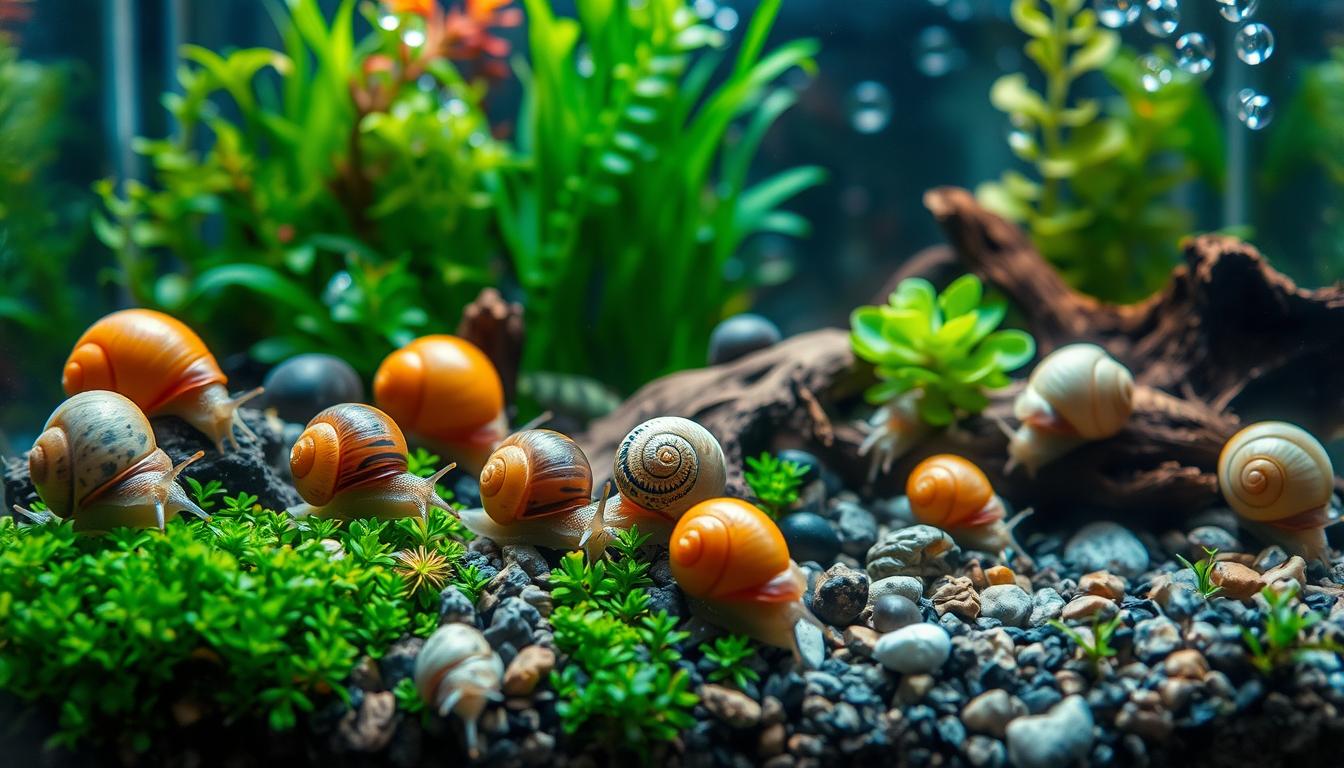
    Have you seen tiny shells on new plants or driftwood? You might wonder if aquarium snails are good or bad. Many hobbyists first see them unwanted on substrate, decorations, or equipment.

    Freshwater snails can multiply fast and be seen as pests. Yet, they have real benefits. They clean up detritus, eat algae, help with nutrient cycling, and even aerate the substrate in a nano ecosystem.

    You might worry about where they came from, what species they are, and how to control their numbers. If their numbers get too high, they can increase the bioload, clog filters, and compete with other cleaners.

    This article will cover what aquarium snails are, their roles in the ecosystem, and which species to know. It will also talk about their care, compatibility with tankmates, and benefits for algae control and beneficial bacteria. You’ll learn about common challenges like pest outbreaks and how to manage them.

    What Are Aquarium Snails?
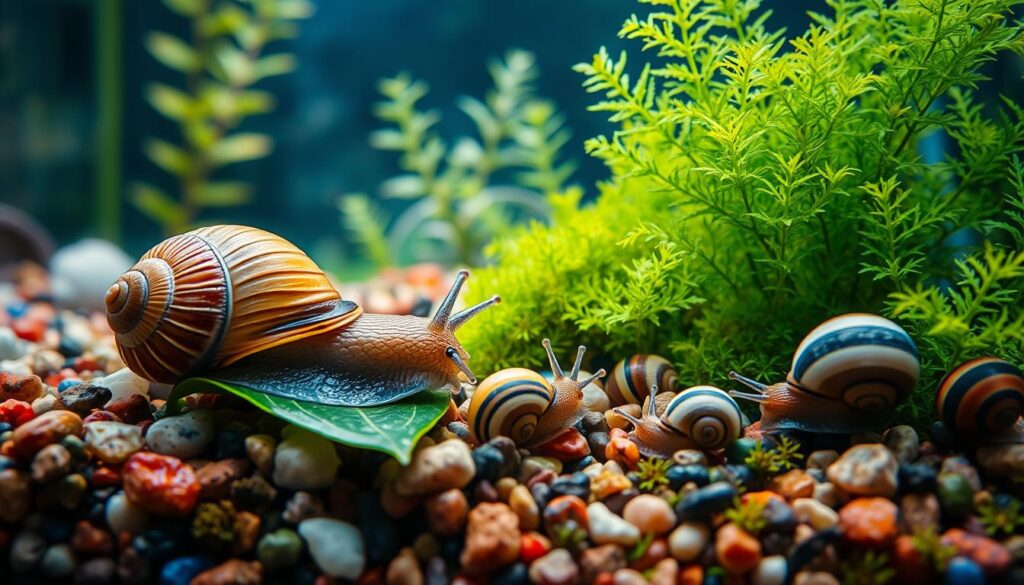
    A vibrant underwater scene showcasing a variety of aquarium snails gracefully crawling over colorful gravel and lush aquatic plants. In the foreground, a large, intricately patterned apple snail glides slowly across a leaf, its glossy shell reflecting light. Nearby, smaller nerite snails with distinctive striped shells are nestled among pebbles. The middle ground features delicate moss and vibrant green ferns, creating a lush environment, while the background consists of softly diffused light filtering through the water, creating a serene, tranquil atmosphere. The overall composition is vivid and vibrant, emphasizing the beauty and intricacy of these small creatures, captured with a close-up lens to highlight their textures and colors, set in a standard aquarium environment.

    Aquarium snails are freshwater mollusks found in planted and community tanks. They eat algae, decompose plant matter, and clean up leftover food. You might find them intentionally added or as unwanted guests on plants and decorations.

    The Bladder Snail (Physella acuta) is a common species. It has a gray shell with yellow spots, grows to ½ inch, and can breathe air. Bladder snails breed quickly, often reproducing in about 35–40 days, and can live up to two years in the right temperature.

    Malaysian Trumpet Snails (Melanoides tuberculata) have a cone-shaped shell and burrow in the substrate. They grow to about 1 inch, carry young in a brood pouch, and are mostly active at night. MTS can clone without males and live up to 3.5 years in the right temperature.

    Ramshorn snails have a coiled shell and can grow up to 1 inch or more. They are hermaphroditic, breathe air, and are active day and night. Their lifespan is about one year.

    Nerite snails are known for controlling algae. They are 0.5–1.5 inches long and usually cannot reproduce in tanks because their eggs need brackish water. Some try to escape, and they tolerate higher salinity better than many other freshwater snails.

    Mystery or Apple Snails (Pomacea bridgesii) can grow to 2–2.5 inches. They are not hermaphroditic and lay visible egg clusters above the waterline. You can manage their numbers by removing those egg clutches.

    Assassin Snails (Anentome helena) are carnivorous and useful for controlling pest snail outbreaks. They are about an inch long and hunt other snails. This makes them a good biological control option if you want fewer unwanted gastropods.

    Rabbit snails (Tylomelania) and other larger species can grow to 3–5 inches. They prefer warmer water around 80–86°F and reproduce more slowly. They are best suited for larger or species-focused aquaria.

    Snails often arrive as hitchhikers on live plants or in decorations. Eggs appear as clear jelly-like sacs that survive shipping when plants are bagged. You can also transfer snails or eggs via substrate, tools, or items moved from other aquaria.

    Many freshwater snails are hermaphroditic or capable of asexual reproduction. These traits, along with easy arrival routes, explain why snail populations can surge quickly. Monitoring snail reproduction in tanks is important for maintaining your aquarium’s balance.

    The Role of Snails in Your Tank Ecosystem
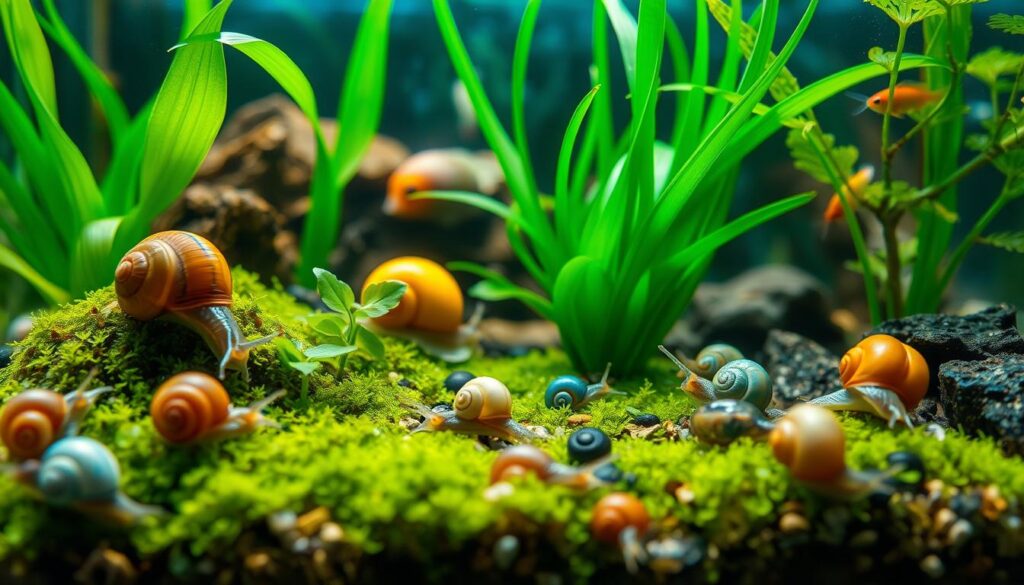
    A vibrant aquarium scene showcasing a diverse nano ecosystem featuring various colorful freshwater snails actively interacting with aquatic plants and substrate. In the foreground, highlight different types of snails, such as Nerite and Mystery snails, grazing on algae-covered surfaces and leaves. In the middle ground, showcase lush green plants swaying gently, with fine detail on their leaves and roots. In the background, a soft focus on other tank inhabitants like small fish gliding through the water, enhancing the sense of a thriving ecosystem. Use natural lighting to create a warm and inviting atmosphere, with soft reflections dancing across the water's surface. The composition should evoke a peaceful and harmonious environment, emphasizing the role of snails as beneficial tank members.

    Snails are like quiet workers in your tank. They eat leftover food, fish waste, and dead plants. This turns big pieces into small bits that plants and bacteria can use.

    Snails are like aquarium earthworms. They burrow and mix the substrate. This helps keep the water healthy by preventing bad smells and keeping the substrate aerated.

    Snails also help plants by making nutrients available. They stir up mulch and mulm, giving plants what they need to grow. This helps plants thrive in your tank.

    Snails can reach places fish can’t. They clean out hidden spots, keeping your tank clean. This is great for tanks with lots of plants or decorations.

    But, too many snails can be a problem. They can overwork your tank’s systems and compete with other fish. It’s important to keep their numbers in check.

    When snails are in balance, they help your tank a lot. They keep the water clean and help plants grow. Just make sure their numbers don’t get too high.

    Benefits of Snails for Algae Control

    Specific algae eaters can keep your tank clean with little effort. Nerite snails are great at fighting green spot algae and tough patches. They come in varieties like zebra, tiger, and olive, which are good grazers and won’t breed in freshwater.

    Smaller snails also help a lot. Bladder snails and ramshorns eat soft algae and biofilm on glass and decorations. They work quietly, removing fuzz and slimy buildup that’s hard to get to.

    Mystery snails are bigger and more visible. They can handle soft detritus and algae on broad leaves and substrate. Watching them clean up unsightly film is a plus.

    Snails eat by grazing. They scrape off biofilm, nibble soft algae, and chip away at tough growths. Nerite snails might need extra food when algae is scarce. Give them blanched zucchini, canned green beans, or algae wafers to stay healthy and prevent them from wandering.

    • Don’t rely only on snails for complete control; if algae levels drop too low, they might starve or try to escape.
    • Pest snails usually go for decaying plant matter, so healthy plants are usually safe.

    Use a mix of algae eaters to cover all bases. Pair nerites for hard spots with bladder snails for glass and mystery snails for visible cleanup. This balanced approach ensures steady snail algae control without stressing any one species.

    Snails: Nature’s Clean-Up Crew

    Snails are like a silent cleaning crew for your tank. They go through uneaten food, like pellets and leftover bits from meals. This helps prevent rotting that can increase harmful ammonia and nitrate levels.

    Snails are detritivores, eating dead plant leaves and small animals. Their eating habits help break down organic waste and keep surfaces clean. You’ll notice less bad smell when snails clean out hidden food spots.

    Snails eat in different ways. Some scrape algae and biofilm off surfaces with their radula. Others dig into the substrate to find buried waste, helping plants by releasing nutrients.

    Snails are active at different times. Some are night owls, while others are active day and night. Knowing when they clean helps you keep up with food.

    • Keep feeding balanced to avoid excess scraps that feed population booms.
    • Regular substrate vacuuming removes deeply buried waste that snails cannot fully clear.
    • Glass scraping prevents thick biofilm that outpaces snail grazing.

    Snails are part of a good maintenance plan, but not the only solution. A healthy snail crew and other detritivores help with leftover food. You can manage feeding and keep the tank clean.

    Supporting Beneficial Bacteria Growth

    Keeping snails in your tank helps grow good bacteria. Snails eat decaying plants and leftover food. They break these down into smaller bits that bacteria can easily eat.

    These smaller bits help turn organic waste into ammonia. Then, nitrifying bacteria change ammonia into nitrite and nitrate. This keeps the nitrogen cycle going and helps with biological filtration.

    Burrowing snails like Malaysian trumpet snails also help. They mix up the substrate, spreading out organics. This lets oxygen reach deeper areas. Aerobic bacteria, which need oxygen, can then clean the water better.

    Snails also reduce big chunks of decaying matter. This stops harmful microbes from growing in these areas. With organics spread out, there’s a better balance between good and bad bacteria.

    Remember, snails and bacteria are great partners but not a replacement for equipment. You’ll also need a good filter and regular water changes. These keep the bacteria healthy and the water quality stable.

    • Snail grazing creates smaller particles for bacteria.
    • Substrate churning increases oxygen and spreads organics.
    • Reduced decay lowers anaerobic zones and harmful microbes.
    • Snails support biological filtration but do not replace maintenance.

    Enhancing Tank Aesthetics with Snails

    Adding aquarium snails can make your planted nano ecosystem pop. Mystery snails come in colors like ivory, yellow, blue, and purple. They create stunning contrasts against the green plants.

    Ramshorn snails sport reds and pinks, while nerites show off eye-catching patterns. These snails add visual interest without overwhelming the tank. Just pick the right ones and numbers.

    Snails bring unique behaviors that fish can’t match. Mystery snails climb up glass and slide back down, like tiny parachutes. Assassin and rabbit snails forage with purpose, adding subtle movement to your tank.

    Some people like to keep their snail population low. This way, you enjoy their visual appeal without overcrowding. Nerites are great for controlling algae without breeding too fast in freshwater.

    Healthy snail shells are key to their beauty. Feed them calcium-rich foods like Shrimp Cuisine or Easy Shrimp & Snail Shells. This keeps their shells strong and colorful.

    Snails can be more than just tank inhabitants. They become part of the design, adding movement, color, and quiet charm. They enhance your tank’s overall look.

    Compatibility with Other Tank Inhabitants

    When picking snail tank mates, start by looking for peaceful species. Fish like guppies, tetras, and danios get along with snails. Snails like mystery, nerite, ramshorn, and Malaysian trumpet snails clean up debris without bothering fish or plants.

    But, be careful with snail-eating fish. Pea puffers might eat small snails in small tanks. Larger loaches and yoyo loaches can uproot decorations and hunt snails in bigger tanks. Add these fish only if you want to control snail numbers and know their aggression level.

    For targeted pest control, consider assassin snails. They eat pest snails and reproduce slowly. This makes them a good choice for reducing snail numbers without introducing broad predators.

    Shrimp and snails can live together if you choose the right tankmates. Many hobbyists keep cherry shrimp with nerites or ramshorns. But, avoid snail-eating fish or aggressive predators, as they can harm shrimp too.

    • Research each species’ behavior before adding it to your tank.
    • Match environmental needs like pH, temperature, and diet across all inhabitants.
    • Consider tank size and hiding places to reduce stress and predation.

    Plan carefully to keep your tank balanced. Thoughtful choices help each species thrive without unnecessary losses.

    How to Care for Snails in Your Aquarium

    Keep the water chemistry steady for snail health. Many snails need calcium and a pH above 7.0. Aim for a general hardness (GH) near 8° (140 ppm) or higher for shell growth. You can add crushed coral to the substrate or dose Seachem Equilibrium to buffer hardness.

    Match the temperature to the snail species. Malaysian trumpet snails do well from 65–85°F. Bladder and ramshorn snails often prefer 64–84°F. Mystery and rabbit snails like warmer water. Check species needs before you adjust heaters.

    Feed sparingly to avoid pest outbreaks. Only give food that your fish finish in five minutes. When natural algae is low, supplement algae-eating snails with blanched zucchini, spinach, or commercial blocks like Shrimp Cuisine and Crab Cuisine. Offer Easy Shrimp & Snail Shells or calcium-rich treats if you see pitting on shells.

    Protect snails from salt and treatments. Most snails are very sensitive to sodium chloride. Remove snails before using salt baths or freshwater fish medications that contain salt.

    • Perform weekly water changes to cut detritus.
    • Vacuum substrate lightly to remove excess waste.
    • Scrape glass to control algae and reduce food for unwanted snails.

    Control snail reproduction in tanks by limiting excess food and inspecting plants or decor you add. Pest snails can explode in number if conditions are rich in uneaten food.

    Quarantine plants before adding them to the display. Hold new plants for at least two weeks. Consider a bleach dip for hardy species or buy tissue-culture plants to avoid hitchhiking eggs and snails.

    Prevent escapes with a tight lid. Nerites and bladder snails may crawl out. Use mesh over openings or lower the water level if you see escape attempts.

    Inspect items moved between tanks. Decorations, gravel, and equipment can carry eggs or small snails. Rinse and quarantine these items to limit accidental transfers and protect overall freshwater snails care.

    Common Challenges with Aquarium Snails

    Snails can be great for cleaning algae, but they can quickly become a nuisance. They often multiply when eggs stick to new plants. Some snails can even reproduce without a mate and grow up in just about a month.

    Feeding too much can make snail numbers explode. This can lead to clogged filters and a higher bioload in your tank. Snails also compete with shrimp and algae eaters for food. Many people find too many snails unappealing.

    Look out for snails climbing, substrate blooms, and filter blockages. These are signs of a snail problem.

    Controlling snail numbers without chemicals is possible. Reduce feeding, vacuum the substrate, and remove old plants. Quarantine new plants for two weeks to avoid eggs. Buying tissue-cultured plants is also a good idea.

    Manual removal and traps are effective. Catch snails by hand or use bait like lettuce. You can also make or buy snail traps to catch many at once. These methods are safe for fish and beneficial bacteria.

    In some cases, biological control can help. Pea puffers or loaches might work in small or large tanks. Assassin snails are good for targeting specific snail species, but check their compatibility first.

    Quarantine dips can stop snail eggs and tiny snails. A brief bleach dip for plants and careful rinsing can remove hitchhikers. Always follow safe procedures to avoid harming plants or future tank life.

    Chemical snail killers are available, but they can harm fish, shrimp, and filter bacteria. Avoid them in community tanks. Long-term prevention involves regular maintenance, careful purchases, and quick action when you see the first signs of trouble.

    Conclusion: Making an Informed Decision

    Choosing the right snail species and keeping up with basic care can bring real benefits to your tank. Snails help control algae, remove detritus, aerate the substrate, and support beneficial bacteria. With proper management, they add value to your nano ecosystem without requiring a lot of work.

    To make a smart choice, follow some key steps. Quarantine new snails or use a brief bleach dip for hardy species. Avoid overfeeding and do weekly water changes. Clean the substrate and provide calcium and suitable foods. Pick species that fit your tank size and won’t cause conflicts or overpopulation.

    Consider the pros and cons of freshwater snails before adding them. Nerite, Malaysian trumpet, or mystery snails are good for natural cleaning with little effort. If you need to control population, choose species that won’t reproduce in freshwater or use assassin snails for biological control.

    Keep an eye on your tank and act quickly. Small populations are easier to manage. With careful species selection and consistent care, you can enjoy snail benefits while keeping your tank healthy and pest-free.

    FAQ

    Are aquarium snails good or bad for my tank?

    Aquarium snails can be both good and bad. They help clean up uneaten food and algae. But, if there are too many, they can cause problems.

    What exactly are aquarium snails?

    Aquarium snails are freshwater animals found in tanks. They eat biofilm and algae. Some can breathe air, and they reproduce in different ways.

    How do snails usually get into my aquarium?

    Snails often come in on plants or decorations. They can also be on substrate or equipment. Eggs look like clear jelly on leaves.

    Which snail species should I know about and what are their traits?

    There are many types of snails. Bladder Snails are small and fast. Malaysian Trumpet Snails burrow and live-bearing. Nerite Snails are great for algae.

    Ramshorn Snails have a coiled shell. Mystery Snails are colorful and lay eggs above water. Assassin Snails eat pests. Larger snails need warmer water.

    How do snails help with algae control?

    Many snails eat algae. Nerite Snails are best for hard algae. Ramshorn and bladder snails eat soft algae.

    They scrape surfaces and reduce algae. Nerites might need extra food if algae is scarce.

    Do snails eat healthy plants?

    Most snails prefer to eat decaying leaves. They usually don’t harm healthy plants. But, some snails might eat plants under stress.

    How do snails support beneficial bacteria and the nitrogen cycle?

    Snails break down organic matter. This helps bacteria process it faster. They also aerate the substrate, helping bacteria.

    What are the signs of a snail overpopulation and its impacts?

    Too many snails mean you see them everywhere. They can clog filters and increase waste. This makes more water changes needed.

    How can I prevent unwanted snails from entering my tank?

    Quarantine new plants for two weeks. Use bleach on plants or buy tissue-culture ones. Check decorations and substrate for snails.

    What are safe, non-chemical methods to control snail populations?

    Reduce food and remove decaying plants. Pick snails by hand or use traps. Add predators like pea puffers or assassin snails.

    Are snail-killing chemicals safe to use?

    Chemicals can harm fish and shrimp. They can also kill beneficial bacteria. Avoid them if you have sensitive fish.

    How should I care for snails to keep their shells and health in good condition?

    Provide calcium and stable water. Many snails prefer pH above 7.0 and high hardness. Use crushed coral to buffer water.

    What tankmates are compatible with snails?

    Peaceful fish and shrimp are fine with snails. Avoid snail-eaters like loaches. Assassin snails control pests but eat other snails too.

    Will snails eat shrimp or harm other invertebrates?

    Most snails don’t eat shrimp. But, some predators will. Choose tankmates carefully to avoid conflicts.

    What practical maintenance habits help keep snail populations in check?

    Change water weekly, vacuum substrate, and clean glass. Remove dying plants and feed fish right. This keeps snail numbers down.

    Why do some snails reproduce so fast, and which species are most likely to overrun a tank?

    Fast breeding comes from hermaphroditism and live-bearing. Bladder snails breed quickly. MTS reproduce in broods. Species that breed in freshwater are most likely to become pests.

    Can snails escape my aquarium and how do I stop that?

    Yes, nerites and bladder snails can climb out. Use a tight lid, mesh over filters, or lower water level. Check for escapees often.

    Should I remove snails before treating fish diseases with salt or medication?

    Yes. Most snails are sensitive to salt and medications. Remove them before treatments to avoid harm.

    Which snails are best if I want effective algae control without overbreeding?

    Nerite snails are great for algae. Mystery snails and assassin snails are also good. Choose based on your tank goals.

    How can I decide whether to keep snails in my tank?

    Think about what you want. Snails are good for cleaning and aeration. But, they can breed fast. Monitor them and act early.
  • How to Keep Freshwater Shrimp: A Guide to Neocaridina Species

    How to Keep Freshwater Shrimp: A Guide to Neocaridina Species

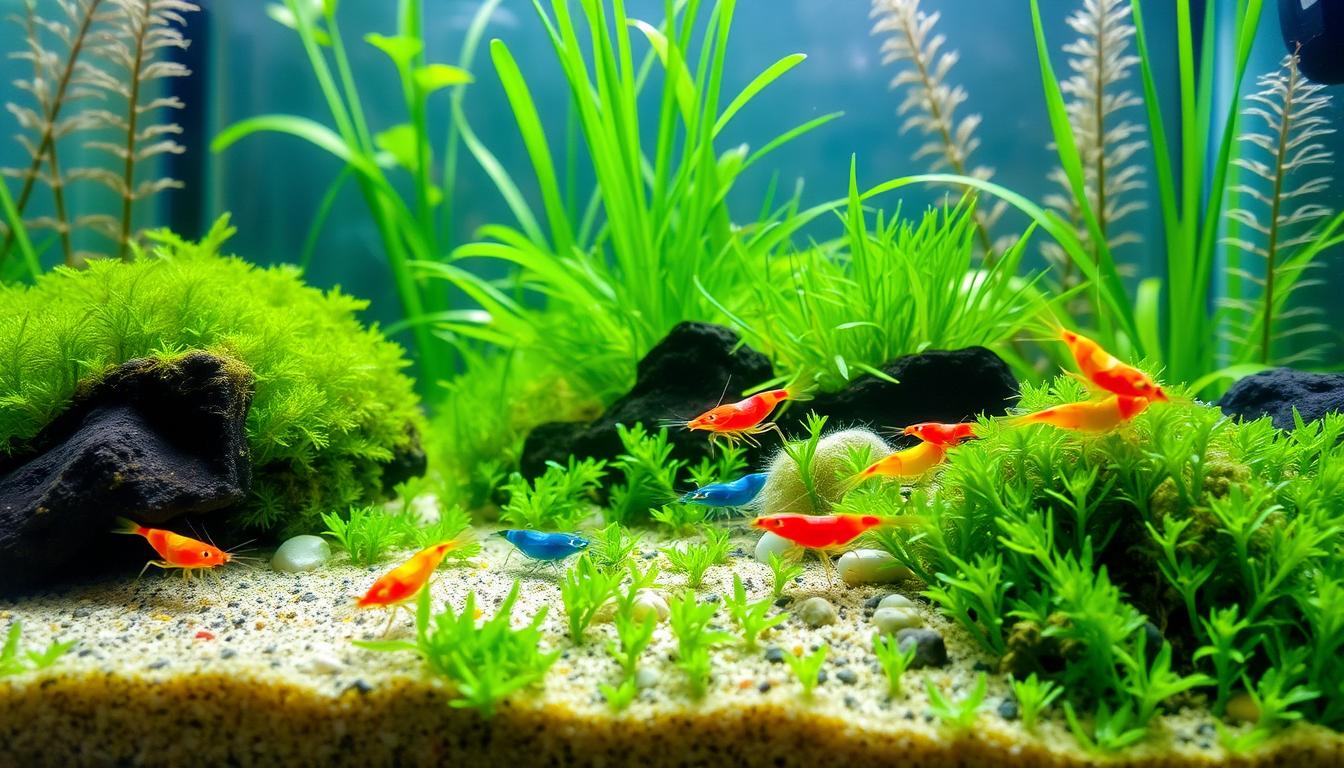
    Neocaridina species are perfect for a lively, easy-to-care-for tank. Dwarf cherry shrimp, or Neocaridina davidi, are hardy and adaptable. They come in many colors like Red Cherry, Blue Dream, and Green Jade.

    These shrimp are great at cleaning the tank by eating algae and detritus. They live about 1.5 to 2.5 years and grow 1–2 inches. Keeping them in groups shows their natural behavior.

    Neocaridina shrimp need stable water conditions and avoid sudden changes. They are sensitive to copper and temperature changes. Keeping their environment steady is key.

    Beginners should start with one color strain to keep colors vibrant. Use gentle care and feeding to help your shrimp thrive.

    1. Understanding Neocaridina Shrimp Species

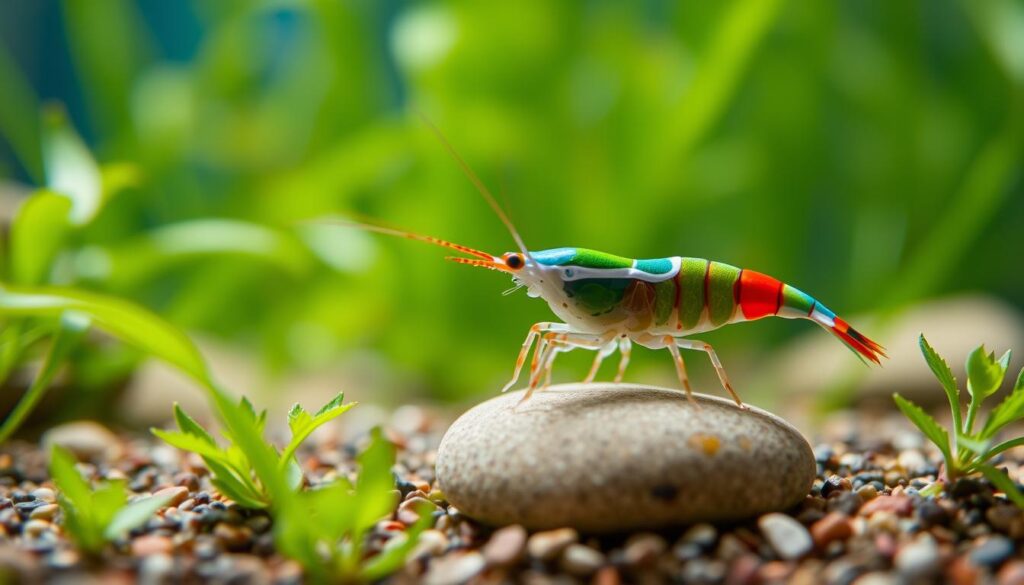
    A vivid close-up of a Neocaridina shrimp species, showcasing its vivid color variations like red, blue, and green, with intricate detailing on its shell patterns and antennae. In the foreground, the shrimp is perched on a small pebble, surrounded by lush green aquatic plants and fine gravel. The middle ground features a gentle blur of water, capturing the shrimp in its natural habitat, while the background fades into a soft focus of slightly darker aquatic vegetation to create depth. The lighting is bright and natural, simulating sunlight filtering through water, highlighting the shrimp's vibrant colors and delicate features. The mood is tranquil and educational, inviting viewers to appreciate the beauty of freshwater shrimp within their ecosystem.

    Neocaridina species are small shrimp known for their colors and easy care. You might see names like Cherry Shrimp, Blue Velvet, and Black Rose. These are all part of the Neocaridina davidi group.

    Most colors come from selective breeding. If you mix different colors, they will breed randomly. After a few generations, you’ll see more brown or clear shrimp unless you breed for color.

    These shrimp are easy to care for, even for beginners. They can thrive in various water conditions. They’re great for small tanks and planted aquariums.

    They reach reproductive age in four to six months. Females show a “saddle” where eggs form. They carry eggs under their swimmerets, a sign of pregnancy. You’ll see them grazing, molting, and socializing as they grow.

    In planted tanks, they help by eating biofilm and micro-organisms. Their colors also make plants look better. With the right care—stable water, gentle filtration, and hiding spots—they will breed naturally.

    2. Ideal Aquarium Setup for Neocaridina

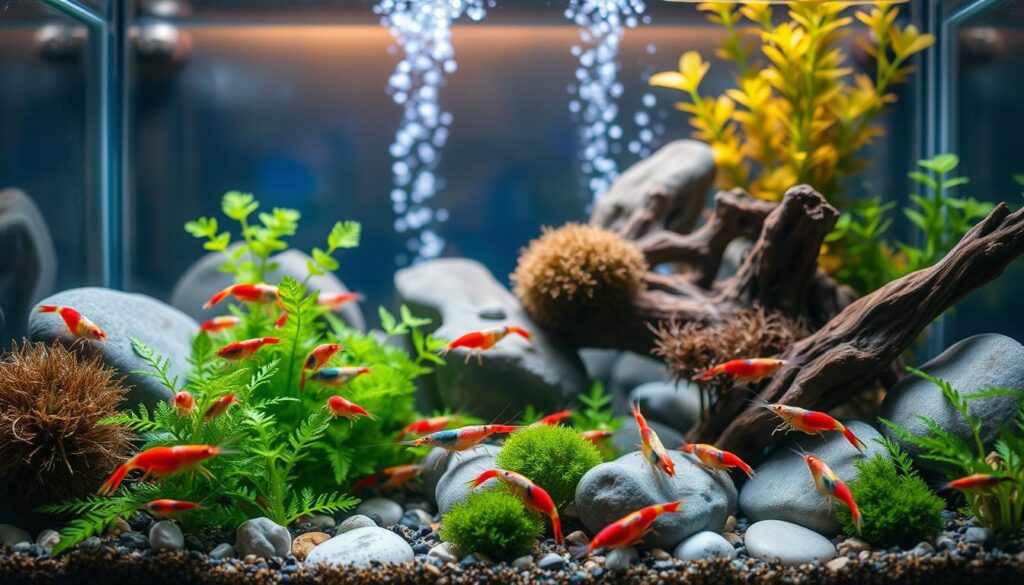
    A well-crafted shrimp tank setup featuring a vibrant and natural habitat for Neocaridina shrimp. In the foreground, a crystal-clear aquarium filled with colorful freshwater shrimp, including red cherry and blue velvet variations, foraging among lush aquatic plants like Java moss and anubias. The middle background shows decorative elements like smooth stones and driftwood, providing hiding spots and enhancing the natural aesthetic. The background includes a softly lit planted tank with a hint of bubbles rising, illuminated by a gentle, warm light source, casting reflections on the glass. The scene conveys a tranquil and inviting atmosphere, perfect for showcasing a thriving shrimp environment. The composition is shot at eye level, with a focus on clarity and depth of field to emphasize the lively shrimp activity.

    When setting up your shrimp tank, focus on stability. For display tanks, a 5-gallon tank is good if it’s well-planted. For easier care or breeding, a 10–20 gallon tank is better. Large colonies need 20+ gallons for steady water and better shrimp survival.

    Be careful with how many shrimp you add. A rule of thumb is 5–10–15 shrimp per 5 gallons, depending on your tank size and goals. Experienced keepers might keep 75–150 shrimp in a 10-gallon tank, but bigger tanks are easier to maintain.

    Choose a filter that’s safe for tiny shrimp and supports biofilm. Sponge filters are great because they’re safe for shrimplets and cheap. Hang-on-back or canister filters work too, if you add a pre-filter sponge or intake guard. Look for models like Qanvee sponge filters or a Mighty Aquarium HOB with intake sponge for good performance.

    Choose the right substrate for shrimp to promote grazing and stable chemistry. Inert options like pool sand, gravel, black diamond blasting sand, or Seachem Flourite are good for Neocaridina. Avoid active, acidic soils meant for Caridina species. Add driftwood and smooth rocks to increase biofilm surfaces and provide hideouts.

    Plant heavily to boost biofilm and provide shelter. Java Moss, Christmas Moss, Java Fern, Bucephalandra, and Hornwort are good for microbes and protecting shrimplets. Floating plants like Red Root Floaters shade the tank and improve water quality. Use tissue-cultured plants to avoid pests and chemicals in your nano aquarium tips.

    Manage temperature and CO2 carefully. A heater is optional if room temperature is between 65–80°F. But, keeping it in the mid-70s is best for growth. CO2 helps plants grow, but monitor levels with a drop checker. Keep levels in the safe green range to avoid stress. Watch for rapid pH swings that can harm shrimp.

    Cycle and age the tank before adding shrimp. Only introduce Neocaridina to a fully cycled and seasoned aquarium. Test pH, GH, KH, ammonia, nitrite, and nitrate to know the baseline. A mature tank provides biofilm and beneficial bacteria for long-term care.

    3. Water Parameters for Healthy Shrimp

    Stable water parameters are key for healthy Neocaridina shrimp. Keep the temperature between 70–76°F for their best activity and breeding. If needed, you can go from 65–84°F, but avoid sudden changes.

    It’s important to manage GH KH levels for shrimp. Aim for 4–8 dGH for molts and color. Some hobbyists go up to 9–11 dGH for deeper colors, but do it slowly.

    Keep an eye on KH to maintain pH stability. A KH range of 3–15 dKH is good, but low KH can cause pH drops. Use KH buffers or remineralizers with reverse osmosis water.

    Track TDS for shrimp to monitor dissolved solids. Most Neocaridina thrive at 200–300 ppm. TDS below that can work with remineralization, but too high can stress them.

    • Caridina shrimp need cooler, softer, more acidic water if you mix them with Neocaridina.
    • Match new water to the tank’s parameters to avoid shocking the shrimp when topping off or changing water.

    Shrimp are very sensitive to contaminants. Avoid copper-based medications and high metal traces. Use plant fertilizers with low iron and skip supplements with copper.

    Be careful with your water source. Tap water might be okay if it’s treated right. Reverse osmosis/deionized water needs remineralization before use.

    In planted tanks with CO2, watch pH closely. CO2 changes can harm shrimp. Use a drop checker and steady dosing to keep pH safe.

    Do small, regular water changes instead of big ones. Replace 10–20% of water weekly and test parameters often. Stability is more important than perfect numbers.

    4. Nutrition and Feeding Guidelines

    Your Neocaridina shrimp will always be looking for food. They eat biofilm, algae, and decaying plants. They also eat detritus. In a planted tank, most of their food comes from these sources.

    Supplemental shrimp food should just be a little extra. It’s not the only thing they eat.

    Choose high-quality foods that help with shell health and trace minerals. SL-Aqua has good options like M.O.R.E White pellets and Shrimplet Feed powder for young ones. These foods also help with molting and stronger shells.

    Make a feeding schedule that fits your tank. In a shrimp-only tank, feed them a few times a week. In a community tank, you might only need to feed them a little because there’s plenty of natural food.

    • Feed tiny amounts and watch consumption.
    • Remove uneaten food after about one hour to protect water quality.
    • For shrimplets use powdered feed that disperses across the tank to increase survival.

    Don’t overfeed. Too much food can harm the shrimp and the tank. Keep the portions small and adjust as needed.

    Add natural foods to their diet. Leaf litter like alder cones or Indian almond leaves is good. It provides decaying matter and tannins. These help with biofilm growth and give Neocaridina a familiar, nutritious food.

    For balanced care, mix natural foraging with commercial food and a good feeding schedule. This keeps the water stable and supports growth at all stages.

    5. Introducing New Shrimp into Your Aquarium

    When you bring new Neocaridina home, start with a calm plan. Check packaging for temperature and visible signs of stress. Match transport temperature to your tank when you can to reduce shock.

    Use drip acclimation as your primary method. Set up an airline or needle valve to drip tank water into the transport bag. Aim for a slow, steady rate so water mixes gradually. This drip acclimation reduces sudden shifts in pH, GH, KH, and other nano tank water parameters that affect molting and behavior.

    Before release, inspect each shrimp and any plants for hitchhikers or parasites. Quarantine new arrivals for several days when possible. Quarantine helps catch illnesses or pests that might harm your established colony. Even hardy Neocaridina benefit from this extra step.

    Confirm your aquarium is fully cycled. Ammonia and nitrite should read zero. Stable pH, GH, KH, and nitrate levels keep shrimp healthy. Measure mineral content carefully as GH and KH support successful molts and long-term freshwater shrimp care.

    • Introduce groups of at least 10 shrimp to encourage normal activity.
    • Avoid adding only one or two to a large tank if you want visible, active shrimp.
    • If you plan to preserve color strains, avoid mixing different morphs.

    If you want to breed specific lines, use breeder boxes or separate tanks to control pairings. Mixed strains will hybridize and often produce less vibrant offspring. Controlled setups let you manage genetics while maintaining good freshwater shrimp care.

    6. Breeding Neocaridina Shrimp

    To grow a healthy shrimp colony, match simple breeding techniques with Neocaridina’s natural cycle. Females show a saddle before mating. After fertilization, they become berried shrimp, carrying 20–30 eggs for two to three weeks.

    Start with a mature tank that has lots of hiding spots and biofilm. Java Moss, Christmas Moss, and Hornwort are great for shrimplets. They also provide microfood. For focused breeding or color work, use a dedicated tank of ten to twenty gallons or more.

    Stable water and regular small water changes trigger breeding. Keep temperatures in the mid to upper 70s Fahrenheit. This encourages frequent molting and mating. Avoid big temperature changes that stress the shrimp.

    • Provide powdered shrimplet feeds or micro-foods for even nutrition.
    • Keep dense plants and mosses to protect shrimp from predators and support biofilm.
    • Remove fish or other hunters that will eat young shrimp.

    If you’re selective breeding, keep detailed records and breed shrimp in separate tanks. This helps control lineage. Remove pale or weak shrimp to improve color traits. Move them to a holding tank instead of throwing them away.

    Watch how fast shrimp reproduce to avoid overcrowding. Neocaridina breed quickly. Plan for extra tanks, stronger filtration, or selling and trading shrimp to keep your colony balanced.

    7. Common Health Issues and Solutions

    To avoid many shrimp health problems, keep the water stable. Also, check any new additions carefully. Quarantine plants and animals for at least two weeks before adding them to your tank.

    Watch out for copper toxicity in shrimp. Avoid using copper-based medications. Also, check the labels of trace mineral mixes, fertilizers, and commercial treatments for copper. Even a little copper can harm Neocaridina shrimp quickly.

    Sudden die-offs can happen due to chemical contamination or oxygen drops. Test for ammonia, nitrite, and nitrate if you notice abnormal behavior. If shrimp are gasping at the surface or seem very tired, improve aeration and filtration.

    Shrimp molting issues often stem from poor mineral balance or bad water chemistry. Offer foods rich in minerals, like crushed cuttlebone or a trusted GH booster. Keep calcium and general hardness within the recommended ranges to help with regular molts.

    Water-change related stress can cause abnormal swimming and jumping. Follow these tips for gentle water changes: replace 10–20% of the water weekly, or do two 30% swaps per week. Make sure to match the temperature and key parameters before adding new water.

    External parasites and fungal problems can occur if you skip quarantine or have unstable water. Use shrimp-safe treatments only and check the ingredient lists. Keep the gravel clean, maintain steady filtration, and have a planted environment to lower disease risk.

    • For poor coloration and lethargy: improve diet with high-quality shrimp foods and more biofilm sources.
    • For molting delays: add mineral supplements and keep water chemistry steady.
    • For sudden deaths: inspect for pesticides on plants, test for metals, and increase oxygenation.

    Regular observation can help catch early signs of trouble. Keep records of water tests and changes. This way, you can spot patterns when shrimp health problems arise.

    8. Tank Mates for Neocaridina Shrimp

    When picking tank mates for shrimp, remember one key rule. If it can swallow a shrimp, it might eat your shrimp. For their safety, consider a tank with only shrimp or lots of plants. This gives young shrimp places to hide.

    Safe choices include nano fish like chili rasboras and small tetras. These fish have small mouths and are gentle. This makes them less likely to eat your shrimp.

    Corydoras and Otocinclus are great for keeping the bottom clean. Bristlenose plecos are good in bigger tanks and usually leave shrimp alone.

    • Guppies and endlers can live with shrimp, but some baby shrimp might get eaten.
    • Snails like ramshorn or mystery snails are okay, but they might fight for food with shrimp.

    Stay away from barbs, bettas, cichlids, and goldfish. They might nip or eat shrimp. Any fish that bothers invertebrates should not be in your tank.

    If you want to breed shrimp, keep the tank free of predators. Use moss, Java fern, and spawning grass to help. Fish can help control shrimp numbers by eating some of the babies. Plan your tank’s stocking carefully.

    Make sure water quality, food, and hiding spots are good for shrimp. With the right fish and plants, you can have a happy and healthy tank. It will be full of life and beauty.

    9. Maintenance Tips for Long-Term Care

    Keep a simple schedule to protect your shrimp colony. Do small water changes often to keep nitrates and organics low. Aim for 10–20% water change weekly, or two 15–30% changes spread out.

    Test your water regularly for ammonia, nitrite, nitrate, pH, GH, KH, and TDS. Use a reliable test kit and log your readings. This helps you spot changes before they stress your shrimp.

    • Clean sponge filters gently in tank water during water changes to preserve beneficial bacteria.
    • Check heater function and secure HOB or canister intakes with pre-filters to keep shrimplets safe.
    • Include shrimp filter maintenance as part of your routine; avoid deep scrubs that remove biofilm.

    Trim plants to encourage fresh biofilm and stop dead leaves from building up. Choose tissue-cultured plants to avoid pesticides or algae treatments that contain copper. Remove large pieces of decaying matter promptly.

    Feed sparingly and watch for leftovers. Remove uneaten food after an hour to prevent spikes in ammonia. Offer occasional blanched vegetables, biofilm boosters, and quality shrimp pellets as part of your nano shrimp care routine.

    Be cautious with medications and algae products. Many contain copper and other ingredients toxic to shrimp. Verify shrimp-safe labeling or select treatments designed for invertebrate tanks.

    1. Keep concise records of parameter readings, additions, and treatments.
    2. When you need to change parameters, do so slowly to avoid shock.
    3. Review your shrimp tank maintenance checklist each week to stay consistent.

    Consistent attention to aquarium water changes, careful shrimp filter maintenance, and a stable nano shrimp care routine will reduce surprises. Small steps, taken often, shield your shrimp and keep your tank thriving.

    10. Resources for Further Learning

    To learn more about freshwater shrimp care, start with online hobby resources and shrimp forums. Follow accounts like Shrimpery on Instagram for tips and photos. Sites like The Shrimp Spot or Aquarium Advice share real experiences and advice.

    For hands-on learning, check out shrimp books and YouTube channels. Look for guides on cycling aquariums and shrimp-safe treatments. Local aquarium clubs offer in-person advice and let you see mature tanks.

    When picking gear, research shrimp product recommendations. Look into brands like SL-Aqua, UNS, and Qanvee. Use quality test kits and consider an RO/DI system for stable water.

    Start with Neocaridina in a mature tank. Practice drip acclimation and keep records. Join shrimp communities for advice on local water and breed-specific needs. These resources will help you learn and avoid mistakes.

    FAQ

    What makes Neocaridina davidi a good choice for beginners?

    Neocaridina davidi, or dwarf cherry shrimp, are easy to care for. They can live in a variety of water conditions. They also eat algae and biofilm, making them low-maintenance.

    They come in many colors, like Red Cherry and Blue Dream. This makes them great for showing off and breeding. Start them in a tank that’s already cycled and keep the water stable.

    How large should my nano tank be for Neocaridina?

    Neocaridina can live in small tanks, but be careful with tiny ones. A 5-gallon tank is okay for a small group. For better breeding, 10–20 gallons is best.

    Large tanks help colonies grow and keep the water stable. This is important for the shrimp’s health.

    How many shrimp should I keep together?

    Shrimp like to be in groups. Keeping at least 10 together makes them happy and active. The number of shrimp you can keep depends on your tank size.

    For a 5-gallon tank, 5–10–15 shrimp is a good range. Experienced keepers might keep up to 75–150 in a 10-gallon tank.

    What water parameters work for Neocaridina?

    Neocaridina can handle a wide range of water conditions. They like temperatures between 65–84°F, best at 70–76°F. The pH should be 6.5–8.0, aiming for 7.0–7.6 for breeding.

    They can tolerate different levels of minerals and hardness. But, keeping the water stable is more important than exact numbers. This helps them molt properly.

    How should I cycle and prepare a tank before adding shrimp?

    Make sure the tank is fully cycled before adding shrimp. It should have no ammonia or nitrite. Let it age to build up beneficial bacteria.

    Test the water before adding shrimp. Use sponge filters to keep the bacteria and provide food for the shrimp.

    What substrate and hardscape do Neocaridina prefer?

    Neocaridina like inert substrates like pool sand or black diamond blasting sand. Avoid acidic soils. Add driftwood and smooth rocks for hiding spots and biofilm.

    Plants like Java Moss and Christmas Moss are also good. They provide food and shelter for the shrimp.

    Which plants are best for a shrimp tank?

    Java Moss, Christmas Moss, and Java Fern are great for shrimp tanks. They offer food and shelter. Hornwort and floating plants like Red Root Floaters are also good.

    Using tissue-cultured plants reduces the risk of pests or chemicals.

    Do I need a heater or CO2 for Neocaridina?

    A heater is optional if your room temperature is right. But, keeping the water at 70–76°F encourages breeding. CO2 can help plants grow but be careful not to overdo it.

    Use a drop checker to monitor CO2 levels. This keeps the water safe for the shrimp.

    How do I acclimate new shrimp?

    Use drip acclimation for the best results. Slowly mix tank water into the transport water. This helps the shrimp adjust.

    Match the temperature before adding the shrimp. Avoid sudden changes to prevent shock.

    What should I feed Neocaridina and how often?

    Neocaridina are omnivorous and eat biofilm, algae, and detritus. Feed them high-quality shrimp pellets or wafers a few times a week. Use powdered foods for shrimplets.

    Remove uneaten food after an hour to prevent fouling. Add blanched vegetables and mineral-rich foods for shell health.

    How can I avoid overfeeding and water quality issues?

    Feed small portions and watch how much they eat. Overfeeding can harm the shrimp. Perform small water changes and test the water often.

    How do I tell when females are ready to breed?

    Females are ready to breed around 4–6 months. Look for a visible “saddle” before mating. After mating, they become “berried” with eggs.

    Warm, stable water and plenty of biofilm encourage breeding.

    How many eggs and how long until hatching?

    A typical clutch has 20–30 eggs. Incubation lasts 2–3 weeks, depending on the conditions. Dense plants and moss provide shelter for the young.

    How do I raise shrimplets successfully?

    Provide dense moss and powdered shrimplet feeds for even feeding. Avoid predators. Keep the water stable and well-oxygenated.

    Consider a separate breeding tank for large numbers.

    Can I mix different Neocaridina color morphs?

    Mixing color morphs is possible, but they will hybridize. This can result in dull offspring. To preserve colors, keep strains separate or use selective breeding.

    What tankmates are safe with Neocaridina?

    Shrimp do best in shrimp-only tanks or heavily planted community tanks. Safe fish include chili rasboras and ember tetras. Avoid barbs and cichlids.

    Use algae-eaters like Otocinclus and small bristlenose plecos in larger tanks.

    How do I protect shrimplets from being eaten in community tanks?

    Provide dense plant cover and hiding places. If breeding is important, use a shrimp-only tank. Fish will help control the shrimp population.

    What filtration is best for shrimp tanks?

    Sponge filters are ideal for shrimp tanks. They are inexpensive and safe for the shrimp. They also provide biological filtration and grazing surfaces.

    HOB filters or canisters can be used if fitted with pre-filter sponges.

    How sensitive are shrimp to chemicals and metals?

    Shrimp are very sensitive to heavy metals and many medications. Avoid copper treatments and check all additives for shrimp safety. Use RODI water with remineralization for better control.

    What causes molting problems and how do I fix them?

    Molting issues often come from a lack of minerals or unstable water. Provide mineral-rich foods and maintain stable water conditions. Regular testing helps catch problems early.

    What should I monitor regularly in a shrimp tank?

    Test the water regularly for ammonia, nitrite, nitrate, pH, GH, KH, and TDS. Keep a log to track changes. Maintain sponge filters and perform small water changes to keep the tank stable.

    How do I handle sudden shrimp die-offs?

    Check for recent additions or water parameter changes. Test the water for ammonia, nitrite, pH, and TDS. Look for oxygenation problems. Sudden deaths can be caused by chemicals or water changes.

    Quarantine suspect items and avoid unknown treatments.

    Are there recommended products and brands for shrimp care?

    Salty Shrimp GH/KH remineralizers and SL-Aqua M.O.R.E White pellets are good. SL-Aqua Shrimplet Feed is great for young shrimp. Qanvee sponge filters and reliable RO/DI systems are also recommended.

    UNS Controsoil is good for Caridina but not for Neocaridina. Choose the right products for your shrimp.

    How do Neocaridina differ from Caridina shrimp?

    Neocaridina and Caridina are different genera and can’t interbreed. Neocaridina are more adaptable to water conditions. Caridina need softer, more acidic water.

    Start with Neocaridina if you’re new to shrimp-keeping.

    Should I quarantine new shrimp or plants?

    Quarantine is a good idea to check for pests or diseases. Inspect and treat plants and shrimp in a separate tank before introducing them. This reduces the risk of contamination.

    Where can I learn more and get community support?

    Join shrimp-keeping forums and follow experienced hobbyists on Instagram. Watch shrimp-focused YouTube channels and join local aquarium clubs. Online communities are also great for advice and troubleshooting.

  • Top 5 Small Fish Species for Ultra-Compact Nano Aquariums

    Top 5 Small Fish Species for Ultra-Compact Nano Aquariums

    Get ready to discover the best fish for 5-gallon tanks. We’ll explore small species that do well in tiny aquariums. This guide is perfect for beginners in the United States and those with limited space.

    Nano tanks are loved for their bright colors and lively fish. But, they can be tricky to stock. We’ve picked fish that are small, have a low bioload, and fit well in small spaces.

    Many fish are good for nano tanks, like celestial pearl danio and chili rasbora. But, we’ve narrowed it down to the top 5 small fish for 5-gallon tanks.

    Remember, many nano fish are schooling and need friends. Decorate your tank with plants and decorations for their safety. Feed them tiny foods like micro pellets and baby brine shrimp. Always quarantine new fish and watch for diseases like fin rot and ich.

    Understanding the Benefits of a 5-Gallon Aquarium

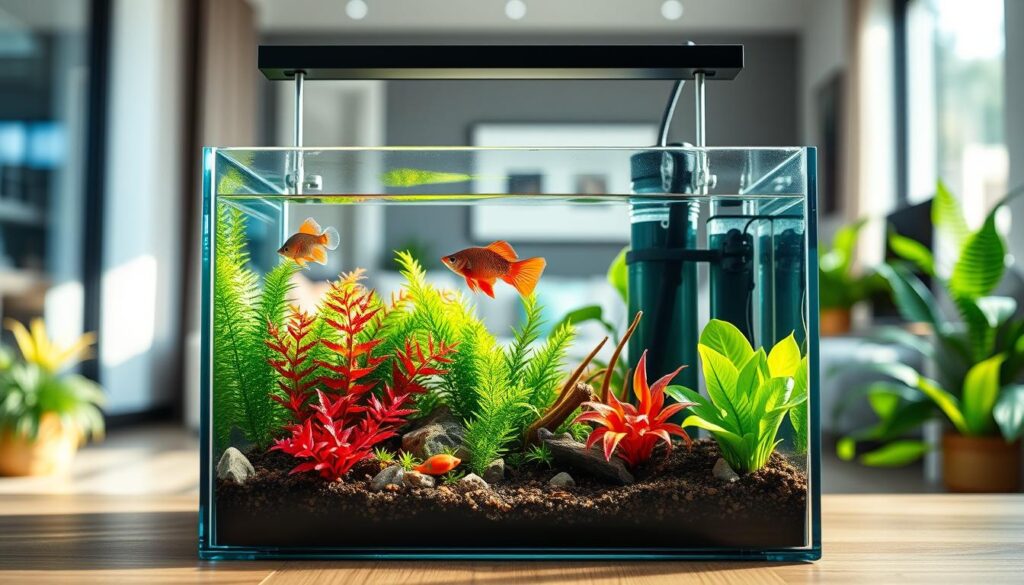
    A beautifully arranged 5-gallon aquarium in a modern living room setting. The foreground features vibrant aquatic plants like Java fern and Anubias, with delicate fish species such as Betta and Neon Tetras swimming gracefully. The middle area highlights the clear glass tank with intricate filtration and heating systems subtly integrated, showcasing the benefits of ease of maintenance. In the background, a soft-focus view of a cozy, sunlight-filled room with gentle natural light illuminating the aquarium creates a warm and inviting atmosphere. The camera angle is slightly above eye level to capture the aquarium's depth and detail. The overall mood is peaceful and tranquil, perfect for illustrating the serene experience of having a compact aquarium in your home.

    A 5-gallon tank is perfect for beginners. It’s small, making it easy to fit in tight spaces. This size is great for those new to fish tanks or with little room.

    Opt for a wide, low tank. A tank like an 18x10x10″ footprint offers more room for fish to swim. The shape also helps in hiding spots for small fish.

    These tanks are great for saving space. They can sit on desks, shelves, or small stands. They’re also cheaper to set up and decorate, making them ideal for small spaces like apartments or offices.

    But, there are some downsides. Smaller tanks can’t handle big changes in water quality or temperature. You also have to be careful with how many fish you keep. Tall tanks limit your choices of fish.

    • Pick a tank shape that favors horizontal space for better stocking options.
    • Use a secure lid to protect jumpers like some killifish and gouramis.
    • Provide heavy plant cover to lower stress and boost fry survival for livebearers.

    Quarantine new fish before adding them to your tank. This is important to avoid diseases like fin rot or ich. Regular water tests and changes help keep the water clean.

    Plan your fish stocking carefully. Choose small fish and keep their numbers low. This helps keep the water clean and reduces the need for frequent tank cleaning. With the right setup, a 5-gallon tank offers a low-cost, visually appealing hobby.

    Key Considerations for Fish Selection

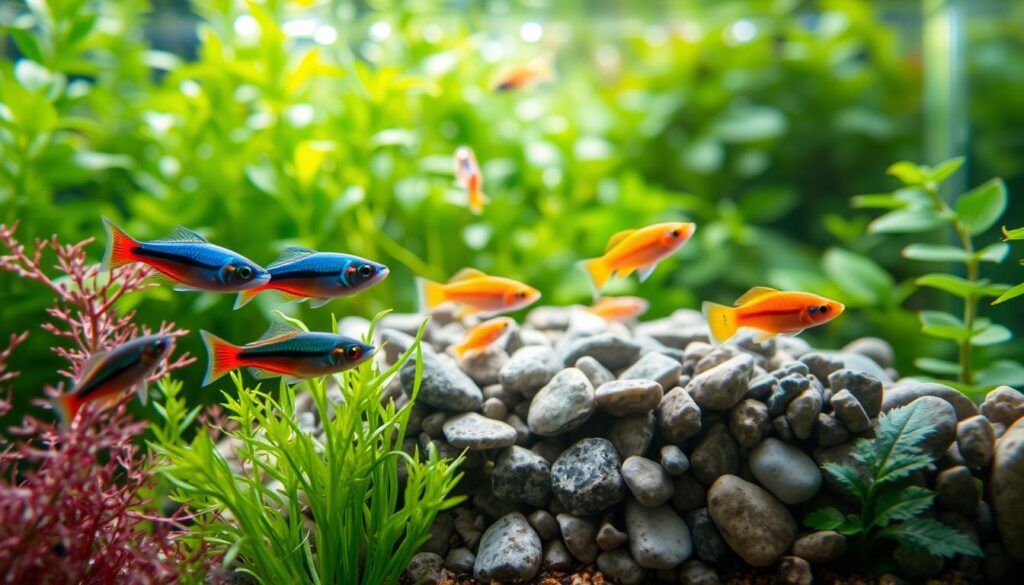
    A serene underwater scene showcasing a variety of small fish species ideal for ultra-compact nano aquariums. In the foreground, vibrant neon tetras with their shimmering blue and red colors swim gracefully among delicate aquatic plants. The middle ground features playful guppies displaying a mix of orange and yellow hues, while a couple of small shrimp scuttle amongst pebbles, adding dynamic interest. The background is filled with lush green foliage, creating a natural and inviting atmosphere. Soft, dappled lighting filters through the water, casting gentle reflections and enhancing the colors of the fish. The angle captures the scene from slightly above, providing a comprehensive view, all while maintaining a peaceful and soothing mood, perfect for highlighting key considerations in fish selection for small tanks.

    Choosing the right fish involves several key factors. Consider their adult size, how much waste they produce, their temperament, and where they like to swim. Also, think about if they prefer to be in groups and what they eat. These considerations help ensure your 5 gallon tank is safe and healthy for your fish.

    Here’s a checklist to help plan your nano aquarium.

    • Adult size: pick species that stay small as adults so you avoid overcrowding later.
    • Bioload: low waste producers suit tiny filters better when stocking a 5 gallon tank.
    • Temperament: avoid mixing territorial males with peaceful schooling fish.
    • Swim level: combine top, mid and bottom dwellers carefully to reduce stress.
    • Shoaling needs: many micro species need groups to thrive; plan tank mates and numbers according.

    Water chemistry is important. Some nano species like soft, acidic water, like green neon tetra and clown killifish. Others can handle neutral to alkaline, harder water. For example, emerald dwarf danio likes pH 7–8 and hardness 12–20°H. Betta albimarginata prefers soft acidic water around pH 4–6.5. Endler’s livebearers and guppies can handle wider ranges, roughly pH 7–8.5. Make sure the water conditions you can maintain match the needs of your fish.

    Temperament also plays a role. Male bettas are aggressive and often need to live alone. Livebearers like guppies and Endler’s breed fast and can overpopulate a small tank. Rasboras, danios, and tetras often shoal; recommended group sizes vary. Celestial pearl danios do well in groups of six or more. Chili rasboras need ten or more. Pygmy corydoras favor groups of six to twelve.

    Consider your tank’s physical features. Many jumpers require a tight-fitting lid; killifish, Pseudomugil rainbowfish, and some minnows are known jumpers. Bottom-dwellers need suitable substrate. Fine sand protects barbels for kuhli loaches and pygmy corys and reduces injury when they forage.

    Feeding compatibility is key to keeping stress low. Tiny species need microfoods like baby brine shrimp, microworms, micro pellets, and crushed flakes. Sinking wafers work well for catfish. Match food size and type to the species you plan to house so every fish can feed without competition.

    If you want low maintenance fish for small tank setups, choose species with modest bioloads, wide water tolerance, and simple diets. This way, you can enjoy the hobby without daily troubleshooting while stocking a 5 gallon tank responsibly.

    Best Small Fish for 5 Gallons: Betta Fish

    Bettas are a top choice for a 5-gallon tank. A single male Betta splendens does well in a tank with hiding spots and gentle water flow. They prefer warm water between 72–82°F. You’ll enjoy their bright colors, fun behavior, and easy setup.

    Wild Betta species are also great options. Betta albimarginata is small, near 1.2″ (3 cm), and can live with a mate in soft, acidic water. Betta imbellis grows to about 2″ (6 cm) and can handle a wider pH range. These species are peaceful for a small aquarium.

    Keeping bettas simple. Keep the water temperature steady and match it to the species’ needs. Add floating plants for cover. Feed them a mix of high-quality pellets and frozen or live foods for the best nutrition. These habits make bettas easy to care for in small tanks.

    Choosing tankmates carefully is key. Male bettas can be aggressive, so avoid fin-nippers and loud species. Small, peaceful fish or female-only groups might work if they fit the tank’s size and calmness. For some wild bettas, calm pairs can thrive if you match their water and behavior needs.

    • Equipment tip: use a tight-fitting lid to stop jumping.
    • Filtration: choose a low-flow sponge filter to protect delicate fins.
    • Monitoring: watch for breeding behaviors; some males may fast while mouthbrooding.

    With a little effort, a Betta in a 5-gallon tank can be very rewarding. It’s a great choice for beginners and fits well in small spaces.

    Exploring Guppies for Your Nano Aquarium

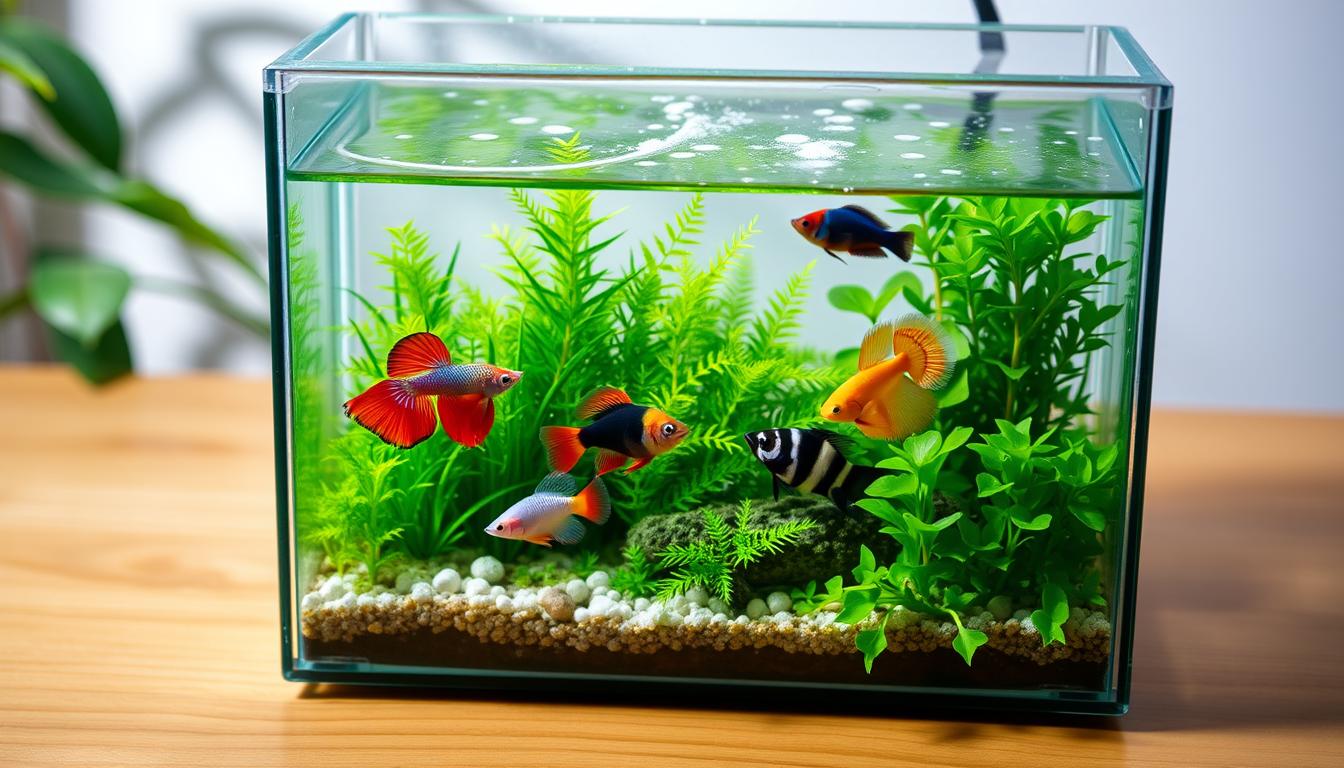
    Guppies and Endler’s livebearer are great for small tanks. They add color and life without overloading the tank.

    Endler’s livebearer males are small, about an inch. They don’t make much waste, making them perfect for 5-gallon tanks.

    Panda guppies are bred to be small. Males are about an inch, and females are almost two inches. This size helps you plan your tank without overcrowding.

    Breeding is important. Livebearers breed easily, so you’ll have fry if you have males and females together. To control fry numbers, keep only males or use a ratio of two to three females per male. Floating plants help fry hide and survive.

    Water chemistry is simple. Guppies like a pH of 7 to 8.5 and moderately hard water. If your water is soft, use supplements like Seachem Equilibrium or Wonder Shells.

    Feeding is easy. Guppies eat flakes, pellets, frozen brine shrimp, and live foods. They eat at all levels, so you don’t need a bottom cleaner. A small Corydoras or nerite snail can help with algae.

    • Stocking tip: a single male or a small same-sex group works best for an ideal fish for 5 gallon tank.
    • Choice note: Endler’s livebearer is often listed among beginner fish tank ideas because of low bioload and hardy nature.
    • Breed plan: if you want fry, add floating plants and accept occasional population jumps.

    These tips help you choose between fancy guppies and Endler’s livebearer for a colorful nano tank. They fit well with beginner fish tank ideas and offer long-term enjoyment.

    The Charm of Neon Tetras in Small Tanks

    Neon tetras are a top pick for small aquariums. The classic neon tetra and the green neon tetra are small, colorful, and calm. They show off lively schooling behavior, adding motion and contrast to a small tank.

    For a small tank, the green neon tetra is a great choice. They are smaller, usually 1–1.25 inches, with females sometimes under an inch. This size is perfect for creating a shoal in a compact 5-gallon space.

    Water chemistry is key in small tanks. Green neons prefer very soft, acidic water. It’s important to quarantine new arrivals to protect your main tank from diseases like fin rot and ich.

    Shoaling is vital for neon tetras. Keep at least six to eight for natural schooling and reduced stress. In a 5-gallon tank, space is limited, so consider other small fish like chili rasboras or celestial pearl danios.

    Feed them small amounts of micro pellets, crushed flakes, and live or frozen baby brine shrimp. These foods fit their small mouths and support their bright colors and active behavior without polluting the water.

    Design the tank to mimic Amazon conditions. Use heavy planting, leaf litter, and driftwood for hiding places and soft lighting. Neon tetras love this. Stable water parameters are also critical, as a 5-gallon tank can change temperature and chemistry quickly.

    With careful stocking, paired filtration, and regular, small water changes, neon tetras can thrive in a 5-gallon tank. Your tank will enjoy the slim profiles and peaceful schooling of these fish, making them a favorite among small fish species for small tanks.

    Endler’s Livebearer: A Great Choice

    Endler’s livebearer is perfect for small tanks. They fit well in 5-gallon or 12x12x12″ tanks. Males are tiny, about 1–2.5 cm, while females grow to 4.5 cm. Their bright colors and lively nature make them a great choice for small setups.

    These fish are very adaptable. They can handle different water conditions, preferring a pH of 7–8.5 and hardness of 10–35°H. This makes them a top pick for beginners and small tanks.

    It’s best to keep small groups or same-sex males to prevent overbreeding. If you mix sexes, add floating plants to help the fry survive. This gives them places to hide.

    Endler’s livebearer eats a variety of foods. They enjoy flakes, micro pellets, and frozen or live foods. An omnivorous diet helps them stay healthy in small tanks. Regular, small feedings keep their colors bright and activity high.

    • Tank size: suitable for 5-gallon or standard 12x12x12″ nano tanks when numbers are limited.
    • Behavior: peaceful, active, and generally good with other small peaceful species.
    • Care level: considered a low maintenance fish for small tank because of hardiness and flexible diet.

    Choose species-only groups or carefully selected tankmates to avoid stress. Pure Endler’s can be harder to find; many retail fish are hybrids with guppies. If you want true Endler genetics, ask reputable breeders or specialized aquatic shops.

    For hobbyists seeking small fish for small tanks, Endler’s livebearer offers color, activity, and resilience. With simple care and smart stocking, these fish can brighten a compact aquarium without demanding complex maintenance.

    The Peaceful Nature of Corydoras Catfish

    Pygmy corydoras are tiny, peaceful catfish. They add gentle activity to the bottom of a nano tank. You’ll see them moving low in the water, sifting sand with quick, friendly motions.

    These small bottom dwellers for nano aquarium setups grow to about 1–1.2″ (2.5–3 cm). Keeping them in groups shows natural shoaling behavior. Care guides suggest groups of six to twelve for comfort and reduced stress.

    Pygmy corydoras are low maintenance for small tank owners. They produce a modest bioload compared to larger catfish. They help clean uneaten food and add interest without demanding heavy filtration.

    Tank setup is key for your pygmy corydoras. Use fine sand or smooth substrate to protect their barbels. Add dense planting and hiding spots so they can spread out and feel secure.

    • Water: slightly soft to neutral, pH around 6.0–7.4, hardness 2–8°H.
    • Temperature: keep water near 71–77°F (22–25°C).
    • Diet: sinking wafers, Repashy gel foods, cyclops, baby brine shrimp, and small dried foods.

    In an ideal fish for a 5-gallon tank, balance shoaling needs with space. A full shoal may feel cramped in a standard 5-gallon layout. Consider modest groups or larger nano dimensions like 18x10x10″ to let them thrive.

    If your tank is tight, choose fewer individuals and increase planting to create visual depth. Pick species alternatives if you cannot meet shoaling or substrate needs. Thoughtful planning keeps these catfish healthy and active in small aquaria.

    Alternatives: Small Shrimp and Snails

    If your 5-gallon tank feels too small for fish, think about adding small shrimp or snails. Freshwater shrimp like Neocaridina and Caridina are colorful and active. They also produce less waste than most fish.

    Choosing the right shrimp or snail is key. Neocaridina shrimp do well in 5-gallon tanks and even smaller ones. Nerite snails are great for tiny tanks to control algae. But, avoid big snails like mystery or rabbit snails unless you have at least 5 gallons for each.

    Before adding invertebrates, check if they get along with your fish. Some fish, like chili rasboras, live well with shrimp. But, some fish, like gouramis and bettas, might eat them. Pick tankmates that won’t harm your shrimp.

    Invertebrates have many benefits. Nerite snails and shrimp eat algae and leftover food. They also add movement and interest to your tank. Just make sure to keep the water clean and stable to help them thrive.

    Feeding and caring for them is easy. Shrimp need extra food and calcium for molting. Snails eat algae and veggies, and they don’t need complicated diets. Regular water changes and gentle filters help keep them healthy without the stress of caring for fish.

    • Best fish for 5 gallons alternatives: Neocaridina shrimp and nerite snails for compact, active displays.
    • Low maintenance tankmates: shrimp and nerites reduce waste load compared with many fish.
    • Care tip: quarantine new invertebrates and provide stable water to prevent disease and hitchhikers.

    Specialized Care for Your Fish

    Keep water quality steady by testing often. Small tanks can quickly change in ammonia, nitrite, nitrate, pH, GH, and KH. Use a reliable test kit and log your results. Plan water changes based on how many fish you have and the test results.

    Match the temperature to the fish you keep. A good heater with a thermostat helps tropical species. Keeping water stable makes caring for nano tanks easier over time.

    • Quarantine new arrivals for at least two weeks.
    • Watch for fin rot, ich, or unusual behavior.
    • Treat or re-home affected fish before adding them to your display.

    Quarantine helps prevent outbreaks and protects your fish. Some wild-caught neon tetras and green neon tetras carry parasites. Screening is key to caring for 5 gallon fish.

    Choose filtration with gentle flow. Sponge filters are good for shrimp, small fry, and bottom-dwellers. They provide biological filtration without harsh current. Adjust the flow for bettas, killifish, and gouramis that prefer calm water.

    Feed tiny species the right foods. Offer microworms, baby brine shrimp, micro pellets, crushed flakes, and frozen daphnia when needed. Bottom-feeders like sinking wafers and gel foods. Rotate diets to keep fish healthy and colorful.

    • Small live or frozen items improve condition.
    • Avoid overfeeding to protect water quality.

    Design habitat with enrichment in mind. Use dense plants, hiding spots, leaf litter, and driftwood for blackwater species. Floating plants help fry and labyrinth fish. Use fine substrate for barbels and loaches. Secure lids to prevent jumps.

    Apply product recommendations where they help. Use Seachem Equilibrium or Wonder Shells for guppies in soft-water areas. Provide floating plants and spawning mops for surface spawners. Watch mouthbrooding bettas closely; some may stop eating during incubation.

    Balance care with species choice. If you want an easier route, pick a low maintenance fish for small tank that matches your routine. For hands-on enthusiasts, following best fish for 5 gallons care guidelines pays off in long-term health and fewer surprises.

    Common Mistakes to Avoid in a 5-Gallon Tank

    Overcrowding is a big mistake. Pet stores show too many fish, but forget about adult sizes and shoaling needs. Small fish need space to swim together. Pick fewer fish and check their adult sizes before buying.

    Mixing the wrong fish can stress them out. Don’t pair big or aggressive fish with tiny ones. Some fish might eat smaller ones. Male betta fish fight with each other and with fin-nippers. Also, be careful with shrimp because some fish might eat them.

    Ignoring water chemistry is another mistake. Different fish need different water conditions. For example, emerald dwarf danios like harder, alkaline water. But tetras and some killifish prefer softer, acidic water. Don’t assume all fish need the same water.

    Skipping quarantine can spread disease fast. New fish can bring ich, fin rot, or parasites. Quarantine new fish for at least two weeks before adding them to your tank.

    Not keeping up with maintenance is a trap. Small tanks can quickly get dirty. Make a schedule for water changes and filter checks. Stick to it. Small tanks need more care than big ones.

    Choosing the wrong substrate and décor can harm your fish. Coarse gravel can hurt barbels on Corydoras and kuhli loaches. Without hiding spots, timid fish get stressed. Use fine sand and add caves or plants for safety.

    Plan your stocking carefully. Look at reliable species profiles and start with a few hardy fish. This helps you learn care before trying harder combinations.

    Keep a checklist for stocking your tank. It should include adult sizes, water needs, quarantine, maintenance, and safe décor. This helps avoid common mistakes and keeps your fish healthy.

    Learn from others about the best fish for small tanks. Read warnings about small fish and choose wisely. Pick fish that fit your skill level and tank setup.

    Conclusion: Creating Your Ideal 5-Gallon Aquarium

    Start by picking fish that are right for a 5-gallon tank. Options include bettas, Endler’s livebearers, pygmy corydoras, small tetras, and rasboras. You can also consider shrimp or snails. Make sure their water needs and personalities match.

    Before adding fish, check a few things. Make sure your tank is the right size and has a secure lid. Test the water and stabilize it. Also, complete a nitrogen cycle and choose fish that fit the tank’s size and needs.

    Prepare your tank with substrate and live plants. Use a sponge filter for gentle filtration. Set up a quarantine area to prevent diseases.

    For your next step, you can have a single-species tank or a small community. If you prefer something easy, start with an Endler’s or a betta. Look for fish at local stores, breeder groups, or online. Some fish, like Betta albimarginata, can be hard to find and cost more.

    Being a responsible fish keeper means making smart choices and keeping up with maintenance. With the right planning, your 5-gallon tank can be a vibrant and thriving space. It will meet your beginner fish tank ideas and hobby goals.

    FAQ

    What are the top 5 small fish species recommended for a 5-gallon (nano) aquarium?

    For a 5-gallon nano, consider a single male Betta splendens. Also, a small group or single-sex group of Endler’s livebearers (Poecilia wingei) is a good choice. For larger 5-gallon setups, a modest shoal of chili rasboras or ember tetras works well.

    A tiny group of pygmy Corydoras (Corydoras pygmaeus) is suitable if space allows. Very small green neon or other micro-tetras are also good, provided the water chemistry is right. These species are chosen for their small size, low bioload, peaceful nature, and ability to show color or interesting behavior in compact tanks.

    Why is a 5-gallon tank considered a nano aquarium and what shape works best?

    A 5-gallon tank is considered nano because it’s between 2.5–10 US gallons. A wide, low tank is better than a tall, narrow one. This shape gives more room for swimming and planting.

    How many fish can I safely keep in a 5-gallon tank?

    Stock your tank carefully. Many nano species need to be in groups. For example, chili rasboras do well in groups of 8–12.

    Practical stocking ideas include a single male betta or a small group of 3–5 Endler’s males. A tiny group (4–6) of very small rasboras also works well in a heavily planted 5-gallon tank. Always consider the size of the fish, their bioload, and the space they need to swim.

    Do shoaling fish need to be kept in groups in a 5-gallon tank?

    Yes, many nano fish are schooling or shoaling species. They need groups (often 6+ individuals) to feel secure and exhibit normal behavior. In a true 5-gallon tank, you might need to choose species that do fine in smaller groups.

    If you can provide a wider tank footprint, small shoals become more feasible. This allows for a more natural and engaging environment for your fish.

    What water chemistry should I aim for in a 5-gallon nano and does it vary by species?

    Water chemistry varies by species. Many tetras and blackwater species prefer soft, acidic water. Others prefer neutral to alkaline and harder water.

    For example, emerald dwarf danio likes pH 7–8 and hardness 12–20°H. Betta albimarginata prefers soft acidic water (pH 4–6.5). Endler’s and guppies accept pH 7–8.5. Test GH, KH, pH, ammonia, nitrite, and nitrate regularly and adjust based on the species you plan to keep.

    What filtration and flow are best for a small tank with tiny species or shrimp?

    Use gentle filtration. Sponge filters are ideal because they provide biological filtration and protect fry and shrimp. They also create minimal current.

    If using hang-on-back or internal filters, reduce flow with spray bars or pre-filters. This helps prevent stress in fish like bettas, killifish, and pygmy corys.

    Should I quarantine new fish before adding them to my 5-gallon display tank?

    Absolutely. Quarantine prevents introducing fin rot, ich, and other pathogens. A 2–4 week quarantine in a separate tank is a standard recommendation.

    Observe and treat if needed. This step is essential, as wild-caught species like some green neon tetras may carry disease.

    What substrate and decor work best for bottom-dwellers like pygmy corydoras or kuhli loaches?

    Use fine sand or very smooth rounded gravel to protect barbels and delicate undersides. Provide dense planting, leaf litter, driftwood, and hiding places.

    Pygmy corys prefer planted, shaded areas and smooth substrate. Kuhli loaches need deeper hiding spots and sand to burrow safely. Consider tank footprint and group size before keeping loaches in a 5-gallon.

    Can I keep shrimp or snails in a 5-gallon instead of fish?

    Yes. Freshwater shrimp (Neocaridina, Caridina) and nerite snails are excellent low-bioload options for tiny systems. Shrimp make engaging micro-ecosystems and help control algae.

    They are commonly kept in 5-gallon tanks. Note compatibility: some fish will prey on shrimp or baby shrimp. Shrimp require stable parameters and sometimes powdered minerals or calcium supplements for shell health.

    Are bettas good for 5-gallon tanks and can they have tankmates?

    Male Betta splendens are classic 5-gallon candidates. They do well with warm water (72–82°F), gentle filtration, and plenty of hiding spots. Male bettas are typically aggressive toward other males and fin-nippers.

    Some community pairings work with careful tankmate selection. Very peaceful, fast-moving microfish or some shrimp can be good tankmates. Wild betta species (Betta albimarginata, Betta imbellis) are smaller and sometimes kept as pairs in nano setups with specific water chemistry requirements.

    How should I feed tiny nano fish and what foods are best?

    Feed small, nutrient-dense foods. Micro pellets, crushed flakes, baby brine shrimp, microworms, frozen daphnia, and small sinking wafers for bottom-dwellers are good options. Diversify diet with live or frozen options to promote color and health.

    Match food size to the species—tiny rasboras and pygmy corys need micro-sized foods.

    How often should I do water changes in a 5-gallon aquarium?

    Small tanks need frequent water changes due to limited biological buffering. Typical guidance is 20–40% weekly, adjusted for stocking and test results. Monitor ammonia, nitrite, and nitrate frequently; increase change frequency if parameters fluctuate.

    Regular maintenance is critical to prevent rapid water-quality swings.

    What are common mistakes hobbyists make with 5-gallon tanks?

    Frequent errors include overstocking, ignoring shoaling needs, skipping quarantine, using inappropriate substrate for bottom-dwellers, and choosing high-flow filtration for calm-water species. Also, neglecting frequent water testing and changes is a mistake.

    Avoid mixing species with incompatible water chemistry needs (hard alkaline vs. soft acidic) and placing jump-prone species in tanks without tight-fitting lids.

    How do I prevent overbreeding if I keep livebearers like guppies or Endler’s in 5 gallons?

    To avoid overpopulation, keep single-sex groups (all males or all females), a male-skewed or male-only group, or remove fry promptly. Provide floating plants as hideouts if you want to allow natural breeding.

    Expect livebearers to breed readily. In a 5-gallon tank, limit numbers to prevent crowding and water-quality issues.

    Are green neon tetras suitable for a 5-gallon tank?

    Green neon tetras are small and attractive but often prefer very soft, acidic water and schooling conditions (6–8+). In a 5-gallon tank, a full shoal may be impractical. If you have a wide-footprint 5-gallon, heavy planting, and correct water chemistry, a very small group might work.

    Quarantine is highly recommended because wild-caught specimens can carry disease.

    What lighting, plants, and enrichment should I provide in a nano setup?

    Provide low- to moderate-intensity lighting suited to live plants you choose. Floating plants (Salvinia, duckweed, frogbit) give cover for shy species and fry. Use hardy stem plants (rotala, hygrophila), mosses, and Java fern or Anubias attached to driftwood for structure.

    Add leaf litter and botanicals for blackwater setups. Dense planting reduces stress, provides grazing areas, and helps water stability.

    Which test kits and water treatments are recommended for a 5-gallon nano?

    Use reliable liquid test kits for ammonia, nitrite, nitrate, pH, GH, and KH (brands like API, Seachem, and Tetra are commonly used). For very soft or very hard water adjustments, consider Seachem Equilibrium or Wonder Shells based on source recommendations.

    Also, keep a quality heater and thermometer for stable tropical temperatures.

    What tankmates are incompatible with tiny nano fish?

    Avoid large, aggressive, or fin-nipping species and predators that will eat small fish or shrimp. Sparkling/pigmy gouramis, some rainbowfish and larger killifish, and many loaches are poor choices with micro species. Male bettas should not be housed with other male bettas or aggressive fin-nippers.

    Always research temperament and feeding behavior before mixing species.

    What final checklist should I complete before stocking my 5-gallon tank?

    Confirm tank dimensions and a tight-fitting lid, test and stabilize water parameters, fully cycle the aquarium, choose species based on adult size/bioload/shoaling needs, prepare appropriate substrate and plants, set up gentle filtration (sponge filter recommended), and arrange a quarantine tank and routine.

    Start conservatively—single species or very carefully curated nano communities give the best chance of success.