
When water evaporates, you lose volume and see more minerals, metals, and salts. This happens because evaporation turns water into vapor, leaving minerals behind. It’s important to check these levels regularly.
Pools outside can lose up to 3.5 inches of water a week in summer. This means you need to manage evaporation based on your pool’s size and where you live. Indoor pools also lose water, even with good dehumidifiers, so controlling evaporation is key.
To keep water quality good and electrolytes balanced, take a few steps. Use less chemicals that leave byproducts, cover your pool, and add fresh water. Also, fix leaks to avoid false signs of water dilution.
Your local water affects mineral balance. Spring and mineral waters have good minerals, but treatments can remove them. Check your water quality and add minerals if needed to keep it healthy.
Seasonal pool care helps with evaporation and mineral balance. Clean your pool well in winter, keep the pH and alkalinity right, and manage TDS. Use a cover and reduce filtration time. These steps save chemicals and protect your pool and skin.
Understanding Evaporation and Its Impact on Water Resources
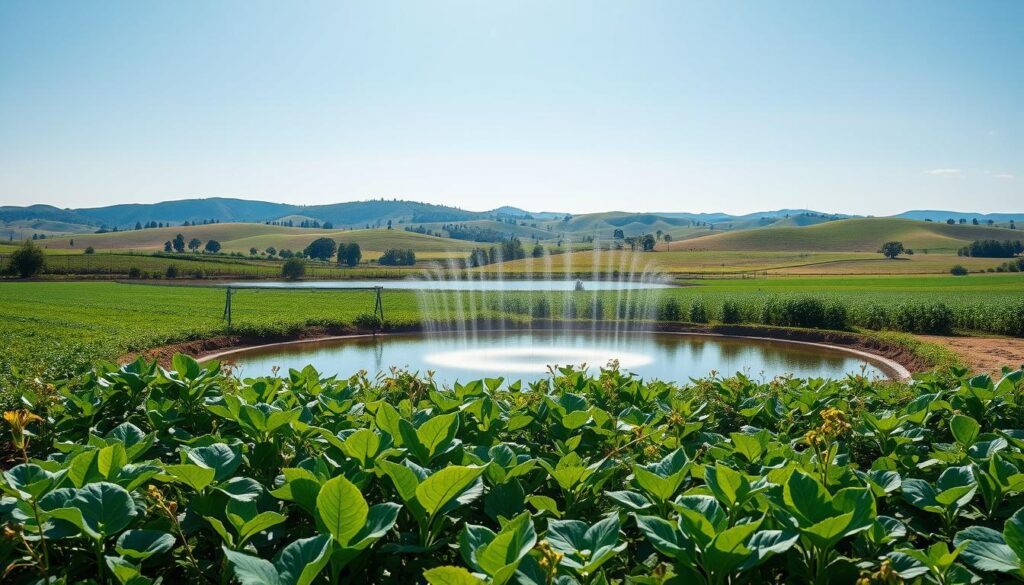
Evaporation turns liquid water into vapor. Dry air makes this happen faster. So, Arizona pools lose water quicker than Florida pools at the same temperature.
Indoor humidity also affects how fast your pool water evaporates. It can make disinfection byproducts release near the water’s surface.
When water evaporates, only water vapor is left. But dissolved solids like cyanuric acid and calcium stay behind. These solids make the water chemistry change.
This change can lead to scaling, corrosion, staining, and more chlorine needed. Your refill water is important too. It can change the mineral levels in your pool.
If the refill water has low hardness, topping it up after evaporation can make scaling or corrosion worse. This is because the balance of minerals shifts over time.
Accumulation of solids is clear. Stabilized chlorines add cyanuric acid. Calcium comes from tap water and calcium-based sanitizers. Metals come from source water or chemicals. Nitrates form from organic nitrogen from bathers and the environment.
- You can manage evaporation by controlling indoor humidity, using covers, and scheduling maintenance to limit concentration spikes.
- Good evaporation prevention reduces off-gassing and keeps dissolved solids steadier when you top up tanks or pools.
- Evaporation control plays a role in long-term water quality and in minimizing chemical and energy costs.
Seasonal changes, lower use, and environmental inputs like rain or debris affect evaporation rates. Regular monitoring and simple measures can help manage evaporation. This protects the balance of your water systems.
Common Sources of Water Evaporation

Open-water surfaces like swimming pools, reservoirs, and lakes lose water quickly. The size of the surface area matters. A wider surface loses water faster than a narrower one.
Indoor pools also lose water, but in a different way. They make the air around them more humid. This humidity makes evaporation happen more often. Extreme weather like hot temperatures and low humidity speeds up this process.
- Pumping and circulation systems increase surface agitation and net loss.
- Uncovered water features expose more area to air and light.
- Leaks and splash-out add to overall water disappearance.
Municipal and industrial systems don’t directly cause evaporation. But, their choices about water treatment affect the water’s mineral content. When you add new water, its chemistry changes the minerals in the pool.
Not taking care of pools in winter can lead to more water loss. Not using covers or ignoring maintenance can cause problems. Keeping surfaces covered and maintaining equipment helps reduce water loss.
People’s actions also affect evaporation. Activities like swimming and irrigation disturb the water’s surface. These actions don’t cause evaporation, but they change how fast water is lost. You need to manage the minerals in the water to deal with these changes.
The Importance of Maintaining Mineral Balance
Keeping mineral balance is key to protect equipment, surfaces, and health. As water evaporates, minerals get more concentrated. This changes the Langelier Saturation Index (LSI).
Low LSI makes water aggressive, causing metal corrosion. High LSI leads to scaling, clogging pipes and fouling heaters.
Too much stabilized chlorine can harm water quality. Cyanuric acid (CYA) reduces free chlorine’s effectiveness, causing stains. High calcium hardness promotes scaling and raises LSI.
Metal contaminants like iron and copper increase chlorine demand. They also cause discoloration and staining.
Nitrates feed algae growth, raising combined chlorine levels. High salt and total dissolved solids (TDS) speed up corrosion and make water cloudy. Targeted evaporation management can reduce these risks.
Minerals like calcium, magnesium, potassium, sodium, and chloride are vital for hydration. They support muscle and nerve functions. Magnesium is essential for energy production.
If treated water lacks minerals, you might need to add them. This is for health or process reasons.
Mineral-based pool systems use gentler water for skin and hair. Regular testing and mineral topping keep water clear and comfortable.
Combine water conservation with routine testing to slow concentration increases. Covering reservoirs and topping up with balanced water are helpful. Using calibrated dosing also improves outcomes.
- Test LSI, calcium hardness, and metals regularly.
- Top up with remineralized or balanced make-up water.
- Adopt water conservation techniques to reduce frequent refills.
- Use mineral supplements for pools or treatment systems when needed.
Regular checks prevent equipment damage, staining, and cloudy water. They also reduce chemical demand and health risks from disinfection byproducts. Balanced water performs better, feels better, and lasts longer for systems and infrastructure.
Strategies for Managing Water Evaporation
Using solid or fitted covers on pools and tanks can reduce surface losses. A cover limits air contact, helping control evaporation quickly. It also keeps dust and debris out, saving time on chemical additions.
Keep chemical use to a minimum. Avoid using stabilized chlorines like trichlor and dichlor if cyanuric acid buildup is a concern. One pound of trichlor in 10,000 gallons can raise CYA by about 6 ppm. This means you might need to dilute the water periodically to avoid chemistry shifts due to evaporation.
- Drain and refill strategically to manage CYA, calcium, nitrates, salt, or TDS levels.
- Use extended backwash cycles to discard water and achieve partial dilution without full drain.
- Repair leaks promptly to prevent unintended volume loss and chemistry changes.
For drinking water or larger systems, choose source water carefully. Plan controlled remineralization after aggressive filtration. This ensures the refilled water supports intended uses and health needs. Monitor hardness and total dissolved solids to keep supplies safe and useful.
Adjust operations seasonally to minimize evaporation. In winter, reduce filtration run time to a few hours a day for recreational pools. Maintain mid-skimmer water level for circulation. Regular cleaning and filter maintenance prevent extra water loss.
- Apply winter shock treatments when organics rise and persistent contaminants need removal.
- Limit chemical additions that leave permanent byproducts; swap to nonstabilized options like sodium hypochlorite when appropriate.
- Track inputs: one pound of calcium hypochlorite raises hardness by about 8 ppm per 10,000 gallons; one gallon of 12% sodium hypochlorite can add roughly 30 ppm to TDS.
Use these evaporation management strategies together for best results. This approach minimizes evaporation, preserves water chemistry, cuts operating costs, and keeps systems running as intended.
Innovative Techniques to Reduce Evaporation
There are simple, effective ways to lower evaporation in pools, reservoirs, and indoor pools. Start with physical covers. Solid and UV-stable covers reduce water loss and save energy.
Control indoor humidity to slow water loss. Use dehumidifiers and adjust HVAC systems in swimming facilities. This method limits evaporation and protects buildings without harsh chemicals.
Keep minerals balanced to prevent water loss. Use fewer chemicals and advanced filters like reverse osmosis. These methods improve water quality without frequent draining.
Use partial dilution tactics when full draining isn’t needed. Rainwater and extended backwashing cycles are good options. They reduce the need for full refills.
Consider remineralization after aggressive filtration. Use mineral cartridges or drops to restore lost minerals. Products like Trace Minerals’ ConcenTrace help maintain electrolytes and purity.
Look into mineral-based systems for less chemical use. Mineral Swim and similar technologies keep water clear with less work. They help maintain mineral balance and prevent evaporation.
By combining covers, climate control, targeted filtration, and remineralization, you create effective solutions. This layered approach protects water quality, extends system life, and reduces evaporation loss.
Assessing Evaporation Rates and Their Effects
Start with a simple test for pools. Use a bucket test to measure evaporation. Place a bucket at pool level, mark the waterline, and compare after 24 hours. If the pool loses more water, it might have leaks or higher evaporation.
Know what to expect based on the season. In summer, outdoor pools lose about 0.25–0.50 inches of water per day. Indoor pools can lose a lot of water without proper controls, even with dehumidifiers.
Watch how water chemistry changes over time. Evaporation concentrates minerals, making them more concentrated. Test for pH, alkalinity, calcium hardness, TDS, metals, and CYA monthly.
- Trichlor raises CYA quickly (about 1 lb per 10,000 gal adds +6 ppm).
- Calcium hypochlorite increases hardness (1 lb per 10,000 gal ≈ +8 ppm calcium).
- Liquid sodium hypochlorite can raise TDS; roughly 1 gallon of 12% solution may add up to 30 ppm TDS.
For water systems, check your local water quality report. This helps predict how refill water will affect your pool’s mineral levels. If refill water lacks minerals, you might need to remineralize.
Do seasonal checks and a professional inspection before spring. Look for wear on covers, pumps, and systems due to mineral buildup. Also, check Hydroxinators and filters for buildup and replace parts as needed.
- Perform routine evaporation measurement with bucket tests and periodic calibrated gauges.
- Maintain a chemistry log to correlate rising minerals with water loss.
- Adjust fill strategies based on municipal water quality and health needs.
- Use professional inspections to verify equipment and cover performance.
By measuring evaporation, tracking chemistry, and using local water data, you can better manage evaporation. This approach helps protect water quality, reduces equipment wear, and ensures proper dilution or remineralization.
Understanding the Economic Impacts of Evaporation
Evaporation can increase dissolved solids in pools or process water, leading to higher costs. You might need to refill water more often and use more chemicals. This can also mean more labor for upkeep.
In places like California, there are rules about disposing of concentrated chemicals. This can mean extra costs for waste handling or special drains. Without a plan, chemicals like cyanuric acid can build up, leading to more frequent draining.
For water meant for drinking, treatments like reverse osmosis or distillation can be expensive. They use a lot of energy and require maintenance. But, options like ConcenTrace can be cheaper and effective for remineralization.
Investing in systems to control evaporation can save money in the long run. Pool covers, dehumidifiers, and mineral-based sanitizers can reduce chemical use. This also means less money spent on repairs from scaling and corrosion.
When choosing options, think about the total cost over time. This includes the initial cost, installation, energy use, and reduced consumables. Making smart choices can help control evaporation while keeping costs down and systems running well.
The Role of Climate in Water Evaporation
Climate affects how fast water evaporates. Factors like air and water temperature, humidity, wind, and sunlight play a role. For example, Arizona’s dry air leads to more evaporation than Florida’s humid air, even with the same temperature.
Indoor evaporation can be managed with HVAC and dehumidifiers. Good ventilation helps prevent harmful chemicals from evaporating. This approach improves air quality and saves water.
Water from different sources has different minerals. Changes in weather, like snowmelt or drought, affect these minerals. When you add water to a pool or tank, these changes impact mineral levels. So, your treatment plans need to adjust to these changes.
Seasonal management can help reduce water loss and chemical use. In winter, covering pools can lower evaporation. After rain, the water’s mineral balance can be safely adjusted.
To keep mineral levels stable, follow these steps:
- Use covers or floating devices to reduce surface area exposure.
- Optimize dehumidifiers and HVAC for indoor pools to lower air saturation.
- Monitor source water TDS and hardness seasonally and adjust treatment.
- Schedule major top-ups after safe rainfall when dilution is appropriate.
Choosing the right methods to prevent evaporation depends on your location and climate. Use local weather data and regular testing to find the best solutions for your budget and needs.
Policy and Regulation Surrounding Water Management
It’s important to know the rules from federal, state, and local governments about evaporation control. In places like California, there are limits on draining and refilling pools. This is because of chemicals like cyanuric acid and metals that can harm the environment.
Local water treatment affects the quality of water you get. Cities use different methods to make water safe to drink. These methods can change what you need to add to your pool water, like calcium or corrosion inhibitors.
Your plan must follow health and building codes for pools and indoor spaces. These codes cover things like ventilation and testing schedules. Following these rules helps keep the air clean and meets evaporation management goals.
- Follow testing and reporting intervals set by local health departments to avoid fines and service interruptions.
- Select chemicals that minimize persistent byproducts so drain events stay within permitted disposal windows.
- Coordinate with municipal water suppliers when planning major fills, as treatment methods change water mineral profiles.
Use water-saving techniques to meet drought or supply mandates. Keeping records of evaporation and makeup water helps show you’re saving water. These records can support your evaporation management strategies.
Always review regulations before making big changes. This helps you avoid legal issues and keeps your operations running smoothly. It’s all about being prepared for changes in the rules.
Resources for Further Information
For more on evaporation control, check out ASHRAE publications. They cover indoor pool evaporation and dehumidification. The IPSSA Basic Training Manual also helps with chemical dosing impacts.
Orenda and other experts provide detailed advice on dilution and byproduct management. They also explain the bucket-test method for measuring evaporation. For removing contaminants, consider metal-removing filters or reverse osmosis. Don’t forget to schedule professional pool inspections before the seasons change.
Need help with remineralizing drinking water or adding electrolytes? Look at ConcenTrace Trace Mineral Drops and Daily Mineral Powder. Also, check local Consumer Confidence Reports to understand your area’s mineral levels. StatPearls and Environmental Research journals offer insights into electrolyte shifts and water treatment effects.
If you manage mineral-based pool systems, Mineral Swim and other providers have valuable information. They offer vendor-specific protocols and winter care steps. For bigger projects, hire licensed pool pros for inspections and certified engineers for compliance. These resources will guide you in reducing evaporation and managing water chemistry in homes and businesses.
Leave a Reply