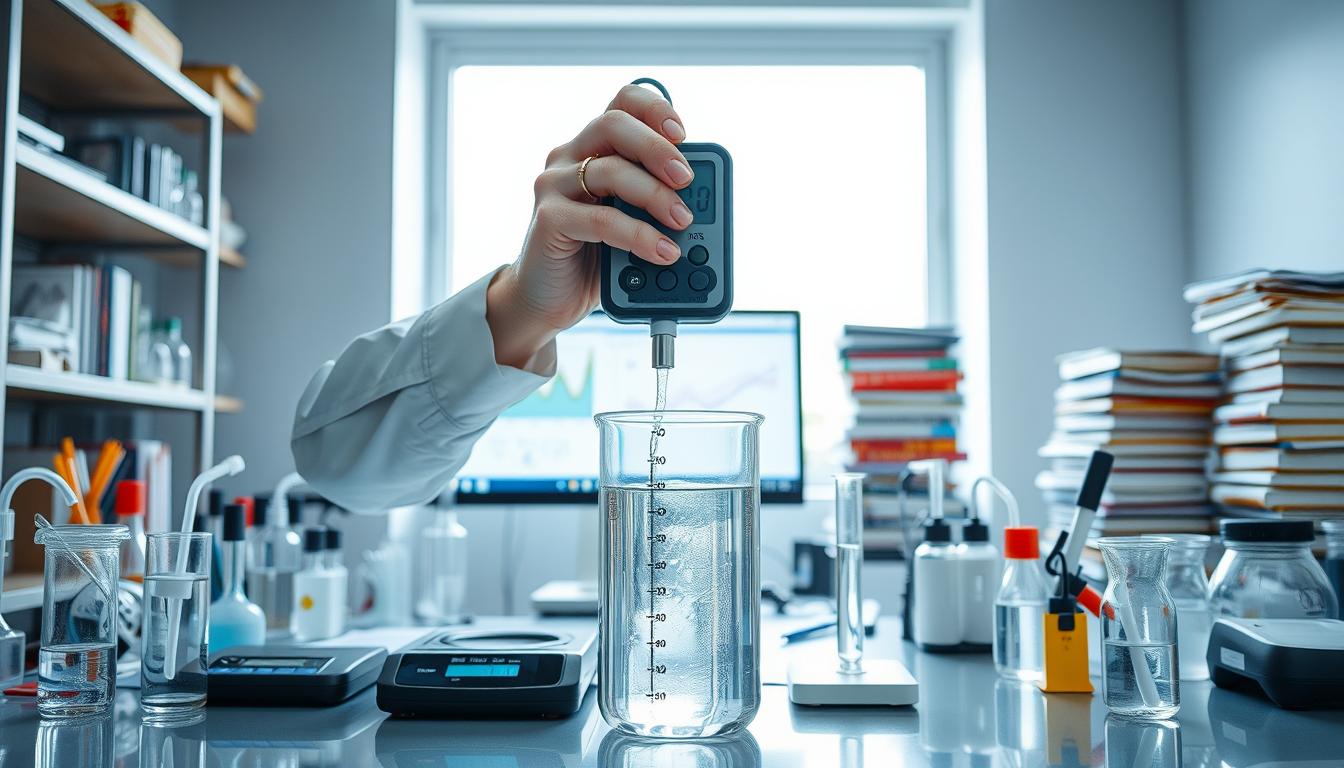
Total Dissolved Solids (TDS) are the combined concentration of salts, minerals, and small amounts of organic matter in your aquarium water. They are reported in parts per million (ppm). You can also get them from conductivity readings in microsiemens.
As a shrimp keeper, you should care because TDS affects osmotic balance and mineral availability. This includes calcium and magnesium, which shrimp need for molting and growth. Keeping TDS consistent supports reproduction and reduces stress. Sudden changes in TDS can be as harmful as extreme values.
TDS is connected to other parameters you monitor, like pH, KH, GH, and nitrate. But it’s not a replacement for those specific tests. Think of TDS as a quick indicator of dissolved ions and organics that helps you spot changes fast.
Regular TDS testing gives you an early warning for problems. Handheld TDS meters and conductivity meters are common tools in the hobby. They offer quick diagnostics. Use them alongside targeted tests: nitrates should stay below 20 ppm and ideally under 10 ppm. Elevated nitrates raise TDS and signal the need for water changes or biological adjustments.
Understanding TDS measurement methods and the importance of TDS testing helps stabilize your tank environment. It protects sensitive species. Keep readings steady, check regularly, and use the right TDS measurement methods to maintain healthy shrimp colonies.
Understanding Total Dissolved Solids (TDS)
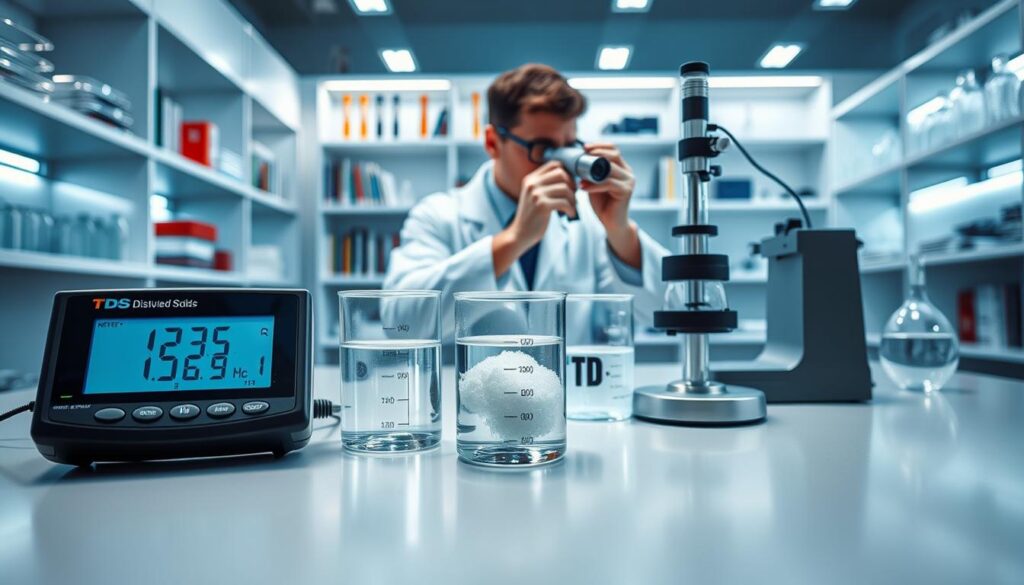
TDS measures the total dissolved ions and small organics in your aquarium water. It’s like a broad gauge for dissolved substances like calcium and magnesium. It also includes sodium, potassium, and some dissolved organics from food or plant decay.
Most hobbyist TDS meters measure electrical conductivity to estimate concentration. This means readings show ionic content more than nonionic organics. When you learn how to test for TDS, expect meters to report parts per million based on conductivity, not a chemical inventory.
TDS does not tell you which ions are present. To know calcium and magnesium, you need GH (general hardness) tests. Use KH test kits for carbonate hardness. Specific ion tests reveal nitrate, phosphate, and other contaminants. Use TDS measurement methods as a quick screen, not a substitute for targeted assays.
Remember conversion factors and temperature. Many meters convert conductivity to ppm using a fixed factor. Temperature affects readings, so look for devices with automatic temperature compensation for consistent results. Follow manufacturer guidelines when you practice how to test for TDS.
- Nitrate (NO3–) adds to TDS and can be a major inorganic contributor.
- Aim to keep nitrate below 20 ppm and ideally under 10 ppm for shrimp systems.
- High nitrate will raise ionic TDS and stress shrimp over time.
High organic load from uneaten food, decaying leaves, or driftwood can raise dissolved organics. Those organics may not conduct well, yet they can worsen water quality and indirectly affect TDS readings. Regular maintenance, filtration, and targeted testing for nitrate and phosphate help you interpret TDS measurement methods correctly.
The Importance of TDS for Shrimp Health
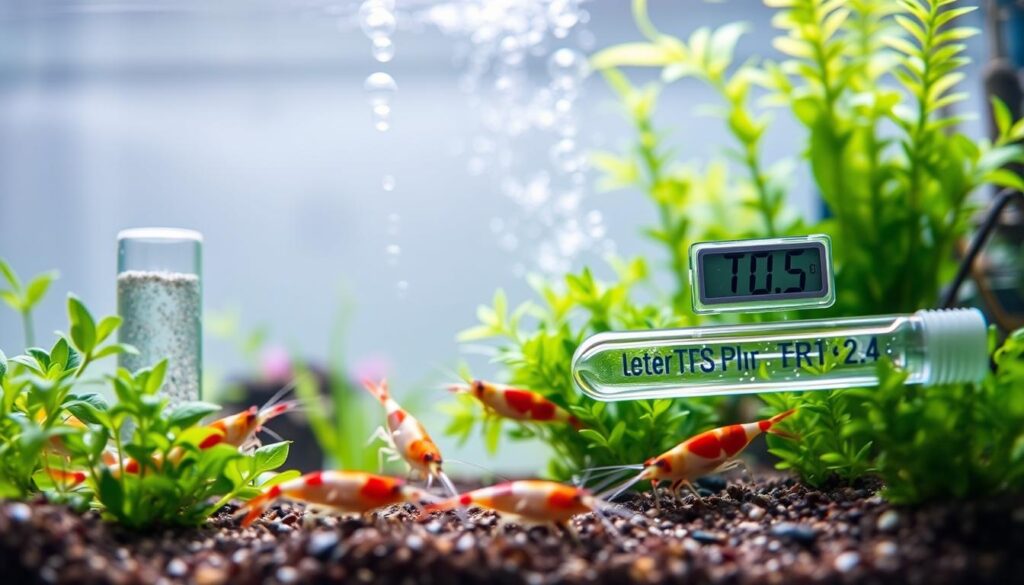
Shrimp need stable ionic levels and minerals to molt and grow shells. Low calcium and magnesium can lead to failed molts. This shows why TDS testing is key: it alerts you to any imbalances before they cause problems.
Reproduction in shrimp is also tied to water chemistry stability. Berried females and young shrimp struggle with changes in their environment. Regular TDS testing helps keep the minerals right for breeding and growing young shrimp.
Behavior can hint at stress in shrimp. Quick changes in TDS can cause them to hide, stop eating, or even die. Watching their behavior and testing TDS regularly helps you catch and fix issues fast.
Even with good TDS numbers, microorganisms can be a problem. Bacteria, hydra, and vorticella grow in dirty water. They stress shrimp and can hide TDS issues.
To fight these issues, use TDS tests with better feeding and filtration. Reducing food and improving biological filters helps. These steps help control organic matter and support TDS testing goals.
Make sure to have a TDS test kit and an electronic meter for regular checks. Also, test for nitrate, GH, and KH to get a complete picture. Following best practices for TDS testing helps you manage your tank better and prevent health issues.
Optimal TDS Levels for Different Shrimp Species
Knowing the right TDS ranges is key for your water setup. For Neocaridina like Cherry shrimp, aim for 150–300 ppm TDS. Some strains can handle up to 400–450 ppm if other water conditions are just right.
Caridina species, like Crystal and Caridina cantonensis, need even lower TDS levels. Hobbyists often aim for 80–200 ppm. Wild bee shrimp prefer very soft water, closer to the lower end of this range.
Amano shrimp and larger species can handle higher TDS levels. But, it’s more important to keep mineral levels stable than to focus on high TDS numbers.
Don’t forget to check GH and KH levels along with TDS. Calcium and magnesium are key for molting and successful broods, not just TDS.
- Use Best practices for TDS testing: log TDS versus life events like molts and spawning to find species-specific setpoints.
- Follow TDS testing guidelines when mixing RO water and tap water to reach target ranges.
- Learn How to test for TDS with a reliable meter, calibrated regularly for accurate reads.
Acclimate shrimp slowly when moving them between tanks with different TDS levels. Sudden changes can stress them and increase mortality.
High TDS levels can be a sign of neglect or forgotten water changes. A case showed amano shrimp dying in such conditions.
To keep TDS levels optimal, do regular water changes and mix RO water when needed. Monitor GH, KH, and TDS together to fine-tune your water for your shrimp’s needs.
Testing Methods for TDS
You can test TDS with simple, affordable tools. Hobbyists often use handheld digital TDS meters and conductivity meters. These are sold for aquaria and hydroponics. Brands like Milwaukee, Hanna Instruments, and Apera are common choices for reliable readings in ppm or µS/cm.
Before you test, prepare a clean sample. Rinse the probe with tank water to avoid contamination. Dip the probe a few inches below the surface, away from film or scum. Wait for the readout to stabilize, then record the value as part of your TDS testing process.
Follow the device instructions for cleaning and storage. Many meters recommend rinsing with distilled water and storing the protective cap with fluid. Replace probes or send the meter for service when accuracy drifts after months of use.
Calibrate meters periodically using manufacturer-specified solutions. Calibration keeps readings accurate across the TDS testing process. If your meter lacks automatic temperature compensation (ATC), test at a consistent tank temperature or apply a manual correction to avoid skewed results.
Use TDS testing equipment alongside chemical test kits for a fuller picture. A TDS test kit gives a quick total solids snapshot. Pair it with a nitrate test kit and GH/KH kits to identify specific ions that affect shrimp health.
Keep this routine simple for daily monitoring. TDS meters offer fast guidance for water changes and RO/DI blending. Use the data to spot trends and adjust your maintenance schedule before small shifts become problems.
- Handheld digital TDS meter: quick ppm readouts
- Conductivity meter: useful for µS/cm and cross-checks
- Calibration solution: required for periodic accuracy checks
- Complementary kits: nitrate, GH, KH for detailed chemistry
Proper care and a clear TDS testing process will keep your readings meaningful. Regular checks make it easier to protect sensitive shrimp species and to respond fast when water chemistry changes.
Maintaining Appropriate TDS Levels
Make changes slowly to protect your shrimp. Big changes in TDS can shock them, hurting Caridina species. Try to change TDS levels over hours or days, not all at once.
Test the water before making changes. Check the TDS of your source and tank water. Keep a record of these tests. This helps you mix tap and RO/DI water and know how much remineralizer to add.
Here are some ways to adjust TDS:
- Change the water with low-TDS water or mix RO/DI with tap water to reach your goal.
- Use remineralizers or commercial buffers from brands like Seachem and ADA to raise GH or TDS.
- Feed less and remove extra leaf litter or driftwood to avoid high organic levels.
Change some water regularly. Weekly or biweekly changes are good for many tanks. Do more often if you feed a lot, have a lot of fish, or nitrates are high.
When increasing GH or KH, do it slowly. For example, a 10-gallon tank’s TDS rose to 1800 µS, causing shrimp loss. After stabilizing KH at about 4 dKH and GH around 7–8 (about 60 ppm), the keeper mixed RO water to target TDS near 600 µS. The shrimp then recovered.
Use a reliable meter to test for TDS. Also, use test strips or lab kits for extra checks. Test before big water changes and keep a log to guide your mixing and remineralization.
When increasing TDS, add GH boosters in small amounts and test after each addition. When decreasing TDS, plan water changes and measure until you reach a safe level for your species.
Troubleshooting High or Low TDS Readings
Start by checking your TDS meter. It can lose accuracy over time. Calibrate it before testing water or adding chemicals. This ensures your readings are correct.
High TDS can come from not changing the water often. It can also happen if you overfeed or use hard water. Check your substrate and filters for trapped waste that adds to TDS.
- Immediate fixes for high TDS:
- Do partial water changes with low-TDS water. Aim to replace 20–50% of the water, depending on your shrimp’s sensitivity and the TDS level.
- Reduce feeding, vacuum the substrate, clean filters, and remove rotting leaves or excess driftwood that leach organics.
- Check nitrates; if they’re over 20 ppm, increase water changes and boost biological filtration.
Low TDS often results from using RO/DI water without adding minerals. It can also come from using too much distilled water or softening tap water too much. Low minerals can harm shrimp molting and reproduction.
- Fixes for low TDS:
- Add a reputable remineralizer or measured aquarium salts and calcium-magnesium supplements to increase GH and TDS slowly.
- Keep an eye on GH and KH as you adjust TDS to ensure mineral ratios are right for shrimp health.
Follow TDS testing guidelines closely when making changes. Make small adjustments and test daily. Sudden changes can stress shrimp and lead to death.
A hobbyist once stabilized GH and KH, aiming for a TDS of 600–800 µS. They learned the hard way that sudden water changes and improper acclimation can kill amano shrimp. Always acclimate slowly and double-check mineral and TDS levels before making changes.
Troubleshooting TDS involves both measurement and aquarium care. Use the TDS testing process and guidelines as your guide. Confirm meter accuracy, find the cause, make small fixes, and watch until things stabilize.
Regular Monitoring: A Must for Shrimp Keepers
It’s important to test your aquarium water regularly. For small, stable tanks, do it once a week. If you make big changes or add new fish, test more often, like two or three times a week.
Keep a log or digital record of your tests. Write down the date, TDS reading, and other important details. This includes water changes, feeding, and any new shrimp or algae problems.
- Test source water—tap and RO—to know baseline values.
- Test after water changes to confirm mixing ratios.
- Test before adding sensitive shrimp or making big adjustments.
Looking at trend data is very helpful. It shows slow changes in TDS levels. This helps you plan when to do water changes.
For accurate TDS testing, use a meter and also check nitrate and GH/KH levels. This gives a complete picture of your water’s health.
Be consistent with your TDS testing and follow guidelines. This helps you make smart decisions and avoid overreacting to one reading.
- Record baseline values for source and tank water.
- Schedule routine tests and log each result.
- Compare trends, not single numbers.
- Adjust feeding and filtration to control ion buildup.
If TDS levels are rising, cut back on feeding. Good biological filtration helps keep the water clean and prevents problems.
Follow simple TDS testing guidelines and keep detailed records. Your notes will guide you to a healthy environment for your shrimp. Regular checks make caring for your tank easier and more predictable.
Professional Help for TDS Issues
If you notice many shrimp deaths or molting problems, even with stable TDS readings, it’s time to get help. Take water samples from your source and tank to the experts. They can test both for you.
Seeing high TDS levels that don’t go away with water changes or RO blending is a red flag. Visit local aquarium stores with shrimp experts. They can test your water, suggest RO/DI units like APEC or iSpring, and recommend remineralizers from Seachem or AquaVitro.
For complex tanks and sensitive shrimp, getting the mineral balance right is key. Reach out to experienced hobbyists or forums for your shrimp species. They can guide you on TDS testing and acclimation.
- Use a TDS test kit at home, then share those readings with professionals for faster diagnosis.
- Consider a water testing lab if you suspect specific contaminants; they provide detailed ion analysis that a basic TDS meter cannot.
- Ask professionals to help select and calibrate TDS testing equipment so your meters stay accurate over time.
Before you meet with experts, keep a record of your water parameters and care actions. Note any dosing, substrate changes, and water sources. This helps professionals spot patterns and rule out simple errors.
When looking for help, choose places that show they know how to use TDS test kits and follow guidelines. This approach cuts down on uncertainty and helps you get your shrimp’s water stable again.
Conclusion: The Role of TDS in Successful Shrimp Keeping
Testing for TDS is key to keeping your shrimp healthy. It shows you the dissolved ionic load in the water. This helps prevent osmotic stress, failed molts, and reproductive issues.
It’s also important to test for nitrate, GH, and KH. This gives you a full picture of your water quality. It helps avoid surprises that single metrics can miss.
To test TDS well, use a reliable TDS meter. Calibrate it and log your readings. Test regularly, matching the schedule to your tank’s stability.
Control feeding and organic inputs. Use targeted water changes or RO blending to adjust TDS levels. This keeps them in the right range for your shrimp.
Remember, different shrimp species need different TDS levels. Neocaridina can handle higher ranges, while Caridina need lower, more stable levels. Keep your filtration good and feed wisely to prevent problems.
Treat your water chemistry as a whole. If you face ongoing issues, get professional help. This can help solve unexplained problems and protect your shrimp.
Leave a Reply