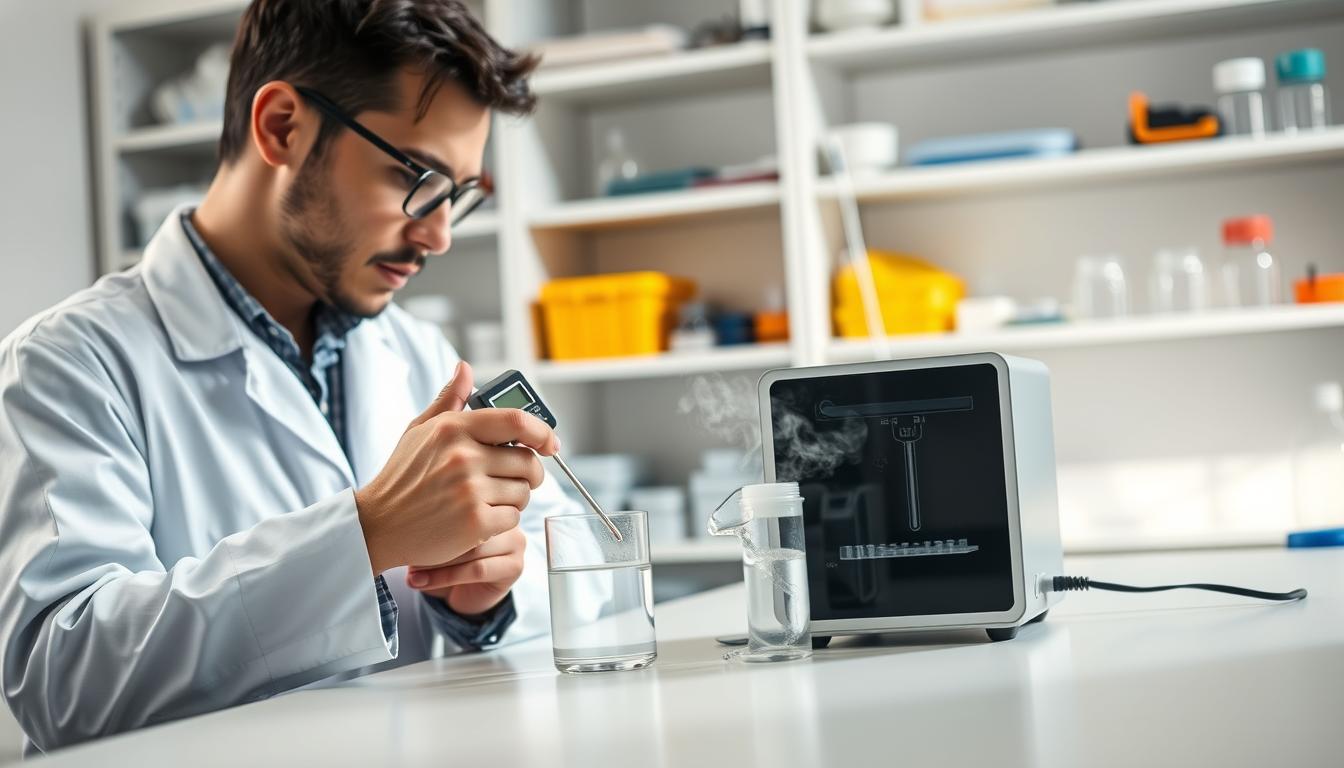
Keeping delicate fish in a small tank means choosing and calibrating heaters is key. Heaters are cheap and simple to set up but can cause big problems. Knowing how to pick and use them can prevent sudden temperature changes that harm your fish and corals.
For small tanks, a good rule is to use 3–5 watts per gallon. If your room is cool, go for the higher end. Using two heaters or a dual-element system can also help avoid big problems if one fails.
Choose reliable brands and plan to replace heaters often. Cheap heaters might need a new one every year. But, more expensive models with titanium elements and external controllers can last 1–3 years with some care. Brands like Eheim Jager and BRS Titanium are known for their quality and ease of use.
Calibration is very important because heaters can be off by up to 4°F. Test your heater in a small bucket or 5-gallon test volume before putting it in your tank. Also, make sure water changes match the temperature and salinity of your tank to avoid stressing your fish.
Lastly, protect your power circuits and have spare parts ready. Use GFCI outlets for your pumps and heaters. Keep a backup heater on hand and follow the manufacturer’s maintenance tips to keep your heater safe and working well.
Understanding the Importance of Heater Safety
You work with small water volumes that change temperature quickly. This makes nano heater safety very important. A heater failure can quickly stress or kill animals in one night.
Electrical faults are a common cause of heater failure. Issues like stuck relays or failed thermostats can lead to overheating, fire, or electrocution. Heater safety for nano setups is a top priority for both electrical and animal welfare.
- Use redundant controls and alarms to prevent major failures.
- Install independent temperature monitoring to catch errors; some heaters can be off by as much as 4°F.
- Follow nano heater safety guidelines on placement and protection to reduce glass breakage and short circuits.
Small tanks have little thermal inertia. This increases the risk during water changes or heater faults. Matching temperature when adding new water and preheating mixed saltwater lowers thermal shock and stress to your stock.
Set a proactive replacement schedule for heaters and key components. For inexpensive units, plan annual swaps. For higher-end gear, replace parts every 1–3 years. Regular replacement reduces the chance of sudden failure and supports consistent heater safety for nano systems.
Calibrate your controls and check them with a trusted thermometer. Independent measurement helps you verify setpoints and keeps your nano heater safety guidelines practical and evidence-based. Taking these steps explains why heater safety matters for every small-volume aquarium you maintain.
Key Features to Look for in Small Heaters
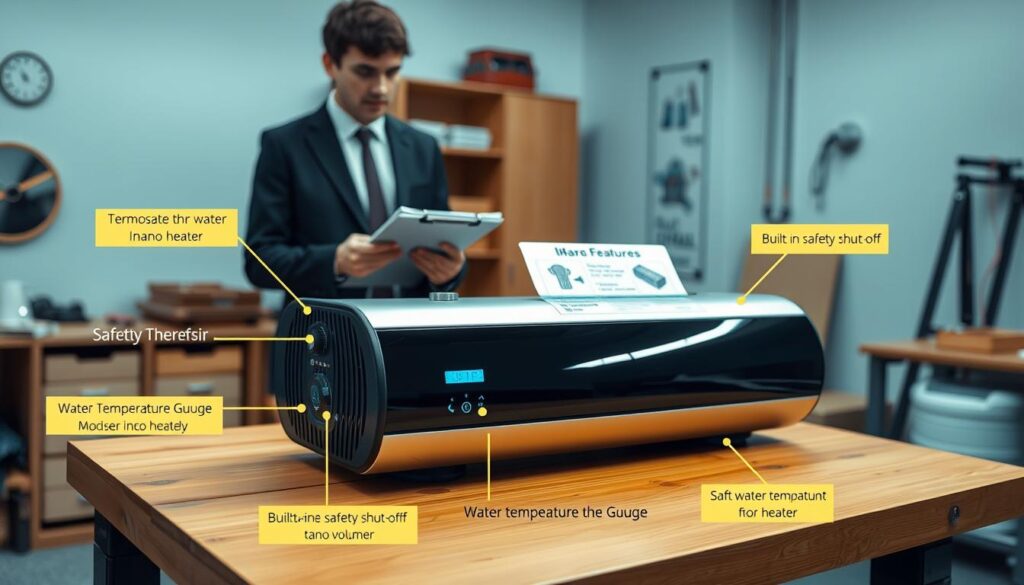
Match the wattage to your tank size. Aim for 3–5 watts per gallon. For colder rooms or winter, choose the higher end to avoid frequent heating cycles. The right wattage keeps the temperature stable and avoids stressing the heater.
Look for built-in calibration. Models like Eheim Jager let you adjust the heater to a reliable thermometer. You can correct small temperature differences up to about 4°F. Calibration helps keep the temperature steady, making your nano heater safer.
- Construction materials matter. Glass and plastic are cheaper. Titanium is compact, durable, shatterproof, fully submersible, and works well with external controllers. Titanium is a top choice for nano heater safety.
- External controllers and replaceable probes extend life. If a probe fails, you can replace it instead of the whole unit. WiFi controllers like Inkbird offer remote alerts and better reliability for long-term use.
- Mounting and submersion: the heater must stay submerged. Use suction cups, holders, or clip mounts to keep it in place in a display, sump, or filter chamber.
- Cord length and warranty: choose heaters with practical cord length, such as 6 ft, and multi-year warranties. A longer cord and a three-year element warranty add convenience and peace of mind.
Check alarm and monitoring compatibility. Heaters that work with Neptune Apex or GHL Profilux controllers send alerts when temperatures get out of range. This feature is a top nano heater safety measure because it warns you before problems start.
Prefer physically robust designs for added reliability. Shatterproof housings and titanium construction reduce breakage risks and chemical exposure. Physical strength supports nano heater safety by reducing hazards from broken parts.
When choosing a small heater, balance performance and safety. The best nano heaters have the right wattage, calibration, durable construction, replaceable parts, and monitoring options. These features are key to practical nano heater safety tips you can use today.
Types of Heaters Suitable for Nano Applications
When picking heaters for nano tanks, you have a few options. Glass or plastic heaters with thermostats are the cheapest. They’re good for beginners and small setups. The Eheim Jager is a reliable choice known for its steady temperature and easy controls.
Titanium heaters with external controllers are pricier but last longer. They’re compact, shatterproof, and fully submersible. Adding a separate controller lets you upgrade to features like Wi-Fi control and stronger relays. This makes your nano system safer.
Integrated systems combine top-notch titanium elements with controllers. For example, the Schego titanium element works well with the Helio PTC Smart Controller or Inkbird WiFi. These systems are great for hobbyists who want a complete, compact setup.
Dual-element setups offer extra safety. They have a full-size primary element and a smaller standby element. This setup is perfect for nano tanks because it prevents sudden temperature changes. It’s a key part of nano heater safety.
- Compactness: Choose elements that fit small spaces without taking up too much room.
- Placement: Place the controller probe where it can get accurate readings, even if the element is hidden.
- Materials: Titanium is durable against corrosion and physical damage, making it ideal for nano tanks.
Consider the cost, longevity, and control features when choosing. Always follow safety tips like sizing elements right and placing probes correctly. If your display has sensitive fish, think about using redundant setups.
Calculating the Right Heater Size for Your Needs
Start with a simple rule: 3–5 watts per gallon for small tanks. If your room is cool or you live in a cold area, go for the higher end.
For nano tanks, choose the lower end if your room is steady and well-insulated. Small tanks heat up and cool down quickly. Focus on keeping the temperature steady.
- Use two smaller heaters instead of one large unit to add redundancy and reduce risk.
- Size each heater to cover half the calculated need so the system can cope if one fails.
- Place heaters where water flow distributes warmth evenly; avoid dead zones.
When calculating heater size nano, remember that external placement changes effectiveness. Heaters in sumps or behind filters may not control display temperature precisely. If you use an external controller, put the probe in the display to match real conditions.
Follow nano heater safety guidelines by planning for practical events. During water changes, cooler replacement water will mix into the system. Preheat mixed water in a separate barrel to within about 1°F of tank temperature when possible.
- Estimate total gallons accurately for heater wattage for small tanks.
- Select wattage using 3–5 W per gallon, adjusting for room temperature.
- Split wattage across two devices for heater safety for nano and redundancy.
- Position probes and elements to reflect display temperature, not just sump readings.
Keep nano heater safety guidelines visible when you install equipment. Secure heaters, avoid obstructing flow, and pair heaters with thermostats or controllers for tight control. That approach reduces risk and keeps your small system stable.
Effective Calibration Techniques for Small Heaters
To calibrate a heater for a nano aquarium, start with a small test volume. Fill a 5-gallon bucket with water that matches your tank’s temperature. This lets you test settings without harming your fish.
Use a high-quality digital thermometer or temperature probe and the heater you plan to install. A controller can help, but you can do it with just a thermometer and a mixing vessel. This setup supports effective calibration nano heater procedures.
Put the heater and thermometer probe fully in the bucket. Let the heater sit for about 30 minutes before turning it on, to avoid thermal shock. After soaking, turn on the unit and set your target temperature.
Let the system reach the set point and stabilize. When the heater shows it has hit the target, check the water temperature with your independent probe. If it’s different, adjust the heater dial or the controller offset to match the thermometer reading. Many brands, like Eheim, use a red indicator arrow on their adjustment dial.
Keep adjusting until the display matches the independent thermometer. The bucket method is faster and safer than calibrating in the display aquarium. Once aligned, install the heater in its final position in your nano tank. Place any external probe where the controller will read it for accurate control.
Watch the setup closely for 24–48 hours with an independent thermometer. Make sure the heater cycles on and off at the correct temperatures. If your controller allows hysteresis or variance adjustments, tweak those settings for smoother cycling and improved nano heater safety tips.
Keep records of the calibration values and schedule regular checks. Re-calibrate after replacing controllers, probes, or heating elements, and during seasonal swings. Regular records help you know how to ensure nano heater safety over time.
Maintenance Tips for Heater Longevity
Set up a regular schedule for basic care to keep your heater running well. Replace simple heaters every year. For more advanced units, check the elements and controllers every 1–3 years, depending on how they’re doing.
Regularly check relays, controllers, probes, and cables. These parts often fail, causing the heater to stay on. Focus on these to avoid sudden breakdowns.
Use an independent thermometer to watch temperatures. This ensures the heater turns on and off as it should. Also, test alarms and notifications on your aquarium controller or Wi‑Fi system to catch any issues early.
Always make sure the heater is fully in the water, even during water changes. If you need to remove it, unplug it first to avoid damage. Always follow safety rules when handling and putting back the heater.
Clean the heater to remove any film or mineral buildup. This helps it work better. Also, check the suction cups and mounting hardware to ensure they’re secure and the heater heats evenly.
Keep your RO/DI and salt mixing areas clean. Use a TDS meter to check the RO/DI water’s purity. Test the saltwater’s pH, salinity, and alkalinity after mixing to avoid stressing the heater.
- Keep a spare heater ready and test it regularly.
- Think about using two heaters set a degree apart for better control and backup.
- Keep track of when you do maintenance, tests, and replace parts.
Always follow the best safety practices for nano heater maintenance. Clear steps and regular checks will help your heater last longer and keep your tank safe.
Safety Precautions When Operating Heaters
Always mount heaters so they remain submerged even if pumps are off for maintenance or during water changes. A heater left in air can overheat, crack, and create an electrocution or fire hazard. This simple step ranks high among nano heater safety precautions.
Before you plug in a heater, submerge the heating element and wait about 30 minutes for temperature equalization. Glass heaters are prone to thermal shock if powered while cold. That brief wait prevents glass breakage and protects your tank.
Use GFCI-protected outlets and a quality power strip. A switched GFCI outlet with clear labels improves wet-room safety when you mix water or run pumps near electrical connections. These measures answer the question of how to ensure nano heater safety in everyday use.
- Place temperature controllers and displays where they stay dry and visible.
- Put probes in the display or return line so the controller reads true tank temperature, even if the heater sits in a sump.
- Keep audible alarms and phone notifications active on devices like Inkbird or Neptune Apex for fast alerts.
When you mix replacement saltwater, match temperature, salinity, and pH within about 1°F and the proper specific gravity before adding it to the tank. Use the same thermometer for both mixes to avoid calibration mismatches. This step is part of heater safety for nano systems and protects livestock from sudden changes.
Turn off heaters before water changes that expose the element to air. Plug them back in only after they are fully re-submerged. This habit prevents overheating and reduces the chance of glass failure.
- Keep a spare heater on hand for quick replacement.
- Consider a dual heater setup or redundant controllers to avoid single-point failures.
- Test alarms and remote notifications regularly so you receive immediate alerts on temperature deviations.
Follow expert tips for nano heater safety by combining good mounting, verified electrical protection, matched water parameters, and redundancy. These actions lower risk and keep your small-volume system stable and secure.
Best Practices for Heater Installation
Make sure your heater is always covered with water. You can attach it to the display, sump, or filter chamber. Use strong suction cups or a heater holder. Always check that the heater stays underwater, even when the pump stops or the power goes out.
Before turning on the heater, let it sit in water for about 30 minutes. This helps prevent glass heaters from breaking. It’s a key safety rule for nano setups.
- Use an external controller probe in the display where fish and corals live. Let the controller read the display temperature for accurate regulation.
- Mount the controller in a dry, accessible spot away from splashes so you can read the LCD and change calibration settings.
- Choose adequate cord length and organize cords to avoid accidental yanks. Route cords to a GFCI outlet for added protection.
When mixing saltwater, heat the mixing barrel first. Let the water sit for 24 hours with circulation. Use a heater in the mixing vessel during cold months. Make sure the temperature, salinity, and pH match before adding water to the tank. These steps are important for nano heater safety and prevent shock to your fish.
- Secure the heater so it cannot fall or contact fragile décor.
- Keep cords tidy and labeled to reduce mistakes during maintenance.
- Place the controller where you can reach it without splashing the unit.
Test your heater by watching the temperature closely for 24 to 48 hours. Use an independent thermometer. Make sure the heater cycles properly and adjust settings if needed. Regular checks are key to a good heater installation.
Follow these safety guidelines to lower risks and improve stability. Proper placement, careful wiring, and a good controller setup will ensure reliable heat. This protects your tank inhabitants.
Factors Affecting Heater Performance
When choosing a heater, remember the room temperature and the season. Colder rooms mean your heater works harder. For cool basements or unheated areas, use more power, about 3–5 W per gallon.
The size of your tank and how it heats up matter. Smaller tanks heat and cool faster. This means you need to be more careful with your heater settings.
Where you put the heater and the probe is key. If the probe is far from the heater, it might not work right. Keep the probe close to what you want to heat to avoid problems.
Build-up on the heater can block heat. Things like scaling and biofilm can make your heater less effective. Clean your heater regularly to keep it working well.
The state of your controller and relay is important. Old relays can cause problems. Make sure your controller and relay are in good shape to avoid issues.
How you change the water in your tank affects your heater. Use water that’s the same temperature and has the same salinity as your tank. This helps your heater do less work.
Heaters and their sensors might not always be accurate. Use a good thermometer to check if your heater is working right. Adjust your settings if needed.
- Check ambient temperature and size heaters correctly.
- Place probe near the controlled zone to avoid false cycles.
- Clean heating elements to prevent insulating build-up.
- Inspect controllers and relays for wear at scheduled intervals.
- Match replacement water temperature to prevent thermal shock.
- Cross-check readings with a calibrated thermometer often.
By following these tips, you can keep your heater running well and safely. These steps help you maintain a stable environment for your tank. They are key to keeping your nano heater safe and efficient.
Troubleshooting Common Heater Problems
If your heater won’t reach the setpoint, start with the basics. Check if the heater wattage is right for your tank size. Also, make sure the heater is fully in the water and the sensor is in the right spot. A small mistake or a cold room can make it seem like the heater isn’t working.
When the readings are a bit off, try a small bucket test. Use a reliable thermometer to check the temperature. Some heaters, like the Eheim Jager, have a calibration dial. Others might need a new probe for better accuracy. These steps help keep your heater safe and working right.
If your heater won’t turn off, it’s a sign of overheating. Check the controller relays and replace them if needed. Keep a spare heater ready and use systems like Neptune Apex for extra safety. If your heater breaks, unplug it and get a new one. Titanium heaters are a good choice for safety.
When changing the water, don’t let the temperature drop too fast. Match the new water to the tank’s temperature. Preheat the water and let it sit for a bit. Watch the temperature for a day or two after changing the water. Use alarms on your controller to catch any sudden changes. Regular checks and using alarms are key to keeping your heater safe.
Leave a Reply