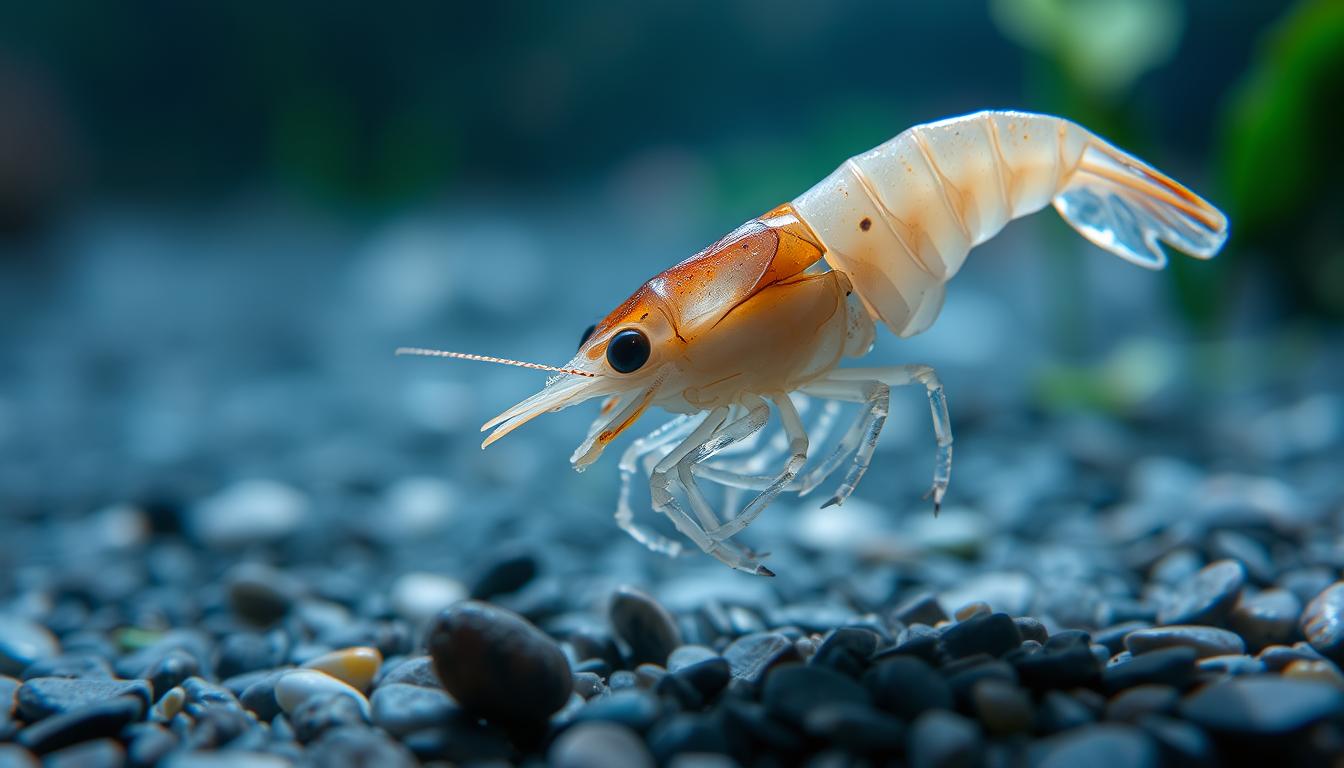
Molting, or ecdysis, is a key event for your shrimp’s growth. It lets them repair damage and grow new limbs. During molting, they shed their old, rigid shell to grow into a new, larger one.
The molting cycle is controlled by hormones like ecdysone. It involves breaking down the old shell, expanding the body with water, and forming a new, soft exoskeleton. This new shell then hardens. Calcium and stable water are essential for this process.
Young shrimp molt often, sometimes every 5–7 days. Adults molt less frequently, depending on their species, environment, and diet. In aquariums, you might see a discarded shell. This is normal and often eaten by shrimp to get minerals.
To help your shrimp molt successfully, keep the water clean and balanced. Provide hiding spots like plants or caves. Avoid disturbing them during molting to ensure their health and growth.
What is the Shrimp Molting Process?
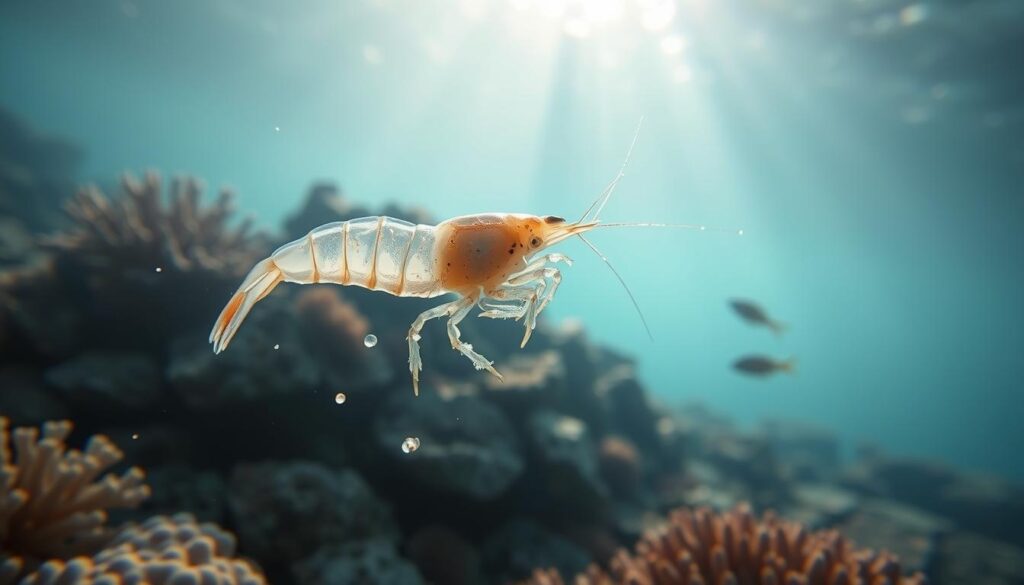
The shrimp molting process is a natural growth cycle you can observe in your tank. It includes four stages: pre-molt, molting, post-molt, and inter-molt. Each stage has unique behaviors and physical changes related to shedding the exoskeleton.
In pre-molt, shrimp absorb minerals from their old shell and store them in stomach stones. They may eat less, groom more, and hide. A pale or white line on their back indicates the shell is loosening.
During ecdysis, shrimp release enzymes and take in water to swell and split their shell. This process can take minutes but is very energy-consuming. After splitting, they carefully remove their legs and antennae.
Post-molt is a risky time when the new shell is soft. Shrimp often eat their old shell to get back lost minerals. This helps their new armor harden over time. Keep them in a quiet, stable place during this phase.
Inter-molt comes after the new shell hardens. Growth happens inside this armor until it’s time for the next pre-molt. The molting cycle’s timing depends on the shrimp’s age, species, diet, and environment.
Hormones control the timing and sequence of these stages. Ecdysone and other molting hormones in crustaceans manage tissue breakdown and rebuilding. Environmental factors like temperature, nutrition, and water chemistry affect these hormonal signals. This changes how fast the molting cycle progresses.
- Watch for hiding, reduced appetite, and preening as signs of pre-molt.
- Expect quick but intense effort during exoskeleton shedding.
- Provide protection and steady water conditions during post-molt.
Why Shrimp Need Calcium for Molting
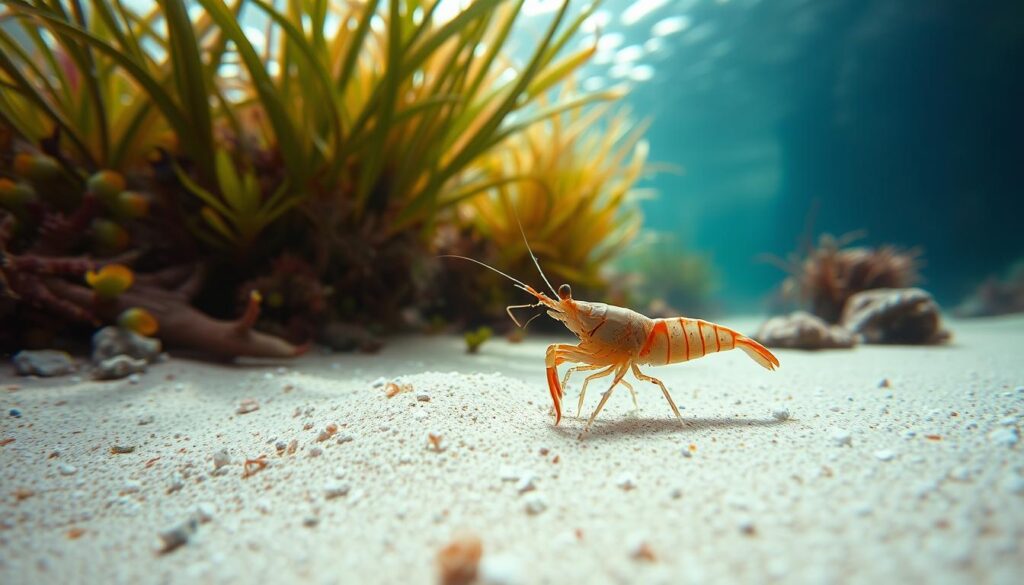
Molting is key for shrimp to grow. They need calcium to build a new shell. Without it, their growth slows down.
Shrimp get calcium from water and their own bodies. They also eat their old shells to get more calcium. This helps them harden their new shell fast.
Not having enough calcium can cause soft shells. Shrimp may have trouble hardening their shells or molting. This makes them more likely to get sick or be eaten.
- Most Neocaridina and Caridina shrimp need water with a hardness of 4–6 dGH and a pH of 1–2 dKH.
- Adding mineral supplements or foods like cuttlebone can help increase calcium levels.
- Chitin supplements, like HS Aqua Crusta Chitin+, help with the structure of the new shell.
Let shrimp eat their old shells if they can. This helps them get more calcium. It’s good for their molting process.
Keep an eye on the water’s mineral levels. Add supplements if you notice weak molts or soft shells. Making small changes can help keep your shrimp healthy.
The Environmental Factors Affecting Molting
Your shrimp need stable conditions to grow. Small changes in water or temperature can affect their molting. This can lead to failed molts.
Water quality is key for molting. High levels of ammonia, nitrite, or sudden changes in nitrate can stress shrimp. Keeping these levels low and stable helps during their sensitive times.
pH and water hardness matter for mineral availability. A stable pH of 6.5–7.5 and consistent hardness values help. Sudden pH changes can shock shrimp when they are soft and vulnerable.
Temperature affects how often shrimp molt. Warmer water, like 26°C, speeds up molting. A small temperature change can greatly affect how often they molt.
- After molting, shrimp need plenty of oxygen. This helps them breathe and recover.
- A safe tank layout is important. Dense plants, moss, caves, and wood provide hiding spots. This reduces predation and lets shrimp molt in peace.
- Choosing the right tank mates is critical. Avoid aggressive or large shrimp that might harm soft shrimp.
Nutrition and trace elements are vital for shell growth. A balanced diet with protein, chitin, and minerals supports healthy molts. Without these, molting can fail, leading to death.
Monitoring water quality and molting factors reduces stress. Regularly check parameters, provide safe hiding spots, and feed a mineral-rich diet. This supports each growth stage of your shrimp.
How to Prepare Your Shrimp for Molting
First, keep the water stable. Check ammonia and nitrite levels often. Make sure they are zero. Nitrates should be low, and pH should stay between 6.5 and 7.5.
Match the water temperature to your shrimp’s needs. For most, this is around 72–78°F (22–26°C).
Provide minerals to support molting. Keep the General Hardness (GH) right and add supplements when needed. Use crushed coral, cuttlebone, or Shrimp King Mineral for this.
These help with gastrolith formation and later shell hardening.
Feed a balanced diet to help with shell regeneration. Give shrimp-specific pellets, blanched veggies like spinach, and a bit of protein. Also, add chitin-rich supplements like HS Aqua Crusta Chitin+.
These supplements give your shrimp the building blocks for a strong new exoskeleton.
Make hiding places for your shrimp. Add java moss, leaf litter, caves, and driftwood. These spots let shrimp hide during pre-molt and while their new shell hardens.
Keep disturbances low near molting times. Avoid big water changes, handling, or aggressive tank mates. Don’t remove new shells; shrimp eat them for minerals.
Watch for signs of pre-molt. Look for less eating and retraction. Make sure mineral sources are available for a smooth molting cycle.
Common Molting Problems in Shrimp
When a shrimp gets stuck in its old shell, it’s called a failed molt. This can happen if its legs, tail, or antennae get caught. Poor water quality and weak minerals often cause this issue.
Shrimp with soft shell syndrome have trouble after molting. This is because they lack calcium or trace minerals. Their soft shell makes it hard to eat and leaves them vulnerable to harm.
Broken shell points and the white ring of death are caused by improper shell splitting. This usually happens due to stress, sudden changes, or a lack of nutrients. It can lead to serious health issues.
Shrimp that molt too often are facing bigger problems. This could be due to too much protein, unstable water, or constant stress. Frequent molting weakens the shrimp over time.
Shrimp that delay or refuse to molt might be sick or not getting enough nutrients. Make sure their water is stable, their diet is balanced, and they have places to hide.
- Preventive steps: test water regularly and keep parameters steady.
- Offer a balanced diet with mineral supplements and natural calcium sources like cuttlebone.
- Create ample hiding places so shrimp can molt in peace.
If you notice any molting issues, act fast. Keep the water clean and avoid sudden changes. Provide extra calcium and watch the affected shrimp closely. For serious cases, seek help from experts or a vet who knows about invertebrates.
The Connection Between Stress and Molting
Stress can really mess up the molting process in shrimp. Things like sudden temperature or pH changes, or even spikes in ammonia or nitrite, can stress them out. When this happens, shrimp tend to hide, eat less, and might even skip molting altogether.
Stress also messes with the molting schedule of shrimp. It disrupts the hormonal cycles that tell them when to shed their skin. This can lead to molts that aren’t complete or happen at the wrong time, leaving them exposed and vulnerable.
Poor water quality and aggressive tank mates can make molting even more dangerous. If a shrimp can’t get the calcium it needs, its new shell won’t be strong. This makes them more likely to get sick or die, which is a big problem when stress is a constant issue.
To help your shrimp, keep the water in their tank stable. Do water changes slowly to avoid shocking them. Also, make sure you’re not overcrowding the tank and choose tank mates carefully. Give them plenty of places to hide, too, so they feel safe while they’re molting.
Feeding them well and adding minerals to their food can help them rebuild their shells. This can also help get their molting back on track. By reducing stress and keeping their environment stable, you’re helping your shrimp stay healthy and thrive.
Frequency of Molting in Different Shrimp Species
Shrimp molting frequency changes based on species, age, and environment. Young shrimp molt often, every 5–7 days. As they grow, they molt less frequently, every 1–2 weeks.
Adult shrimp molt less often, every 3–6 weeks. Some species may molt every 20–40 days, depending on their environment.
Temperature affects molting too. Warmer water speeds up molting. For example, a temperature increase from 22°C to 26°C can shorten the time between molts.
Each shrimp species has its own needs. Neocaridina, like cherry shrimp, can handle a wide range of conditions. Caridina, such as bee shrimp, are more sensitive to pH and mineral changes.
In a healthy colony, molting is a constant process. About 5% of a strong colony may molt each day. This makes molting a regular part of community tanks.
Experienced breeders track molts to care for their shrimp better. They predict when molting will happen and provide special care. They use the shrimp’s growth stages and environmental cues to help them molt safely.
- Very young: every 5–7 days
- Juveniles: every 1–2 weeks
- Adults: every 3–6 weeks (20–40 days possible)
Observing Your Shrimp During the Molting Process
Look for small changes in behavior before a molt. Your shrimp might hide more, eat less, or stay under leaves and in caves. You could see them grooming more and a faint white line or loosened area on their back as they prepare to molt.
During ecdysis, you’ll see the shrimp split its old shell and gently free itself. The shed exoskeleton looks like a full shrimp. Don’t think the empty shell is a dead shrimp.
After a molt, your shrimp will be soft, pale, and often very quiet for hours or up to 48 hours. This is a time when they are very sensitive. Disturbances or aggressive tank mates can harm them. Keep the tank calm and avoid touching molted shrimp.
Many shrimp eat their old shell to get minerals back. Leave the molts in the tank for at least 24 hours unless you need to remove them due to bad water quality. This helps them recover quickly during the molting cycle in shrimp.
- Track molting frequency and patterns to spot trends.
- Note clustering of molts or more frequent molts than usual.
- Record failed molts or repeated problems to identify underlying issues.
Watch for signs of trouble. Look for molts that are not complete, shrimp that are limp or unresponsive after molting, or any discoloration and infection. These need quick action to fix water quality and nutrition.
In big colonies, you’ll see molts regularly. Plan your feeding and water changes to help reduce stress on your shrimp during the molting cycle. Regular checks while observing shrimp molting help you spot problems early and keep your shrimp healthy.
The Aftermath of Molting in Shrimp
After molting, your shrimp are in a vulnerable state. Their new shell is soft, and they need to absorb minerals. It’s important to keep them calm and safe during this time.
Shrimp get minerals in two ways. They eat their old shells to get calcium and other elements. They also take minerals from the water and their bodies. Watching this shows if they’re growing well.
Shrimp can grow back lost limbs after molting. These new limbs start as small buds. It takes a few molts for them to fully grow back.
- Increased vulnerability: fresh molts attract predators and aggressive tank mates.
- Provide hiding places to reduce injuries and stress during the hardening period.
- Keep water chemistry steady to support the shrimp molting process and re-mineralization.
As the shell hardens, shrimp start to eat and look brighter. Females might even be ready to breed again. This shows they’re doing well after molting.
If shrimp have trouble molting, it could mean they’re not getting enough minerals. It could also be due to bad water or too much stress. Fixing these problems helps them grow and stay healthy.
Tips for Maintaining Calcium Levels
Keep GH and KH tests handy to track water hardness. Neocaridina shrimp prefer GH 4–6 dGH. Caridina species might need different levels. Regular tests help keep the molting process smooth.
Use natural sources to slowly increase calcium. A small cuttlebone or crushed coral in a mesh bag works well. Place mineral stones in the filter for a steady release. Always check pH and KH levels to avoid sudden changes.
For consistent calcium, use shrimp-specific supplements. Shrimp King Mineral and calcium carbonate powders are good options. Add them slowly to avoid stress on the shrimp.
Feed a varied diet to support shell growth. Offer blanched spinach, shrimp pellets, and chitin-rich foods like HS Aqua Crusta Chitin+. These provide the nutrients needed during molting.
- Encourage molt recycling by leaving shells in the tank for 24–48 hours so shrimp can reclaim minerals.
- Remove uneaten shells only if they start to foul water quality or attract pests.
When adding supplements, do it gradually. Small amounts over several days are better than one big dose. Stable water conditions help shrimp absorb calcium better.
Keep water quality consistent. Stable temperature, pH, and low ammonia and nitrite levels are key. Healthy water makes calcium uptake easier and reduces molting problems.
Follow these tips to maintain calcium levels. This supports a smooth molting process for your shrimp in the aquarium.
Conclusion: Ensuring a Healthy Molting Process
Your shrimp need the molting cycle to grow and reproduce. This process is driven by hormones and requires the right internal and external conditions. Keeping ammonia and nitrite levels at zero is key. Also, maintain stable pH and GH/KH levels and a consistent temperature.
Calcium and balanced nutrition are vital for healthy molting. Use supplements like Shrimp King Mineral and HS Aqua Crusta Chitin+ when needed. Offer a varied diet rich in chitin and trace minerals. Make sure the tank has plenty of hiding spots for molting.
Watching your shrimp closely and keeping records is important. Look out for signs like hiding, reduced appetite, and visible shell looseness. If you see failed molts or soft-shell syndrome, act fast. Check water quality, adjust minerals, reduce stress, and seek help from experts if needed.
Preventive care is key to reducing molt failures and improving colony health. Focus on steady water parameters, choose tank mates wisely, and provide a proper diet. By understanding the importance of molting, you can boost survival rates, encourage breeding, and keep your aquarium thriving.
Leave a Reply