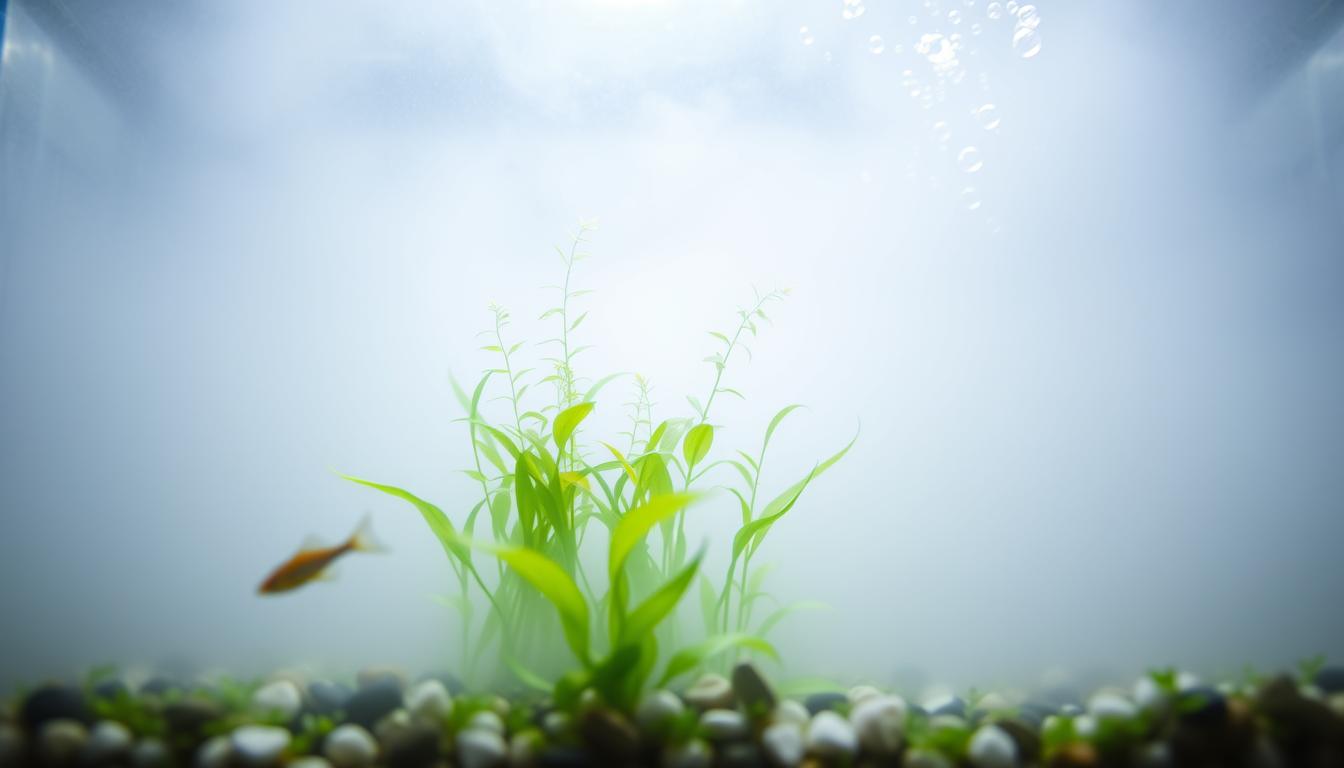
Seeing your new nano tank cloudy can ruin the first thrill of an aquarium. Cloudy water hides fish, plants, and decor. It also makes it hard to enjoy and think clearly.
You want a crystal clear aquarium, not a murky view. This makes it hard to think about maintenance.
Cloudiness comes in a few visible types: milky white haze, green tint, or brown tea-colored water. A quick diagnostic step helps: pour a cup of tank water into a white plastic cup or bucket and inspect it. This removes visual interference from glass reflections and plants.
It makes it easier to spot suspended particles, a milky bacterial bloom, green algae, or tannins.
If your new nano tank cloudy moment bothers you, take heart: this is common during setup. Most cases are temporary and not immediately dangerous. Typical causes include a bacterial bloom from cycling, stirred-up substrate, excess food, or dissolved tannins from driftwood.
Knowing which it is lets you clear tank fast and protect fish health.
In the sections that follow, you’ll learn how to identify the cause, how to clear the water when safe, and how to prevent recurrence. We’ll cover dealing with cloudiness, cycling, targeted fixes for bacterial and algae issues, filtration roles, substrate tips, and when to seek professional help.
So you can get back to enjoying a crystal clear aquarium and better mental clarity.
Common Causes of Cloudiness in Nano Tanks
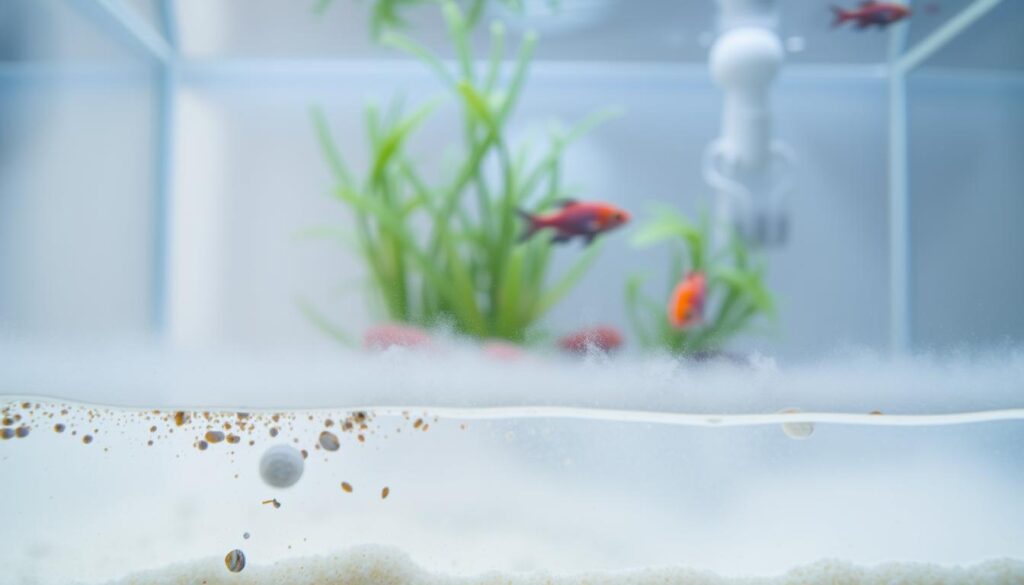
Cloudiness in a new nano tank can come from several sources. These include suspended particles, bacterial blooms, algae, tannins from wood or leaves, and a hazy film on the walls.
Suspended particles make the water look milky. This can happen from dry sand, dusty substrate, or stirring the gravel. Uneaten foods and bottom-feeders also add to the cloudiness.
Bacterial blooms are common in new tanks or when the balance shifts. They can start during the nitrogen cycle, with new fish, or from organic matter. Overcleaning filters or using harmful medications can also cause blooms.
Free-floating algae can turn the water green. This usually happens with too much light and nutrients from overfeeding or fish waste. When algae grow, they cloud the water.
Tannins from driftwood or plants can make the water brown. This change in color is not harmful but can hide other issues.
A haze on the aquarium walls can make the water seem murky. This can be due to dirty glass, oils, or lighting angles. The water itself might be clear.
To tackle cloudiness, first figure out the cause. Each problem needs a different solution. This could be siphoning particles, adjusting feeding, or letting a bloom settle as the tank cycles.
Determine the Type of Cloudiness

To figure out cloudiness, start with a simple test. Pour tank water into a white, opaque container. Hold it up to a light and check the tint, particles, and clarity. This quick test helps you understand the problem better.
If you see specks or floaters, it’s likely particulate cloud. These come from substrate, uneaten food, or debris. Using mechanical filters and regular water changes can clear them out. Look for filters from Fluval or Eheim for best results.
A milky, diluted-milk look means you have a bacterial bloom. Tiny bacteria create a cloudy sheen. Treating bacterial blooms often requires improving cycling and waiting, not just skimming.
A green tint or pea-soup color means algae is present. This can harm plants and corals by blocking light. Using UV sterilizers and controlling nutrients can help clear the water.
Brown or yellow tint usually comes from tannins in driftwood or leaf litter. The water will show color but few particles. Activated carbon or regular water changes can reduce tannins over time.
If the water looks clear but the tank is hazy, it might be glare or biofilm. Clean the glass with an algae scrubber and wipe the outside with a safe cleaner. Use acrylic-safe scrubbers for acrylic tanks to avoid damage.
Remember to stay safe. Severe cloudiness can harm fish and lower oxygen levels. Algae blocking light can stress photosynthetic organisms. Regular maintenance and careful observation can help prevent these problems.
The Importance of Tank Cycling
Your new nano tank is a blank slate. It needs a nitrogen cycle for stable water. Beneficial bacteria turn toxic ammonia into safe nitrate.
Without these bacteria, harmful microbes can grow fast. This causes milky blooms. When dealing with cloudiness, slow down. Letting the system cycle naturally clears it in one to two weeks.
To speed up cycling, seed the tank with material from an established aquarium. Use used filter media, substrate, or decor. Bacterial starter products like Dr. Tim’s One & Only or Interpet Fast Filter Start can help.
Be gentle when cleaning. Avoid bleach or antibacterial treatments. Rinse filter media in tank water to keep colonies alive.
Adding live plants helps stabilize faster. They use nutrients that feed bacteria. This reduces the chance of cloudiness.
When dealing with cloudiness, be careful. Avoid big water changes or actions that harm colonies. Small steps protect the beneficial bacteria and keep your tank healthy.
What to Check in Your Nano Tank
Use this tank checklist to guide you when dealing with cloudiness. Start simple and move through each item to avoid missing a cause that is easy to fix.
-
White-cup test: scoop water into a white cup and watch particles settle. Clear water with settled grit points to substrate dust. A persistent milky cloud suggests a bacterial bloom.
-
Inspect substrate for silt or recent disturbance. New sand, vigorous vacuuming, or digging fish can stir fine dust. If you see suspended grains, gently clean or let the tank rest.
-
Review recent maintenance. Large water changes, aggressive filter cleaning, medication use, or adding many fish or foods can trigger imbalance. Note any actions taken in the past week.
-
Examine filtration. Is the filter clogged, overloaded, or undersized? Check intake guards and media condition. A tired filter cannot handle particles and harms concentration enhancement of flow.
-
Remove excess food and decaying material immediately. Uneaten flakes, dead plant matter, and carcasses raise ammonia and feed bacterial growth. Quick removal helps focus improvement of water quality.
-
Observe lighting schedule and intensity. Excessive light favors free-floating algae and film. Reduce hours or lower intensity if the tank shows green tint or surface scum.
-
Test basic water parameters: ammonia, nitrite, nitrate. Spikes reveal cycling issues or decomposition. Stable water parameters prevent recurring cloudiness and support long-term clarity.
-
Inspect aquarium walls for biofilm, spotty algae, or external glare that may look like cloudiness. Wipe a small patch to see if clarity improves before altering other conditions.
-
Check pumps and circulation. Powerheads or filter outlets should create gentle surface agitation to boost dissolved oxygen and help filters capture particles. Proper flow aids concentration enhancement in the water column.
-
Safety check for fish health: if particulates threaten gills, perform targeted polishing or a small, careful water change. Prioritize rapid actions that protect fish while you continue the tank checklist.
Work through these steps steadily and keep notes on changes and results. Regular attention to this tank checklist will make dealing with cloudiness clearer and faster. It will also keep an eye on water parameters and focus improvement for a stable nano tank.
Solutions for Bacterial Blooms
Most bacterial blooms clear on their own in one to two weeks. This happens as beneficial bacteria grow and nutrients are used up. Your best approach is to be patient and not rush things while waiting for the cycle to stabilize.
Avoid making big water changes that add new nutrients. Don’t clean the filter too much, as it removes helpful bacteria. Also, skip using a UV sterilizer for just a bloom, as it can harm the cycle.
While waiting, take simple steps to help. Remove uneaten food, decaying plants, or dead fish. This cuts down on the fuel for the bloom and helps it recover faster.
- Keep good water flow and air in the tank. Use powerheads in freshwater or a protein skimmer in saltwater to boost oxygen and prevent drops.
- If you find a lot of dead matter, take it out fast. Consider a single, moderate water change, watching the water closely.
- To speed up recovery, add beneficial bacteria to the tank. Use products like Dr. Tim’s One & Only or Interpet Fast Filter Start, or media from a mature tank, to help nitrifying colonies grow.
Flocculants and water clarifiers can hide cloudiness but don’t solve bacterial blooms. Stay away from quick chemical fixes that mess with the natural cycle.
Dealing with cloudiness in your nano tank can be a chance to learn. Follow clear steps and take measured actions to get your tank balanced again. This will give you peace of mind about caring for your tank.
Addressing Algae Issues
Look for a pea-soup look or green tint in a white-cup test to diagnose green water. If your tank looks like this, you have free-floating algae causing cloudiness. Too much light and nutrients from overfeeding or waste are common causes.
Begin treatment with a focused plan. A small UV sterilizer can be effective because UV light changes algae cells and stops them from reproducing. After using UV, do several water changes to remove dead cells and lower nutrients.
Then, cut down on nutrients. Feed less, remove uneaten food, and clean mechanical filters to get rid of organic matter. Reducing light time and intensity also helps, by controlling daylight on the tank.
Try a blackout method for 7–10 days to starve the algae. But be careful. Live plants need light, and removing algae can raise ammonia levels. Watch water parameters closely if you try blackout.
- Use a UV unit sized for your tank for quick results.
- Trim or add fast-growing plants to outcompete algae.
- Stick to a stable light schedule to avoid sudden spikes.
- Keep mechanical filtration and pre-filters clean for concentration enhancement.
To prevent algae from coming back, balance fertilization, keep filters clean, and maintain a routine. These steps help you stay calm and make smart decisions when dealing with algae.
Dealing with Uneven Substrate
New or disturbed substrate often releases silt and dust. This leads to visible cloudiness in the water. When you plant or move décor, tiny grains lift into the water. This creates cloudiness that can last for days if not treated.
Prevention is simple and effective. If you use dry sand or gravel, rinse it in a bucket until the water runs clear. Then add it to your tank. Live sand may cause some initial clouding. Expect this and rely on mechanical filtration to catch the particles.
When particles persist, follow a staged dusty substrate fix to clear the water. Start with a gentle substrate vacuum and small, careful water changes. Avoid deep cleaning the whole sandbed at once. Clean only small sections, about a 12″ square, to limit disturbance and lower the risk of triggering bacterial blooms.
- Use prefilter sponges on intakes to trap coarse debris.
- Add a coarse sponge, followed by fine poly pads for staged mechanical filtration.
- Replace fine pads as they clog to keep flow and capture efficiency high.
For stubborn fine particulates, consider temporary water polishing. A canister filter with polishing media or an RO/DI sediment filter will remove the finest dust quickly. Keep these measures short-term while your tank stabilizes.
Work slowly and consistently. Reducing disturbance protects beneficial bacteria and supports clear water without repeated scrubbing. This steady approach helps your focus improvement when maintaining the tank. It keeps you calm and makes measured steps that preserve both water clarity and mental sharpness.
The Role of Filtration Systems
Your filter is key to clear water in a nano tank. It’s important to match the filter’s capacity to your tank’s size. Also, stack media in stages to catch particles before they reach the biological stage.
Begin with mechanical filtration to catch suspended solids. Use a prefilter sponge to protect the intake and keep bottom-feeders from disturbing the substrate. A multi-stage approach works best: start with a prefilter sponge, then a coarse sponge, and finish with a fine poly pad. Replace the coarse and fine pads often, and swap them every 12–24 hours during a severe cloud until the water clears.
Biological filtration handles ammonia and nitrite through beneficial bacteria. Use media like ceramic rings, bio-wheels, or dedicated filter media. Rinse this media in tank water to avoid killing bacteria. While focusing on cloudiness, avoid overcleaning this media.
Chemical filtration removes dissolved organics and tannins that color the water. Activated carbon and Seachem Purigen are good for this. Carbon needs to be replaced, but Purigen can be reused when regenerated.
- Use a dedicated polishing filter for persistent particulate clouds. A canister filled with only mechanical media or a sediment filter from an RO unit can clear severe cloudiness in about 12 hours in many cases.
- Ensure intake protection with a prefilter sponge to reduce substrate disturbance and extend media life.
- Stack media in order: prefilter sponge, coarse sponge, fine pad, then biological and chemical media for concentration enhancement of beneficial bacteria and contaminant removal.
When cleaning mechanical media, use fresh water for pads you discard and tank water for rinsing biological media. This balance speeds recovery while dealing with cloudiness and preserves bacterial colonies that prevent future spikes.
If you size filters correctly, maintain a polishing step, and combine mechanical filtration with biological and chemical stages, you boost clarity and stability. This reduces repeat cloudy events and helps your nano tank stay healthy and vibrant.
Prevention Tips for Future Cloudiness
Start with a simple aquarium maintenance plan to avoid cloudiness. Small, regular steps can prevent big problems. This makes caring for your fish easier.
Make a schedule that matches your tank’s needs. Do partial water changes weekly or biweekly. Vacuum the substrate to remove waste. This helps when dealing with cloudiness from too much organic matter.
- Feed sparingly. Choose cleaner foods like frozen bloodworms or single-ingredient frozen options to reduce dusty waste.
- Clean mechanical filter media often. Rinse biological media in old tank water once a month to keep beneficial bacteria intact.
- Use a prefilter sponge on the intake and add extra mechanical filtration for tanks with bottom-feeders.
Control light with a timer and avoid too much light. This prevents algae growth. Add live plants to compete for nutrients, oxygenate the water, and boost stability.
When setting up a new tank, seed it with media from an established aquarium or a commercial bacterial starter. Avoid large water changes during the cycle. This lets the nitrogen cycle establish without disruption.
- Monitor ammonia, nitrite, and nitrate regularly to catch imbalances early.
- Adjust feeding and maintenance if tests show spikes.
- Increase cleaning frequency after heavy feeding or high bioload events.
These routines reduce time spent on cloudiness and make troubleshooting easier. Clear water lowers stress for you and your fish. It helps with mental clarity and reduces cognitive fog from troubleshooting and uncertainty.
Keep notes on your schedule and water tests. A consistent plan prevents repeat problems. It protects your aquarium’s long-term health and eases brain fog from too many ad hoc fixes.
When to Seek Professional Help
If your tank stays cloudy for more than two weeks, it’s time to get help. Cloudiness can hide deeper problems like bacterial blooms or chemistry issues. Home tests might not catch these.
Watch for signs like fish gasping, extreme lethargy, or sudden deaths. These are signs of serious problems like oxygen depletion or toxins. You should treat these as urgent and seek help right away.
When you call a local fish store or aquatic service, be ready with details. Share recent water test results, photos of a water sample, a list of equipment, and notes on maintenance and feeding. This helps them give you the best advice.
- Visit a reputable local aquarium store for on-site testing and product recommendations from brands like Seachem or Fluval.
- Hire a professional aquatic service for complex filtration upgrades or tank-wide interventions.
- Use forums such as Reddit r/Aquariums or Fishlore and manufacturer support lines for product-specific questions.
For complex chemical issues, you might need lab-grade analysis or diagnostic kits. If you’re dealing with these, professional labs and technicians can find causes DIY tests might miss.
Stay calm when talking about fixes. Cloudiness issues can be stressful, but clear thinking helps you make good decisions. Simple practices that support your brain help you follow treatment plans correctly.
Act quickly to protect your fish and plants. If you’re unsure after two weeks or if problems keep coming back, get professional help. This will keep your tank and its inhabitants safe.
Final Thoughts on Clear Water
When you see cloudiness, start with the white-cup test. It helps figure out if it’s particles, bacteria, algae, or tannins. If particles move and settle, you need better mechanical filtration and a polishing pad.
If the water stays milky, give your tank time to cycle. You might also want to add filter media from a healthy aquarium.
For green water from algae, try UV sterilization or reduce nutrients and light. Tannins can be fixed with activated carbon or Purigen. These methods keep your water chemistry safe.
Remember, keep your actions small to avoid harming good bacteria. This way, you can easily get your water clear again.
To avoid cloudiness in the future, rinse your substrate well. Seed new tanks properly and use the right filters and circulation. Don’t overfeed and clean regularly. Most cloudy issues in new nano tanks clear up in a week or two with the right steps.
By following these tips, you’ll keep your fish healthy and enjoy a beautiful tank. You’ll also feel better mentally, with clearer thinking and improved focus.
Leave a Reply