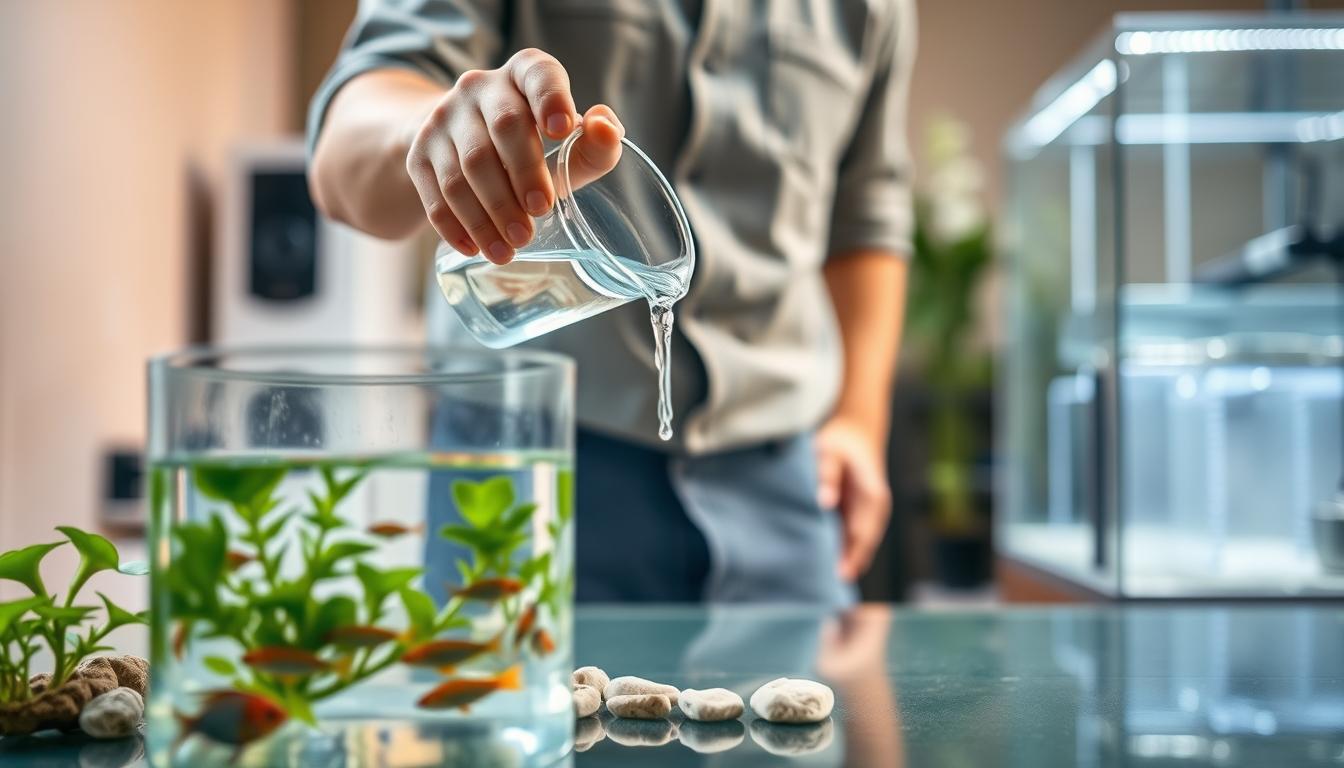
When you bring new aquatic life into a small aquarium, acclimation is key to their health. Shipping water often has different temperatures, pH, and salinity than your tank. Even small changes can stress fish, corals, invertebrates, and plants. Start using acclimatization strategies right away to lessen shock.
Start acclimating as soon as you arrive and never hurry. Temperature, pH, and specific gravity differences can cause shock or death. Most invertebrates and marine plants are more sensitive than fish. They often need a specific gravity of 1.023–1.025 in marine systems. Follow clear steps to match conditions slowly.
Practical steps help. Turn off aquarium lights for at least four hours after introduction to lower stress. Always discard shipping water instead of pouring it into your tank to avoid pathogens or contaminants. Also, avoid adding an airstone to the shipping bag; it can raise pH and convert ammonia to toxic forms.
Quarantine new arrivals for 2–4 weeks in a separate tank. This quarantine protects your main display from disease and lets you confirm feeding and health. Handle corals carefully: never touch fleshy tissue, and always hold by the base or skeleton.
Using solid environmental acclimation strategies and careful handling will give your new animals the best chance to thrive in a small-volume aquarium.
Understanding the Importance of Acclimation
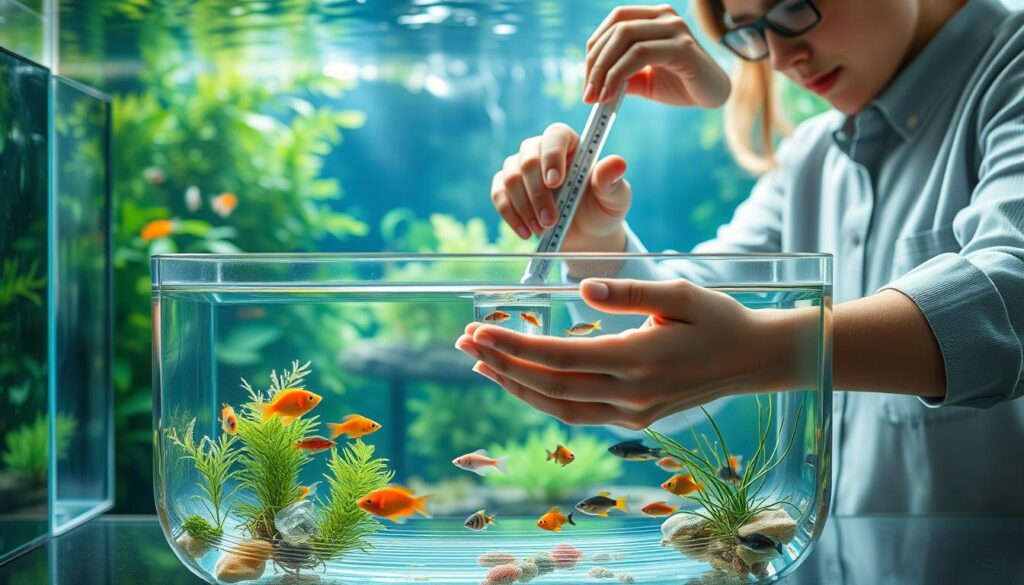
Before adding new fish, shrimp, or corals, understand why acclimation is key. Sudden changes in pH, temperature, salinity, or hardness can upset their balance. This stress can damage their slime and increase the risk of shock or toxicity.
Knowing the risks helps you make better choices. A small pH change can be big for sensitive species. A full pH unit change is a huge jump in acidity that can be deadly. During transport, pH drops and ammonia levels rise, making longer trips riskier.
Start adapting your environment as soon as the animals arrive. Begin acclimation right away and keep the lights off for a few hours to reduce stress. Check your water for ammonia, nitrite, nitrate, pH, temperature, hardness, alkalinity, and specific gravity to ensure the tank is stable before introducing new life.
Choose acclimation strategies that fit the species you keep. For delicate corals and marine invertebrates, slow, measured additions of tank water are best. For hardy community fish, a shorter acclimation might be enough. Tailor your approach to the species’ needs and the transport conditions.
Use practical acclimatization strategies to protect your investment and improve animal welfare. Many losses happen because acclimation was rushed or skipped. A steady, documented process helps keep animals healthy and reduces disease risks.
- Test key parameters before introduction.
- Start acclimation right away upon arrival.
- Keep lights off for several hours after adding new life.
- Match salinity and temperature slowly in small steps.
Types of Aquatic Life that Require Acclimation
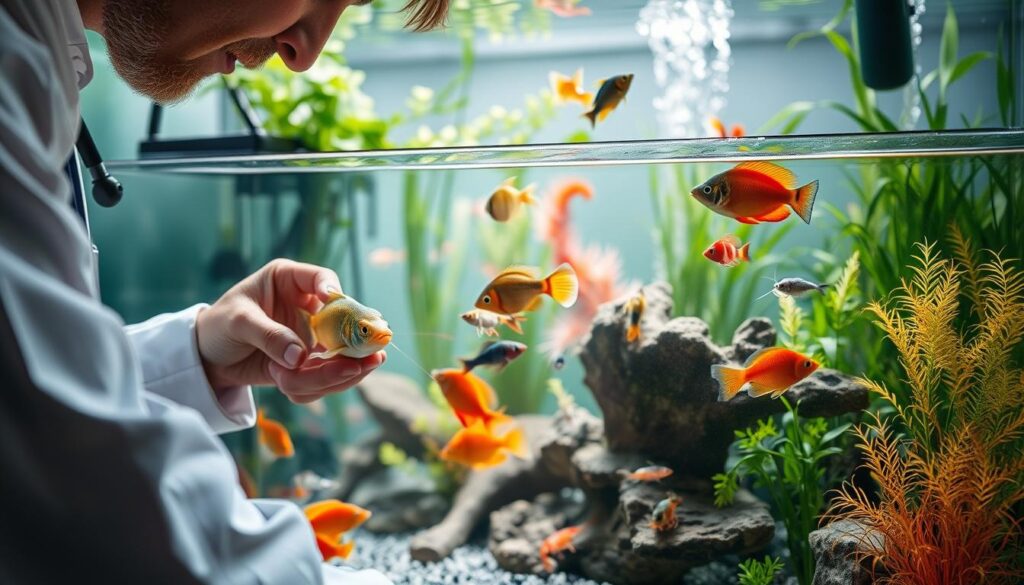
Fish, invertebrates, corals, and marine plants all need different care when changing their environment. Fish can handle bigger changes in temperature and chemistry. But, invertebrates like shrimp and sea stars need gentle care and steady conditions.
Marine invertebrates and plants prefer a specific gravity of 1.023–1.025. Even small changes in salinity or pH can stress or kill them. It’s important not to expose sponges, clams, scallops, and gorgonias to air while handling them.
When acclimating corals, some may release mucus or stay closed for days. This is a normal reaction to stress from travel. Being patient and slowly adjusting their environment helps them recover and open up naturally.
After introducing new life to a tank, watch how they interact. New fish might get chased by territorial tankmates. Be ready to separate them or provide hiding spots if needed.
- Hardy species are best for beginners; they resist fluctuations and make adjusting to new environments simpler.
- Sensitive species demand specialized acclimatizing procedures and often benefit from quarantine tanks.
- Plan for species-specific needs before you buy: salinity, pH, flow, and handling rules.
Use habitat conditioning approaches that fit each group’s needs. For mixed collections, create a plan that protects the most sensitive members. This helps all animals adjust to your system smoothly.
Preparing Your Setup for Acclimation
Before you begin, gather all the necessary supplies. You’ll need scissors, a clean bucket for aquarium use, a measuring cup, and airline tubing. Also, have a specimen container or plastic bowl for heavy corals, a towel, and a watch or timer.
Don’t forget an algae clip or bag clip to keep transport bags secure. A soft net is also essential for moving fish gently. You might want to consider an acclimation kit, like the Doctors Foster and Smith Acclimation Kit, for convenience.
Do some key checks on your aquarium water first. Make sure ammonia and nitrite levels are 0 ppm. Also, check that nitrate levels are safe for the species you’re adding.
Verify that pH and temperature are stable and match the new specimen’s needs. For marine systems, measure specific gravity with a hydrometer or refractometer. Check hardness or alkalinity if necessary.
Adjust your aquarium’s lighting and cleanliness before the new arrivals. Turn off the lights to reduce stress. Wash your hands thoroughly to remove any harmful substances.
Use only tools and buckets meant for aquarium use to avoid contamination. This is important for keeping your tank healthy.
Consider setting up a quarantine tank if possible. A separate tank allows you to observe new arrivals for two to four weeks. This reduces the risk of disease in your main tank.
If you don’t have a quarantine tank, inspect the seller’s display tank carefully. Avoid animals from tanks with sick or dead fish. Determine if isolation is needed based on the species and seller’s transport method.
Plan how to condition the habitat for a smooth transition. Prepare water in buckets and containers to match your tank’s parameters. Use slow-mixing methods to ensure temperature and salinity are equalized.
Follow acclimation techniques that are right for the species and the seller’s transport method. This helps in a successful transition.
Make simple checklists to guide you through the process. List the supplies, water checks, and timing steps. Following consistent routines helps avoid mistakes and ensures a smooth adaptation process each time you add new life to your tank.
Different Acclimation Techniques
When moving new aquatic life to a small water volume, you have two main choices. Each method is suited for different species and shipping conditions. Pick the one that best matches the sensitivity of the animals and the water parameter differences.
Floating, or float-and-swap, starts with temperature matching. Place the sealed bag on the water’s surface for 10–20 minutes. Then, add small amounts of tank water to the bag in steps. Start with one-quarter to one-half cup every four to five minutes.
Continue adding water until the bag is full. Discard half the liquid and repeat the process. Finish by releasing the animals without adding the remaining shipping water.
The drip method is slower and gentler. Put the animals and their original water in a clean bucket. Connect airline tubing from your aquarium to the bucket to create a siphon. Adjust the flow to about two to four drips per second.
Let the incoming water slowly double the bucket’s volume. Then, discard half. Repeat until about one hour has passed and the water chemistry is close to your tank.
Use separate buckets for fish and invertebrates with the drip method. This prevents cross-contamination and keeps delicate species safe. Many aquarists choose this for corals, shrimp, sea stars, and wrasses. Small changes in salinity, pH, or ammonia can be deadly.
- Floating suits many hardy fish and some invertebrates when shipping time is short and parameters are similar.
- Drip best serves sensitive invertebrates and corals where gradual change reduces stress and shock.
Both floating and drip are accepted acclimation techniques that reduce transplant shock. Use these acclimatizing procedures with careful observation during and after acclimation. If unsure, choose the gentler environmental acclimation strategies to protect fragile specimens.
Step-by-Step Guide to the Drip Method
First, make sure the temperature is equal. Turn off the aquarium lights and dim the room. Float the sealed shipping bag on the tank’s surface for 15 minutes without opening it. This helps reduce shock.
Next, move the animals to a clean 3–5 gallon bucket. Pour the bag contents gently so the animals stay submerged. Use separate buckets for fish and invertebrates to protect them.
-
Set up the siphon using clear airline tubing from your aquarium to the bucket. Tie small knots or install a plastic airline control valve to slow flow. Secure tubing with an airline holder so it won’t slip.
-
Start the siphon by mouth or pump. Adjust the valve until you get about 2–4 drips per second. This rate mixes the water without stressing the animals.
-
When the bucket’s water volume doubles, discard half the bucket water. Resume the drip until the volume doubles again. Total drip time is roughly one hour. This gradual exchange balances pH, salinity, and other parameters.
Follow special transfer steps for sponges, clams, and gorgonias. Never expose these to air. Scoop them into a specimen bag, submerge the bag when moving to the aquarium, then open and release underwater. Avoid touching fleshy coral tissue during handling.
-
Test specific gravity before release. Aim for 1.023–1.025 with a hydrometer or refractometer.
-
Never place an airstone into the shipping bag. That can force gas into tissues and harm animals.
-
Be patient and monitor the whole process closely. Good acclimatization strategies mean slower, controlled changes instead of quick swaps.
These environmental adaptation methods pair well with other acclimation techniques you may use. Careful drip routines reduce stress and improve survival for sensitive livestock.
Float and Swap Method Explained
First, make the water temperature equal. Turn off the aquarium lights and dim the room. Place the sealed bag in the tank and let it float for 15 minutes to an hour. This allows the water and bag to reach the same temperature while keeping oxygen available.
Then, make the bag float if it sinks. Cut the bag near the clip and roll the top edge about one inch. This traps air and keeps the bag afloat. For heavy corals, put the bag in a plastic bowl or container to keep it on the surface.
Slowly add water to the bag. Every 4 to 5 minutes, add a quarter to half cup of aquarium water. Keep doing this until the bag is full. Then, pour out half the water into a bucket. Re-float the bag and add water again until it’s full.
When releasing animals, be careful and slow. Net fish gently or let them swim out on their own. For invertebrates and corals, submerge the bag and remove them by hand. Avoid touching soft tissue. Always throw away shipping water, not back into your tank.
Timing and patience are key. Plan for about an hour and don’t rush. Some animals seem inactive but will recover with the right care. These steps protect their delicate bodies during the transition to a new home.
The Importance of Monitoring During Acclimation
Keeping an eye on your new pets is key during the acclimation process. Check the water’s temperature, pH, and specific gravity often. For marine invertebrates, use a refractometer or hydrometer to ensure the specific gravity is between 1.023 and 1.025.
Before adding new fish, test the aquarium’s baseline for ammonia, nitrite, nitrate, hardness, and alkalinity. Do quick tests during the acclimation to catch any sudden changes. Even small changes can stress out delicate creatures and mess up your acclimation plans.
Look for signs of stress in your fish. Watch for gasping at the surface, odd swimming, color changes, too much slime, or being very inactive. Some fish may seem dead at first, but they can come back to life as the water conditions get right.
- Watch how your fish behave after they’re in the tank. Look out for any bullying or aggression from other fish.
- Have a plan to separate aggressive fish. You can use a perforated critter keeper, a spaghetti strainer, or a plastic grid divider.
- Feed the fish already in the tank before adding new ones. This can help reduce territorial fights.
When drip acclimating, keep the siphon steady. Try to drip at a rate of 2–4 drips per second and make sure no air gets into the line. Don’t leave sensitive invertebrates alone for too long without checking on them.
Keep track of your readings and observations. Writing down your notes can help you improve your acclimation strategies. Regular monitoring means you can react faster and increase the chances of your new pets surviving.
Common Mistakes During Acclimation
Many early losses can be avoided by watching for common mistakes during acclimation. Pouring shipping water into your aquarium is risky because it can introduce parasites and pathogens. Always discard that water into a sink or bucket.
Rushing acclimation steps raises the chance of pH shock and osmotic stress. Slow drip methods and measured climate adjustment tips protect delicate gills and slime coats. Take your time when mixing water and matching temperatures.
Adding an airstone to the shipping bag may seem helpful, but it can quickly raise pH and increase ammonia toxicity. Keep aeration in the bag minimal and move on to proper acclimation techniques instead.
Netting small or fragile fish from the bag strips protective slime. Let those fish swim out on their own when possible. For delicate invertebrates and corals, avoid touching fleshy parts or exposing them to air. Sponges, clams, and gorgonias suffer from rough handling.
- Skip quarantine at your own risk; new arrivals need 2–4 weeks in a separate tank to reveal hidden illnesses.
- Failing to test water parameters before introduction leaves you blind to ammonia, nitrite, nitrate, pH, temperature, and specific gravity problems.
- Using the wrong acclimation techniques or skipping steps increases mortality and stress.
Follow clear acclimatizing procedures and use simple climate adjustment tips to protect your investment. Small habits, like testing water and avoiding haste, make the difference between a smooth transition and preventable losses.
Post-Acclimation Care
Turn off aquarium lights for at least four hours after adding new animals. This helps them settle and reduces stress. Feed your existing fish a small amount to distract them from the new arrivals.
Watch the new animals closely for hours and days. Corals might stay closed for a while and have slime. Gently remove slime before placing them in the tank to help them open faster.
Try to keep new animals in a quarantine tank for 2–4 weeks. This lets you check for diseases and parasites before adding them to the main tank.
- Test ammonia, nitrite, and nitrate daily for the first week after adding animals.
- Add only a few new animals at a time to avoid overloading your biological filter and reduce spikes.
- Use targeted water changes if parameters rise unexpectedly.
If aggression persists, use a floating basket or critter keeper to protect the new animal. You can also move decorations to break up territories and reduce aggression.
Follow practical steps like gradual feeding and regular checks of water parameters. These steps help your tank stabilize as the new animals settle.
Use slow, consistent changes in the tank to help animals adapt. Small, steady adjustments protect the water chemistry and reduce stress for both fish and invertebrates.
Specialized Acclimation for Sensitive Species
Marine invertebrates like corals and sponges need special care. They can only handle a small range of salt and pH levels. Make sure they never get exposed to air.
Most species prefer a specific gravity between 1.023 and 1.025. Use a refractometer or hydrometer to check this. The right tools help you keep your aquarium healthy.
When handling corals, always use the rock or skeleton, not the soft parts. For sponges, clams, and gorgonias, keep them underwater. Scoop them up in their bag, then submerge the bag in your tank. Remove the animal underwater and throw away the bag and its water.
Drip acclimation is the best for slow changes in salt and pH levels. Aim for 2–4 drips per second for about an hour. This method helps delicate animals adjust better.
Corals might stay closed for days after moving. Don’t jump to conclusions about illness. Lower the light and keep the water chemistry steady while they recover. If you’re unsure about water quality, get it tested for free at places like Petco.
By following these steps, you can reduce stress and help your sensitive species thrive. Proper acclimatizing is key to keeping them healthy in your aquarium.
Conclusion: Ensuring a Successful Acclimation Experience
Start acclimation as soon as your new pet arrives home. Be patient and consistent. Choose the right method for your fish, like float or drip acclimation.
Keep an eye on temperature, pH, and specific gravity. Never mix shipping water with your tank’s water. Quarantine new fish for 2–4 weeks and keep the tank dark for a few hours after introducing them.
Use a checklist for acclimation: a clean bucket, tubing, a measuring cup, a timer, and scissors. Check your tank’s water quality before starting. Float the bag for 15–60 minutes to match temperatures.
For gradual changes, use 1/4–1/2 cup increments or a drip system at 2–4 drips per second. Discard the shipping water and watch your fish closely as you move them.
Use effective acclimation techniques to help your fish adjust. Many issues can be fixed if you stay calm. Proper acclimatization and careful watching will help your fish thrive. Always make slow, controlled changes for their long-term health.
Leave a Reply